A Detailed Look at Their Cognitive Profiles
While both the American Shorthair and the Havana Brown register a consistent 3/5 across our five key cognitive dimensions, the manner in which these capabilities manifest in their daily lives offers a rich tapestry for observation. It's not just about the score, but how a breed's inherent temperament shapes the application of its mental faculties.
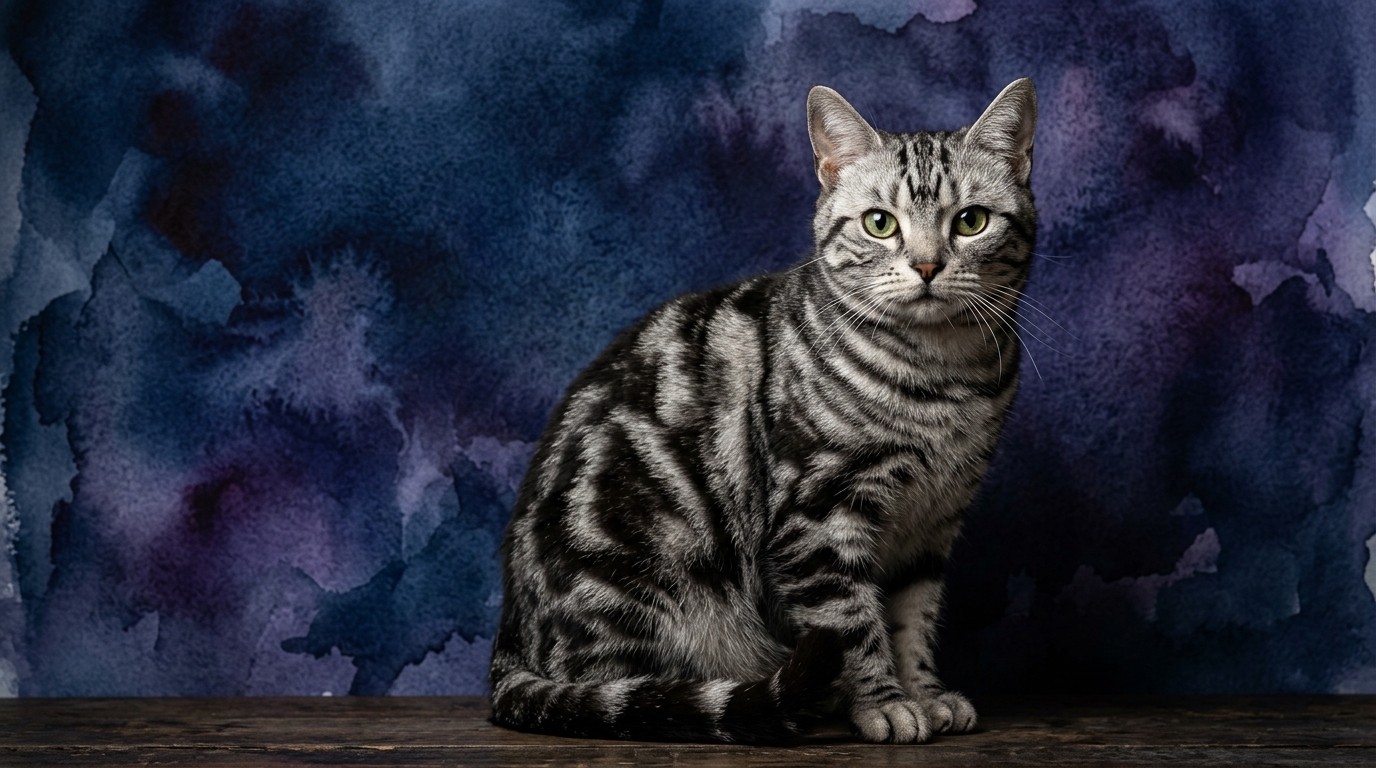
The American Shorthair, a breed celebrated for its robust health and amiable disposition, demonstrates its Problem Solving at a 3/5 by consistently learning how to navigate household obstacles, such as figuring out how to open specific, easy-to-manipulate cabinets or retrieve a favorite toy from a moderately challenging hiding spot after a few attempts. Their Training Speed, also at 3/5, allows them to pick up basic commands like 'come' or 'sit' with patient, positive reinforcement, often motivated by food rewards and routine. Their Social Intelligence (3/5) is evident in their calm observation of household dynamics; they often understand when to approach for a gentle pet and when to give family members space, adapting their interactions to the prevailing mood. The breed's Instinctive Drive (3/5) translates into a moderate enjoyment of chase and pounce games, engaging with feather wands or laser pointers with enthusiasm but without an overwhelming, relentless hunting focus. Finally, their Memory (3/5) ensures they reliably recall daily routines, the location of their food dish, and the people who provide consistent care, building strong, predictable relationships.
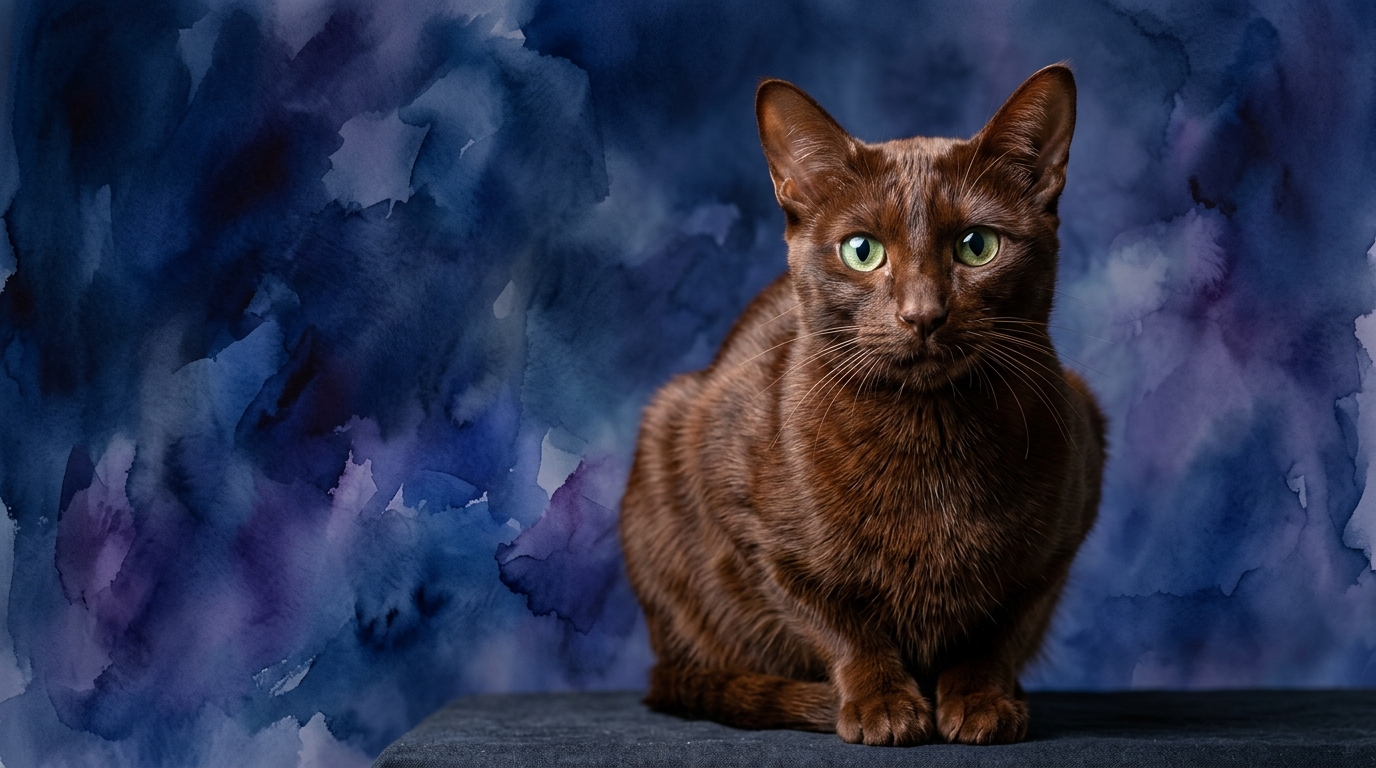
The Havana Brown, with its characteristic warm brown coat and engaging personality, also scores 3/5 in Problem Solving, often exhibiting this through a curious and persistent exploration of new objects or environments, figuring out how to activate a puzzle feeder or access a new perch through trial and error, sometimes with a vocal commentary on their progress. Their Training Speed, similarly 3/5, allows them to learn tricks and respond to cues with moderate effort, though their strong desire for human interaction can sometimes accelerate their engagement in training sessions. The Havana Brown's Social Intelligence (3/5) shines through their often 'dog-like' devotion; they actively seek out interaction, respond to their owners' tones of voice, and enjoy being involved in family activities, demonstrating a keen awareness of social cues. Their Instinctive Drive (3/5) frequently manifests as playful curiosity, enjoying complex interactive toys and engaging in extended 'hunting' expeditions for hidden treats or toys, driven by their inquisitive nature. Their Memory (3/5) is robust, enabling them to remember specific interactions, preferred play partners, and the routines of their beloved human companions, often greeting them with enthusiasm upon their return.
Where the American Shorthair Excels Cognitively
While both breeds share the same numerical scores, the American Shorthair's cognitive strengths often lie in its balanced approach and independent application of its abilities. Their 3/5 in Problem Solving is frequently demonstrated through a self-sufficient resourcefulness; an American Shorthair might quietly observe a situation, formulate a plan, and execute it without excessive reliance on human intervention or encouragement. For instance, if a toy rolls under a sofa, an ASH might methodically use a paw or nose to retrieve it, showing a practical, unhurried application of their cognitive capacity.
Their moderate Social Intelligence (3/5) allows them to adapt seamlessly to various household dynamics without demanding constant attention or interaction. This makes them particularly adept at navigating environments with fluctuating activity levels, reading cues to know when they are welcome to join and when it is best to retreat. This measured social awareness, combined with their steady Memory, contributes to a consistent and predictable companion, less prone to dramatic shifts in behavior or need for novelty.
Where the Havana Brown Shines Cognitively
The Havana Brown's cognitive strengths often lean into their highly interactive and curious nature. Their 3/5 in Problem Solving is frequently fueled by an insatiable curiosity and a strong desire to engage with their environment and their humans. A Havana Brown might not just solve a puzzle feeder; they might do so with vocalizations and an almost performative flair, actively seeking to share their achievement. This engagement often gives the impression of a more 'active' mind, constantly seeking new stimuli.
Their 3/5 in Social Intelligence is particularly pronounced in their bonding and communication. Havana Browns are known for their conversational chirps and purrs, using these sounds to communicate desires, acknowledge presence, and engage in reciprocal interaction. This active participation in the human-animal bond suggests a cognitive wiring that prioritizes and thrives on social engagement, making their memory for human routines and preferences particularly sharp and emotionally resonant. Their persistence in play, driven by their Instinctive Drive, also highlights a sustained cognitive focus on tasks they find stimulating.
Ease of Training: Behavioral Differences in Practice
Despite identical 3/5 scores in Training Speed, the practical experience of training an American Shorthair versus a Havana Brown can feel distinct due to their differing motivations and temperaments. The American Shorthair's training often relies on consistency and palatable rewards. They will learn commands and routines steadily, driven by the predictability of a treat or a favorite play session. Their calm demeanor means they are less likely to be distracted by environmental changes during a training session, allowing for focused, incremental progress.
The Havana Brown, while also responding well to positive reinforcement, often brings a different energy to training. Their strong social drive and desire for interaction can make them highly motivated by praise, attention, and the sheer joy of engaging with their human. While they may take a similar number of repetitions to learn a new trick, their enthusiastic participation and vocal responses can make the training process feel more dynamic and interactive. However, their intense curiosity and playful nature might also mean they are more easily distracted by novel stimuli, requiring an owner to maintain engagement and focus more actively.
Matching Breeds to Owner Lifestyles: Active vs. Relaxed Owners
The choice between an American Shorthair and a Havana Brown often comes down to the owner's lifestyle and their desired level of feline interaction. For relaxed owners who appreciate a calm, self-possessed companion, the American Shorthair is often an excellent fit. Their moderate energy levels and independent nature mean they are content to observe and participate in household life without constant demands for attention or play. They thrive in environments where they have a predictable routine and comfortable spaces to nap and explore at their leisure, making them ideal for individuals or families seeking a generally low-maintenance feline presence.
Active owners who desire a more engaged, interactive, and playful companion might find the Havana Brown to be a perfect match. Their curious minds and strong social drive mean they actively seek out interaction, enjoy vigorous play sessions with interactive toys, and often want to be involved in whatever their human companions are doing. They thrive on mental stimulation and physical activity, making them well-suited for owners who enjoy dedicating time to play, training, and 'conversations' with their cat. A Havana Brown will often follow their owner from room to room, eager to participate, making them a vibrant and engaging member of an active household.
The Verdict: When to Choose Each Feline Companion
Ultimately, both the American Shorthair and the Havana Brown possess substantial cognitive abilities, each expressing their 3/5 scores in ways that align with their distinct temperaments. The 'smarter' choice is less about a higher score and more about finding a cat whose cognitive style and social needs resonate with your own lifestyle and expectations for a feline companion. Understanding these nuances helps foster a harmonious relationship built on mutual understanding and appreciation.
The Verdict
Choose the American Shorthair if you seek a calm, adaptable companion who is resourceful and independent, thriving in a predictable environment with moderate social demands.
Opt for the Havana Brown if you desire a highly interactive, curious, and playful cat who actively seeks engagement and thrives on deep social bonds and mental stimulation.
🧠 Find Your Pet's IQ Score
Our Pet IQ Lab assessment covers 25+ tests across 5 cognitive dimensions — personalized to your breed.
Take the Full IQ Test →Frequently Asked Questions
Are American Shorthairs good at learning tricks?
Yes, American Shorthairs can learn tricks and commands with consistent positive reinforcement. Their 3/5 Training Speed means they'll pick up basic cues and routines steadily, especially when motivated by treats and routine.
How do Havana Browns demonstrate their problem-solving skills?
Havana Browns exhibit their 3/5 Problem Solving through persistent curiosity and exploration. They might vocally work through puzzle feeders, figure out how to access elevated spaces, or creatively retrieve hidden toys, often driven by their desire for engagement.
Which breed is more social with strangers?
While both have 3/5 Social Intelligence, Havana Browns are typically more outward and expressive in their social interactions, often extending their curiosity and affectionate nature to respectful strangers once comfortable. American Shorthairs tend to be more reserved initially, observing before engaging.