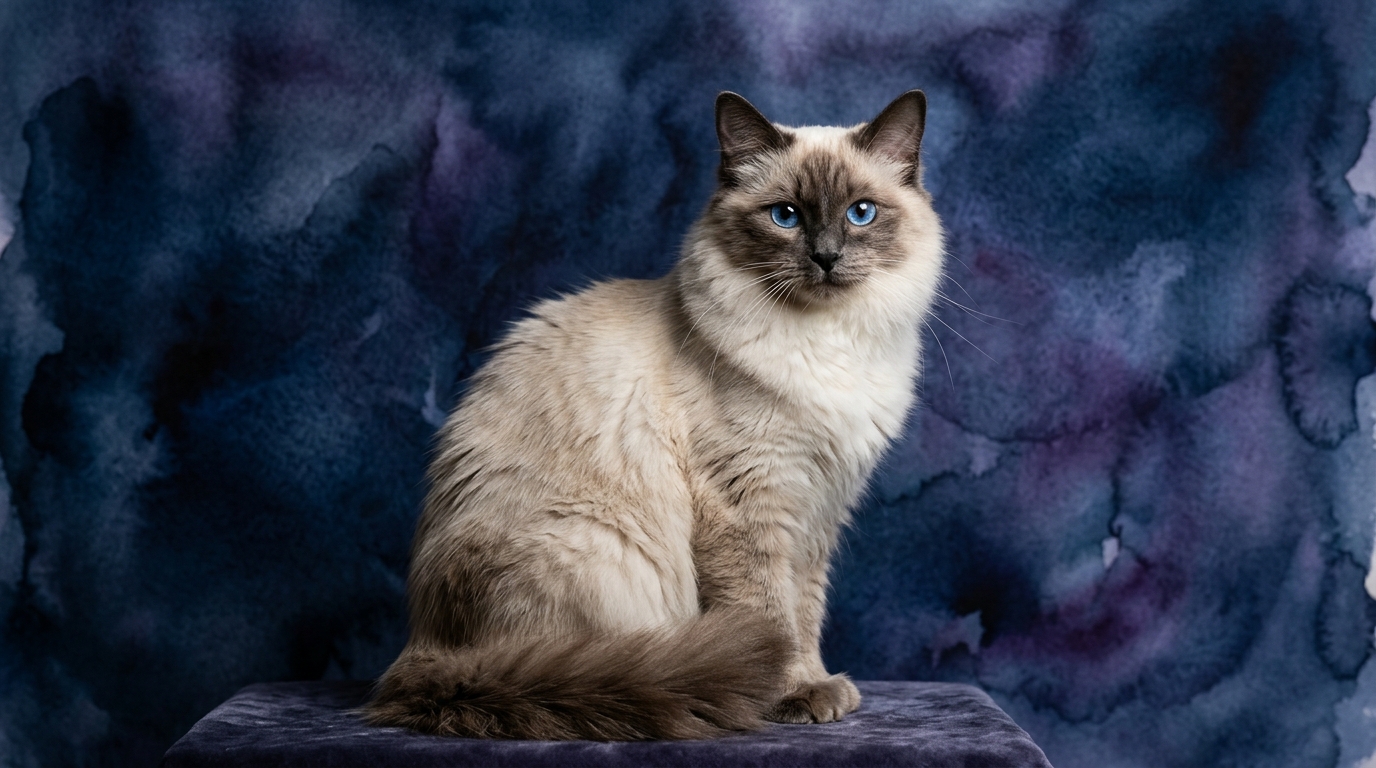
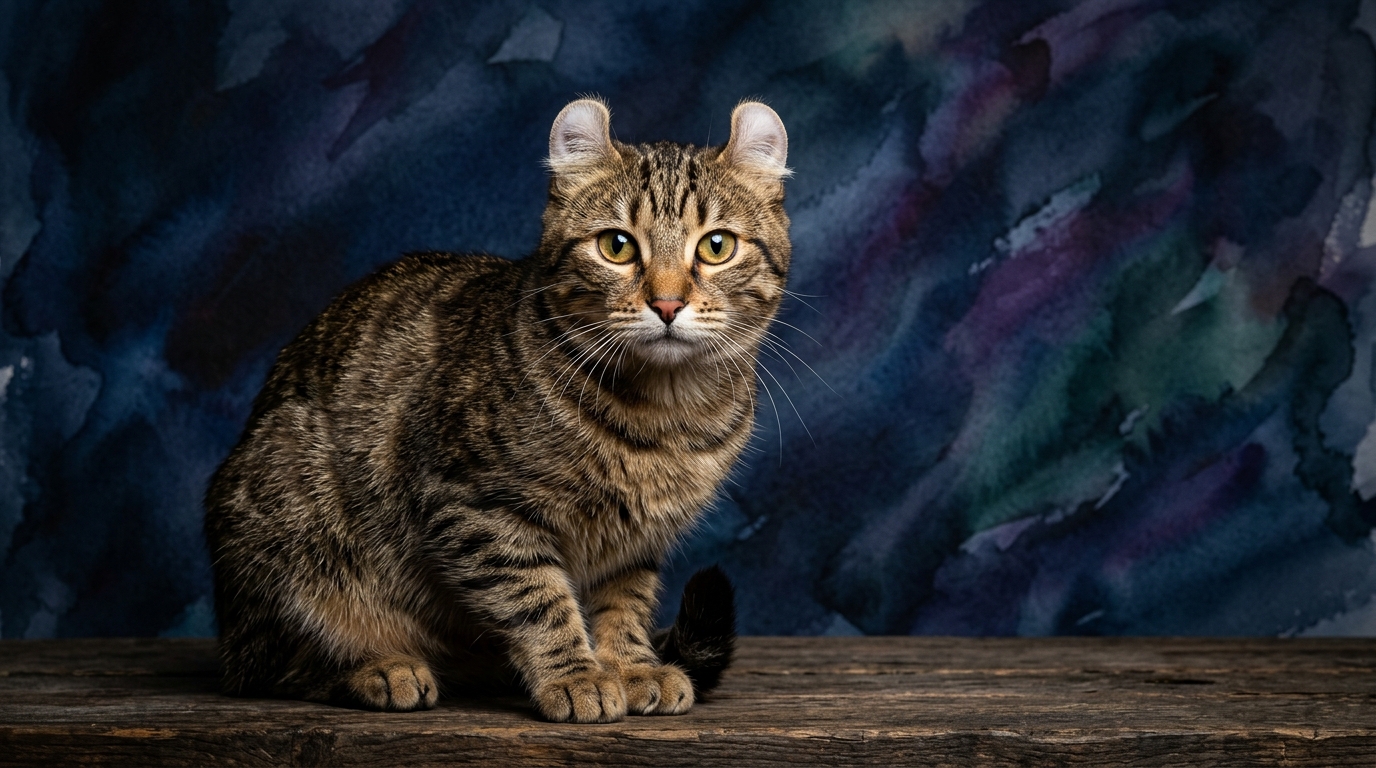
Side-by-Side IQ Profile
The Cosmic Pet Pet IQ Lab rates the Balinese with a striking cognitive profile, demonstrating an aptitude for complex thought and rapid learning. Their Problem Solving score of 4/5 indicates a cat adept at navigating environmental challenges, often figuring out how to open cabinets or manipulate puzzle toys with impressive ingenuity. A Training Speed of 5/5 signifies an exceptionally quick learner, eager to absorb new commands and behaviors, making them highly receptive to structured training sessions. Social Intelligence, also at a perfect 5/5, highlights their profound connection with human companions, understanding nuanced cues and seeking interactive engagement. Their Instinctive Drive, rated 3/5, suggests a moderate level of natural hunting and exploratory behaviors, present but not overwhelmingly dominant. Finally, a Memory score of 4/5 points to their capacity for retaining learned experiences and routines, remembering past interactions and where their favorite toys are stashed.
In contrast, the American Curl presents a consistent and balanced cognitive profile, offering a different kind of feline companionship. Their Problem Solving ability, at 3/5, indicates a practical approach to challenges, capable of solving common household puzzles but perhaps less inclined towards intricate problem-solving tasks. A Training Speed of 3/5 means they are willing to learn, absorbing new information at a steady, manageable pace, making training a rewarding but not always lightning-fast endeavor. Social Intelligence, also at 3/5, reflects a pleasant and affectionate disposition, enjoying companionship without the intense communicative demands seen in some other breeds. Their Instinctive Drive matches the Balinese at 3/5, showing a similar moderate inclination for natural feline behaviors like pouncing and exploration. Lastly, their Memory score of 3/5 suggests they recall routines and familiar faces well, maintaining a stable understanding of their environment and interactions.
Where Balinese Wins Cognitively
The Balinese truly shines in areas demanding sharp mental faculties and quick adaptation. Its superior Problem Solving (4/5) means owners will likely observe them figuring out how to access treats stored in tricky containers or even opening doors, showcasing a persistent and analytical approach to obstacles. The perfect 5/5 in Training Speed positions them as exceptionally receptive students, capable of mastering complex tricks, leash walking, or even specific 'jobs' around the house faster than many other breeds. This rapid learning curve is often coupled with their 5/5 Social Intelligence, enabling them to quickly grasp human intentions and respond appropriately, making them excellent candidates for clicker training and positive reinforcement. Furthermore, their 4/5 Memory ensures that once a lesson is learned, it tends to stick, building upon previous knowledge rather than requiring frequent re-teaching. This combination creates a cat that thrives on mental engagement and complex interaction, offering a deeply responsive and interactive pet experience.
Where American Curl Wins Cognitively
While the American Curl might not boast the same peak scores as the Balinese, its cognitive profile offers a distinct advantage, particularly for owners seeking a consistently pleasant and less cognitively demanding companion. The American Curl’s balanced 3/5 across all five dimensions—Problem Solving, Training Speed, Social Intelligence, Instinctive Drive, and Memory—creates a wonderfully predictable and adaptable cat. This consistency means they are less prone to the intense curiosity that might lead a higher problem-solver into mischief, offering a more tranquil household dynamic. Their moderate Social Intelligence (3/5) ensures they are affectionate and enjoy human company without requiring constant, high-level interactive games or deep 'conversations.' The equal Instinctive Drive (3/5) compared to the Balinese suggests a similar, manageable level of predatory play, satisfying their natural urges without overwhelming the household. This breed offers a steady, amiable presence, a cat that integrates smoothly into family life without needing constant intellectual stimulation, making them ideal for owners who appreciate a calm yet engaged companion.
Which is Easier to Train and Why
Without a doubt, the Balinese stands out as the easier breed to train, a direct result of its exceptional Training Speed (5/5), coupled with its high Problem Solving (4/5) and Social Intelligence (5/5). A Balinese cat can quickly associate commands with actions and rewards, often picking up new behaviors in just a few repetitions. Their keen social awareness means they are often eager to please and understand human cues, making them highly responsive to verbal commands, hand signals, and even subtle changes in tone. This cognitive agility allows them to excel in various training pursuits, from mastering fetch and walking on a leash to performing intricate tricks or even using a toilet. In contrast, the American Curl, with its moderate Training Speed (3/5), is certainly trainable, but the process will likely require more patience and consistency. While they are capable of learning basic commands and house rules, their pace of acquisition will be steadier rather than rapid. Their 3/5 Social Intelligence means they enjoy interaction but might not possess the same intense drive to 'figure out' what you want them to do with the same urgency as a Balinese, making training a more gradual, but still rewarding, journey.
Which Suits Active Owners vs Relaxed Owners
The cognitive profiles of these two breeds clearly delineate their suitability for different owner lifestyles. Active owners, those who relish daily interaction, enjoy teaching tricks, and are prepared to provide ample mental enrichment, will find the Balinese an incredibly rewarding match. Their high Problem Solving and Social Intelligence demand an owner who can keep pace with their curious minds and communicative nature, offering puzzle toys, interactive play sessions, and consistent training challenges to prevent boredom. A Balinese thrives on being an engaged participant in household activities, often 'helping' with tasks or initiating play. Conversely, the American Curl is better suited for relaxed owners who appreciate a calm, affectionate presence without the need for constant, high-intensity mental stimulation. While they certainly enjoy play and companionship, their more balanced cognitive scores mean they are content with moderate engagement, happy to observe or cuddle without constantly seeking the next puzzle or training session. They offer a wonderful balance of sociability and independence, integrating smoothly into a quieter home environment while still providing delightful companionship.
The Verdict
Choose the Balinese if you seek an intensely interactive, highly trainable, and mentally agile feline companion, ready to engage in complex play and communication.
Opt for the American Curl if you desire a consistently amiable, moderately playful cat that offers a balanced, adaptable presence without demanding constant high-level intellectual stimulation.
🧠 Find Your Pet's IQ Score
Our Pet IQ Lab assessment covers 25+ tests across 5 cognitive dimensions — personalized to your breed.
Take the Full IQ Test →Frequently Asked Questions
Are Balinese cats prone to mischief due to their high problem-solving skills?
Yes, their 4/5 problem-solving ability can lead them to investigate and manipulate their environment, potentially opening cabinets or figuring out how to access forbidden areas, requiring owners to 'cat-proof' their homes thoughtfully.
Does the American Curl's moderate social intelligence mean they are not affectionate?
Not at all; their 3/5 social intelligence indicates they are affectionate and enjoy companionship, just perhaps without the intense, communicative demands or constant need for interaction that some higher-scoring breeds exhibit.
Can American Curls learn tricks despite their average training speed?
Absolutely, American Curls are capable of learning tricks and commands with patience and consistent positive reinforcement; their 3/5 training speed means they learn at a steady pace, making the process a rewarding endeavor.