Side-by-Side Cognitive Profiles
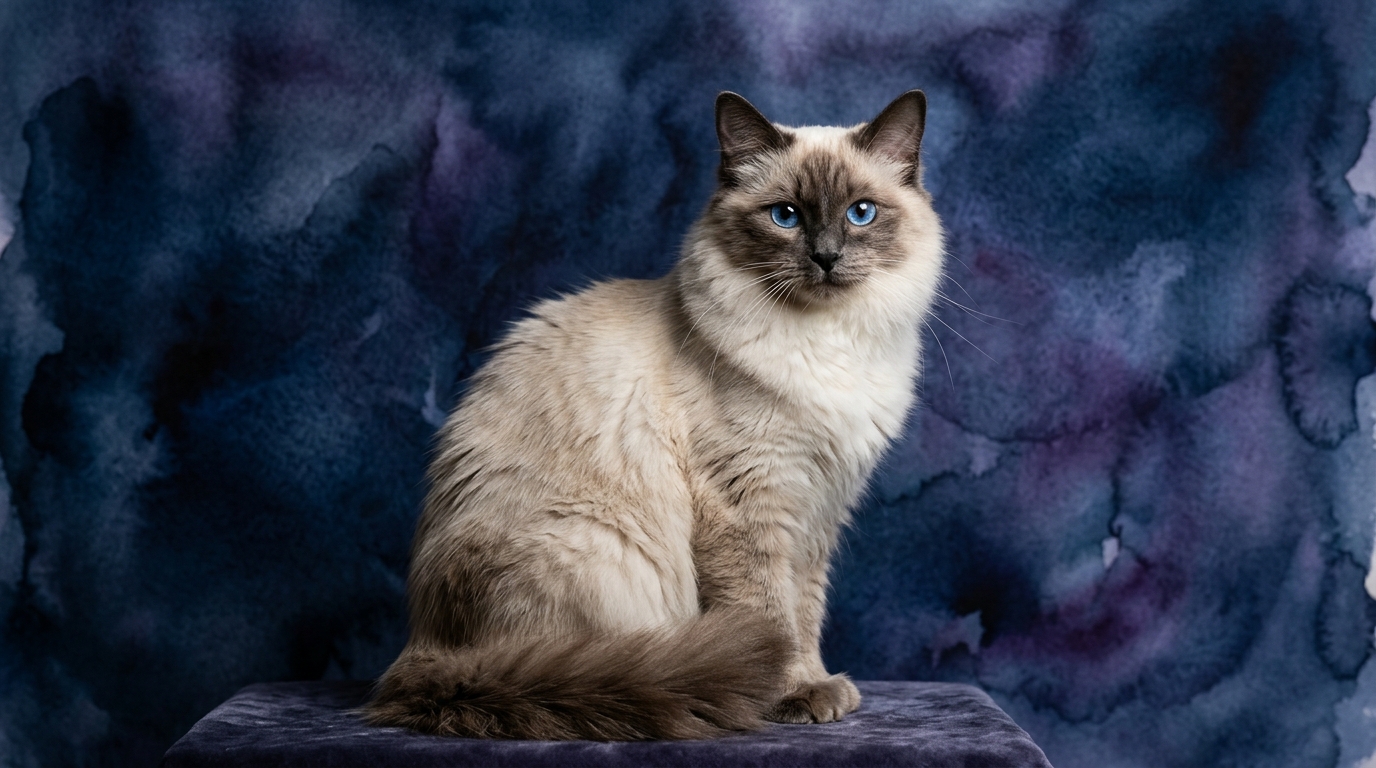
The Cosmic Pet Pet IQ Lab employs a five-dimensional framework to assess feline intelligence, offering a nuanced view beyond simplistic labels. For the Balinese, their profile reveals a cat with a keen mind, marked by a Problem Solving score of 4/5, indicating an aptitude for navigating novel situations and figuring out complex tasks. Their Training Speed, rated 5/5, suggests a remarkable capacity for rapid learning and an eagerness to engage in structured activities. Social Intelligence, also at 5/5, highlights their profound ability to interpret human cues, form deep bonds, and participate in intricate social dynamics. An Instinctive Drive of 3/5 points to a moderate inclination for hunting-like behaviors, often channeled into interactive play, while their Memory, at 4/5, indicates a strong ability to retain routines, commands, and past experiences.
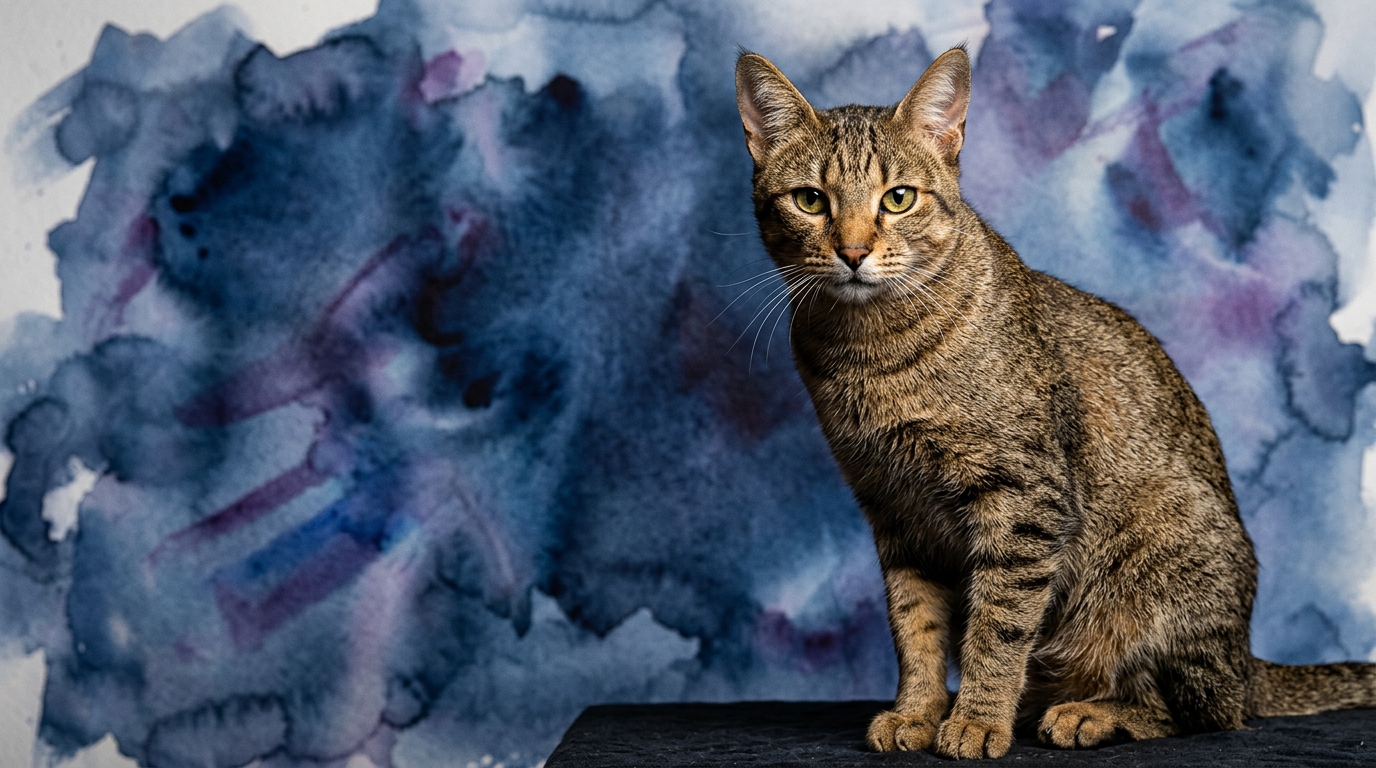
In contrast, the Chausie presents a distinct cognitive landscape, reflecting its wild cat ancestry. Their Problem Solving score of 3/5 suggests they are capable of navigating challenges but may prefer more direct or instinct-driven solutions over elaborate strategizing. A Training Speed of 3/5 means they can learn, but typically require more patience, repetition, and motivation, often driven by their own interests rather than a strong desire to please. Their Social Intelligence, also 3/5, implies they form bonds, but may exhibit a more independent nature, less inclined to intricate human-cat communication or constant companionship. Like the Balinese, their Instinctive Drive registers at 3/5, but this often manifests in more pronounced hunting behaviors and a strong desire for physical activity. Finally, their Memory score of 3/5 indicates they recall information, though perhaps not with the same detailed retention or for as long in complex scenarios as their Balinese counterparts.
Where the Balinese Shines Cognitively
The Balinese demonstrates a clear cognitive advantage in several key areas, making them particularly engaging companions for those seeking a highly interactive cat. Their superior Problem Solving (4/5) means they are more likely to independently figure out how to open doors, access hidden treats, or navigate complex environments. Owners might observe them strategizing to retrieve a toy from an inaccessible spot or quickly adapting to new puzzle feeders, showcasing a proactive approach to challenges.
The Balinese's exceptional Training Speed (5/5) is a significant differentiator. This translates into a cat that can learn an impressive array of commands and tricks with relative ease and speed. They are often quick to grasp concepts like 'sit,' 'stay,' or even more complex sequences, responding enthusiastically to positive reinforcement. This rapid absorption of new information makes them highly amenable to clicker training and other advanced forms of feline education. Furthermore, their high Social Intelligence (5/5) means they are adept at reading human emotions and intentions, often responding with comforting purrs during distress or initiating play when sensing an owner's availability. They thrive on close companionship, often seeking out interaction and engaging in communicative 'conversations' with their human family. Their strong Memory (4/5) reinforces these traits, allowing them to consistently recall learned behaviors and routines, ensuring a predictable and responsive companionship.
Where the Chausie's Unique Profile Offers Advantages
While the Chausie’s numerical scores may be lower in some cognitive dimensions compared to the Balinese, their distinct blend of traits offers particular advantages, especially for owners who appreciate a more independent and physically robust companion. Their Instinctive Drive, rated at 3/5, mirrors the Balinese but is often rooted in their wild heritage, manifesting as a powerful natural athleticism and a strong desire for purposeful activity. This means they excel in pursuits that mimic hunting, such as chasing laser pointers or engaging in vigorous play with feather wands, providing intense, fulfilling physical outlets. For owners seeking a cat that can channel its energy into active, independent exploration and play, the Chausie's natural prowess in these areas can be a significant 'win'.
Moreover, the Chausie’s moderate scores in Problem Solving (3/5), Training Speed (3/5), and Social Intelligence (3/5) can be seen as beneficial for specific lifestyles. A cat with a 3/5 in problem-solving might be less inclined to outsmart complex childproof latches or consistently open forbidden cupboards, potentially leading to fewer mischievous escapades. Their moderate social intelligence means they offer companionship without the intense, constant demand for interaction that some higher-scoring breeds might exhibit, making them well-suited for owners who appreciate a cat that is present and affectionate but also content with periods of self-directed activity. This independent streak, while requiring more patience in training, can translate into a less 'needy' companion, offering a different, yet equally rewarding, form of feline relationship.
Training Aptitude: Balinese vs. Chausie
When it comes to ease of training, the Balinese clearly stands out due to its impressive 5/5 Training Speed and equally high 5/5 Social Intelligence. These combined traits mean the Balinese is not only quick to understand and perform new commands but also genuinely enjoys the interactive process of learning with its human. They often respond well to verbal cues and hand signals, and their eagerness to engage makes positive reinforcement highly effective. A Balinese is more likely to view training as a fun, bonding activity, resulting in rapid acquisition of tricks, leash training, or even complex agility courses. Their capacity for social understanding allows them to tune into their owner's moods and intentions, making communication during training remarkably fluid.
The Chausie, with 3/5 in both Training Speed and Social Intelligence, requires a different approach to training. They are capable of learning, but their more independent nature means they are less likely to be driven by a desire to please. Training a Chausie often demands significant patience, consistency, and a deep understanding of their motivations, which are typically centered around play, food, or satisfying their natural instincts. Owners might find that while a Chausie can be trained to walk on a leash or come when called, the process will be slower and require more creative reinforcement strategies. Their training journey is often about building a strong bond based on mutual respect and understanding their intrinsic drives, rather than relying on their eagerness for social interaction to facilitate learning.
Matching Owners: Active vs. Relaxed Lifestyles
The Balinese is an ideal companion for active owners who thrive on deep interaction and engagement with their pets. Their high social intelligence and training speed mean they flourish in environments where they receive consistent mental stimulation and companionship. Owners who enjoy teaching tricks, engaging in interactive games like fetch, or simply having a communicative 'conversation' partner will find the Balinese incredibly rewarding. They require an owner willing to invest time in play, training, and affection, as their cognitive profile suggests they can become bored or lonely without adequate attention. A Balinese will often seek out human company, making them perfect for individuals or families who are frequently home and eager to include their feline in daily activities.
Conversely, the Chausie is better suited for owners who appreciate a more independent cat but are still committed to providing ample opportunities for physical activity. Their moderate social intelligence means they are affectionate but less demanding of constant human interaction, making them a good fit for owners with busier schedules who can still dedicate specific times for vigorous play. Owners who enjoy observing a cat's natural athleticism and providing enriching environments for exploration, such as secure outdoor enclosures or catio access, will find the Chausie a fulfilling companion. While they benefit from companionship, their inherent self-reliance means they are often content to entertain themselves, making them suitable for those who prefer a cat that balances affection with a strong sense of autonomy.
The Verdict: When to Choose Each
The Verdict
Choose the Balinese if you desire a highly interactive, communicative, and rapidly trainable companion eager to participate in your daily life and form deep emotional bonds.
Opt for the Chausie if you appreciate a more independent, physically active cat with strong natural instincts, and are prepared to engage them through vigorous play and exploration.
🧠 Find Your Pet's IQ Score
Our Pet IQ Lab assessment covers 25+ tests across 5 cognitive dimensions — personalized to your breed.
Take the Full IQ Test →Frequently Asked Questions
How does Balinese social intelligence impact their behavior?
The Balinese's 5/5 social intelligence means they are exceptionally attuned to human emotions and cues, often initiating interactions, 'talking' to their owners, and forming very strong, demonstrative bonds. They thrive on companionship and active participation in family life.
What does a Chausie's 3/5 problem-solving score imply for owners?
A Chausie's moderate problem-solving score suggests they might approach challenges with more direct, instinctual methods rather than elaborate strategizing. Owners might find them less prone to figuring out complex locks or persistent mischief, preferring simpler solutions or relying on their physical prowess.
Can Chausies be trained, despite their moderate training speed?
Yes, Chausies can certainly be trained, but their 3/5 training speed means it requires more patience, consistency, and understanding of their motivations. Positive reinforcement using high-value treats or engaging play is key, as they are less driven by a desire to please and more by their own interests.