
A Side-by-Side Look at Cognitive Profiles
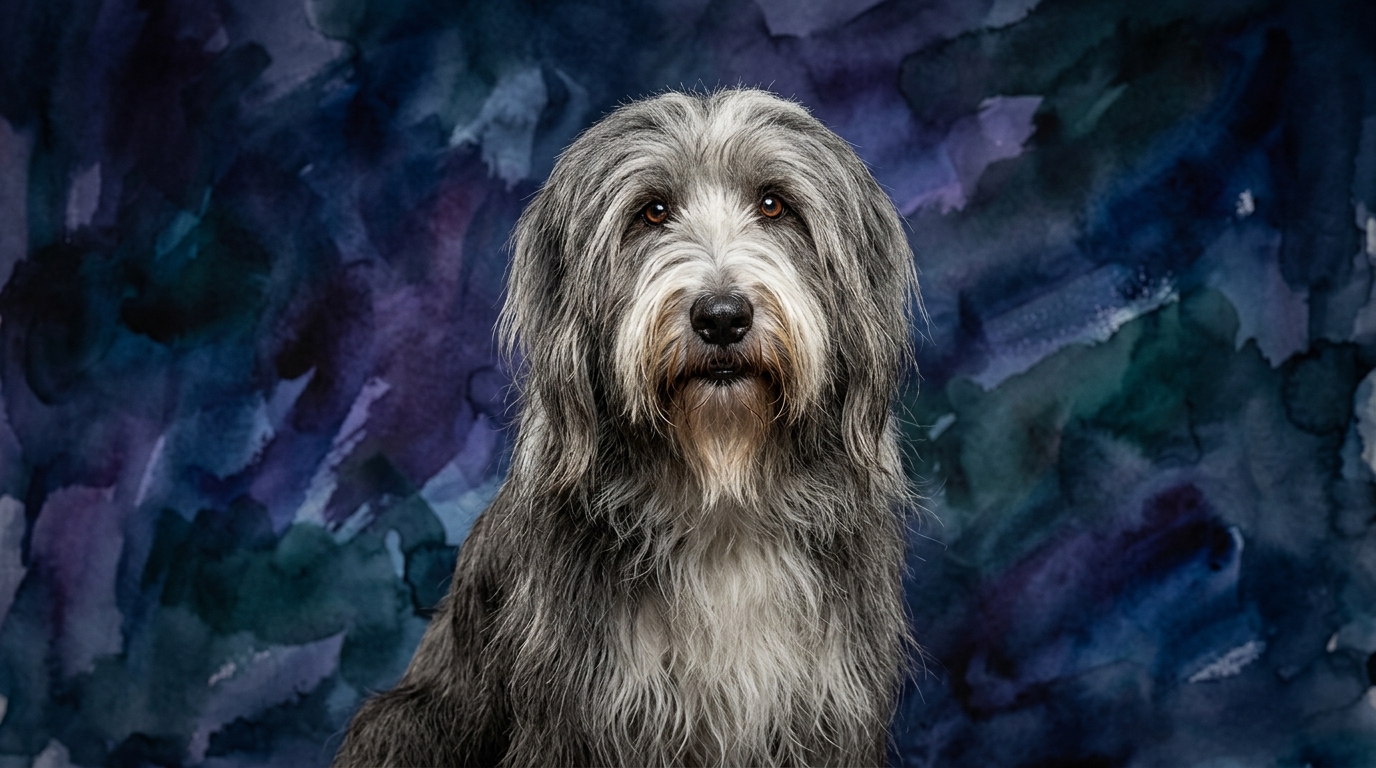
At The Cosmic Pet Pet IQ Lab, we evaluate cognitive abilities across five key dimensions. For the Bearded Collie, a Herding breed ranked #34 by Coren, we see a profile geared towards adaptable work. Their Problem Solving is rated at 4/5, reflecting a capacity for quick assessments and flexible strategies in dynamic environments. Training Speed also scores 4/5, indicating an eagerness to engage and a rapid grasp of new concepts. Social Intelligence sits at 3/5, suggesting a balanced understanding of human cues while retaining some independence. Instinctive Drive is 3/5, manifesting as a focused herding energy rather than an overwhelming compulsion. Finally, their Memory is strong at 4/5, crucial for recalling routes, patterns, and learned commands.
The Bluetick Coonhound, a Hound breed not ranked by Coren, presents a profile optimized for specialized tasks. Their Problem Solving is 3/5, primarily focused on deciphering complex scent trails rather than abstract puzzles. Training Speed is 3/5; while capable of learning, their motivation often lies in following their nose. Social Intelligence is 3/5, supporting cooperative work and harmonious living within a family. Their Instinctive Drive is also 3/5, profoundly centered on scent work, which can override other stimuli with tenacious focus. Memory is rated 3/5, functional for tracking work and associating actions with outcomes, particularly those tied to their natural instincts.
Where the Bearded Collie's Mind Shines
The Bearded Collie's cognitive profile, particularly its Problem Solving (4/5) and Training Speed (4/5) scores, positions it as an adaptable and receptive learner. Unlike breeds whose cognition is singularly focused, the Bearded Collie demonstrates a broader capacity for abstract thought and flexible learning. Their historical role as independent herders required them to make quick decisions, often without direct human instruction, to manage flocks. This translates into a dog that can quickly grasp new concepts, whether it's navigating an agility course, learning complex trick sequences, or understanding nuanced household rules. Their strong Memory (4/5) further enhances this, allowing them to retain vast amounts of information and build upon previous training without significant refreshers. This combination makes them adept at navigating novel situations and picking up sophisticated behaviors, showing a capacity for varied mental challenges.
The Bluetick Coonhound's Distinct Cognitive Strengths
While the Bluetick Coonhound's numerical scores might appear lower in some general cognitive areas, their profile is optimized for a very specific and demanding task: scent tracking. Their Problem Solving (3/5) is not about solving abstract puzzles, but about meticulously deconstructing and following complex scent trails, often over vast distances and varied terrains. This requires immense focus, perseverance, and the ability to filter out irrelevant sensory input — a cognitive feat in itself. Their Instinctive Drive (3/5) is a powerful asset here, fueling their relentless pursuit and enabling them to work independently for extended periods. This isn't a lack of cognitive capacity, but a different manifestation of it, prioritizing deep sensory processing and unwavering dedication to a primary goal. Their moderate Social Intelligence (3/5) means they are capable of working cooperatively in a pack or with a human handler, understanding their role within a team while maintaining the independent focus necessary for a successful hunt. Their cognitive makeup defines them as persistent, dedicated specialists.
Training Dynamics: Who Learns Faster?
When comparing training ease, the Bearded Collie (Training Speed 4/5, Problem Solving 4/5) generally presents as the more straightforward student. Their eagerness to engage with their human companions, combined with a quick grasp of new concepts, means they often pick up commands and routines rapidly. They thrive on interactive training sessions and respond enthusiastically to positive reinforcement, seeing training as a collaborative puzzle. This makes them excellent candidates for advanced obedience, canine sports, and complex trick training. Their capacity to retain information (Memory 4/5) significantly reduces the need for constant repetition.
In contrast, the Bluetick Coonhound (Training Speed 3/5, Problem Solving 3/5) requires a different approach. Their primary motivation is often driven by their nose, and a compelling scent can easily override other stimuli. While perfectly capable of learning, their training often demands more patience, consistency, and creativity from the owner. Training must be framed in a way that either leverages their tracking instincts or makes compliance more rewarding than following a scent. For instance, recall training for a Bluetick might involve high-value rewards and consistent practice in varied environments to compete with the allure of a captivating odor. Their independence, a valuable trait in a tracking dog, means they might not always prioritize human directives over their own sensory explorations, making sustained focus a training challenge.
Matching Cognitive Needs to Lifestyles
For owners seeking a partner in various canine activities, the Bearded Collie's adaptable cognitive profile makes it an excellent match. Their need for regular mental stimulation, evidenced by their problem-solving and memory scores, means they excel in environments offering consistent engagement through training, puzzles, and interactive play. They thrive with owners who enjoy teaching new skills, participating in dog sports like agility or rally obedience, or even engaging in herding activities. A relaxed owner who offers minimal mental stimulation might find a Bearded Collie inventing their own 'problems' to solve, potentially leading to undesirable behaviors born of boredom.
The Bluetick Coonhound, on the other hand, suits owners who appreciate and can channel their profound instinctive drive. These dogs require significant physical exercise that allows them to use their noses. Long walks, hikes in varied terrain, or participation in scent work and tracking sports are ideal outlets. A relaxed owner who cannot provide these outlets will likely encounter a frustrated Bluetick whose pent-up energy and unfulfilled drive might manifest as baying, destructive chewing, or attempting to follow scents out the door. Their cognitive satisfaction comes from fulfilling their intrinsic purpose, not necessarily from learning complex tricks, but from the dedicated pursuit of a scent.
The Verdict
Choose a Bearded Collie if you seek an adaptable, mentally agile companion eager to learn a wide range of skills and participate in varied canine sports, thriving on consistent interactive engagement. They are best suited for owners who enjoy providing regular, diverse mental stimulation.
Opt for a Bluetick Coonhound if you appreciate a dedicated, persistent companion whose greatest joy lies in following a scent trail, and you can provide ample opportunities for physical exercise and scent-based activities. They are ideal for owners who can channel their deep instinctive drive.
🧠 Find Your Pet's IQ Score
Our Pet IQ Lab assessment covers 25+ tests across 5 cognitive dimensions — personalized to your breed.
Take the Full IQ Test →Frequently Asked Questions
Do Bearded Collies need a lot of exercise?
Yes, Bearded Collies are active dogs with a strong herding background, requiring both physical activity and significant mental engagement. Daily walks, playtime, and regular training sessions are essential to keep their minds and bodies healthy and prevent boredom.
Are Bluetick Coonhounds good family pets?
Bluetick Coonhounds can make affectionate and loyal family pets, generally getting along well with children and other animals, especially if socialized early. However, their strong prey drive and need for extensive exercise mean they thrive in active homes that understand their specific needs.
How do I keep a Bluetick Coonhound from running off on a scent?
Consistent, high-value recall training from a young age is paramount, along with secure fencing and leash walks in unfenced areas. Engaging them in scent work or tracking sports can also help channel their natural drive in a controlled environment, reducing the urge to follow wild scents independently.