
Side-by-Side Cognitive Profiles
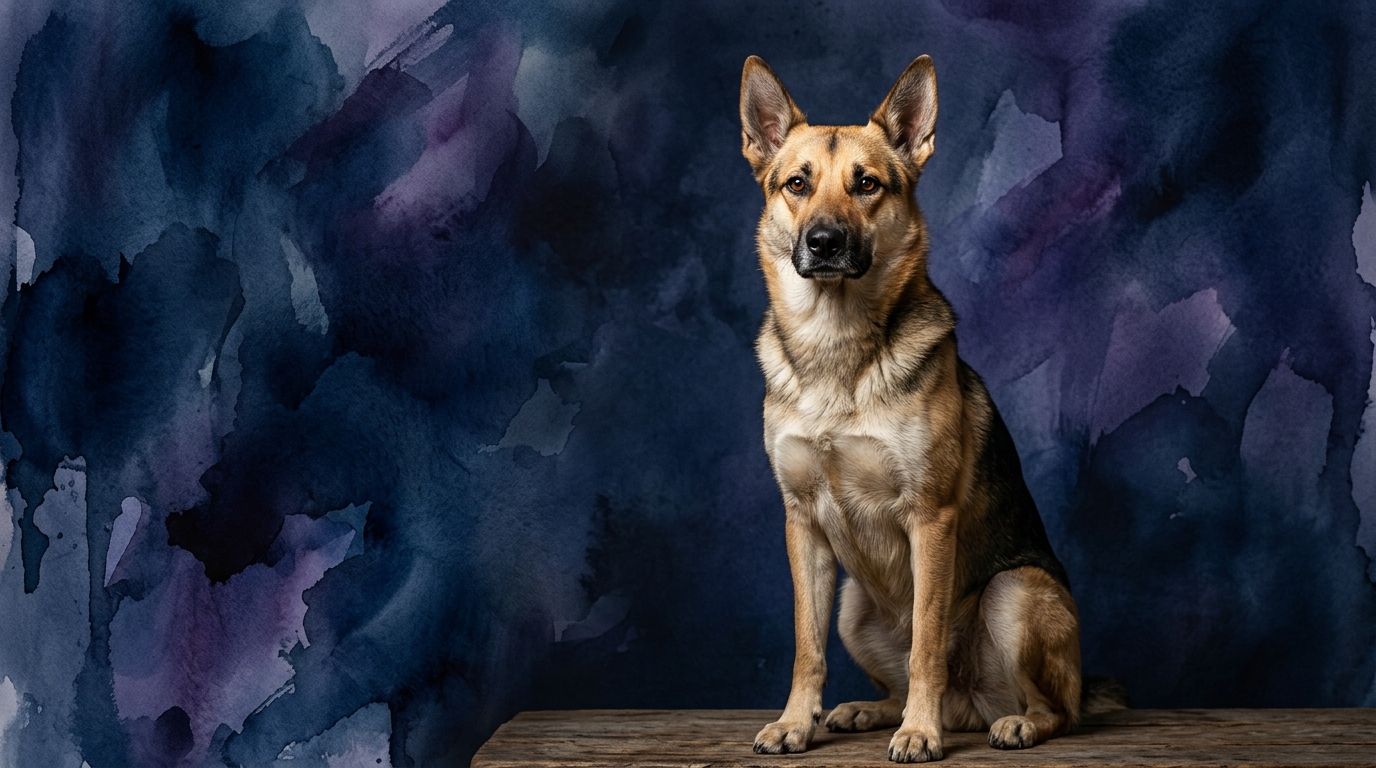
The Canaan Dog, an ancient breed with a Coren rank of #43, exhibits a cognitive profile sculpted by centuries of semi-feral existence and herding duties. Their Problem Solving is rated 3/5, indicating a resourceful mind capable of navigating challenges independently, often relying on their own judgment rather than immediate human direction. Training Speed, also at 3/5, suggests they learn at a moderate pace, but their self-sufficient nature means consistent, engaging methods are crucial to maintain their focus and cooperation. Social Intelligence, another 3/5, points to their ability to understand and interact within social structures, though they tend to be reserved and discerning rather than overtly gregarious, forming deep bonds with their inner circle. Their Instinctive Drive, 3/5, reflects a balanced set of innate behaviors, encompassing their herding roots and their keen awareness of their surroundings. A standout trait is their Memory, rated 4/5, which allows them to retain complex information, routines, and past experiences with remarkable clarity, an essential attribute for survival in their ancestral environments.
The Dogue de Bordeaux, a robust working breed without a specific Coren rank, presents a cognitive landscape shaped by its history as a guardian, hunter, and companion. Their Problem Solving capacity is rated 3/5, demonstrating a practical ability to assess situations and react, often with a directness characteristic of protective breeds. Training Speed, also at 3/5, indicates they absorb new commands at a steady rate, with their strong desire to please their family often contributing to their willingness to learn, provided the training is patient and positive. Their Social Intelligence, 3/5, allows them to accurately read human and canine cues, fostering deep loyalty within their family unit while maintaining a watchful and often reserved demeanor towards strangers. Instinctive Drive, rated 3/5, reflects a balanced temperament, with their natural guarding instincts being present but not overwhelming, allowing them to be calm and observant. Their Memory is rated 3/5, showing a solid ability to recall learned behaviors, household routines, and the individuals within their trusted circle, though perhaps not with the exceptional detail seen in the Canaan Dog.
Where the Canaan Dog Excels Cognitively
The Canaan Dog's most significant cognitive advantage, as indicated by The Cosmic Pet Pet IQ Lab data, lies in their superior Memory, scoring 4/5 compared to the Dogue de Bordeaux's 3/5. This enhanced capacity for recall translates into a breed that can retain training commands and complex sequences over extended periods, making them excellent candidates for advanced obedience or specialized scent work once their cooperation is secured. Their exceptional memory also contributes to their remarkable environmental awareness; they are adept at remembering specific routes, the locations of resources, or potential threats, a vital skill honed through generations of independent survival. This cognitive strength means they can learn from past experiences more deeply, whether it's avoiding a specific unpleasant situation or remembering a hidden treat spot. For owners, this translates into a companion who can build a rich mental map of their world and apply past lessons to new scenarios with impressive accuracy.
Where the Dogue de Bordeaux Shows Unique Strengths
While the Dogue de Bordeaux doesn't show a numerical advantage in any single cognitive dimension, their unique strengths emerge in the purposeful application of their balanced 3/5 scores, particularly in Social Intelligence and Instinctive Drive, within their guardian role. Their problem-solving, though rated equally, is often channeled into assessing and reacting to perceived threats with a calm, decisive presence, a specific form of practical cognition. The Dogue de Bordeaux excels in discerning who belongs and who doesn't, relying on subtle social cues and a deep bond with their family to inform their protective instincts. Their social intelligence is geared towards understanding the nuances of their human family's needs and responding with unwavering loyalty, a cognitive output that is less about independent problem-solving and more about devoted partnership. This breed's collective cognitive traits, when combined with their impressive physical presence, create a formidable and discerning guardian whose intelligence is deeply rooted in their connection to their human pack.
Training Dynamics: Compliance vs. Independence
Comparing the ease of training between these two breeds, both rated 3/5 for Training Speed, requires understanding their distinct behavioral underpinnings. The Canaan Dog, despite its superior memory, often presents a training challenge due to its inherent independence and self-reliance, legacies of its pariah origins. They might grasp commands quickly but require significant motivation and consistency to reliably execute them, as they are prone to evaluating whether a command serves their own interests. Training a Canaan Dog demands creativity, patience, and a deep understanding of positive reinforcement to cultivate cooperation rather than coercion. In contrast, the Dogue de Bordeaux, while equally rated in training speed, often proves more compliant due to their profound desire to bond with and please their human family. Their formidable size necessitates early and consistent training, but once trust is established and commands are understood, their loyalty encourages a willingness to obey. They respond well to clear, fair leadership and positive reinforcement, often eager to participate in activities that strengthen their connection with their owner. Therefore, while both learn at a similar pace, the Dogue de Bordeaux's inherent drive for partnership often makes the training journey feel more straightforward and less resistant than with the independent Canaan Dog.
Matching Canine Cognition to Owner Lifestyle
The activity levels and cognitive engagement required by these breeds diverge significantly, aligning them with different owner lifestyles. The Canaan Dog, with its herding heritage and independent problem-solving, thrives with active owners who can provide consistent mental and physical stimulation. They benefit immensely from activities such as agility, obedience trials, scent work, or extensive hikes that engage their sharp minds and energetic bodies. An owner who can channel their natural curiosity and drive will prevent boredom and potential destructive behaviors. Their self-sufficient nature means they appreciate having a 'job' or regular engaging routines. Conversely, the Dogue de Bordeaux, a working breed with a guardian's temperament, generally suits more relaxed owners. While they require regular, moderate exercise to maintain their health and muscular physique, they are not typically high-endurance athletes. They are often content with daily walks and playtime in a secure yard, preferring to spend much of their time relaxing alongside their family. Their cognitive needs are met through social interaction, clear communication within their family unit, and opportunities to observe and protect their home, rather than constant high-intensity tasks. They are watchful but not restless, making them suitable for individuals or families who appreciate a calm, devoted, and imposing presence without the demand for constant strenuous activity.
The Verdict
Choose the Canaan Dog if you are an experienced owner seeking an independent, highly observant companion with exceptional memory, prepared to engage a nuanced mind with consistent, stimulating training and varied activities.
Opt for the Dogue de Bordeaux if you desire a devoted, protective, and relatively calm companion, valuing a strong bond and committed to early socialization and consistent, patient training for a large breed.
🧠 Find Your Pet's IQ Score
Our Pet IQ Lab assessment covers 25+ tests across 5 cognitive dimensions — personalized to your breed.
Take the Full IQ Test →Frequently Asked Questions
Are Canaan Dogs suitable for first-time dog owners?
Canaan Dogs are not typically recommended for first-time owners due to their independent nature and strong will. Their intelligence and memory require consistent, experienced guidance to channel their self-sufficient tendencies into cooperative behaviors, making them better suited for those with prior dog ownership experience.
How much exercise does a Dogue de Bordeaux need daily?
A Dogue de Bordeaux generally requires moderate daily exercise, typically consisting of one or two brisk walks totaling 30-60 minutes, along with some playtime in a secure area. While they are large, they are not high-energy endurance dogs and prefer to relax with their family once their exercise needs are met.
What is the importance of early socialization for a Dogue de Bordeaux?
Early and extensive socialization is crucial for a Dogue de Bordeaux to ensure they develop into well-adjusted adults. Exposing them to various people, places, sounds, and other animals from a young age helps temper their natural guardian instincts, fostering confidence and appropriate discernment rather than excessive wariness or aggression towards strangers.