Side-by-Side IQ Profile: Canaan Dog vs. Kooikerhondje
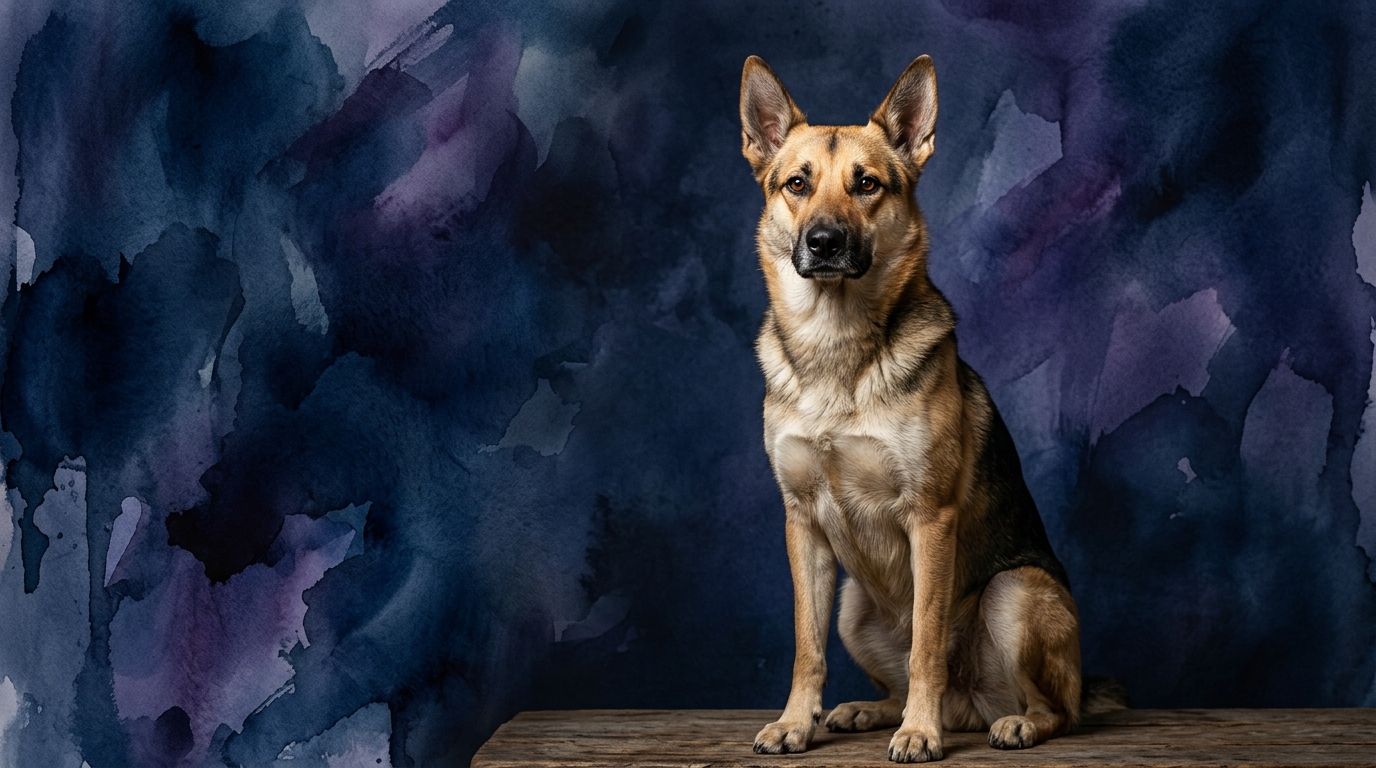
The Cosmic Pet Pet IQ Lab employs a five-dimensional framework to assess canine intelligence, providing a granular view beyond simple rankings. For the Canaan Dog, we observe specific strengths and moderate aptitudes across the board, reflecting its ancient, self-sufficient heritage. Its Problem Solving is rated 3/5, indicating a practical capacity to navigate challenges, often through observation and trial-and-error, a trait honed by centuries of independent survival. Training Speed also sits at 3/5; while capable of learning, their independent nature means consistency and positive reinforcement are paramount for engagement, as they may question repetitive drills. Social Intelligence is 3/5, manifesting as a discerning awareness of their immediate social circle and a cautious approach to strangers, requiring careful socialization to foster appropriate interactions. Their Instinctive Drive is 3/5, robustly encompassing herding, guarding, and territorial instincts, necessitating constructive outlets. However, the Canaan Dog truly stands out in Memory, achieving an impressive 4/5, allowing them to retain complex information, routines, and experiences over long periods, profoundly influencing their future behavior.
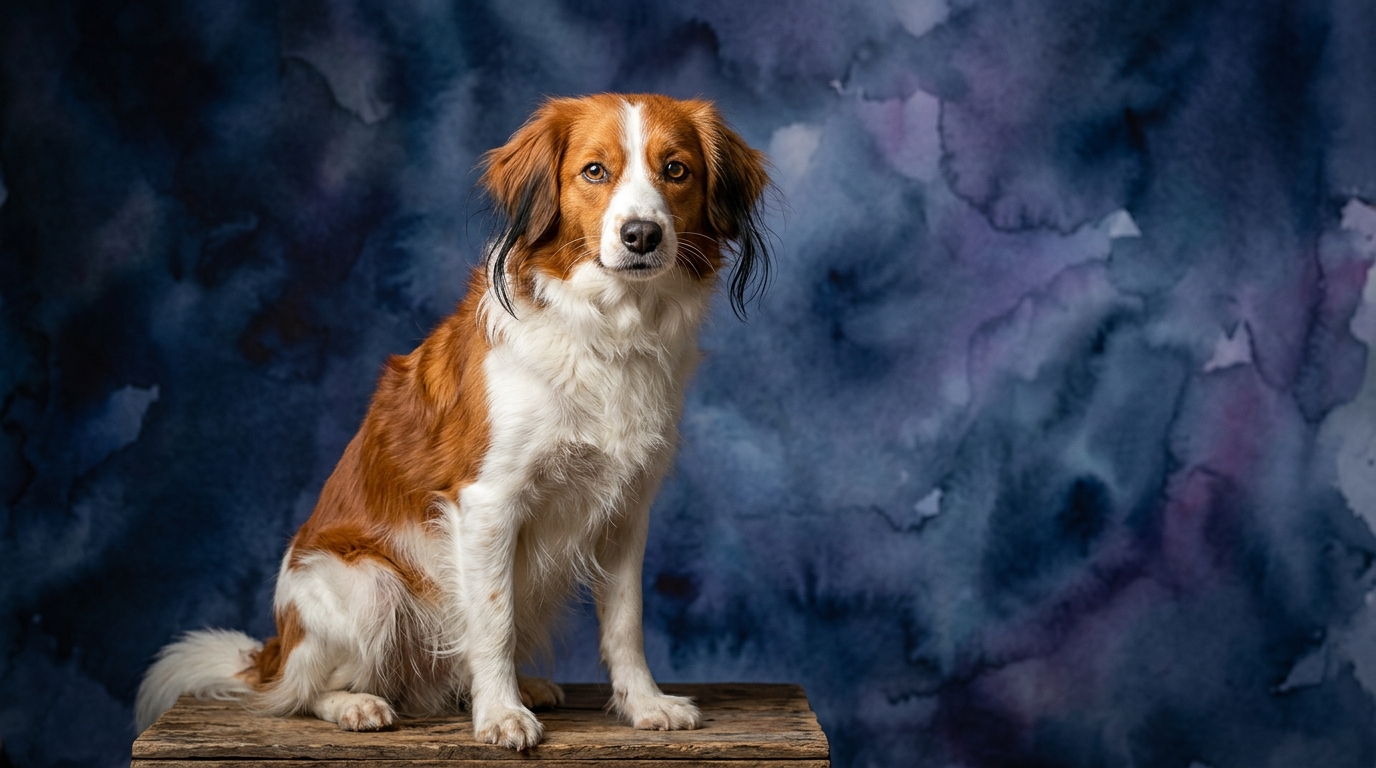
The Kooikerhondje, while not Coren-ranked, presents a unique cognitive profile rooted in its specialized historical role. Its Problem Solving is also 3/5, demonstrating an aptitude for tasks involving observation and pattern recognition, particularly in goal-oriented activities like puzzle toys or scent work. Training Speed, matching the Canaan Dog at 3/5, highlights a willing student who, despite being eager to please, can be sensitive to harsh methods and requires engaging, positive reinforcement to maintain focus and build confidence. Social Intelligence is rated 3/5, reflecting their empathetic nature within the family unit and their attunement to human emotions, though they often exhibit reservation or shyness around unfamiliar individuals. The Kooikerhondje's Instinctive Drive is likewise 3/5, primarily centered on its traditional role as a luring dog, manifesting as natural curiosity and a desire for playful, purposeful engagement with its environment, often involving retrieving and discovery. Their Memory scores 3/5, indicating a solid ability to retain learned commands, routines, and past interactions, sufficient for mastering a wide array of skills and adapting to a structured home life.
Comparing these dimensions reveals both similarities and subtle distinctions. Both breeds demonstrate moderate problem-solving and training speed, suggesting they are capable learners but require thoughtful, tailored approaches. Their social intelligence, while rated the same, expresses itself differently – the Canaan Dog with discerning caution, the Kooikerhondje with empathetic sensitivity. Instinctive drives are equally strong but differ in their historical purpose, one towards herding and guarding, the other towards luring and retrieving. The most significant divergence lies in memory, where the Canaan Dog shows a clear cognitive edge, a trait that underpins much of its independent decision-making and learning capacity.
Where the Canaan Dog Wins Cognitively
The Canaan Dog's superior memory, scoring 4 out of 5, is its undeniable cognitive advantage over the Kooikerhondje's 3/5. This exceptional recall allows them to absorb and retain a vast amount of information, from complex training sequences to intricate environmental details and the nuances of past social encounters. This cognitive strength means a Canaan Dog is less likely to forget learned behaviors or boundaries, provided the initial learning was solid and consistent, making them excellent candidates for advanced obedience, agility, or even specialized working roles where consistent recall is critical.
This enhanced memory also fuels the Canaan Dog's remarkable adaptability and self-sufficiency, traits essential for its survivalist heritage. They can remember the layout of extensive territories, the location of resources, or potential threats with precision, navigating complex environments with confidence and minimal human intervention. This capacity for long-term retention of spatial and experiential data allows them to make informed decisions based on past lessons, contributing to their discerning judgment and independent problem-solving approach in real-world scenarios.
While both breeds score 3/5 in problem-solving, the Canaan Dog's manifestation often includes a greater degree of independent thought and initiative. Their solutions frequently blend cleverness with self-reliance, reflecting their deep-seated capacity for independent decision-making. This means they are adept at devising unique strategies to achieve their goals, sometimes without direct human input, showcasing a cognitive independence that, while challenging in training, is a profound intellectual strength when channeled appropriately.
Where the Kooikerhondje Wins Cognitively
While both breeds share a 3/5 in social intelligence, the Kooikerhondje's expression often leans towards a more nuanced emotional sensitivity and a profound desire for close companionship. Their social acumen is particularly evident in their ability to attune to their owner's emotional state, offering comfort or seeking interaction based on subtle human cues. This makes them highly empathetic companions, often forming very strong, almost intuitive bonds with their primary caregivers, excelling at reading family members and responding in ways that foster harmony and connection within the home.
The Kooikerhondje's instinctive drive, also rated 3/5, is specifically tailored to its historical luring role, which demands a focused, playful, and persistent engagement with tasks. This drive is often channeled into specific, repetitive, yet engaging activities, meaning they can exhibit exceptional focus and dedication when performing tasks related to their natural inclinations, such as retrieving games or scent work. Their cognitive 'win' here is in the specialized application of their drive, leading to a highly motivated and effective approach to particular types of work or play, often with a joyful intensity.
Additionally, the Kooikerhondje's problem-solving, while scoring 3/5 like the Canaan Dog, often benefits from a greater willingness to work collaboratively with a human partner. Their inherent desire to please and their sensitive nature can make them more receptive to human guidance when tackling puzzles or new challenges. They are often keen observers of human demonstration and can replicate actions more readily, making them effective learners in scenarios where human-dog teamwork is paramount. This collaborative problem-solving style is a subtle but significant cognitive advantage in many modern pet environments where joint activities are favored.
Which is Easier to Train and Why
Both the Canaan Dog and the Kooikerhondje score 3 out of 5 for training speed, indicating that neither is inherently 'easy' nor 'difficult' to train, but their approaches and challenges diverge significantly due to their distinct behavioral predispositions. The Kooikerhondje, with its inherent desire to please and sensitive nature, generally responds very well to positive reinforcement and consistent, gentle guidance. They tend to be more eager to engage in training sessions, especially if they are fun and rewarding, and are less likely to directly challenge authority, making them a more straightforward training partner for many.
The Canaan Dog, conversely, brings a strong independent streak to the training arena. Their heritage as a self-sufficient desert dog means they are accustomed to making their own decisions and can be less inclined to blindly follow commands. While they learn quickly due to their excellent memory, their willingness to perform depends heavily on their perception of the command's value and the strength of their bond with the trainer. Training a Canaan Dog requires a deep understanding of canine behavior, immense patience, and the ability to make training feel like a partnership rather than a subservient relationship, as they are not dogs that will perform merely to please.
Therefore, for a novice owner or someone seeking a more predictable and compliant training experience, the Kooikerhondje might be perceived as easier to train due to its more pliable temperament and eagerness to please. Their sensitivity, while requiring a gentle hand, means they are often more receptive to subtle cues and less likely to push boundaries. The Canaan Dog, while equally capable of learning, demands a more experienced and confident trainer who can navigate their independent spirit and establish clear, consistent leadership without resorting to force, making their training journey potentially more challenging but ultimately very rewarding for the right individual.
Which Suits Active Owners vs. Relaxed Owners
When considering lifestyle compatibility, both the Canaan Dog and the Kooikerhondje are active breeds, but their activity needs and preferred outlets differ significantly. The Canaan Dog, with its strong instinctive drives for herding, guarding, and exploration, thrives with owners who embrace a consistently active, outdoor-oriented lifestyle. They require significant physical exercise, such as long hikes, off-leash running in secure areas, or participation in dog sports like agility or herding trials, to satisfy their profound need for both mental and physical engagement.
A Canaan Dog left without sufficient activity and mental stimulation can become bored and potentially destructive, channeling their independent problem-solving skills into undesirable behaviors. Their historical role as a vigilant guardian also means they are naturally observant and alert, making them less suitable for purely 'relaxed' owners who prefer minimal interaction and exercise. Owners must be prepared to integrate their Canaan Dog into a daily active routine that includes both physical exertion and mentally stimulating tasks, providing appropriate outlets for their innate drives and preventing stagnation.
The Kooikerhondje, while also an active breed, typically has slightly less demanding exercise requirements than the Canaan Dog, offering a more balanced energy profile. Their historical role as a luring dog means they enjoy purposeful activity, such as retrieving games, scent work, or dog sports like obedience and agility. They thrive on regular walks, playtime in a securely fenced yard, and mental challenges that engage their problem-solving and focus, often enjoying the collaborative aspect of these activities with their human.
For a more relaxed owner, or one whose activity levels might fluctuate, the Kooikerhondje offers a more adaptable companion. They are often happy to curl up on the couch after a good walk and a training session, possessing a greater 'off-switch' for domestic comfort once their needs are met, whereas a Canaan Dog might still be looking for their next 'job'. However, it is crucial to note that 'relaxed' for a Kooikerhondje still implies daily exercise and mental engagement; they are not sedentary dogs, but they offer a good compromise for active families who also value downtime and affectionate companionship.
The Verdict
Choose the Canaan Dog if you are an experienced, confident owner seeking a highly independent, discerning companion with exceptional memory and a strong drive for purpose, capable of excelling in demanding activities and guarding.
Opt for the Kooikerhondje if you desire a sensitive, empathetic partner who thrives on collaborative tasks, possesses a good off-switch, and is eager to please, fitting well into an active family life with a balance of play and affection.
🧠 Find Your Pet's IQ Score
Our Pet IQ Lab assessment covers 25+ tests across 5 cognitive dimensions — personalized to your breed.
Take the Full IQ Test →Frequently Asked Questions
Do Canaan Dogs and Kooikerhondjes get along with other pets?
Canaan Dogs can be reserved with other animals, especially those outside their immediate family, due to their guarding instincts, requiring careful and early socialization to ensure harmonious integration. Kooikerhondjes are generally more adaptable but can be shy, so slow, positive introductions are key for fostering good relationships in multi-pet households.
Are either of these breeds good for first-time dog owners?
Neither breed is typically recommended for first-time dog owners due to their distinct needs and cognitive profiles. The Canaan Dog's independence and guarding instincts require experienced handling, while the Kooikerhondje's sensitivity and potential shyness demand a confident, patient, and consistent approach to training and socialization from their human companions.
How do their problem-solving abilities compare in everyday situations?
Both breeds score 3/5 in problem-solving, but their approaches differ. A Canaan Dog might independently figure out how to open a gate or find a hidden toy using clever, self-directed strategies, relying on its strong memory. A Kooikerhondje is more likely to solve a puzzle toy or learn a sequence of actions through observation and a desire to please, often benefiting from human guidance in complex scenarios due to its collaborative nature.