Side-by-Side Cognitive Profiles
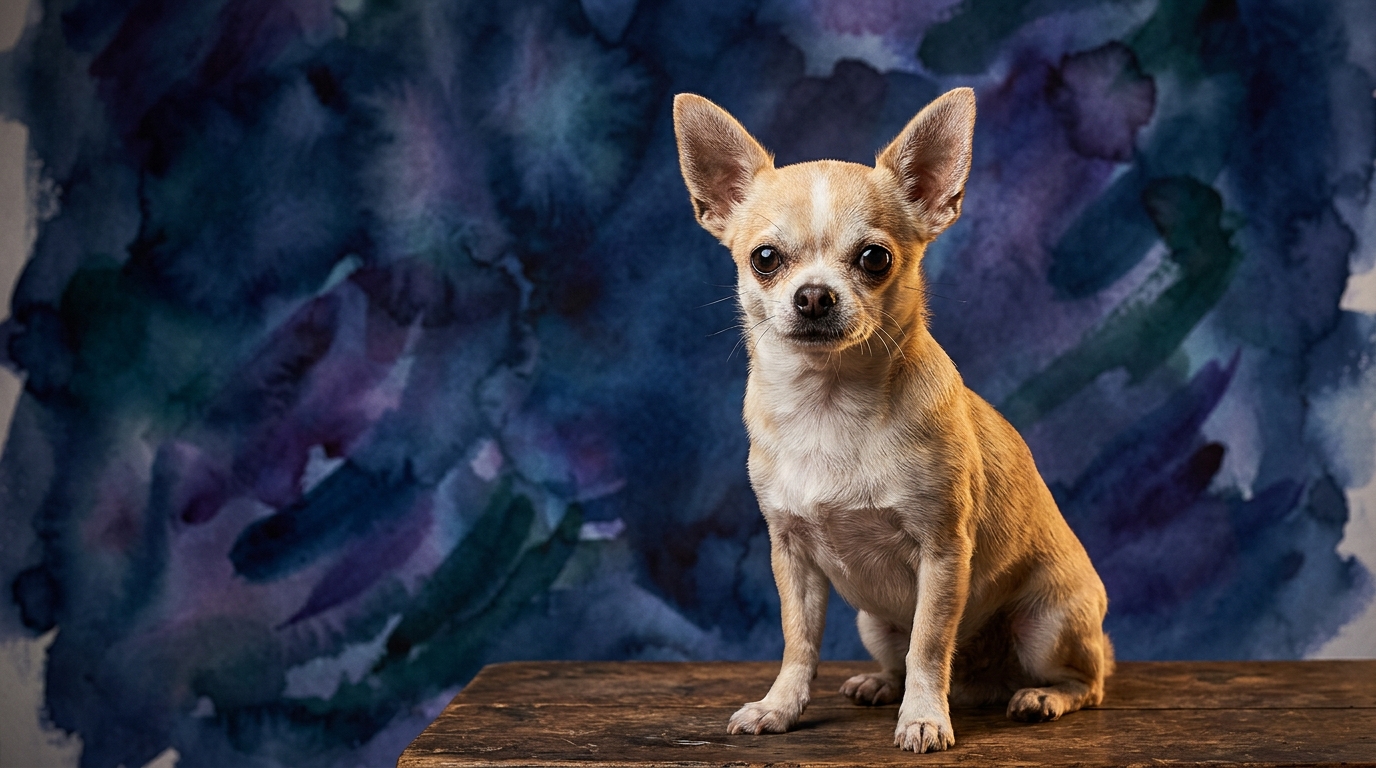
The Chihuahua, ranking #67 on the Coren scale, often surprises with its cognitive depth despite its compact stature. This Toy Group member excels not in brute force or complex command execution, but in nuanced social interaction and a sharp recall for personal experiences.
Its Problem Solving aptitude, rated 3/5, typically involves navigating its immediate environment to secure comfort or attention, such as figuring out how to get onto a favorite lap or retrieve a preferred toy from under furniture. Training Speed, also 3/5, indicates they learn new cues at a steady, average pace, thriving with consistent, positive reinforcement that capitalizes on their desire for connection. Where the Chihuahua truly shines is in Social Intelligence (4/5), displaying an exceptional ability to read human emotions and body language, often anticipating their owner's moods. Their Instinctive Drive (3/5) is moderately expressed, frequently manifesting as a protective vigilance over their territory or preferred person, rather than a strong prey drive. Finally, their Memory (4/5) is robust, allowing them to recall routines, specific individuals, and learned associations over extended periods, making them creatures of habit and deep attachment.
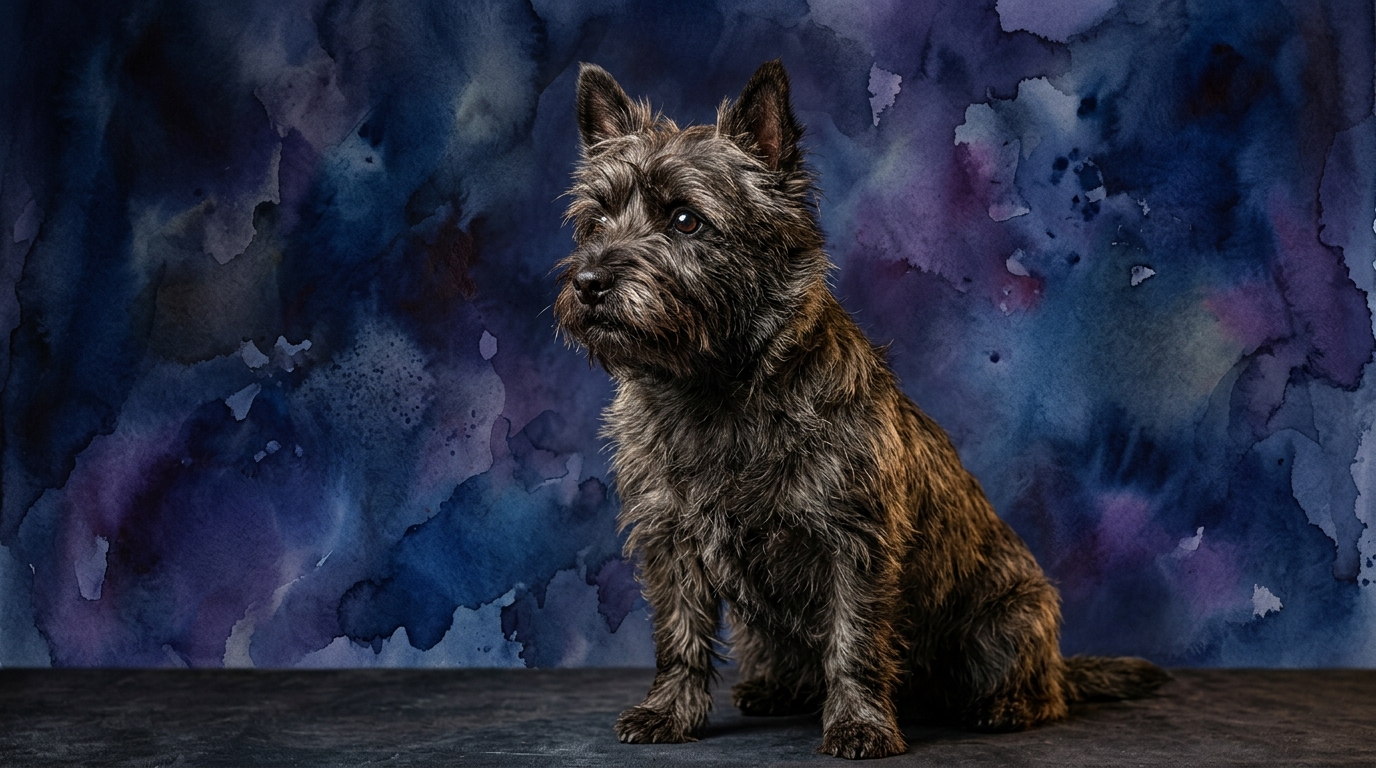
In contrast, the Cairn Terrier, a spirited member of the Terrier Group, holds a respectable #35 on the Coren scale, indicative of its above-average working and obedience capabilities. This breed is defined by its innate curiosity and an independent problem-solving spirit, reflecting its heritage as a working dog.
Their Problem Solving score of 4/5 highlights a significant aptitude for independent thought and resourcefulness; they are often observed methodically figuring out how to bypass barriers, locate hidden objects, or even manipulate their environment to their advantage. Training Speed, also 4/5, means Cairn Terriers tend to grasp new commands and concepts with impressive alacrity, often enjoying the mental stimulation that training provides. Social Intelligence, at 3/5, suggests they understand pack dynamics and human cues, but often maintain a greater degree of independence compared to the more people-centric Chihuahua. Their Instinctive Drive (3/5) is moderately strong, primarily expressed through a persistent desire to dig, explore, and investigate scents, remnants of their earthdog origins. Like the Chihuahua, their Memory is strong at 4/5, enabling them to retain complex sequences of commands and recall experiences, contributing to their adaptability and learning capacity.
Where the Chihuahua Wins Cognitively
The Chihuahua's cognitive strengths distinctly lean into the realm of social and emotional intelligence. With a 4/5 rating in Social Intelligence compared to the Cairn Terrier’s 3/5, Chihuahuas possess an almost uncanny ability to attune themselves to their human companions. They are masters at reading subtle shifts in tone, facial expressions, and body language, often reacting with empathetic responses or anticipating their owner's next move. For instance, a Chihuahua might instinctively offer comfort when its owner is distressed, or know precisely when a visitor is welcome versus when a warning bark is appropriate. This superior social acuity allows them to form incredibly deep, almost telepathic bonds, making them exceptional emotional support animals for those who value such close connection.
Their strong Memory (4/5), combined with this social intelligence, means they not only remember specific commands but also the context and emotional nuances of past interactions, reinforcing behaviors that lead to positive social outcomes and avoiding those that might displease their primary caregiver. They reliably remember who is 'safe' and who provides comfort, shaping their interactions accordingly and often displaying an impressive recall for routines and preferred interactions.
Where the Cairn Terrier Wins Cognitively
The Cairn Terrier's cognitive advantages are prominently displayed in its problem-solving abilities and rapid learning. Scoring 4/5 in Problem Solving against the Chihuahua’s 3/5, Cairn Terriers exhibit remarkable ingenuity and tenacity when faced with a challenge. This might involve an intricate process of nudging a gate latch open with their nose, systematically exploring an unfamiliar garden to find a weak spot in the fence, or devising a strategy to access a complex treat dispenser. Their persistence is a hallmark of this cognitive strength, rarely giving up until a solution is found, making them adept at navigating their world independently.
Furthermore, their Training Speed of 4/5, compared to the Chihuahua’s 3/5, signifies a quicker grasp of new commands and an eagerness for mental engagement during training sessions. While they possess an independent streak, their capacity to quickly process and execute complex instructions makes them highly capable students in obedience, agility, or even scent work. This combination of swift learning and robust problem-solving prowess makes the Cairn Terrier particularly adept at tasks requiring independent thought and sustained effort, thriving on mental challenges.
Which Is Easier to Train and Why
Determining which breed is "easier" to train involves considering both their cognitive scores and inherent behavioral tendencies. The Cairn Terrier, with its 4/5 Training Speed and 4/5 Problem Solving, generally exhibits a quicker aptitude for learning new commands and sequences. They often view training as an engaging puzzle, thriving on the mental stimulation and the satisfaction of mastering a new skill. For example, a Cairn might quickly learn a multi-step retrieve command or navigate an obstacle course with minimal repetitions. However, their strong independent streak and inherent terrier tenacity mean they can sometimes be single-minded, choosing to pursue an interesting scent or dig a hole over an immediate recall, if not sufficiently motivated or if training isn't consistent. Their drive to investigate and explore can easily become a distraction, requiring an owner to be firm, fair, and engaging.
The Chihuahua, with a 3/5 Training Speed, may take a bit longer to grasp new concepts, but their exceptional Social Intelligence (4/5) often makes them highly responsive to their owner's desires. They are typically eager to please and form a strong bond, which can be a powerful motivator in training; they respond very well to praise and affection. However, their small size can sometimes lead to owners being less rigorous with training, inadvertently allowing certain behaviors, like excessive barking or selective listening, to persist. Chihuahuas can also be prone to 'small dog syndrome' if not properly socialized and trained, leading to perceived stubbornness or territorial behaviors that require consistent management. Effective training for both breeds hinges on positive reinforcement, patience, and understanding their unique motivations – for the Chihuahua, it’s often about maintaining a strong bond; for the Cairn, it’s about mental engagement and fulfilling their natural drives.
Active Owners vs. Relaxed Owners
The choice between a Chihuahua and a Cairn Terrier also depends significantly on an owner's lifestyle and activity level. For the more relaxed owner seeking a devoted, low-impact companion, the Chihuahua often presents an ideal match. Their moderate Instinctive Drive (3/5) means their exercise requirements are modest, typically satisfied with short daily walks and indoor play. Their superior Social Intelligence makes them content to spend much of their time in close proximity to their human, thriving on companionship and quiet affection. They are well-suited to apartment living and owners who prioritize cuddles over long hikes.
Conversely, the Cairn Terrier, with its higher Problem Solving score and underlying terrier instincts, is better suited for active owners. While their Instinctive Drive is rated 3/5, it manifests as a persistent desire to explore, dig, and chase, demanding more robust physical and mental engagement. They thrive in environments where they can investigate scents, participate in earthdog sports, or engage in agility training. Owners who enjoy outdoor adventures, provide consistent mental challenges, and can manage a dog with an independent, tenacious spirit will find the Cairn Terrier a rewarding and energetic partner.
The Verdict
For those seeking a deeply connected, intuitive companion who thrives on close social interaction and a more relaxed lifestyle, appreciating their sharp memory for routines and emotional attunement, the Chihuahua is an excellent choice.
For individuals who enjoy engaging in mental challenges and physical activities with their dog, valuing a resourceful, independent thinker who learns quickly and loves to explore, the Cairn Terrier will be a fulfilling partner.
🧠 Find Your Pet's IQ Score
Our Pet IQ Lab assessment covers 25+ tests across 5 cognitive dimensions — personalized to your breed.
Take the Full IQ Test →Frequently Asked Questions
Are Chihuahuas difficult to train due to their small size?
While Chihuahuas have an average training speed, their small size sometimes leads owners to be less consistent with training, which can create challenges. With patient, positive reinforcement and capitalizing on their strong social bond, they are quite capable of learning a wide range of commands and behaviors.
Do Cairn Terriers require a lot of mental stimulation?
Yes, Cairn Terriers, with their strong problem-solving skills and terrier instincts, absolutely thrive on mental stimulation. Without sufficient engagement through training, puzzles, or exploratory walks, they can become bored and potentially channel their energy into less desirable behaviors like excessive digging or chewing.
Which breed is better with children?
Neither breed is inherently "better" with children; it depends heavily on individual temperament, socialization, and the children's behavior. Chihuahuas can be delicate and easily injured by rough play, while Cairn Terriers, with their independent nature and strong prey drive, might not tolerate endless prodding. Both require careful supervision and training for respectful interactions.