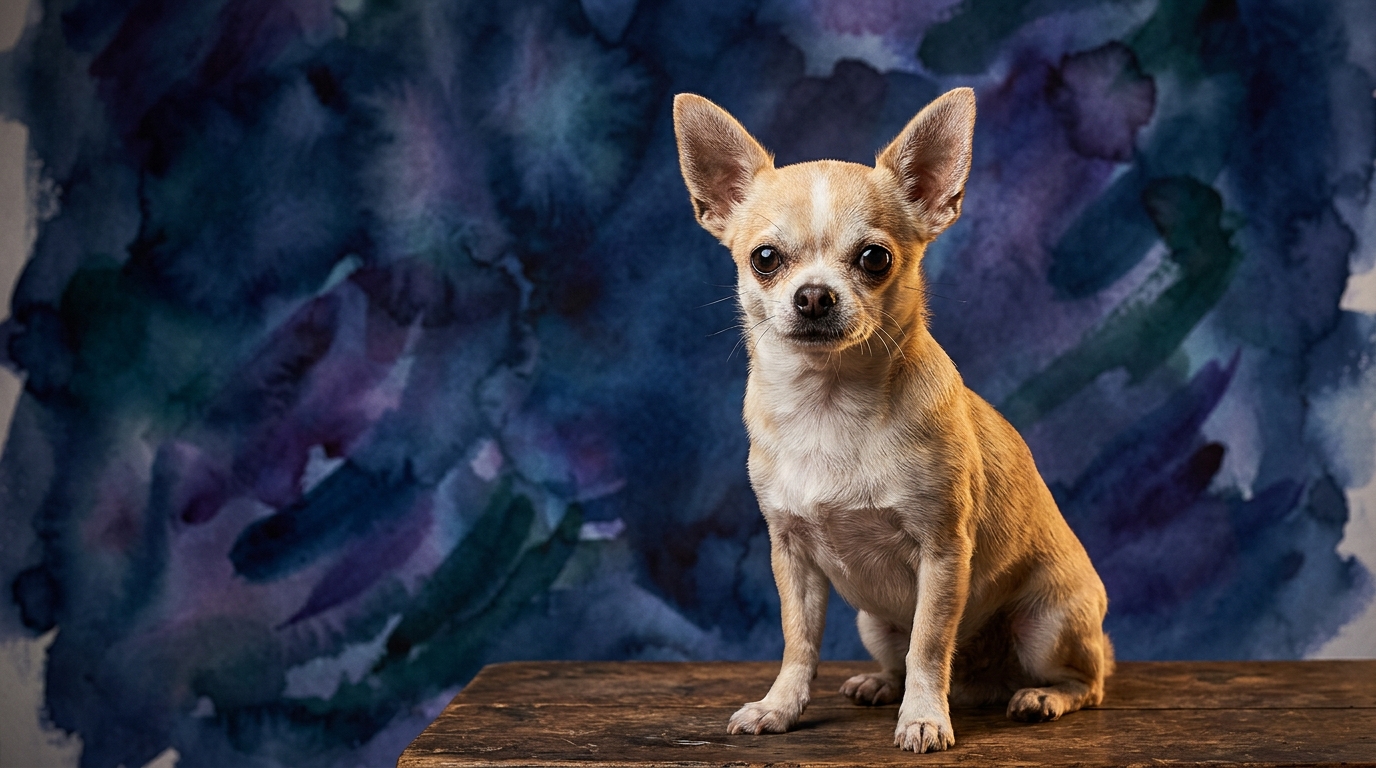
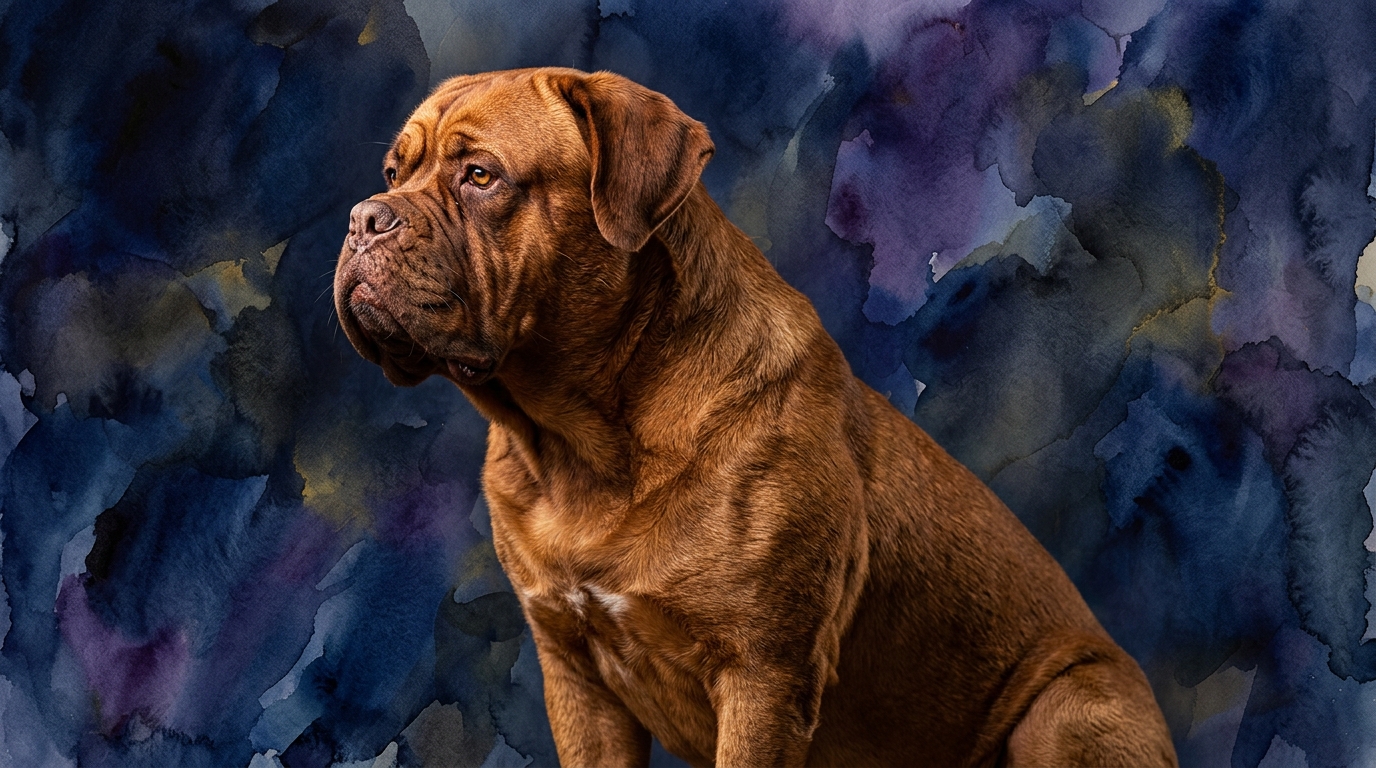
Side-by-side IQ profile
**Chihuahua (Toy Group)**: This spirited companion, ranked #67 by Coren, presents a nuanced cognitive profile. Their **Problem Solving (3/5)** indicates a moderate capacity for navigating novel challenges, often employing clever strategies to achieve desired outcomes, particularly when food or attention is involved. They can figure out simple puzzles but might struggle with multi-step complex tasks. Their **Training Speed (3/5)** suggests they learn new commands at a moderate pace, typically requiring consistent, positive reinforcement to solidify behaviors, as their focus can sometimes be fleeting, necessitating engaging training sessions. A standout trait is their **Social Intelligence (4/5)**; Chihuahuas excel at reading human emotions and intentions, often forming deep, intuitive bonds with their primary caregivers and proving highly attuned to social cues. Their **Instinctive Drive (3/5)** is moderate, encompassing a degree of territoriality and alertness. While they possess some prey drive, it's generally not overwhelming, and their guarding instincts are more vocal than physical. Finally, Chihuahuas exhibit a strong **Memory (4/5)**, capable of recalling learned commands, routines, and even specific people or places over extended periods, contributing to their ability to maintain complex social relationships and adapt to established household rules.
**Dogue de Bordeaux (Working Group)**: This impressive, unranked working breed displays a consistent cognitive temperament. Their **Problem Solving (3/5)** shows a moderate aptitude for assessing situations and making practical decisions. Their approach tends to be steady and methodical rather than quick or intricate, reflecting their more deliberate nature. Similarly, their **Training Speed (3/5)** means they learn at a moderate pace, but their sheer size and strength mean that early, consistent training is paramount, requiring clear, patient instruction to master commands reliably. Dogue de Bordeaux display moderate **Social Intelligence (3/5)**, forming strong, loyal bonds with their families. They are generally sensitive to their owners' moods but may be more reserved or less overtly expressive than some breeds, preferring a calm, reassuring presence. Their **Instinctive Drive (3/5)** is also moderate, primarily geared towards protection and guardianship, a hallmark of their working heritage. This manifests as a watchful demeanor and a readiness to defend their territory and loved ones without excessive aggression. These large dogs possess a moderate **Memory (3/5)**, capable of retaining training and routines. While they can recall significant events and people, their recall might be less nuanced or long-lasting compared to breeds with higher memory scores, requiring periodic reinforcement of learned behaviors.
Where Chihuahua wins cognitively
The Chihuahua clearly excels in **social intelligence** (4/5) and **memory** (4/5) compared to the Dogue de Bordeaux (3/5 in both categories). Their heightened social intelligence means they are exceptionally adept at picking up on subtle human cues, emotional states, and social dynamics within a household. This makes them highly responsive companions, often appearing to anticipate their owner's needs or moods, creating a deeply intuitive bond. Their superior memory allows them to quickly establish and consistently adhere to household routines and rules, making them excellent at remembering where items are, who belongs, and which behaviors are rewarded or discouraged over time. This cognitive edge enables them to navigate complex social environments with a nuanced understanding that belies their small stature.
Where Dogue de Bordeaux's cognitive profile shines
While the Dogue de Bordeaux's cognitive scores are consistently moderate (3/5 across the board), this specific profile is exceptionally well-suited for its historical role as a guardian and protector, a context where its cognitive traits truly shine. Its balanced **problem-solving** and **instinctive drive** (both 3/5) contribute to a deliberate, unwavering presence. Unlike breeds that might act impulsively, a Dogue de Bordeaux's moderate problem-solving capacity allows it to assess potential threats with a calm, measured approach, making it a reliable deterrent rather than an overly reactive one. Its moderate social intelligence fosters a deep, loyal bond with its family, prioritizing their safety without needing constant, effusive interaction. This particular cognitive blend results in a dog that is steady, dependable, and capable of making sound, protective judgments, embodying the stoic strength required for its working heritage.
Which is easier to train and why
Both breeds share a **training speed** score of 3/5, suggesting they learn at a similar moderate pace. However, the Chihuahua's superior **social intelligence** (4/5 vs. Dogue de Bordeaux's 3/5) often gives it an edge in perceived trainability. Chihuahuas are more attuned to human emotional states and vocal inflections, making them highly responsive to praise and correction, and more likely to seek to please their owner through compliance. Their strong memory also aids in retaining commands more consistently. In contrast, while the Dogue de Bordeaux learns steadily, its lower social intelligence might mean it's less driven by the subtle nuances of human interaction and more by clear, consistent commands and rewards. The sheer physical presence and strength of a Dogue de Bordeaux also mean that any training lapses can have greater consequences, necessitating a more rigorous and firm, though still positive, approach from an early age to manage their power. Therefore, while both learn, the Chihuahua's cognitive makeup often makes the *process* feel more intuitive and responsive for the average owner.
Which suits active owners vs relaxed owners
For **active owners**, the Chihuahua, despite its size, can be a surprisingly engaging companion. Its higher social intelligence means it thrives on interactive play, mental stimulation, and being included in daily activities, even if those activities are confined to a backpack on a hike. Their alertness and strong memory make them quick to adapt to new environments and routines, enjoying varied experiences. Conversely, the Dogue de Bordeaux, with its lower overall energy levels for its size and moderate instinctive drive, is often better suited for **relaxed owners**. While they need regular, moderate exercise to stay healthy, they are not typically high-octane dogs demanding constant, vigorous activity. Their calm, watchful demeanor and moderate social intelligence mean they are content with a steady routine, enjoying quiet companionship and providing a reassuring presence without the need for constant engagement or complex games. Their preference for a predictable environment aligns well with a more laid-back household.
The Verdict
Select a Chihuahua if you seek a highly socially attuned, memorable companion eager for interactive engagement and capable of adapting quickly to varied social dynamics within a smaller living space.
Opt for a Dogue de Bordeaux if you value a calm, loyal, and protective presence, appreciating a dog with a steady temperament that thrives on predictable routines and offers a reassuring, formidable companionship.
🧠 Find Your Pet's IQ Score
Our Pet IQ Lab assessment covers 25+ tests across 5 cognitive dimensions — personalized to your breed.
Take the Full IQ Test →Frequently Asked Questions
Does a Chihuahua's small size impact its problem-solving abilities?
A Chihuahua's small size doesn't inherently limit its problem-solving capacity; it scored 3/5, indicating moderate ability. However, its physical limitations mean its problem-solving manifests in navigating its immediate environment or social situations rather than complex physical manipulation tasks. Their problem-solving often involves strategy to get attention or access to desired items.
How does the Dogue de Bordeaux's moderate social intelligence affect its family interactions?
The Dogue de Bordeaux's moderate social intelligence (3/5) means it forms deep, loyal bonds but may express affection more subtly than some breeds. They are attentive to their family's presence and needs, offering a calm, reassuring companionship without being overly effusive, valuing quiet closeness and unwavering protection.
Given similar training speed scores, are both breeds equally easy for a first-time owner to train?
While both have a 3/5 training speed, a Chihuahua's higher social intelligence and smaller size might make the *experience* of training easier for a first-time owner due to their responsiveness. A Dogue de Bordeaux's size and protective instincts demand more consistent, firm, and early training from an owner who understands how to manage a powerful working breed, making it potentially more challenging for a novice.