Side-by-Side Cognitive Profiles
At The Cosmic Pet Pet IQ Lab, we assess canine cognition across five key dimensions, offering a nuanced view of each breed's mental framework. While formal rankings like those from Stanley Coren offer a snapshot of obedience intelligence, our multi-faceted approach provides a deeper understanding of how these breeds perceive, learn, and interact.
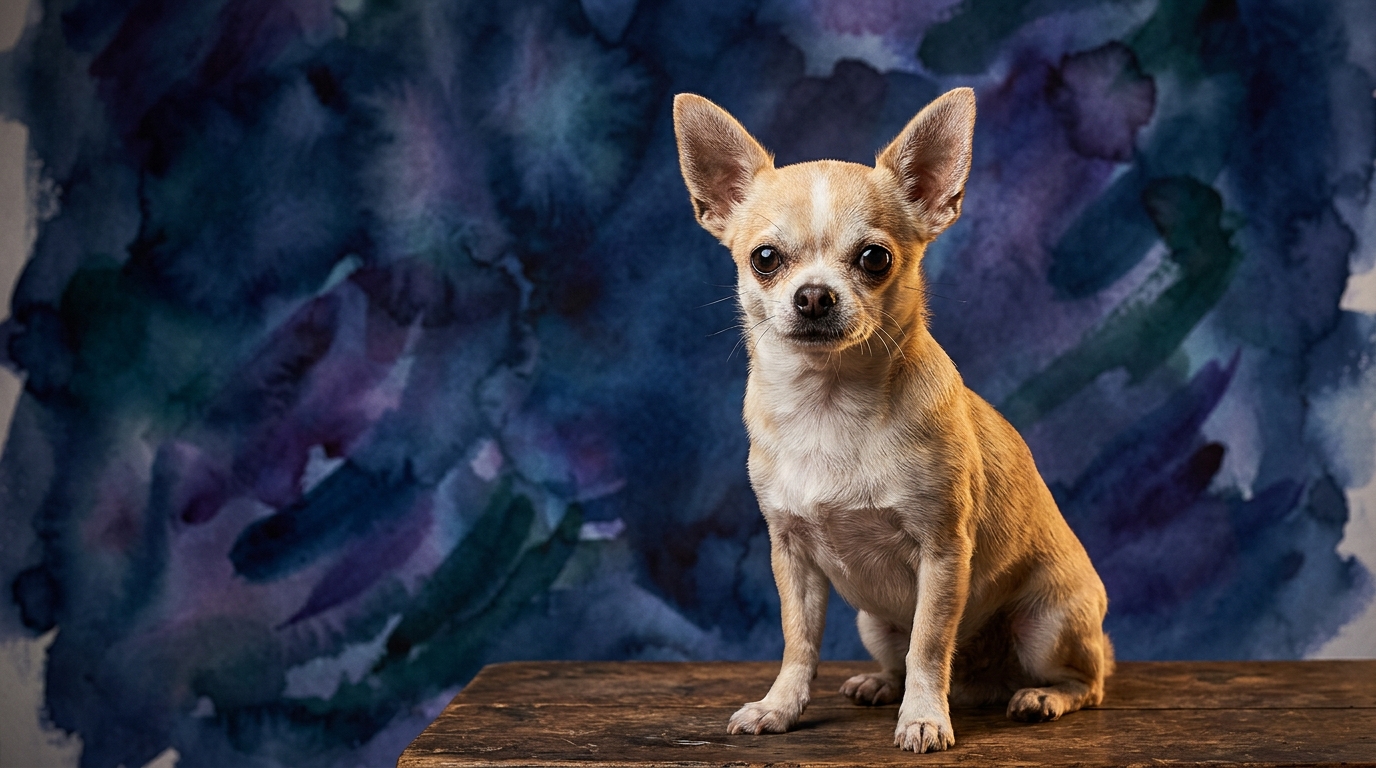
The **Chihuahua**, a delightful Toy breed, holds a Coren rank of #67, placing it on the lower end of the 'average working/obedience intelligence' spectrum. Within our IQ framework, the Chihuahua's cognitive profile is quite distinct. Their Problem Solving capability rates at 3/5, suggesting they can navigate challenges with practical, often persistent methods, sometimes relying on human assistance rather than complex, independent strategizing. Training Speed is also 3/5, indicating a moderate pace of learning new commands, best achieved with consistent, positive reinforcement. Where Chihuahuas truly shine is in Social Intelligence, scoring an impressive 4/5; they are acutely perceptive of human emotions and social cues, often forming deep, intuitive bonds and understanding subtle household dynamics with remarkable accuracy. Their Instinctive Drive is 3/5, manifesting in behaviors like alert barking, burrowing, or a strong desire for 'pack' cohesion with their chosen humans, rather than complex working tasks. Finally, their Memory is a robust 4/5, enabling excellent recall of routines, specific people, places, and learned behaviors, making them remember training cues and past experiences effectively.
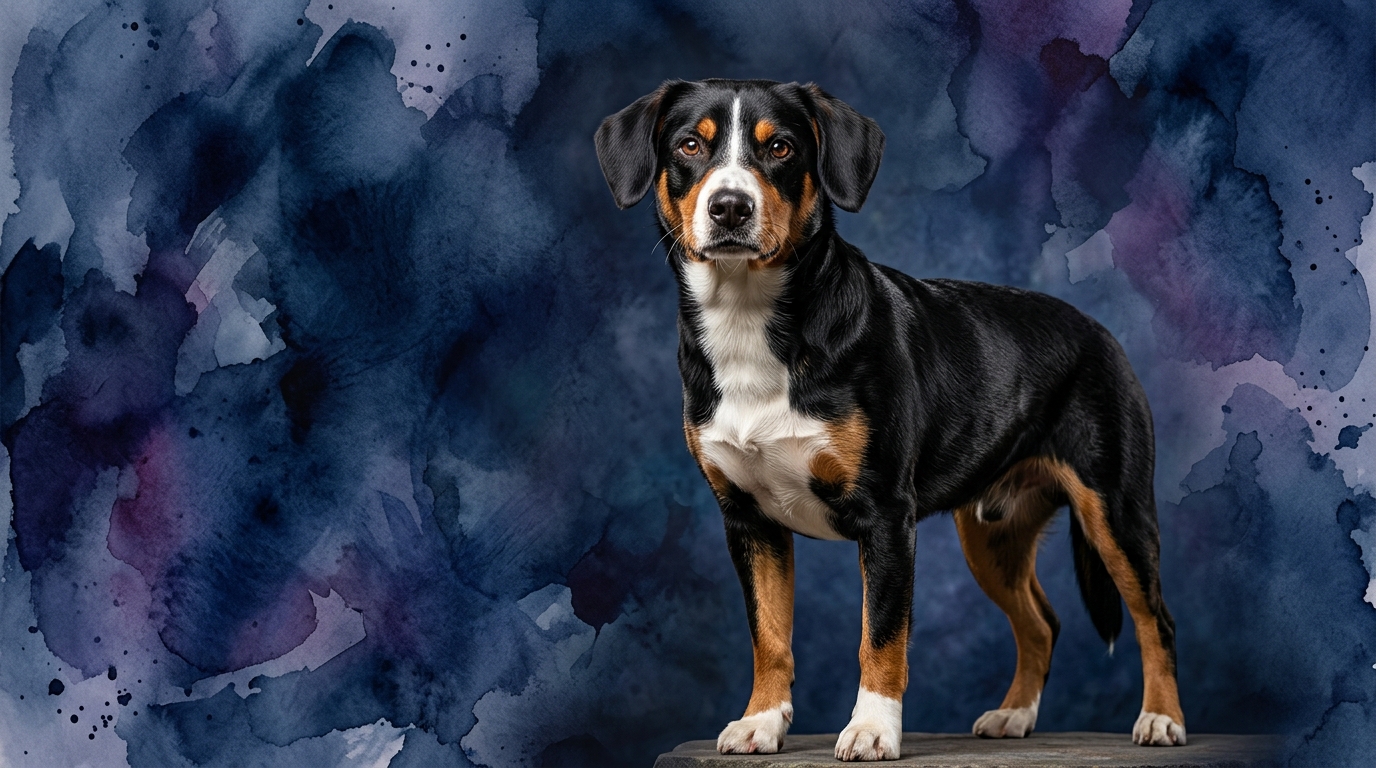
The **Entlebucher Mountain Dog**, a sturdy Herding breed, is not formally Coren-ranked, which often means less widespread study in formal obedience trials rather than a lack of cognitive ability. Our IQ assessment reveals a practical, purpose-driven mind. Their Problem Solving score is 3/5; they exhibit a pragmatic approach to challenges, often employing physical solutions or trial-and-error, typical of a working breed. Training Speed is also 3/5, meaning they learn at a steady pace, benefiting from clear, consistent instruction and a task-oriented approach to training sessions. Social Intelligence for the Entlebucher stands at 3/5; they form strong bonds within their family unit, discerning familiar faces from strangers, but may be more reserved or watchful in new social situations, focusing their social acumen on their inner circle. Their Instinctive Drive is 3/5, manifesting in tendencies towards organizing, patrolling, or being watchful, even without livestock, reflecting their traditional herding background. Their Memory also scores 3/5; they reliably retain learned commands and experiences, though perhaps not with the same vivid detail for specific social interactions as a Chihuahua.
Where the Chihuahua Shines Cognitively
The Chihuahua's cognitive strengths distinctly lean towards social and experiential learning. With a Social Intelligence score of 4/5, they are remarkably perceptive of human emotions and subtle social cues. This isn't just about being affectionate; it's about an acute ability to 'read the room,' anticipate human moods, and adapt their behavior accordingly. They often seem to understand unspoken rules of the household or a human's schedule, a level of social attunement that surpasses the Entlebucher's 3/5.
Furthermore, the Chihuahua's Memory, also rated at 4/5, is a significant advantage. This superior recall means they don't just remember commands; they vividly recall specific details about routines, people, and past events. A Chihuahua might remember the exact spot where a treat was dropped days ago or the precise sequence of events leading up to their favorite human's return, demonstrating a detailed mental mapping of their world that is often more intricate than the Entlebucher's more general memory retention.
Where the Entlebucher Mountain Dog Holds its Own Cognitively
While the Entlebucher Mountain Dog shares a 3/5 score in Instinctive Drive with the Chihuahua, its expression and application of this drive reveal a distinct cognitive advantage in specific contexts. The Entlebucher's drive is deeply rooted in its herding and guarding heritage, translating into a natural inclination for purpose-driven activities. This breed excels when given a 'job,' demonstrating focus and endurance in tasks that require sustained effort, such as agility, advanced obedience, or scent work. Their drive is harnessed into practical, physical engagement, which might not be as naturally aligned with a Chihuahua's typical expressions of drive, often centered on social interaction or comfort-seeking.
Regarding Problem Solving, both breeds score 3/5, but the Entlebucher's approach often manifests as a more physically oriented problem-solver. Their larger size and working background mean their cognitive efforts in this area are frequently channeled into manipulating their environment or navigating challenges that require strength and spatial awareness. For instance, an Entlebucher might strategically push open a gate or figure out how to access a specific area of the yard, using a practical, hands-on approach that leverages their physical capabilities in a way a Chihuahua typically would not.
Training: Adapting to Distinct Minds
Both the Chihuahua and the Entlebucher Mountain Dog score 3/5 in Training Speed, suggesting they learn new commands at a moderate pace. However, the 'why' and 'how' of their training success differ significantly due to their other cognitive strengths and breed histories, making neither inherently 'easier' across all scenarios. Understanding these nuances is key to effective training.
The Chihuahua, with its exceptional Social Intelligence (4/5) and strong Memory (4/5), often proves eager to please and highly motivated by human interaction, praise, and attention. They are quick to pick up on cues, particularly when the training is fun and engaging, leveraging their desire for connection. Their sharp memory helps them retain learned commands and routines effectively. However, their small size can sometimes lead to owners being less consistent with training, potentially fostering what's sometimes called 'small dog syndrome' – a tendency to be demanding or vocal if boundaries aren't clearly established. Training a Chihuahua successfully means leveraging their social perceptiveness and memory with consistent, positive reinforcement, focusing not just on basic obedience but also on managing their often-alert barking tendencies and ensuring they understand house rules.
The Entlebucher Mountain Dog, conversely, also learns at a steady pace (3/5 Training Speed) but thrives on purpose and structure, a hallmark of its working breed heritage. They respond exceptionally well to clear, consistent commands and enjoy having a 'job' to do. Their moderate Social Intelligence (3/5) means they might not be as overtly eager to please as a Chihuahua; instead, they require a trainer who understands their need for motivation through tasks, challenges, and rewards that appeal to their working drive. Their Instinctive Drive (3/5) can be a powerful asset in training, especially when channeled into activities like agility, rally obedience, or advanced obedience. Without proper direction and mental stimulation, this drive can lead to independent or even destructive behaviors born out of boredom. Therefore, training an Entlebucher requires an owner who can provide consistent leadership, engaging tasks, and a clear framework, turning their natural instincts into a cooperative partnership.
Matching Canine Minds to Lifestyles
When considering which breed aligns with an active versus a relaxed lifestyle, their distinct cognitive and instinctive profiles offer clear guidance. The Chihuahua, while possessing a moderate instinctive drive (3/5), is remarkably adaptable and can comfortably fit into both relaxed and moderately active households. For relaxed owners, their small size and profound social intelligence (4/5) make them excellent companions for apartment living or quiet households, content with lap time and close companionship. They enjoy short walks and indoor play, and their social acumen allows them to thrive in various social settings, often content to observe from a comfortable perch. Their needs for intense physical exertion are typically lower, making them suitable for those who prefer a more sedate pace of life, provided they still receive mental engagement through puzzles and interaction.
The Entlebucher Mountain Dog, in stark contrast, is unequivocally suited for active owners. Their herding background and moderate instinctive drive (3/5), though scoring the same as a Chihuahua, manifest as a strong need for regular physical activity and robust mental engagement. These dogs thrive in environments where they have a 'job' or participate in activities that challenge both their bodies and minds, such as hiking, agility, advanced obedience, or even competitive herding. Relaxed or sedentary owners might find the Entlebucher's energy and need for stimulation overwhelming, potentially leading to boredom, restlessness, or unwanted behaviors if their innate drives are not adequately met and channeled. They require consistent outlets for their cognitive and physical energies to truly flourish.
The Verdict
Choose the Chihuahua if you value a highly socially attuned companion who thrives on close human connection, possesses a remarkable memory for routines, and can adapt to both quiet home life and moderate activity. They are ideal for those who appreciate a perceptive, devoted, and compact canine presence.
Opt for the Entlebucher Mountain Dog if you are an active individual or family seeking a robust, purpose-driven companion who excels in tasks, enjoys outdoor adventures, and thrives with consistent training and mental challenges that channel their working instincts.
🧠 Find Your Pet's IQ Score
Our Pet IQ Lab assessment covers 25+ tests across 5 cognitive dimensions — personalized to your breed.
Take the Full IQ Test →Frequently Asked Questions
Are Chihuahuas difficult to train due to their small size?
While their small stature sometimes leads to inconsistent training, Chihuahuas are capable learners with a 3/5 training speed and strong memory. Their high social intelligence means they respond well to positive reinforcement and clear communication, especially when motivated by human attention, making them quite trainable with the right approach.
Does an Entlebucher Mountain Dog's lack of Coren ranking mean it's not intelligent?
Not at all. The Coren ranking primarily measures obedience intelligence in formal trials, and many capable working breeds like the Entlebucher simply haven't been as widely studied or entered in these specific contexts. Their 3/5 scores in problem-solving and training speed indicate practical, functional cognitive abilities well-suited to their working heritage.
Which breed is better for a first-time dog owner?
A Chihuahua might be more forgiving for a first-time owner due to their adaptability to various living situations and strong social bond, provided consistent training is applied from the start. The Entlebucher, with its working drive and need for structured activity, generally benefits from an owner experienced in channeling a dog's energy and instincts effectively.