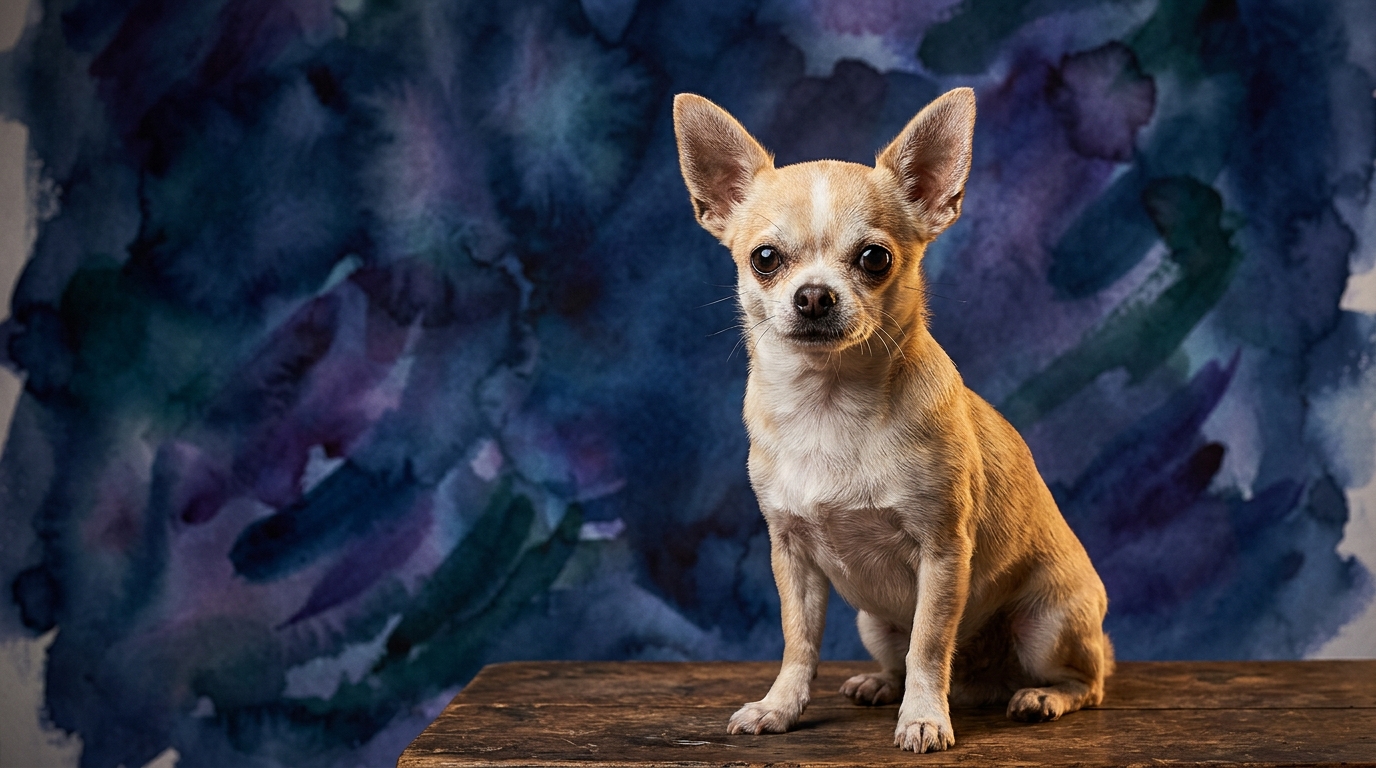
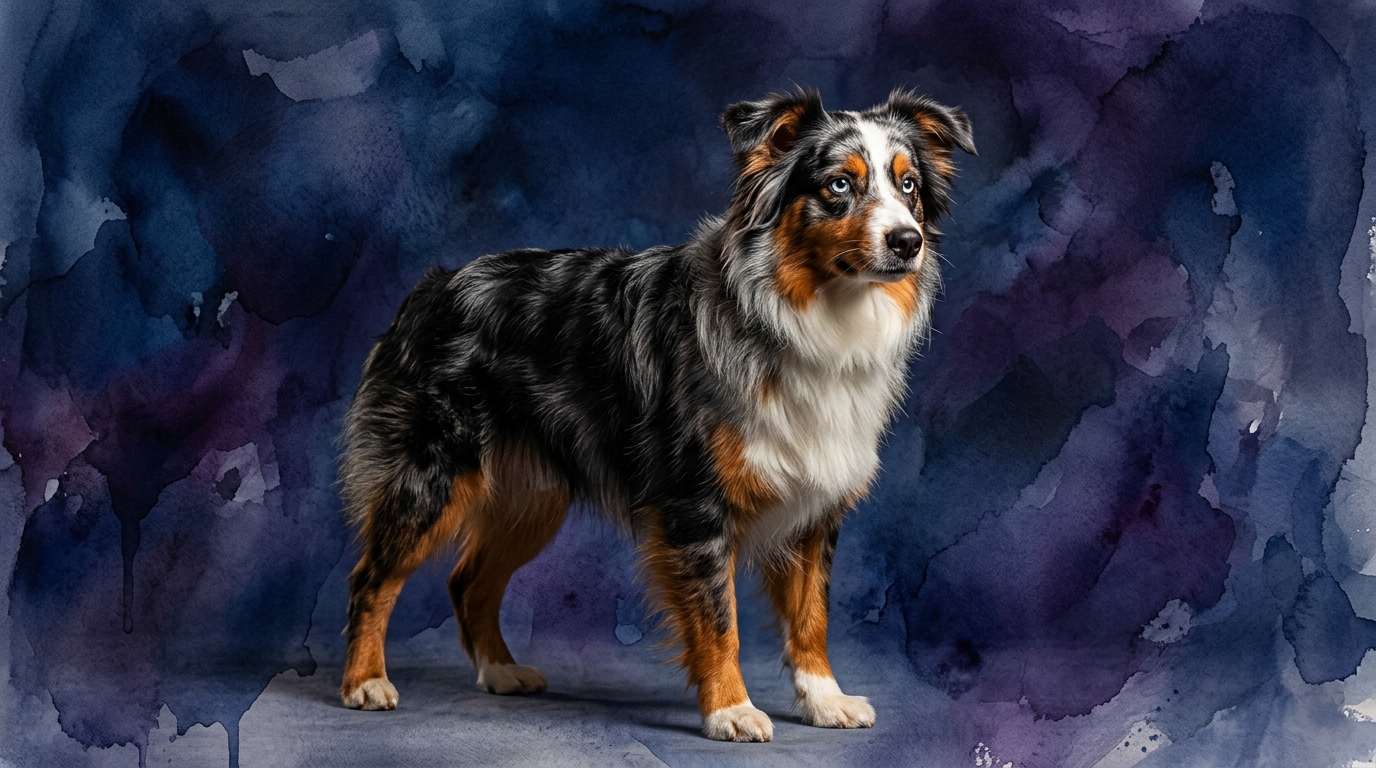
Side-by-Side Cognitive Profiles from The Cosmic Pet Pet IQ Lab
The Cosmic Pet Pet IQ Lab employs a five-dimensional framework to assess canine cognition, providing a nuanced look beyond mere obedience. For the Chihuahua, a Toy breed, their profile shows a Problem Solving score of 3/5, indicating an adequate ability to navigate their environment and figure out common challenges, such as how to get attention or access a favored spot. Their Training Speed is also 3/5, suggesting they can grasp commands but may require consistent motivation and patience due to their independent streak. Social Intelligence stands out at 4/5, highlighting their remarkable perceptiveness of human emotions and non-verbal cues, often forming deep, empathetic bonds. Instinctive Drive is rated 3/5, which might manifest as territoriality or a desire to 'herd' their human family members, albeit on a smaller scale. Finally, their Memory scores a strong 4/5, meaning they excel at recalling specific events, routines, and who gives the best treats. The Chihuahua's Coren rank of #67 places them in the 'Fair Working/Obedience Intelligence' category, reflecting a steady, if not rapid, learning curve for formal tasks.
In contrast, the Miniature American Shepherd, a Herding breed, presents a slightly different cognitive fingerprint. Their Problem Solving score is 3/5, similar to the Chihuahua, indicating a capability for finding solutions to environmental challenges, often through observation and persistence. Training Speed is also 3/5, suggesting they learn new tasks at a steady pace, but their herding background means they often thrive on clear, consistent direction and engaging activities. Social Intelligence for the Miniature American Shepherd is 3/5; while attuned to their handler’s cues, they might be more task-oriented than emotionally intuitive, valuing partnership in activity over pure emotional mirroring. Their Instinctive Drive is 3/5, a score that, in a herding breed, translates into a significant desire for purposeful activity, often channeled into play, chasing, or 'gathering' behaviors. Their Memory is 3/5, meaning they retain commands and learned behaviors adequately, especially those associated with a routine or task. The Miniature American Shepherd is not Coren-ranked, which doesn't diminish their cognitive abilities but reflects their more recent formal recognition and perhaps a different focus in traditional obedience trials compared to older, more established breeds.
Where the Chihuahua Shines Cognitively
The Chihuahua exhibits distinct cognitive strengths, particularly in the realms of Social Intelligence and Memory. With a score of 4/5 in Social Intelligence, these small companions display a profound capacity for emotional connection and understanding. They are highly perceptive of subtle shifts in human moods, body language, and vocal tones, allowing them to adapt their behavior to fit the social context. This acute awareness makes them exceptional companions for individuals seeking a deeply empathetic and responsive pet, often anticipating needs or offering comfort without explicit prompts.
Their robust Memory, also scoring 4/5, further enhances their companionship capabilities. Chihuahuas excel at recalling specific events, daily routines, and the intricacies of their human relationships. This translates to remembering preferred nap spots, dinner times, and which family member is most likely to share a snack, fostering a predictable and comforting daily life for both dog and owner. This strong recall also aids significantly in reinforcing desired behaviors over time, as they quickly associate actions with outcomes, making consistent positive reinforcement highly effective.
Where the Miniature American Shepherd Excels Cognitively
While the numerical scores for the Miniature American Shepherd do not exceed the Chihuahua's in any specific category within our framework, their cognitive profile indicates a different kind of strength, particularly in the *application* of their problem-solving skills and instinctive drive. Their 3/5 in problem-solving, coupled with their inherent herding background, often manifests as a persistent, focused approach to challenges. They might excel at intricate puzzle toys, navigating complex obstacle courses, or learning multi-step tricks, driven by an intrinsic motivation to complete a task and understand its mechanics. This makes them particularly adept at activities requiring sequential thought and sustained engagement.
The Miniature American Shepherd's 3/5 in Instinctive Drive, while numerically similar, represents a distinct cognitive framework rooted in their herding heritage. This drive is often channeled into purposeful activities, creating a dog that thrives on having a 'job,' whether it involves agility, competitive obedience, or even just retrieving toys with enthusiasm and precision. This specific manifestation of drive allows them to maintain intense focus and dedication to tasks that require sustained effort and a clear objective. For owners who enjoy structured activities and want a partner capable of extended periods of concentration, this purposeful drive becomes a significant cognitive advantage.
Training Dynamics: Chihuahua vs. Miniature American Shepherd
Both breeds score a 3/5 in Training Speed, but the underlying dynamics of their learning processes differ, influenced by their other cognitive traits. Chihuahuas, with their Coren rank of #67, are capable learners but often require patience and positive reinforcement tailored to their personality. Their high social intelligence (4/5) can be a powerful motivator; they learn quickly when training is framed as a rewarding social interaction, driven by praise and affection from their beloved human. However, their independent streak or preference for specific individuals can sometimes make them selective listeners, requiring consistency and varied rewards to maintain engagement. They respond well to methods that leverage their memory (4/5) for positive associations, like clicker training or reward-based games.
The Miniature American Shepherd, also scoring 3/5 in training speed, tends to be eager to please when mentally and physically engaged, but their herding instincts and potential for independent thought mean training needs to be structured and stimulating. They thrive on clear commands and tasks that provide both mental and physical activity. Their problem-solving (3/5) and instinctive drive (3/5) mean they enjoy figuring things out and working towards a goal, making them particularly responsive to task-oriented training like agility, advanced obedience, or even scent work. Their slightly lower social intelligence (3/5) compared to the Chihuahua suggests they might be less motivated purely by emotional connection and more by the satisfaction of a job well done or a clear, tangible reward, valuing the partnership in the activity itself.
Aligning with Lifestyles: Active vs. Relaxed Owners
When considering which breed aligns best with an owner's lifestyle, their cognitive profiles and inherent drives play a significant role. The Chihuahua, with its moderate scores across the board and inherently smaller stature, generally aligns well with more relaxed, indoor-centric lifestyles. Their high social intelligence and strong memory make them excellent companions who enjoy cuddles, quiet observation, and being a constant presence, though they still benefit from regular, shorter walks and engaging indoor play to prevent boredom. They suit individuals or families who value close companionship and are content with moderate daily activity, finding joy in shared presence and less strenuous adventures. Their cognitive needs are often met through social interaction, puzzle toys, and consistent routines.
The Miniature American Shepherd, despite its 'miniature' size, is a robust herding breed designed for activity and purpose. Their background means they possess a significant need for both physical exercise and mental stimulation, making them ideal for active owners. They excel in dog sports like agility, flyball, competitive obedience, or even hiking, thriving when given opportunities to run, problem-solve complex tasks, and engage their working drive. They are best suited for individuals or families who embrace an active lifestyle and are committed to providing daily outlets for their dog's substantial energy and cognitive needs, ensuring they have a 'job' or a structured activity to focus their innate drives.
The Verdict
Opt for a Chihuahua if you seek a deeply empathetic companion who excels in social dynamics and cherishes close, affectionate bonds within a moderately active household. Their remarkable memory ensures a predictable and comforting daily routine.
Select a Miniature American Shepherd if you are an active individual or family looking for a dedicated partner in sports, outdoor adventures, and structured training activities, appreciating a dog with a purposeful drive.
🧠 Find Your Pet's IQ Score
Our Pet IQ Lab assessment covers 25+ tests across 5 cognitive dimensions — personalized to your breed.
Take the Full IQ Test →Frequently Asked Questions
Is a Chihuahua or a Miniature American Shepherd better for apartment living?
Chihuahuas are generally better suited for apartment living due to their small size and moderate exercise requirements, easily meeting their needs with indoor play and short walks. Miniature American Shepherds, while compact, possess a higher energy level and working drive, demanding more extensive daily exercise and mental engagement to thrive in smaller spaces.
Do Miniature American Shepherds need a 'job'?
Miniature American Shepherds indeed thrive when given a purpose, benefiting greatly from activities that engage their minds and bodies, like agility, competitive obedience, or puzzle toys. This structured engagement channels their innate herding drive, preventing boredom and potential behavioral issues.
How do their social needs differ?
Chihuahuas, with their higher social intelligence, often seek intense companionship and are highly attuned to their primary human's moods, frequently preferring close, one-on-one interaction. Miniature American Shepherds, while affectionate, tend to be more reserved with strangers and often prefer shared activities over constant emotional mirroring, valuing a partnership built on tasks and adventures.