Side-by-Side IQ Profile: Unpacking Identical Scores
At The Cosmic Pet Pet IQ Lab, both the Dogue de Bordeaux (Working group) and the Italian Greyhound (Toy group) register a consistent 3/5 across all five measured dimensions: Problem Solving, Training Speed, Social Intelligence, Instinctive Drive, and Memory. This numerical parity, however, belies a rich tapestry of breed-specific cognitive expressions. It’s not about which breed possesses more raw 'brainpower,' but rather how that moderate cognitive capacity is applied and observed through their unique breed characteristics and historical roles.
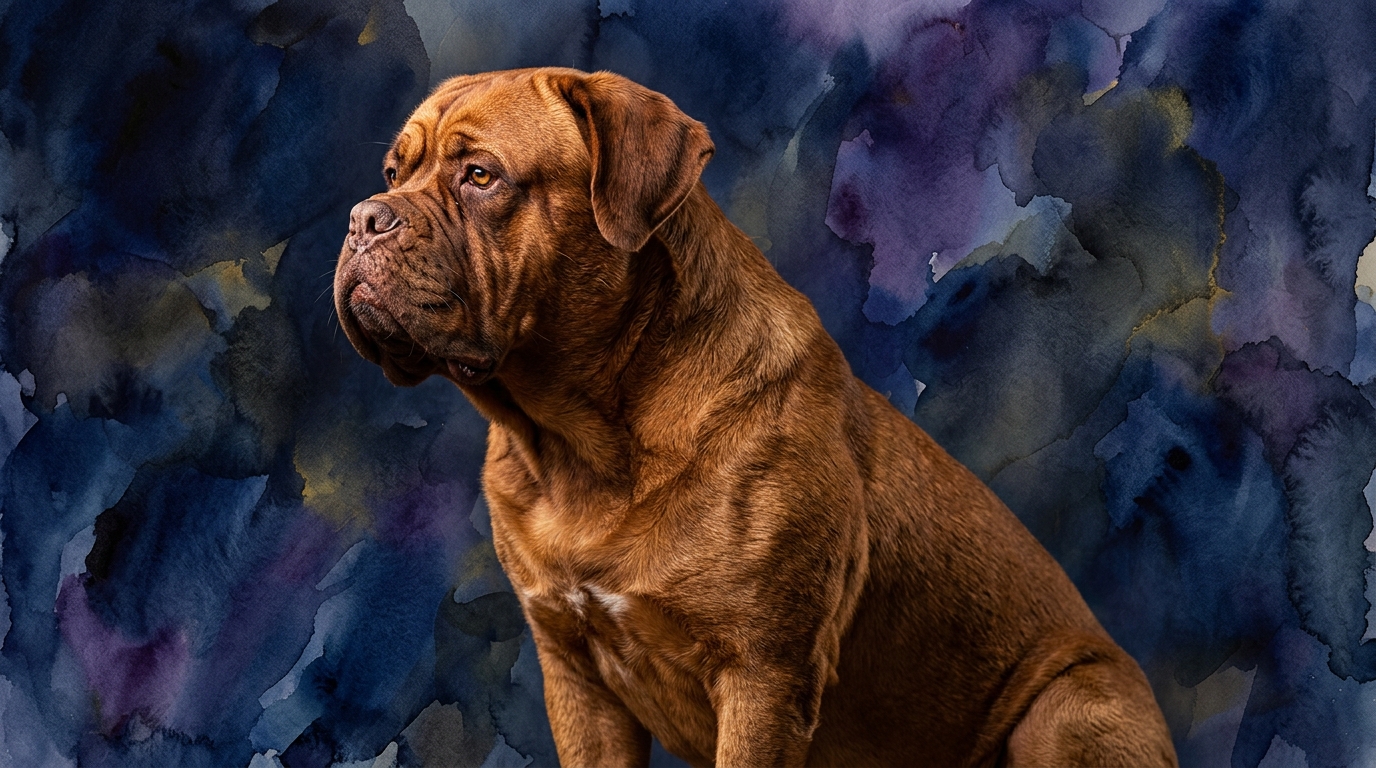
The Dogue de Bordeaux, with its imposing presence, demonstrates a Problem Solving score of 3/5 through a methodical, often strength-based approach to challenges. They might figure out how to access a favorite sunbathing spot by nudging a gate or patiently working on a puzzle toy. Their Training Speed, also 3/5, indicates they learn new commands at an average pace, but often with an independent streak; their compliance is frequently tied to a strong bond with their trainer and a clear understanding of what's in it for them. Their Social Intelligence (3/5) manifests as a deep attunement to their immediate family's emotional states, often displaying a watchful, protective understanding of their 'pack.' Instinctive Drive (3/5) is primarily centered on guarding and territorial defense, showcasing a profound awareness of their home. Finally, their Memory (3/5) allows them to retain routines, commands, and experiences consistently.
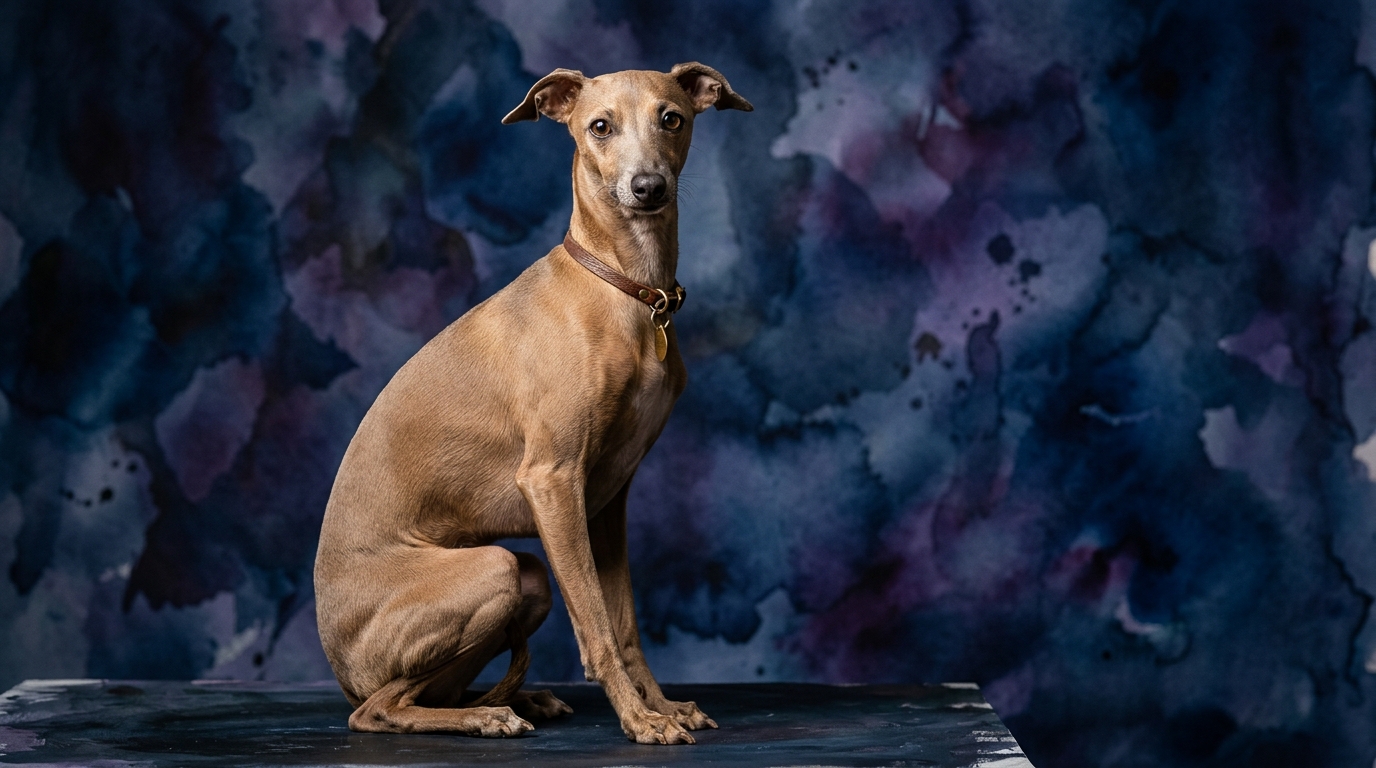
Conversely, the Italian Greyhound, a breed of delicate grace, applies its 3/5 Problem Solving skills to navigating its environment for comfort or evasion. They might cleverly scale furniture to reach a cozy blanket or outmaneuver a larger pet for a prime napping spot. Their Training Speed, also 3/5, means they grasp concepts at an average rate, but their sensitive nature and sighthound focus mean distractions, especially movement, can easily derail a session. Social Intelligence (3/5) for an Italian Greyhound means they are incredibly sensitive to human moods, often seeking reassurance or mirroring emotional states, forming intensely strong bonds. Their Instinctive Drive (3/5) is overwhelmingly dominated by a potent prey drive, leading to an irresistible urge to chase anything small and fast. Their Memory (3/5) is robust for remembering favored people, routines, and where the best snuggle spots are located.
Where the Dogue de Bordeaux Cognitively Excels
Despite identical numerical scores, the Dogue de Bordeaux's cognitive strengths shine in areas demanding physical presence and a steadfast, independent resolve. Their 3/5 Problem Solving, for example, is often paired with a powerful physique, allowing them to overcome physical barriers that an Italian Greyhound simply couldn't. This manifests in a persistence to achieve goals related to territory or family access, such as patiently pushing open a slightly ajar door or figuring out how to retrieve a toy stuck under heavy furniture. Their inherent guarding instincts, a facet of their 3/5 Instinctive Drive, mean they are acutely aware of their surroundings and family's safety, demonstrating a cognitive vigilance that is deeply rooted in their historical role as protectors. This awareness isn't necessarily about complex strategy, but rather a consistent, reliable assessment of their environment for perceived threats, making them naturally alert and perceptive in a protective context.
Where the Italian Greyhound Cognitively Shines
The Italian Greyhound, while sharing the same 3/5 cognitive scores, excels in arenas requiring agility, sensitivity, and a keen focus on comfort and connection. Their 3/5 Problem Solving is often a testament to their nimble minds and bodies, allowing them to navigate their environment with grace and precision. They might quickly learn which family member is most likely to share food, or how to access elevated, cozy spots with minimal effort. Their 3/5 Social Intelligence is particularly acute, allowing them to pick up on subtle human cues and adapt their behavior to elicit comfort or attention, demonstrating a nuanced understanding of interpersonal dynamics within their chosen family. This sensitivity often translates into a remarkable ability to communicate their needs or discomfort through subtle body language, making them highly expressive companions. Their profound prey drive, a core element of their 3/5 Instinctive Drive, means they are incredibly quick to react to visual stimuli, demonstrating rapid processing and decision-making when a chase is initiated.
Training Dynamics: Dogue de Bordeaux vs. Italian Greyhound
When it comes to ease of training, both breeds score 3/5 for Training Speed, yet their behavioral differences create distinct experiences. The Dogue de Bordeaux, while capable of learning, can exhibit a strong will and an independent nature. Training success often hinges on consistent, positive reinforcement methods and establishing a clear, respectful bond. They aren't inherently driven to please in the same way some breeds are; instead, they need to understand the 'why' behind a command and perceive value in compliance. Their training can feel like a negotiation, requiring patience and firmness without harshness, as their sheer size means early training is crucial for manageability.
The Italian Greyhound, despite the same 3/5 Training Speed, presents a different set of considerations. Their sensitive temperament means they respond poorly to harsh corrections, which can shut them down or make them fearful. Positive, reward-based training is paramount. However, their strong sighthound instincts and easily distracted nature can make focus a challenge, especially outdoors. A squirrel or a blowing leaf can instantly override a recall command. House training can also be a prolonged process for some IGs due to their delicate bladder and preference for warmth, requiring extra diligence and consistency from their owners. Therefore, while both learn at an average pace, the methods and environmental management required for successful training differ significantly.
Lifestyle Match: Active vs. Relaxed Owners
For owners seeking an active companion, neither breed perfectly fits the bill of an endurance athlete, but their exercise needs diverge. The Dogue de Bordeaux, despite its size, is not built for sustained, vigorous activity. Short, brisk walks and controlled playtime are sufficient to maintain their health. They are often content to lounge near their family, acting as a watchful, comforting presence. This makes them well-suited for relaxed owners who appreciate a calm, robust companion and are prepared for the physical demands of managing a very large dog, rather than extensive exercise.
The Italian Greyhound, conversely, while small, possesses bursts of incredible speed and energy. They thrive on opportunities for short, exhilarating sprints in a securely fenced area, often engaging in spontaneous 'zoomies.' However, their delicate build and sensitivity to cold mean they are not suited for prolonged outdoor adventures or harsh weather. They are more aligned with owners who enjoy periodic bursts of play and appreciate a dog that is equally content to snuggle on the couch for extended periods. They are a good fit for relaxed owners who can still provide safe outlets for their sighthound bursts, and who prioritize indoor comfort and companionship.
The Verdict: When to Choose Each
The Verdict
Choose the Dogue de Bordeaux if you desire a steadfast, protective companion who thrives on a strong family bond and requires a calm, consistent leader, appreciating their watchful presence over intense activity. They are ideal for those who value quiet companionship and are prepared for the responsibilities of a large, powerful dog with moderate cognitive demands.
Opt for the Italian Greyhound if you seek a sensitive, affectionate companion who enjoys bursts of playful energy followed by extensive snuggles, and you appreciate a dog highly attuned to your emotions. They are best for owners who can provide a warm, secure indoor environment and understand their sighthound instincts and delicate nature.
🧠 Find Your Pet's IQ Score
Our Pet IQ Lab assessment covers 25+ tests across 5 cognitive dimensions — personalized to your breed.
Take the Full IQ Test →Frequently Asked Questions
Are Dogue de Bordeaux easy to house train?
Dogue de Bordeaux are generally average in house training speed (3/5 memory, 3/5 training speed). Consistency, routine, and positive reinforcement are key, and their substantial size means accidents are a significant clean-up, motivating owners to be diligent.
Do Italian Greyhounds get along with other pets?
Italian Greyhounds, with their 3/5 social intelligence, can typically get along well with other pets, especially if socialized early. However, their strong prey drive (3/5 instinctive drive) means small, fast-moving animals like hamsters or birds might trigger their chase instinct, requiring careful supervision.
How do Dogue de Bordeaux show their social intelligence?
Dogue de Bordeaux display their 3/5 social intelligence by being very attuned to their family's emotional states, often offering a comforting presence during distress. They are typically reserved with strangers but can accurately read cues from those they trust, responding with protective vigilance or calm affection.