
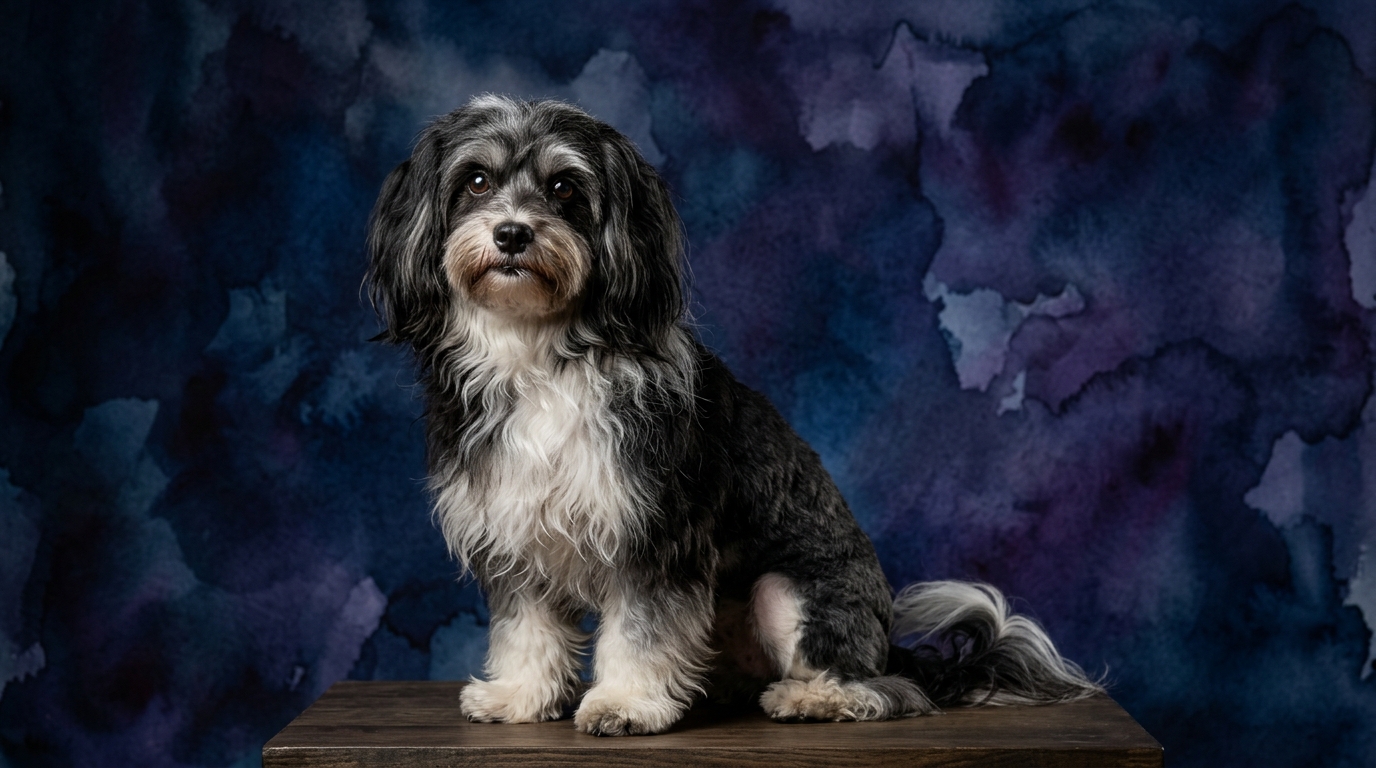
Side-by-Side IQ Profile: Understanding the Nuances
The Cosmic Pet IQ Lab evaluates canine cognition across five distinct dimensions. For both the Dogue de Bordeaux and the Löwchen, each dimension registers a score of 3 out of 5, indicating a moderate capacity across the board. However, the manifestation of these scores is profoundly influenced by each breed's historical role, physical attributes, and innate temperament. Understanding these differences allows us to appreciate the unique cognitive strengths and challenges each breed presents.
Dogue de Bordeaux's Cognitive Blueprint
Problem Solving (3/5): This moderate score indicates a practical problem-solving approach, often related to managing their environment or protecting their family. A Dogue de Bordeaux might figure out how to strategically position themselves to monitor activity or how to access a comfortable resting spot, focusing on direct, tangible solutions. Training Speed (3/5): Their moderate training speed suggests they are receptive learners but benefit from patience and consistent, positive reinforcement. Progress is steady, building on foundational commands, particularly those establishing manners and cooperation within the household structure. Social Intelligence (3/5): A moderate capacity for social understanding means they are deeply attuned to their immediate family's moods and routines. However, their social interactions with strangers or in novel group settings tend to be more reserved, requiring careful, gradual introductions. Instinctive Drive (3/5): For this Working breed, the moderate instinctive drive primarily manifests as a strong, steady protective instinct towards their home and family. It's a desire for physical closeness and a watchful, calm presence, less about high-energy tasks and more about security. Memory (3/5): Their moderate memory ensures good retention of learned commands, household routines, and the individuals they trust. This supports their role as a stable companion, remembering boundaries and consistent expectations over time.
Löwchen's Cognitive Blueprint
Problem Solving (3/5): The Löwchen's moderate problem-solving often shines in a social context, finding creative ways to engage or gain attention. They might ingeniously retrieve a hidden toy or “charm” an owner into a desired outcome, driven by their desire for interaction and comfort. Training Speed (3/5): This score indicates a willing and eager learner, generally enjoying the training process, especially when it involves interaction and positive reinforcement. Their progress is steady, often aided by their desire to please and their natural vivacity, making basic obedience and tricks accessible. Social Intelligence (3/5): Löwchens typically possess a warm and adaptable social intelligence, renowned for their outgoing nature and ability to connect with various people and other animals. This moderate score means they read social cues well, adapting their demeanor in diverse social settings. Instinctive Drive (3/5): For the Löwchen, this moderate instinctive drive is primarily geared towards companionship and playful interaction. Their “lion dog” heritage imbues them with a confident, lively spirit, driving them to seek engagement, cuddles, and games as an active family member. Memory (3/5): A moderate memory in a Löwchen means they hold onto lessons and relationships with good recall. They remember their training, favorite people, and routines, aiding in house-training and reinforcing good behaviors, especially when learning is enjoyable and positively reinforced.
Where the Dogue de Bordeaux Wins Cognitively
Despite sharing identical IQ scores, the Dogue de Bordeaux's cognitive strengths are distinctly rooted in its role as a formidable, protective companion. Their 3/5 in Problem Solving often manifests in a grounded, practical assessment of their physical environment. They excel at figuring out direct solutions to secure their territory or ensure their comfort, leveraging their substantial presence effectively. This isn't about intricate puzzles, but about assessing and managing real-world physical boundaries and potential threats.
Furthermore, their memory, also a 3/5, is particularly robust for established routines and territorial boundaries. A Dogue de Bordeaux will reliably remember where they are permitted, their daily schedule, and the individuals belonging to their “pack.” This steady recall supports their role as a reliable home guardian, making them consistent and predictable in their environment where consistency and security are key.
Where the Löwchen Wins Cognitively
The Löwchen's cognitive advantages are deeply intertwined with its history as a charming, social companion. Their 3/5 Social Intelligence shines in its remarkable adaptability and engaging nature. They possess an exceptional ability to read and respond to a wide array of human emotions and social settings, often adjusting their demeanor to charm or comfort. This makes them adept at navigating new social interactions with grace and making friends quickly, a stark contrast to the Dogue de Bordeaux's more reserved approach.
While also scoring 3/5 in Problem Solving, the Löwchen often displays creative ingenuity in social contexts, devising clever ways to initiate play or gain attention. Their solutions frequently reflect a cheerful inventiveness, driven by their desire for stimulation and companionship. This showcases a spirited, interactive form of cognitive engagement, focused on connecting and engaging with their human family rather than managing physical territory.
Training Aptitude: Dogue de Bordeaux vs. Löwchen
When it comes to ease of training, both breeds share a 3/5 in Training Speed, indicating a moderate learning curve. However, their inherent temperaments influence the training experience. The Löwchen is often perceived as marginally “easier” to train due to their innate desire for social interaction and play. They approach training as a fun, collaborative activity, thriving on praise and engagement, which can lead to more consistent motivation and responsiveness in positive reinforcement settings.
The Dogue de Bordeaux, conversely, requires a more consistent and patient approach. Their working dog heritage means they respond best to clear leadership and a defined purpose, and while receptive, they can be more deliberate in their responses. Their substantial size makes early and consistent training in manners and obedience not just desirable, but essential for safety and manageability. An owner committed to regular, firm, yet always positive, guidance will see steady progress with a Dogue de Bordeaux, as their motivation is often rooted in understanding their role and pleasing their trusted leader.
Matching Breeds to Owner Lifestyles
The choice between a Dogue de Bordeaux and a Löwchen often comes down to an owner's lifestyle and energy levels. The Löwchen's lively spirit and moderate instinctive drive for companionship and play make them an excellent fit for active owners who enjoy consistent interaction, playful activities, and perhaps even dog sports like agility or obedience trials. They thrive with owners who provide mental stimulation through games, regular walks, and consistent engagement, making them a vivacious companion for those seeking an interactive partner.
In contrast, the Dogue de Bordeaux, often described as a “gentle giant,” has moderate energy needs. Their 3/5 instinctive drive is geared towards watchful guardianship and companionship rather than high-octane activities. They suit more relaxed owners who appreciate a calm, steady presence, enjoy leisurely walks, and can provide a comfortable, secure home environment. While they benefit from regular exercise, they are not typically suited for owners seeking a high-endurance running partner, preferring a more relaxed pace and plenty of quality time at home as a devoted family member.
The Verdict
Choose the Dogue de Bordeaux if you value a steadfast, protective companion with a calm demeanor and are prepared for consistent, patient training to guide their substantial presence and strong family bond.
Select the Löwchen if you seek an adaptable, vivacious companion who thrives on social interaction and playful engagement, fitting seamlessly into various lifestyles with their eager-to-please attitude.
🧠 Find Your Pet's IQ Score
Our Pet IQ Lab assessment covers 25+ tests across 5 cognitive dimensions — personalized to your breed.
Take the Full IQ Test →Frequently Asked Questions
Do identical IQ scores mean these breeds are equally easy to train for any task?
Not necessarily. While both score 3/5 in Training Speed, their underlying motivations and physical attributes differ. The Löwchen's desire for social interaction might make them more enthusiastic for trick training, while the Dogue de Bordeaux's practical drive might make them more receptive to tasks related to guarding or routine.
How does the Dogue de Bordeaux's 'Working' group status affect its 3/5 instinctive drive compared to the Löwchen's 'Non-Sporting' group?
For the Dogue de Bordeaux, a 3/5 instinctive drive often translates to a strong protective instinct and a desire for purpose within the family unit, like guarding. For the Löwchen, a 3/5 drive leans towards seeking companionship, play, and engaging with their human family, reflecting their role as a charming companion.
If both breeds have 3/5 in Problem Solving, will they approach challenges similarly?
No, their approaches will differ based on their intrinsic motivations and physical capabilities. A Dogue de Bordeaux might solve problems using their strength or by strategically blocking access, driven by security, while a Löwchen might use clever manipulation or charming tactics to achieve a desired outcome, driven by play or attention.