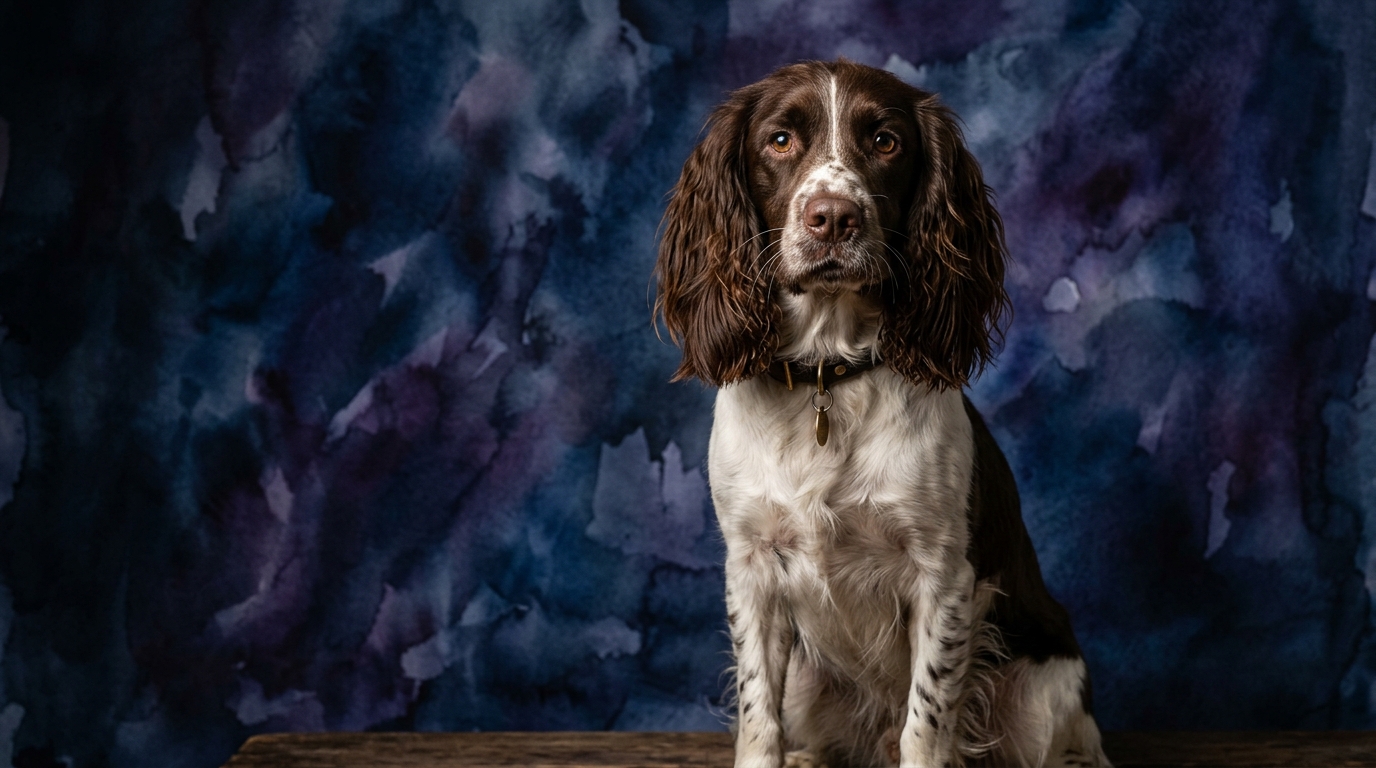
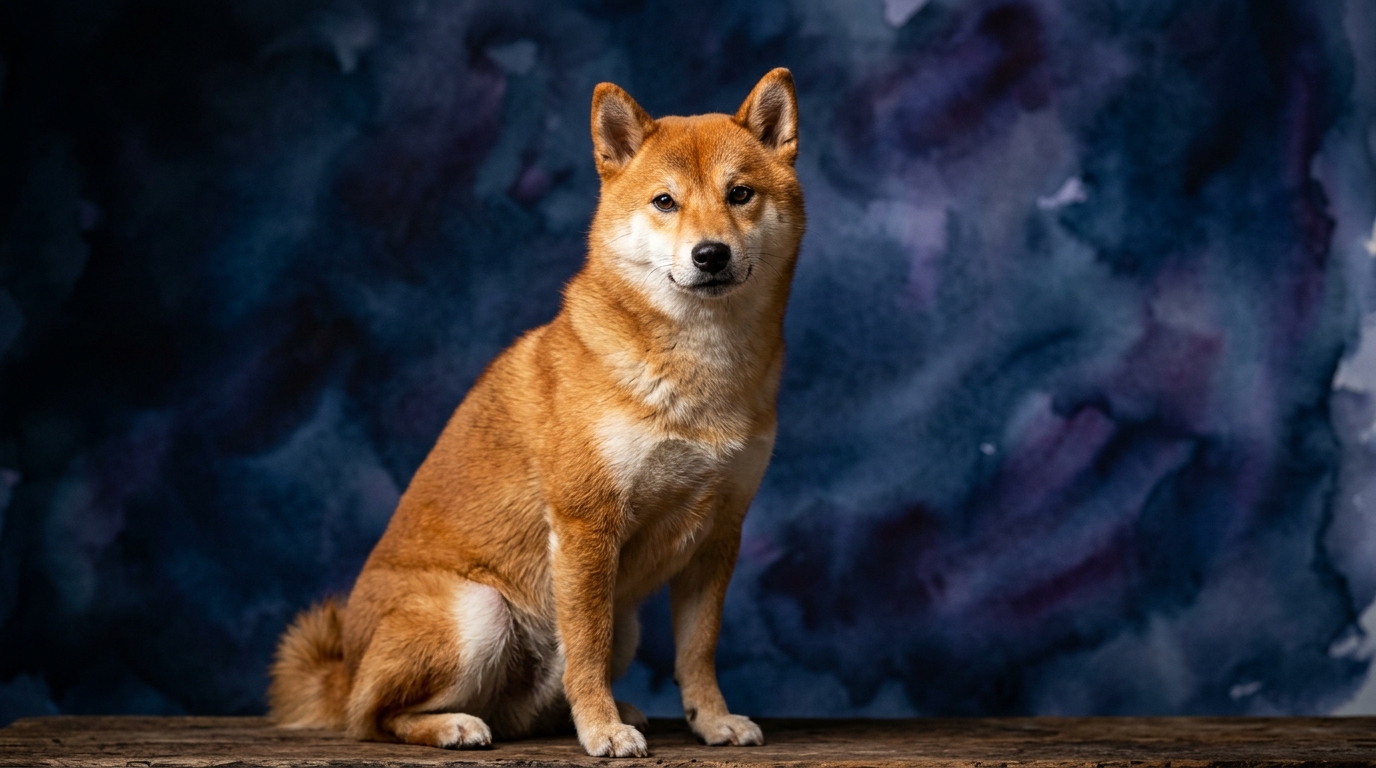
Side-by-Side Cognitive Profile: English Springer Spaniel vs. Shiba Inu
The Pet IQ Lab metrics provide a granular view into the cognitive strengths of these two distinct breeds. Both the English Springer Spaniel and the Shiba Inu share a problem-solving score of 4/5, indicating an aptitude for navigating challenges and finding solutions within their environment. However, the *approach* to problem-solving often differs: the Spaniel typically applies its intellect in service of a task or human directive, while the Shiba might employ its skills for more self-serving outcomes.
A significant divergence appears in training speed, with the English Springer Spaniel scoring an exceptional 5/5, reflecting its eagerness to learn and rapid acquisition of new commands. The Shiba Inu, in contrast, registers a 2/5, suggesting a more deliberate and independent learning pace, often requiring greater patience and repetition from trainers. Social intelligence also presents a clear distinction: the Spaniel earns a 4/5, demonstrating a strong attunement to human cues and a desire for interaction, whereas the Shiba's 3/5 points to a more reserved, observant, and sometimes aloof social demeanor.
Instinctive drive is a shared strength, with both breeds scoring a perfect 5/5. For the English Springer Spaniel, this drive manifests as an intense desire for scenting, flushing, and retrieving, integral to its sporting heritage. The Shiba Inu’s equally powerful instinctive drive fuels its independent hunting behaviors, patrolling, and strong prey drive. Finally, memory is another common ground, with both breeds scoring 4/5, indicating a robust capacity to recall experiences, learned behaviors, and social interactions, allowing them to build complex mental maps of their world and routines.
Where the English Springer Spaniel Excels Cognitively
The English Springer Spaniel's cognitive strengths are particularly evident in its remarkable training speed and high social intelligence, placing it at Coren rank #13 among working breeds. This combination allows them to form rapid associations between commands and actions, making them exceptionally receptive to structured learning environments and capable of mastering complex sequences quickly. Their eagerness to please and inherent biddability mean they are often looking to their human partners for direction and purpose.
Their superior social intelligence enables them to interpret subtle human body language, vocal inflections, and emotional states with precision. This deep understanding fosters a profound partnership, allowing them to anticipate expectations and respond reliably. This collaborative cognitive style makes them outstanding candidates for demanding roles such as assistance work, search and rescue, or competitive dog sports, where quick, accurate, and cooperative responses are not just preferred but essential. They thrive on having a 'job' and demonstrate an inherent desire to work in unison with their human companions, deriving immense satisfaction from shared accomplishments.
Where the Shiba Inu Shines Cognitively
The Shiba Inu's cognitive prowess, while different from the Spaniel's, is equally compelling. Their high instinctive drive (5/5), paired with a solid problem-solving score of 4/5, points to a breed that is remarkably self-reliant and resourceful. Unlike the Spaniel, whose problem-solving is often in service of a human-directed task, the Shiba frequently employs its intellect to navigate its environment and achieve personal objectives independently, whether that involves outsmarting a gate latch or locating a hidden treat.
Their cognitive strength lies in their ability to assess situations and act autonomously, often demonstrating a tenacious ingenuity that serves them well in scenarios requiring individual initiative rather than constant human direction. While their training speed is lower, their memory (4/5) ensures they retain information from their experiences, learning from both successes and failures. This independent problem-solving and strong memory contribute to their reputation for being clever and capable of figuring things out for themselves, relying on their sharp senses and an inherent drive to explore and master their surroundings.
Trainability: A Tale of Two Approaches
When it comes to trainability, the English Springer Spaniel and Shiba Inu present distinctly different experiences. The English Springer Spaniel is considerably easier to train, primarily due to its exceptional training speed (5/5) and strong social intelligence (4/5). They are inherently cooperative, forming associations rapidly and demonstrating an eagerness to please that makes training sessions productive and enjoyable. Their desire to work alongside their human partners means they are highly motivated by praise and interaction, translating into a responsive and willing student.
Conversely, the Shiba Inu presents a greater training challenge. Their lower training speed score (2/5) indicates they take longer to grasp new commands, often requiring extensive repetition and highly motivating, high-value rewards to maintain engagement. Their more independent social intelligence (3/5) means they are less inclined to offer blind obedience; instead, they often weigh the perceived benefit of compliance against their own desires. This doesn't mean a Shiba cannot be trained, but it demands immense patience, unwavering consistency, and a deep understanding of their self-reliant nature, often characterized by a discerning 'what's in it for me?' attitude. Their training requires a creative approach, focusing on positive reinforcement and making learning a rewarding endeavor from their perspective.
Matching Breeds to Owner Lifestyles
The cognitive profiles of these breeds also inform which type of owner they might best suit. English Springer Spaniels are ideal for active owners who seek a highly engaged canine partner for shared adventures. Their powerful instinctive drive for scenting, flushing, and retrieving, combined with their biddable nature, makes them excellent companions for hiking, running, field sports, or participation in dog sports like agility and obedience. They thrive on having a 'job' and require consistent mental and physical engagement to prevent boredom, making them perfect for individuals or families committed to an active, interactive lifestyle.
While both breeds possess a strong instinctive drive, the Shiba Inu's application of this drive, coupled with their independence, makes them potentially suitable for owners who appreciate a dog with a more self-contained approach to activity. They enjoy independent exploration and bursts of energy but are often content with less structured, owner-involved exercise, preferring to patrol their environment or engage in solitary play. This might appeal to a 'relaxed' owner who appreciates a dog's autonomy, but it's crucial to understand that 'relaxed' does not mean inactive. Shibas still require regular, stimulating exercise to satisfy their inherent drives, just perhaps not always in a highly cooperative, human-directed manner. Owners must be prepared for their independent spirit and strong prey drive, ensuring secure environments to prevent them from following their instincts too far.
The Verdict
Choose an English Springer Spaniel if you seek a highly cooperative, eager-to-please companion for shared activities and structured training, thriving on partnership and purpose. They are ideal for owners ready to invest in consistent engagement and physical outlets for their abundant energy.
Opt for a Shiba Inu if you appreciate a clever, independent spirit that offers companionship on its own terms, and you are prepared for a dog that requires patient, creative training methods. They suit owners who value autonomy and can provide secure environments for their exploratory nature.
🧠 Find Your Pet's IQ Score
Our Pet IQ Lab assessment covers 25+ tests across 5 cognitive dimensions — personalized to your breed.
Take the Full IQ Test →Frequently Asked Questions
Are Shiba Inus difficult to train?
Shiba Inus are often considered more challenging to train compared to many breeds due to their lower training speed and independent social intelligence. They require significant patience, consistency, and highly motivating rewards, as they tend to weigh the personal benefit of compliance rather than simply eager to please.
How do English Springer Spaniels use their problem-solving skills?
English Springer Spaniels apply their problem-solving skills primarily in practical, task-oriented ways, often related to their sporting heritage, such as navigating complex terrain to retrieve game or figuring out scent trails. Their cognitive approach is typically collaborative, aiming to achieve a goal set by their human partner.
Do both breeds have a strong prey drive?
Yes, both English Springer Spaniels and Shiba Inus score 5/5 for instinctive drive, indicating a strong prey drive. For the Spaniel, this manifests in a desire to flush and retrieve. For the Shiba, it translates into a strong urge to chase small animals independently, requiring secure leashes and yards.