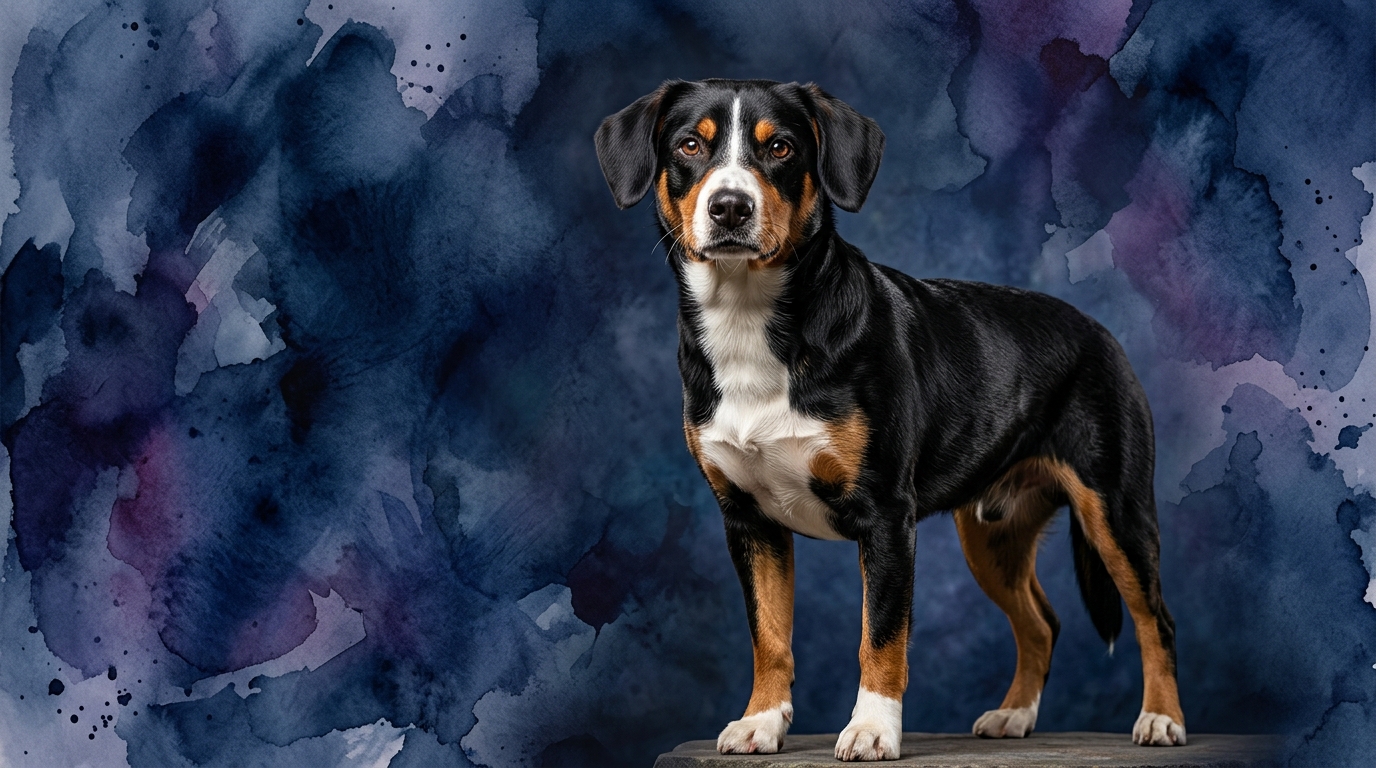
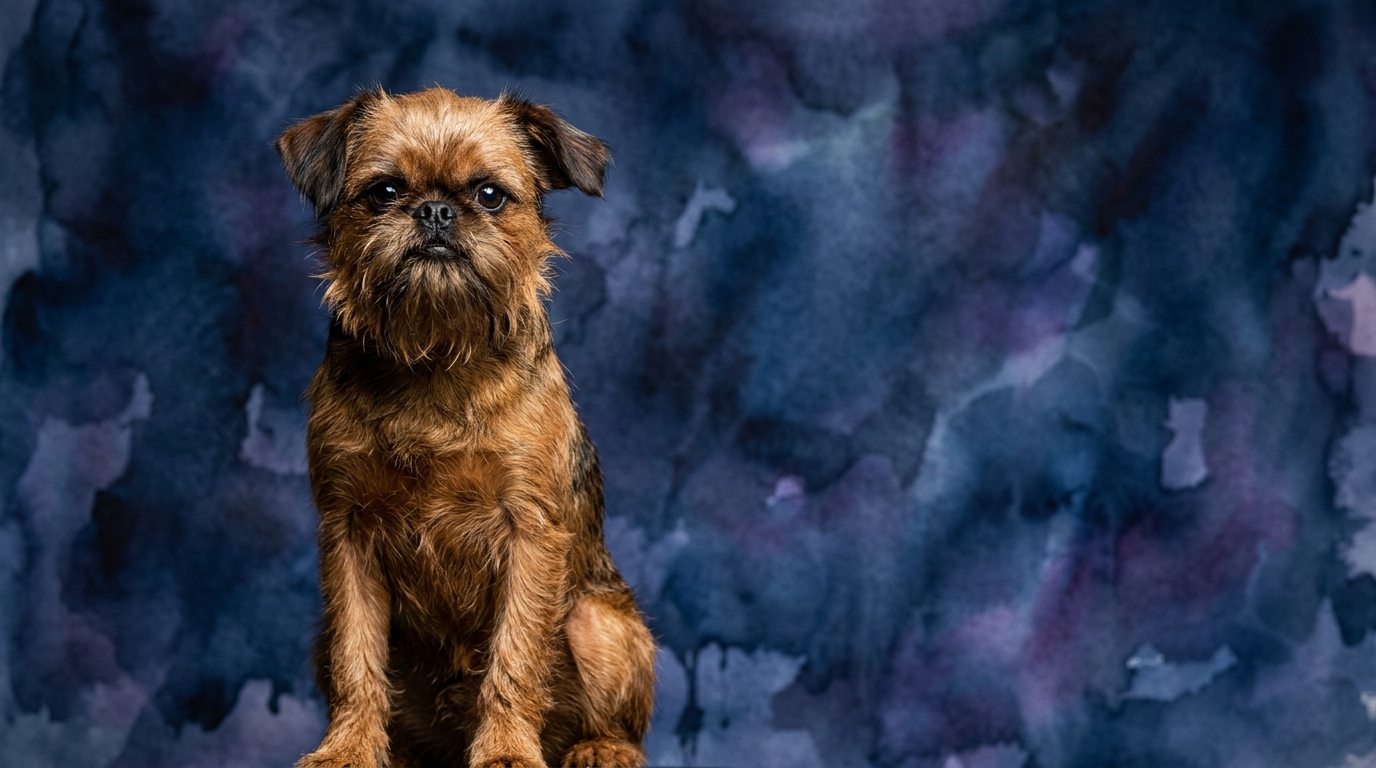
Side-by-side IQ profile
The Cosmic Pet Pet IQ Lab assesses canine intelligence across five key dimensions, providing a nuanced view beyond simple obedience. For both the Entlebucher Mountain Dog and the Brussels Griffon, all five dimensions register a solid 3 out of 5, indicating capable but not extreme cognitive abilities. However, the expression of these scores varies dramatically between the breeds, shaped by their ancestral responsibilities.
For Problem Solving (3/5), the Entlebucher Mountain Dog exhibits practical, environment-focused ingenuity. This manifests in their ability to navigate complex terrain while herding livestock, finding optimal routes, or figuring out how to manage a flock. Their problem-solving is often tied to physical tasks and independent decision-making in a working context. The Brussels Griffon, also at 3/5, demonstrates problem-solving in a more human-centric world. They might excel at figuring out how to open a treat cupboard, manipulating toys to their advantage, or subtly communicating their desires to their human companions. Their challenges often involve social dynamics or manipulating their immediate household environment for comfort or attention.
Regarding Training Speed (3/5), the Entlebucher Mountain Dog, as a herding breed, can pick up multi-step commands and routines with moderate repetition, especially when the tasks are purposeful and engaging. They respond well to clear, consistent instruction and thrive on having a job. The Brussels Griffon, with the same 3/5 score, also learns at a moderate pace, but their motivation might differ. They may quickly grasp tricks or house rules that earn them praise or treats, driven by their desire for human interaction. Their learning curve is steady, but consistent positive reinforcement is key to maintaining their focus.
Social Intelligence (3/5) in the Entlebucher Mountain Dog is geared towards understanding their handler's cues in a working environment and interpreting the behavior of livestock. They learn to predict movements and respond appropriately within a structured hierarchy. Their social awareness is functional and often directed towards achieving a task. The Brussels Griffon’s 3/5 in social intelligence is profoundly human-focused. They are adept at reading subtle shifts in human mood, understanding household routines, and discerning who is receptive to their charm. Their social acumen is honed for intimate companionship, allowing them to integrate seamlessly into family life and build strong emotional bonds.
The Instinctive Drive (3/5) of the Entlebucher Mountain Dog is rooted in their herding heritage. This drives them to organize, move, and protect, often displaying a strong desire to keep their "flock" (which can extend to their human family) together. This instinct provides a powerful internal motivation for work and can be channeled into various dog sports or tasks. For the Brussels Griffon, a 3/5 instinctive drive translates into an innate desire for companionship and engagement. They are driven to be near their people, participate in family activities, and seek attention. This drive, while not task-oriented like herding, is a powerful force shaping their behavior and emotional well-being.
Finally, Memory (3/5) for the Entlebucher Mountain Dog encompasses remembering complex command sequences, routes taken during herding, and the spatial layout of their working environment. Their memory is robust for practical information essential to their duties. The Brussels Griffon’s 3/5 memory is excellent for recalling specific people, preferred sleeping spots, intricate routines of the household, and where favorite toys or treats are located. Their memory serves their companion role, helping them navigate their social and domestic world effectively.
Where Entlebucher Mountain Dog wins cognitively
The Entlebucher Mountain Dog excels in cognitive areas demanding independence and environmental awareness. Their herding background means they possess a superior ability to process and react to dynamic outdoor stimuli, whether it's the movement of animals or changes in terrain. This breed demonstrates a robust capacity for sequential task execution, recalling a series of commands to achieve a larger objective, a skill less emphasized in companion breeds. Their problem-solving, while rated similarly, shines brighter in scenarios requiring spatial reasoning and navigating complex physical spaces without constant human direction. They are more likely to independently figure out how to retrieve an object from an unusual spot or manage a situation if their handler is momentarily distracted, relying on their innate understanding of cause and effect in a practical sense.
Where Brussels Griffon wins cognitively
Conversely, the Brussels Griffon shows a distinct cognitive advantage in areas requiring nuanced social interpretation and adaptability within a human household. Their social intelligence, while scoring 3/5, is intensely focused on human communication, allowing them to pick up on subtle emotional cues and anticipate their owner's needs or moods with remarkable precision. This breed often exhibits a greater aptitude for "people-reading" and adjusting their behavior to elicit desired responses, a skill honed by generations of close companionship. Their memory, also 3/5, is particularly strong for social routines, remembering which family member is most likely to offer a treat, or the precise time for a cuddle session. They are adept at learning the unspoken rules of a home and leveraging their charm to their advantage, showcasing a unique brand of domestic cunning.
Which is easier to train and why
Determining which breed is "easier" to train depends heavily on the training goals and the trainer's approach. Both breeds share a 3/5 training speed, indicating they are moderately receptive to learning. However, their intrinsic motivations and attention spans differ significantly. The Entlebucher Mountain Dog, with its strong instinctive drive and desire for a "job," often thrives in structured, task-oriented training environments. They respond well to clear, consistent commands and positive reinforcement tied to achievement, like completing an agility course or a herding exercise. Their independent nature means they might test boundaries, requiring a firm but fair hand, but once motivated by purpose, they can be remarkably focused and eager to please in a working context.
The Brussels Griffon, while equally capable of learning, often responds best to training that incorporates play, treats, and abundant social praise. Their intense desire for human connection means they are highly motivated by positive attention. They might pick up tricks quickly if it means being the center of attention. However, their sensitive nature means harsh corrections can be counterproductive, potentially leading to stubbornness or withdrawal. Their attention can also be more easily diverted by interesting scents or sounds in their immediate environment, requiring trainers to keep sessions engaging and relatively short. For basic obedience and house manners, the Griffon's people-pleasing tendencies can make them seem easier, especially if the training leverages their social intelligence. For complex, independent tasks, the Entlebucher's innate drive often gives it an edge.
Which suits active owners vs relaxed owners
The Entlebucher Mountain Dog is undeniably better suited for active owners who can provide consistent physical exercise and mental stimulation. Their herding background necessitates regular outlets for their energy and cognitive abilities. Owners who enjoy hiking, dog sports like agility or obedience trials, or even simply long, vigorous walks will find a willing and capable companion in the Entlebucher. Without sufficient engagement, their problem-solving and instinctive drive can manifest in undesirable behaviors, such as herding children or furniture, or finding their own "work" through destructive chewing. They thrive when given a purpose and need an owner who can commit to fulfilling that need daily.
The Brussels Griffon, while not a complete couch potato, is much better suited for more relaxed owners or those living in smaller spaces. Their exercise needs are moderate, typically satisfied with daily walks and indoor play. Their cognitive stimulation primarily comes from social interaction, puzzle toys, and learning new tricks that involve their human companions. They are content to be close to their people, observing household activities, and participating in quiet companionship. While they enjoy play, their overall energy expenditure is significantly lower than that of a herding breed. They are ideal for individuals or families seeking a devoted, charming companion who doesn't require extensive outdoor adventures, but still appreciates engaging mental activities within the home.
The Verdict
Choose the Entlebucher Mountain Dog if you seek a robust, energetic partner for outdoor adventures and structured activities, valuing a dog that thrives on purpose and independent problem-solving in a dynamic environment.
Choose the Brussels Griffon if you desire a charming, highly social companion who excels at reading human cues and thrives on intimate interaction within a home setting, with moderate exercise requirements.
🧠 Find Your Pet's IQ Score
Our Pet IQ Lab assessment covers 25+ tests across 5 cognitive dimensions — personalized to your breed.
Take the Full IQ Test →Frequently Asked Questions
Do Entlebucher Mountain Dogs need a lot of mental stimulation?
Yes, Entlebucher Mountain Dogs require substantial mental stimulation to prevent boredom and destructive behaviors. Their herding background means they thrive on tasks and problem-solving, benefiting greatly from training, puzzles, and engaging activities that challenge their intellect.
Are Brussels Griffons good at understanding human emotions?
Brussels Griffons possess a keen social intelligence, making them quite adept at understanding and responding to human emotions. Their companion nature has honed their ability to read subtle cues and adapt their behavior to their human family's moods and needs.
Can a Brussels Griffon participate in dog sports like agility?
While not built for the same endurance as herding breeds, Brussels Griffons can certainly participate in dog sports like agility, rally, or obedience. Their moderate training speed and desire for human interaction make them capable learners, especially in activities that involve their owner and offer positive reinforcement.