Side-by-Side Cognitive Profiles
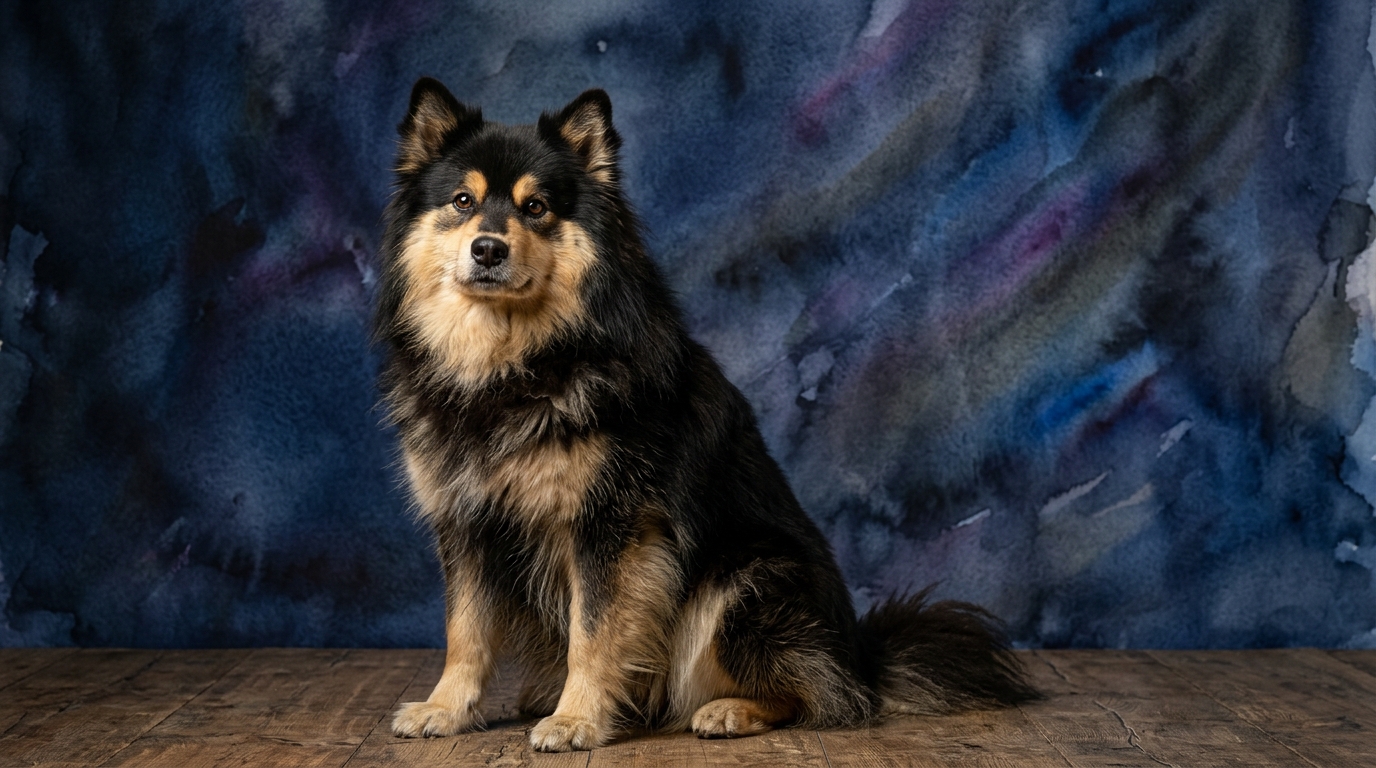
**Finnish Lapphund (Herding):** Originating from the Arctic, the Lapphund's cognitive makeup is shaped by centuries of herding reindeer. Their **Problem Solving (3/5)** reflects an ability to independently assess and react to dynamic situations within a flock, formulating practical solutions to maintain order and safety. **Training Speed (3/5)** indicates they learn new commands at a moderate pace, often requiring consistent motivation due to their independent herding spirit. Their **Social Intelligence (3/5)** is honed for collaborative work with humans and managing group dynamics within a flock, reading subtle cues and anticipating movements. An **Instinctive Drive (3/5)** for gathering, directing, and protecting is strong yet controllable, stemming from their inherent predispositions. Finally, their **Memory (3/5)** is solid for routines, commands, and spatial awareness of territory and flock members, crucial for their traditional roles.
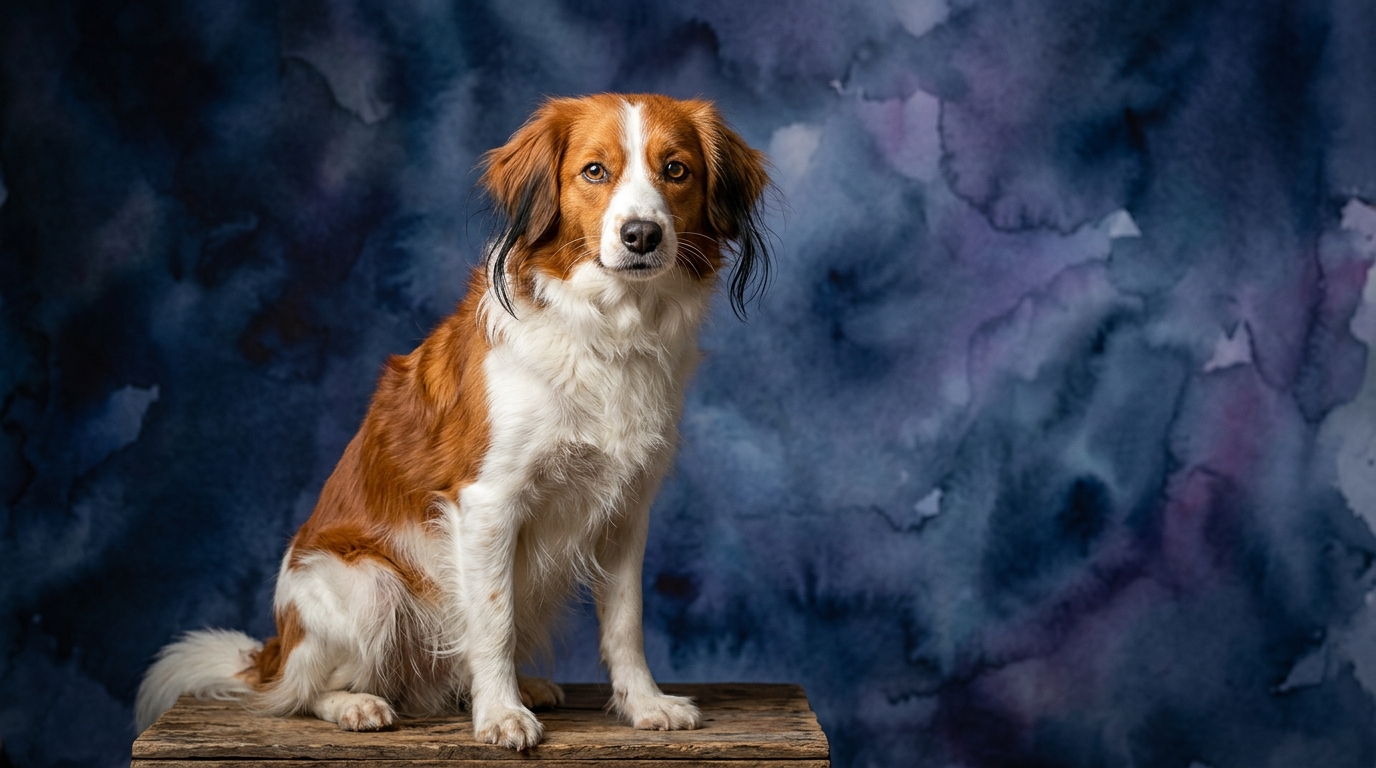
**Kooikerhondje (Sporting - Duck Tolling):** Hailing from the Netherlands, the Kooiker's cognitive strengths are rooted in its specialized duck-tolling work. Their **Problem Solving (3/5)** is applied to the intricate task of luring ducks, requiring an understanding of cause-and-effect, adapting playful movements to entice waterfowl, and navigating the environment subtly. **Training Speed (3/5)** means they learn tasks at a moderate pace, eager to engage, though their sensitivity means they respond best to positive reinforcement and clear instruction. Their **Social Intelligence (3/5)** is geared towards close partnership with a hunter, adept at reading subtle signals and working in tandem. The **Instinctive Drive (3/5)** centers around luring and retrieving, manifesting as a natural inclination for active, playful, attention-grabbing behaviors. Their **Memory (3/5)** is good for learned sequences, commands, and specific locations, essential for precise luring and retrieving techniques.
Where the Finnish Lapphund Excels Cognitively
Despite identical scores, the Finnish Lapphund's cognitive strengths particularly shine in scenarios demanding independent judgment within a dynamic, living system. Their **problem-solving (3/5)** in a herding context requires evaluating the unpredictable movements of livestock and formulating on-the-spot strategies to guide them, often without direct, moment-to-moment instruction. This differs from a Kooiker's problem-solving, which is more focused on a specific, learned sequence to achieve a luring outcome. The Lapphund's **social intelligence (3/5)** extends beyond a single handler to understanding complex group dynamics, not just of their human family, but of an entire flock, enabling them to anticipate and influence animal behavior on a larger scale. Their **instinctive drive (3/5)** is inherently about control and management, providing a nuanced understanding of boundaries and direction for other animals. This self-directed application of their cognitive abilities to maintain order and respond to environmental shifts gives them a distinct edge in roles requiring more autonomous decision-making in a fluid, organic environment. A Lapphund's memory, while rated 3/5, is particularly adept at spatial recall within changing landscapes and remembering individual animal temperaments, crucial for effective herding.
Where the Kooikerhondje Excels Cognitively
The Kooikerhondje, with its equally rated cognitive dimensions, demonstrates a different specialization that grants it an advantage in tasks requiring precision, focus, and a keen understanding of behavioral manipulation. Their **problem-solving (3/5)** is uniquely applied to the intricate art of luring, where they must subtly adjust their movements and playfulness to attract prey without alarming them. This requires a nuanced understanding of animal psychology and timing, a different kind of problem than managing a herd. The Kooiker's **training speed (3/5)**, while numerically identical, often manifests as a desire to please and a quickness to form associations, particularly when the training involves interactive play or retrieving, making them exceptionally adept at learning complex sequences of actions. Their **social intelligence (3/5)** is highly attuned to their human partner, fostering an intense, cooperative bond that makes them exceptionally responsive to subtle cues and hand signals, a critical aspect of silent hunting. The Kooiker's **instinctive drive (3/5)** is channeled into focused, repetitive, and often playful behaviors specifically designed to attract attention, a specialized application of their natural inclinations that sets them apart from the broader managerial instincts of a herding dog. Their memory shines in recalling specific patterns of movement and precise locations for hidden objects, essential for their luring and retrieving work.
Training Dynamics: Independence vs. Partnership
Both the Finnish Lapphund and Kooikerhondje score 3/5 in training speed, suggesting neither is inherently “easier” in a broad sense, but their training approaches and typical responses differ significantly due to their historical functions. The Kooikerhondje often presents as more eager to please and highly motivated by interactive play and rewards, making them generally receptive to positive reinforcement methods. Their history of working closely with hunters means they are accustomed to taking direction and forming a tight partnership, which can translate into a smoother training experience for owners who are consistent and gentle. However, Kooikers can be sensitive; harsh methods or inconsistency can lead to withdrawal or anxiety, making patience and a soft touch paramount.
The Finnish Lapphund, while also responsive to positive methods, brings a strong independent streak rooted in their herding background. They were historically tasked with making decisions autonomously in the field, meaning they might question commands or try to find a more “efficient” way to complete a task if it differs from their instinct. This independence can sometimes be perceived as stubbornness, requiring a trainer to be particularly engaging and to make training feel like a collaborative effort rather than a strict imposition. While they learn commands, their application of these commands might be filtered through their own judgment, which means consistency and clear boundaries are crucial to ensure reliability. Therefore, for an owner seeking a dog that naturally defers to instruction, the Kooiker might feel slightly “easier,” while the Lapphund requires an owner who appreciates and can channel an independent thinker.
Lifestyle Match: Active Engagement for Both
For active owners, both breeds offer considerable engagement, but their ideal activities diverge. The Finnish Lapphund, with its herding lineage, thrives on activities that engage both its body and mind. They excel in dog sports like agility, obedience, and especially herding trials, which tap into their instinctive drive and problem-solving abilities. They enjoy long hikes, exploring varied terrain, and need consistent mental stimulation to prevent boredom. An active owner for a Lapphund is someone who enjoys outdoor adventures and is committed to providing a “job” or a structured outlet for their dog's energy and intelligence, even if it's just advanced training or puzzle toys. They are adaptable but truly flourish when given purpose.
The Kooikerhondje, as a sporting breed, also requires significant daily exercise and mental engagement. They are agile, quick, and possess a strong retrieving drive, making them excellent candidates for fetch, flyball, dock diving, and scent work. Their natural luring behavior means they enjoy games that involve hide-and-seek or “find it.” An active owner for a Kooiker is someone who enjoys interactive play, structured training sessions, and can provide regular opportunities for them to burn off energy in a focused manner. Neither breed is particularly suited for a truly “relaxed” owner who prefers minimal engagement. Both possess a 3/5 instinctive drive and require outlets. However, if forced to choose for a slightly less intense activity level, a well-exercised Kooiker can be quite content to relax indoors with their family, often being described as more of a “velcro dog” than the Lapphund. The Lapphund, while affectionate, often retains a more watchful and independent demeanor, even indoors, always ready for the next task or adventure. Therefore, owners seeking a companion for consistent, structured activities will find joy in either, but those desiring a dog that can transition more readily to quiet indoor companionship after exercise might lean slightly towards the Kooiker.
The Verdict
Choose the Finnish Lapphund if you value an independent thinker capable of autonomous decision-making, thrive on outdoor adventures in varied environments, and are prepared to engage a dog with a strong herding instinct through consistent, collaborative training and activities that provide a sense of purpose.
Opt for the Kooikerhondje if you seek a highly cooperative, sensitive partner for interactive play and structured training, appreciate a dog whose intelligence shines in precision tasks and close partnership, and are committed to fulfilling its sporting drives with focused activities like retrieving and agility.
🧠 Find Your Pet's IQ Score
Our Pet IQ Lab assessment covers 25+ tests across 5 cognitive dimensions — personalized to your breed.
Take the Full IQ Test →Frequently Asked Questions
Do Finnish Lapphunds bark a lot due to their herding background?
Finnish Lapphunds do tend to be vocal, using barks to communicate and alert, a trait stemming from their herding role where they needed to signal to both flock and shepherd. Consistent training can manage this tendency, but owners should expect a certain level of expressiveness.
Are Kooikerhondjes good with children and other pets?
Kooikerhondjes can be excellent family pets, often forming strong bonds with children when properly socialized and introduced. Their sensitive nature means they thrive in calm, respectful environments, and they generally get along well with other pets if raised together.
What kind of mental stimulation do these breeds need?
Both breeds benefit greatly from puzzle toys, scent work, and learning new tricks to engage their problem-solving and memory. For Lapphunds, this can include mock herding games, while Kooikers enjoy games that mimic their luring and retrieving tasks, along with structured obedience.