Side-by-Side IQ Profile: Unpacking Identical Scores
On paper, the Finnish Lapphund and the Toy Fox Terrier appear to possess identical cognitive profiles, each scoring 3 out of 5 across all five dimensions measured by The Cosmic Pet Pet IQ Lab. However, these scores are broad indicators, and their manifestation in daily life is deeply colored by each breed's heritage and physical attributes. Understanding this nuance is key to appreciating their distinct forms of cleverness.
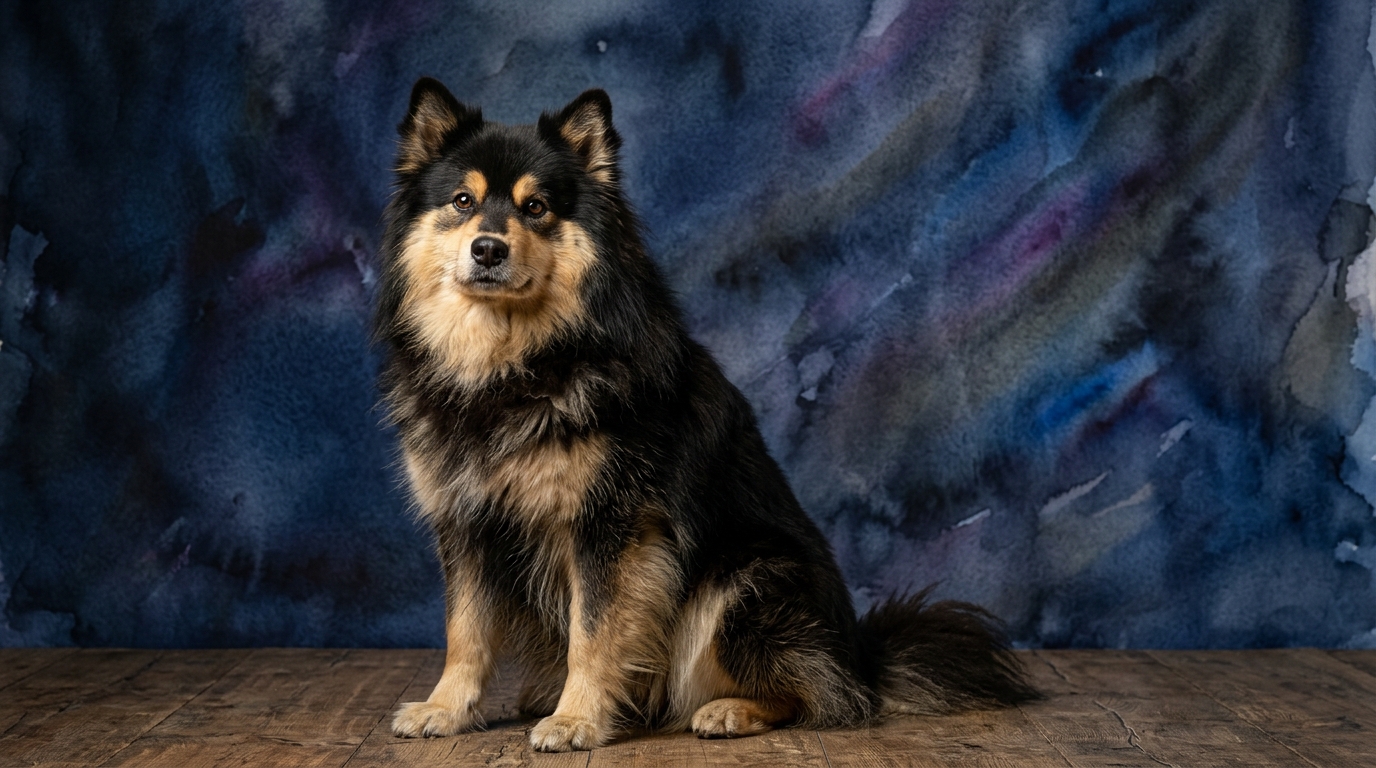
The **Finnish Lapphund**, a venerable herding dog from the Arctic, demonstrates its **Problem Solving (3/5)** by adapting to dynamic, often challenging environments. They excel at assessing complex situations involving livestock, terrain, and weather, devising strategies to keep a flock cohesive or guide it efficiently. This isn't about solving abstract puzzles but practical, real-world environmental navigation. Their **Training Speed (3/5)** reflects a willingness to learn and please, yet their independent herding judgment means they aren't always blindly compliant. They might pause to evaluate if a command makes sense within the current context, which can be interpreted as a thoughtful, rather than slow, uptake. Their **Social Intelligence (3/5)** is evident in their deep attunement to family dynamics and emotions; they are perceptive companions who offer comfort and can subtly read moods. While affectionate with their inner circle, they approach strangers with reserved observation, processing new social inputs carefully. The **Instinctive Drive (3/5)** of a Lapphund is rooted in herding – a desire to gather, control, and protect their 'flock,' often using their voice to communicate or direct, a protective rather than predatory impulse. Finally, their **Memory (3/5)** is robust, retaining learned commands, routines, and the intricate layouts of their familiar environments, crucial for tasks requiring sequential actions and navigating known territories.
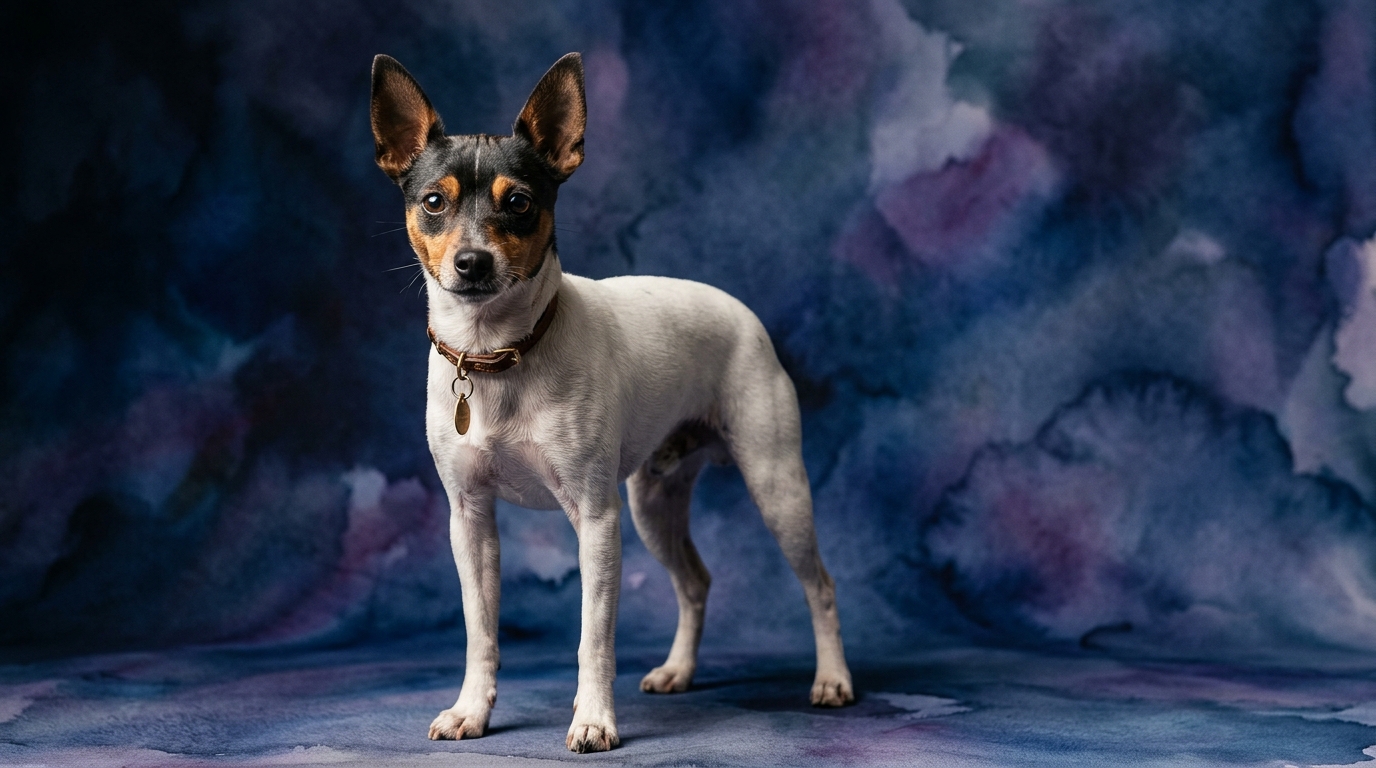
In contrast, the **Toy Fox Terrier (TFT)**, a spirited American toy breed with a terrier heart, expresses its **Problem Solving (3/5)** through clever manipulation of its immediate environment. They are adept at figuring out how to access forbidden areas, open cabinets, or use objects to achieve desired outcomes like getting treats or attention. Their small size makes them particularly resourceful in navigating tight spaces and exploiting opportunities. Their **Training Speed (3/5)** is characterized by a quick wit and rapid grasp of new commands, especially when highly motivated by treats, praise, or play. However, their innate terrier tenacity and independent streak can emerge as stubbornness if they find a task unrewarding or tedious, requiring consistent, engaging training methods. The TFT's **Social Intelligence (3/5)** makes them highly observant of their human companions, skilled at reading subtle cues and emotional states. They often employ their charm and understanding of human behavior to solicit attention or get their way, though they can be opinionated and less tolerant of unfamiliar people or animals, relying on their social perception to manage these interactions. Their **Instinctive Drive (3/5)** is a strong, inherited terrier instinct for hunting small vermin, manifesting as keen curiosity, a desire to dig, and focused pursuit of small moving objects. They are alert and attentive, always ready for an investigation. Their **Memory (3/5)** is solid, enabling them to recall routines, where favorite items are hidden, and often exhibiting favoritism or holding grudges based on past interactions, indicating strong associative memory.
Where the Finnish Lapphund Excels Cognitively
Despite sharing identical IQ scores, the Finnish Lapphund truly shines in cognitive scenarios demanding sustained focus and nuanced environmental awareness. Their herding heritage has honed their ability to process multiple, simultaneous stimuli within a complex, open-air setting. A Lapphund's intelligence is particularly effective when it comes to long-term spatial memory, enabling them to navigate vast, familiar territories and recall specific locations or routes. Furthermore, their social intelligence, while reserved with strangers, allows for profound, subtle communication within their trusted family unit. They excel at understanding unspoken cues and providing comfort or warning without overt instruction, showcasing a deeply integrated emotional and practical understanding of their human companions. This nuanced social processing, combined with their capacity for independent judgment in dynamic situations, gives them an edge in roles requiring a thoughtful, rather than purely reactive, response to their environment and social group.
Where the Toy Fox Terrier Excels Cognitively
The Toy Fox Terrier's cognitive strengths lie in their quick adaptability to novel, small-scale challenges and their astute social manipulation. Their terrier wit makes them exceptional at 'figuring things out' within a confined, human-centric environment – whether it's opening a child-proof gate or discovering the prime spot for sunbathing. Their problem-solving is often expressed through cunning and resourcefulness in achieving personal comfort or gaining attention. The TFT’s sharp social intelligence allows them to rapidly assess a situation and determine the most effective strategy for getting their way, often using charm or a well-timed vocalization. They are masters of observation, quickly learning the routines and weaknesses of their human household members. This blend of quick wit, environmental opportunism, and social savvy makes them surprisingly effective at navigating the intricacies of domestic life and ensuring their own needs are met, often with an endearing, mischievous flair.
Which Is Easier to Train and Why
While both breeds score 3/5 in training speed, the 'ease' of training them can differ significantly due to their inherent motivations and distractions. The Finnish Lapphund, with its eager-to-please nature and strong bond with its family, is generally biddable and responsive to positive reinforcement. They thrive on having a 'job' and genuinely enjoy working alongside their human, making them receptive to learning complex command sequences for activities like obedience, agility, or even search and rescue. Their independence, however, means they need a trainer who understands their thoughtful nature and can make training engaging to prevent them from becoming bored or deciding a command isn't relevant. Consistency and positive reinforcement are crucial to building trust and cooperation with a Lapphund, harnessing their desire to be a contributing member of the 'flock'.
The Toy Fox Terrier, conversely, is quick to pick up new commands and tricks, often dazzling with their rapid learning ability. Their motivation is often rooted in personal gain – treats, praise, or the sheer fun of the game. However, their terrier tenacity and innate prey drive can be significant distractions. A sudden rustle outside, or the scent of a phantom mouse, can instantly derail a training session. Their stubborn streak means they might choose not to comply if they don't see the immediate benefit or if the training isn't consistently engaging. Training a TFT requires creativity, a high-value reward system, and unwavering consistency to keep their attention and ensure compliance against their independent spirit. While they learn quickly, managing their focus and stubbornness can present unique challenges that differ from the Lapphund's more cooperative, albeit sometimes thoughtful, approach.
Which Suits Active Owners vs. Relaxed Owners
For active owners seeking a canine companion for outdoor adventures and structured activities, the Finnish Lapphund often proves to be an excellent match. Their background as working herding dogs means they possess considerable stamina and a deep-seated need for both physical exercise and mental engagement. They thrive on long walks, hikes, snowshoeing, and participating in dog sports such as agility, obedience, or herding trials. A Lapphund benefits immensely from owners who can provide consistent stimulation, varied routines, and opportunities to use their problem-solving skills in practical ways. Their social intelligence also means they deeply appreciate being an integral part of family activities, not just a spectator. Owners who enjoy an active, outdoor lifestyle and are willing to invest time in training and bonding will find a devoted and capable partner in the Finnish Lapphund.
The Toy Fox Terrier, while small, is far from a sedentary lapdog, making them suitable for owners who are active in a different sense. They are energetic, curious, and love to play, but their exercise needs can often be met with vigorous indoor play sessions, short bursts of outdoor activity, and regular walks. They excel in dog sports like agility and flyball, where their speed and quick thinking are an asset, and their compact size makes them ideal for owners in smaller living spaces. Relaxed owners might find their constant curiosity and need for mental engagement a bit demanding if not channeled properly, as boredom can lead to mischievous problem-solving. However, for owners who appreciate a lively, engaging companion who enjoys interactive play and can adapt to a varied schedule of activity, the Toy Fox Terrier is a fantastic choice. They are excellent companions for those who enjoy playful interaction, short adventures, and a dog that is always ready for a game or a cuddle on the couch.
The Verdict
Choose the Finnish Lapphund if you're an active, outdoor-oriented owner seeking a thoughtful, devoted companion for complex activities and family integration. Their intelligence shines in nuanced environmental processing and deep social bonds.
Opt for the Toy Fox Terrier if you appreciate a quick-witted, charming, and energetic companion who excels at navigating domestic life with cunning and charm. Their intelligence is best suited for interactive play and clever problem-solving in a home environment.
🧠 Find Your Pet's IQ Score
Our Pet IQ Lab assessment covers 25+ tests across 5 cognitive dimensions — personalized to your breed.
Take the Full IQ Test →Frequently Asked Questions
Are Finnish Lapphunds good with children?
Yes, Finnish Lapphunds are generally excellent with children, often displaying a gentle and patient demeanor. Their herding instinct can sometimes manifest as a desire to 'flock' children, but with proper socialization and supervision, they are loving and protective family members.
Do Toy Fox Terriers bark a lot?
Toy Fox Terriers can be prone to barking due to their alert nature and strong prey drive, often vocalizing at perceived threats or new sounds. Consistent training and early socialization can help manage excessive barking, but they will likely always be vocal watchdogs.
Which breed requires more grooming?
The Finnish Lapphund, with its thick double coat, requires more significant grooming, including regular brushing to prevent matting and manage shedding. The Toy Fox Terrier's short, smooth coat is much lower maintenance, needing only occasional brushing and bathing.