
Side-by-Side Cognitive Profiles at The Cosmic Pet Pet IQ Lab
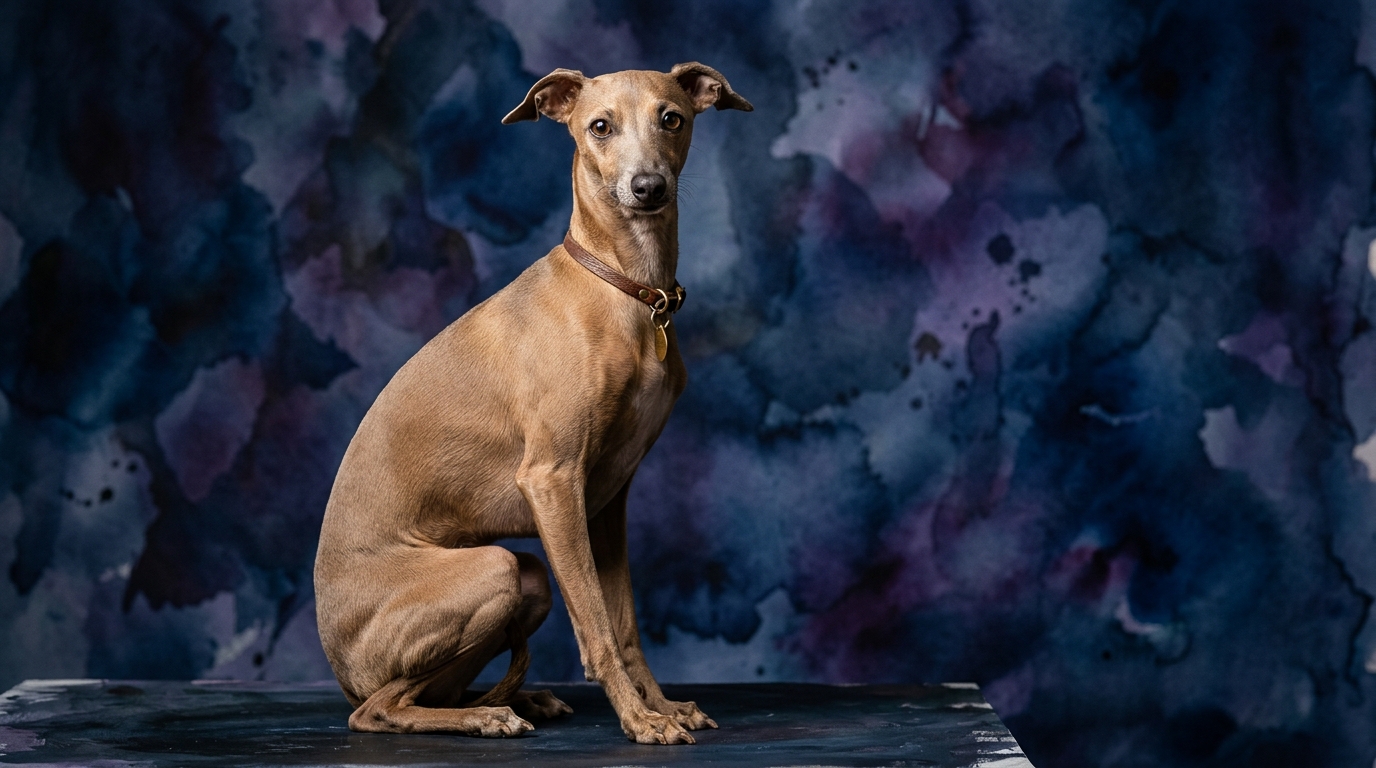
At The Cosmic Pet Pet IQ Lab, we evaluate canine intelligence across five key dimensions, revealing the nuanced mental architectures of each breed. For the German Shorthaired Pointer (GSP), a breed Coren-ranked at #17, and the Italian Greyhound (IG), not Coren-ranked, these profiles paint a clear picture of their predispositions.
The German Shorthaired Pointer's cognitive breakdown highlights its working heritage: Problem Solving at 5/5 means they demonstrate exceptional abilities in navigating complex situations and devising solutions, a critical trait for a hunting dog needing to strategize in varied terrains. Their capacity to independently assess environmental cues and adapt their approach is a hallmark of their cognitive makeup. Training Speed is rated 4/5, indicating a remarkable aptitude for learning new commands and routines quickly; their eagerness to engage and their ability to forge strong associations between actions and outcomes make them highly receptive to structured training. Social Intelligence at 4/5 shows GSPs exhibit strong social awareness, readily interpreting human intentions and responding appropriately within a family dynamic, extending to understanding pack dynamics. Their Instinctive Drive is a perfect 5/5, manifesting as an intense desire to hunt, retrieve, and track, fueling their focus and persistence as tireless workers. Memory at 4/5 confirms they possess robust memory capabilities, retaining complex sequences of commands, locations of hidden objects, and past experiences with considerable accuracy.
In contrast, the Italian Greyhound's profile reflects its companion role: Problem Solving at 3/5 suggests they display moderate problem-solving skills, often relying on learned behaviors or seeking human assistance rather than independently devising complex solutions, with their cognitive strength lying more in adapting to their immediate environment and routine. Training Speed is 3/5, meaning while capable of learning, IGs generally require more patience and repetition; their focus can be more intermittent, and they may be less driven by external motivators. Social Intelligence at 3/5 indicates IGs are deeply affectionate and form strong bonds with their immediate family, exhibiting a nuanced understanding of their human companions' moods and routines, though their social circle tends to be smaller. Their Instinctive Drive is 3/5, retaining a sighthound's urge to chase small, fast-moving objects, but this drive is typically less intense and persistent than a GSP's. Memory is also 3/5, showing Italian Greyhounds have functional memory, recalling familiar people, places, and basic commands, but their retention of complex sequences may not be as robust or long-lasting as breeds bred for extensive recall.
Where the German Shorthaired Pointer Wins Cognitively
The GSP's cognitive advantages are most apparent in scenarios demanding advanced mental agility and sustained focus. Their 5/5 problem-solving ability means they excel at tasks requiring independent thought, such as figuring out how to retrieve an object from a difficult spot, navigating complex scent trails, or even independently discerning the best path during a hunt. This breed's formidable instinctive drive (5/5) means they possess an unparalleled internal motivation to pursue tasks, whether it’s tracking game for hours or mastering a new agility course with unwavering enthusiasm. This intrinsic drive, coupled with their 4/5 training speed, allows them to absorb and apply new information rapidly, making them highly efficient learners in disciplines like obedience, field trials, and search and rescue. Their robust memory (4/5) supports this, enabling them to retain intricate patterns and commands, crucial for executing multi-step instructions or remembering the layout of vast hunting grounds. For an owner seeking a canine partner capable of complex learning and independent action, the GSP's cognitive profile offers a clear advantage in depth and versatility.
Where the Italian Greyhound Wins Cognitively
While the Italian Greyhound's cognitive scores might appear modest in comparison, their unique intellectual strengths are perfectly suited for their role as cherished companions. Their 3/5 social intelligence, focused intently on their immediate human family, allows them to be exceptionally attuned to their owner's emotional states and preferences, making them intuitive and sensitive housemates who excel at quiet companionship. This breed “wins” in the realm of low-impact cognitive demands, meaning they are less prone to exhibiting destructive behaviors stemming from boredom or under-stimulation if they aren't constantly challenged with complex puzzles or rigorous training, unlike breeds with intense drives. Their moderate instinctive drive (3/5) means they are less likely to be consumed by an overwhelming urge to hunt or work, allowing them to settle contentedly into a relaxed home environment. For owners seeking a dog whose cognitive needs align with a calm, affectionate, and relatively low-key companionship, the IG's profile is ideal, requiring mental engagement that is more about routine and comfort than complex problem-solving, making them exceptionally adaptable to indoor living and prioritizing warmth and human connection.
Training Dynamics: GSP vs. IG
Without question, the German Shorthaired Pointer presents a more straightforward and often more rewarding training experience for most owners, primarily due to its exceptional problem-solving (5/5), training speed (4/5), and overwhelming instinctive drive (5/5). GSPs are inherently eager to engage and possess a strong work ethic; they thrive on having a “job” and quickly understand what is expected of them, often mastering basic obedience commands in just a few repetitions. Their robust memory further solidifies their learning, allowing them to build upon previous lessons efficiently. For example, a GSP will typically grasp house-training concepts or complex retrieve commands with greater speed and consistency due to their drive to perform and cognitive processing power.
In contrast, the Italian Greyhound, with its 3/5 ratings across problem-solving, training speed, and instinctive drive, requires a significantly different training approach. IGs can be sensitive and easily distracted, often preferring to engage on their own terms. While they are certainly capable of learning, their training demands immense patience, consistent positive reinforcement, and a keen understanding of their sometimes-fickle nature. They are less driven by the desire to work for extended periods and more motivated by comfort and affection, meaning training sessions need to be short, engaging, and highly rewarding to maintain their interest. For instance, house-training an IG often requires more extended dedication and very consistent supervision compared to a GSP, who typically grasps the concept more readily due to their higher cognitive processing and desire to adhere to routines. Their independent streak also means they might choose to ignore a command if they don't perceive an immediate, compelling reason to comply.
Matching Canine Cognition to Owner Lifestyles
The cognitive and physical demands of these two breeds align perfectly with distinct owner lifestyles. The German Shorthaired Pointer is unequivocally suited for active owners who can meet their substantial mental and physical needs. Their 5/5 instinctive drive and 5/5 problem-solving abilities mean they require consistent engagement through demanding activities like hunting, agility, long-distance running, or complex puzzle games that challenge their intellect. An owner who doesn't provide sufficient outlets for these cognitive strengths will likely find a GSP becoming bored, which can manifest as destructive behaviors, excessive vocalization, or an inability to settle in the home.
Conversely, the Italian Greyhound is an ideal match for more relaxed owners. Their moderate instinctive drive (3/5) and lower demand for continuous cognitive challenge mean they are content with shorter bursts of play, gentle walks, and ample cuddle time on the sofa. While they still need regular exercise to maintain health, their mental stimulation needs are largely met through routine, companionship, and the occasional interactive toy, making them excellent companions for individuals or families with a more sedentary lifestyle or those living in smaller spaces where intense outdoor activity isn't always feasible. Their cognitive profile allows them to thrive in a calm domestic setting, prioritizing comfort and close human interaction over demanding 'work'.
The Verdict
Choose a German Shorthaired Pointer if you are an active, experienced owner seeking a highly trainable, intelligent, and driven canine partner for demanding activities like hunting, sports, or complex tasks. Their profound cognitive abilities require consistent engagement and purpose.
Opt for an Italian Greyhound if you desire a sensitive, affectionate, and relatively low-maintenance companion whose cognitive needs are met through routine, companionship, and a calmer lifestyle, perfectly suited for indoor living and close human bonds.
🧠 Find Your Pet's IQ Score
Our Pet IQ Lab assessment covers 25+ tests across 5 cognitive dimensions — personalized to your breed.
Take the Full IQ Test →Frequently Asked Questions
Are Italian Greyhounds difficult to train?
Italian Greyhounds are not inherently difficult, but they require patience and positive reinforcement, often responding best to short, fun sessions rather than rigorous drills. Their moderate training speed means they may take longer to grasp concepts compared to working breeds, and consistency is key to success in shaping their behaviors.
How much mental stimulation does a German Shorthaired Pointer need daily?
German Shorthaired Pointers need significant daily mental stimulation, ideally through activities that engage their problem-solving and instinctive drive, such as advanced obedience, scent work, or complex puzzle toys, in addition to vigorous physical exercise. Without adequate mental outlets, they can become bored, restless, and may develop undesirable behaviors.
Can a German Shorthaired Pointer live in an apartment?
While a GSP can technically live in an apartment, it is far from ideal due to their profound need for extensive physical and mental activity. They require a dedicated owner who can commit to multiple hours of rigorous exercise and cognitive engagement daily to prevent frustration and behavioral issues in a confined space, making a home with a yard generally more suitable.