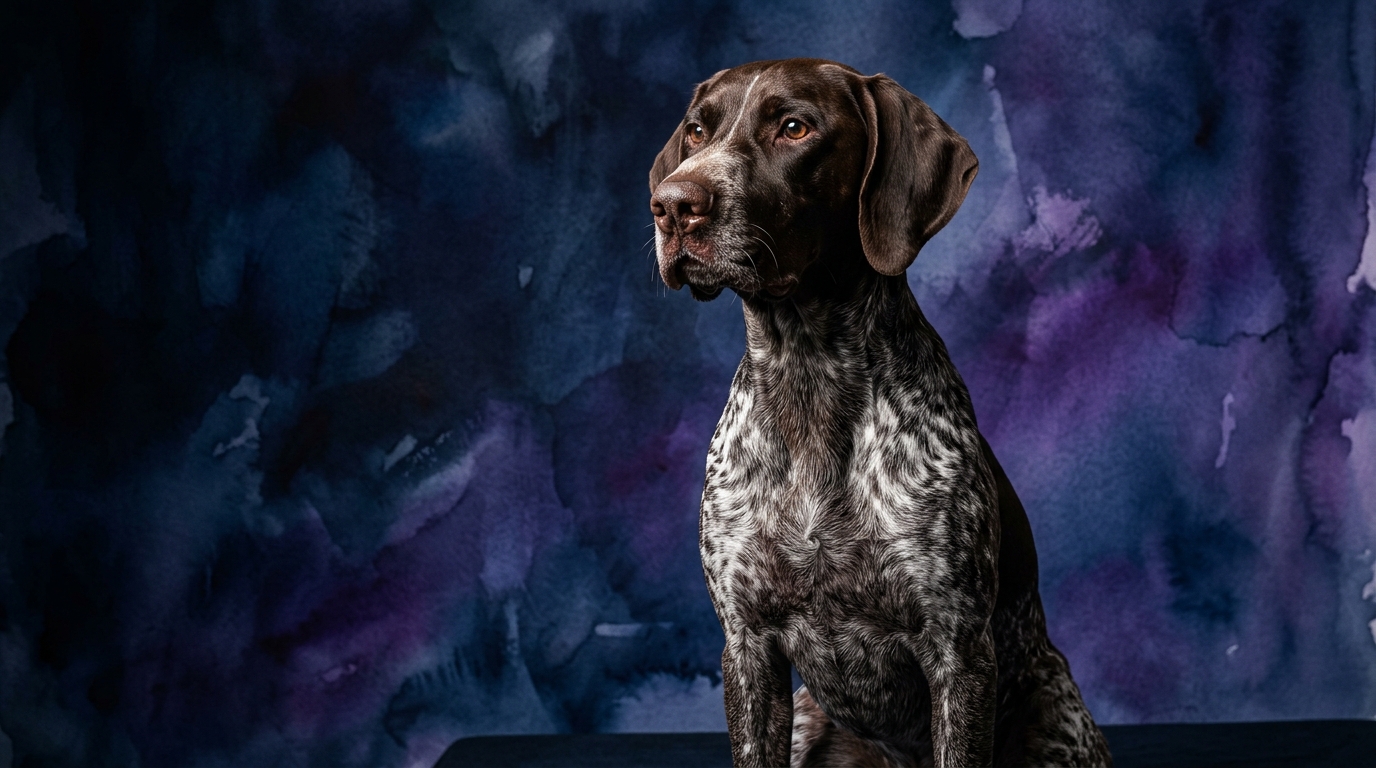
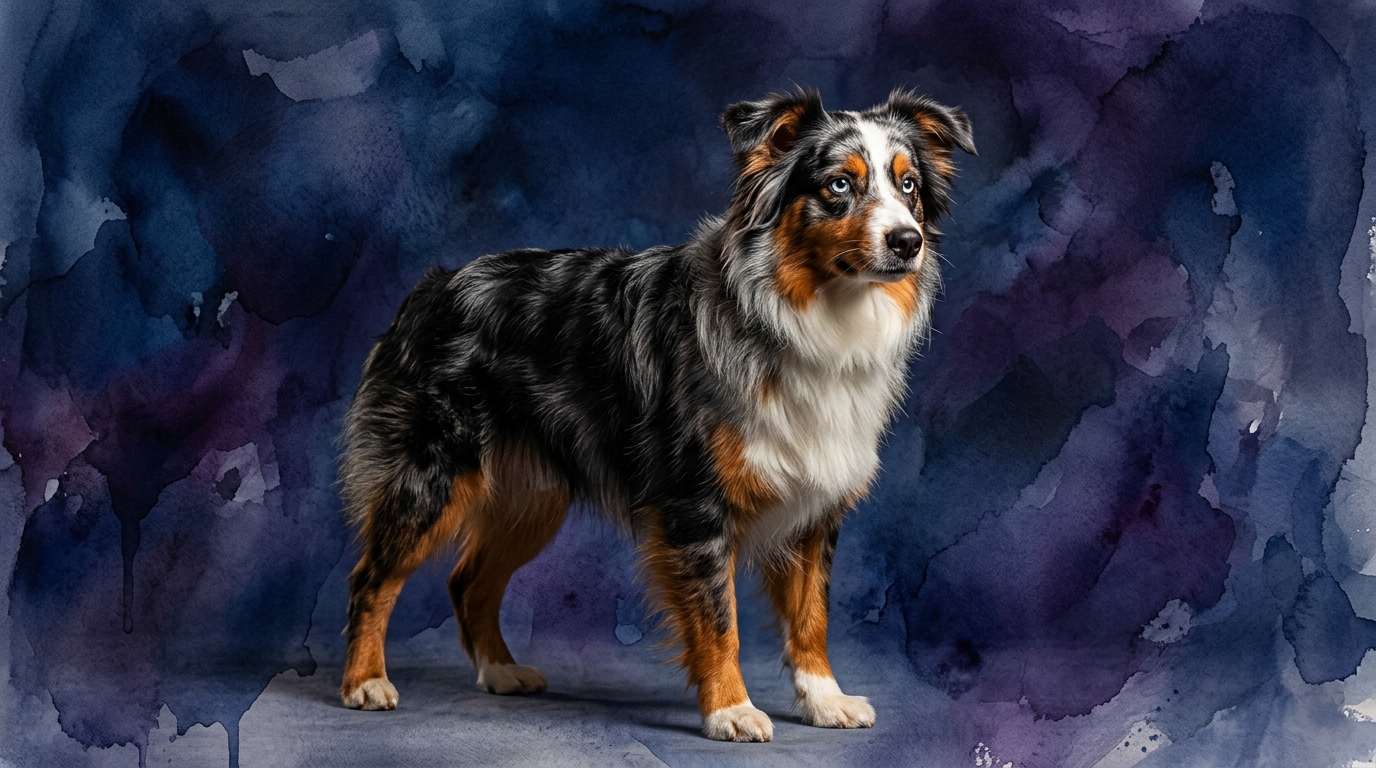
Side-by-Side IQ Profile: A Deeper Look at Canine Cognition
The German Shorthaired Pointer (GSP) showcases an exceptional cognitive toolkit, starting with a perfect 5/5 in Problem Solving. This means they are remarkably adept at strategizing and adapting to novel situations, quickly devising solutions to challenges, particularly those linked to their inherent drive for hunting and retrieving. Their Training Speed is rated 4/5, indicating a rapid capacity to grasp new commands and routines, often requiring fewer repetitions than many other breeds to achieve mastery. Social Intelligence stands at 4/5, reflecting their strong ability to interpret human cues and intentions, fostering deep bonds and understanding family dynamics. A defining trait is their 5/5 Instinctive Drive, an extremely potent natural urge for tracking, pointing, and retrieving, which fundamentally motivates much of their behavior and learning. Finally, their Memory is solid at 4/5, ensuring excellent retention of learned behaviors, complex routes, and past experiences, contributing to their consistent performance across varied environments.
In contrast, the Miniature American Shepherd (MAS) presents a more moderate cognitive profile. Their Problem Solving is rated 3/5, suggesting they can navigate straightforward puzzles but may require more guidance for complex, multi-step challenges. Training Speed also sits at 3/5, meaning they learn at an average pace, benefiting significantly from consistent repetition and clear, patient instruction to master new tasks. Social Intelligence is 3/5, indicating a general ability to interpret basic human emotions and intent, though they might be more reserved or less overtly demonstrative than some breeds. Their Instinctive Drive is moderate at 3/5, manifesting as herding tendencies that are present but typically manageable in a home environment, less intense than the GSP's powerful prey drive. Memory is likewise 3/5, solid for familiar routines and frequently used commands, but they might benefit from occasional refreshers for less common knowledge.
Where the German Shorthaired Pointer's Mind Excels
The German Shorthaired Pointer's cognitive strengths are particularly evident in their superior problem-solving capabilities. A 5/5 rating means they don't just react; they actively strategize. For instance, a GSP presented with a complex scent trail might not only follow it but also anticipate changes in wind direction or terrain, adjusting their approach proactively to locate their target. This isn't brute instinct; it’s an agile, adaptive intellect at play, constantly evaluating and refining tactics in real-time. This sharp discernment extends beyond the field, allowing them to figure out intricate puzzle toys or navigate novel home environments with remarkable efficiency. Their exceptional problem-solving also underpins their ability to learn complex sequences of commands and adapt them to varying contexts, showcasing a flexible cognitive framework.
Furthermore, the GSP's potent 5/5 Instinctive Drive isn't merely about boundless energy; it's a profound cognitive engine. This drive fuels an intense focus and unwavering persistence on tasks, making them relentless in pursuing a scent, retrieving a thrown object, or mastering a new agility course. This inherent motivation translates into a powerful willingness to engage and work, provided their human companion channels it effectively. Their faster Training Speed (4/5) directly correlates with their superior cognitive processing, allowing them to form associations between commands, actions, and rewards more rapidly. This means fewer repetitions are needed for a GSP to internalize a new behavior, enabling them to build a broad and sophisticated behavioral repertoire more quickly than many other breeds. Coupled with a 4/5 Memory, they retain these complex skills and environmental details over extended periods, which is invaluable for consistent performance in demanding activities like field trials or advanced obedience.
Where the Miniature American Shepherd's Cognition Shines
While the Miniature American Shepherd's cognitive scores are generally more moderate, these traits offer distinct advantages for specific lifestyles. Their 3/5 Instinctive Drive, compared to the GSP's intense 5/5, means MAS dogs experience less internal pressure to constantly 'work' or channel overwhelming primal urges. This translates to a dog that, while still active and engaged, is often more adaptable to a less structured, non-working home environment. Owners might find an MAS less prone to developing self-employment behaviors driven by an insatiable need to fulfill a deep-seated hunting or tracking instinct. This cognitive moderation makes them less likely to 'freelance' in ways that can be challenging for inexperienced owners.
The MAS's balanced Problem Solving (3/5) and Social Intelligence (3/5) can also be seen as a cognitive win for owners seeking a companion that is responsive and affectionate without the demanding intellectual intensity of a high-drive sporting dog. They are capable of learning and engaging, but less likely to 'outsmart' their owners with elaborate schemes born from boredom or overthinking. Their moderate social intelligence means they form strong, loyal bonds without necessarily requiring the same level of constant emotional 'check-ins' or intricate communication that some more socially astute breeds might demand. This can result in a more independent yet still devoted companion, suitable for owners who appreciate a dog that is present and loving without being overtly demanding of their human's mental energy. Essentially, the MAS offers a cognitive profile that is highly tractable and manageable, making them a joyful and less cognitively 'high-maintenance' member of the family.
Training Dynamics: GSP vs. MAS Ease of Instruction
When evaluating ease of training, the German Shorthaired Pointer and Miniature American Shepherd present different experiences. The GSP, with its 4/5 Training Speed and 5/5 Problem Solving, generally learns new commands and complex tasks with remarkable rapidity. Their quick cognitive processing means they form associations between cues, actions, and consequences very efficiently. For instance, teaching a GSP a multi-step retrieve, like finding a specific item among others, can be achieved with fewer repetitions because their problem-solving mind quickly grasps the objective and the means to achieve it. Their powerful 5/5 Instinctive Drive, when properly channeled, acts as a potent motivator, making them eager to engage in training that aligns with their natural predispositions, often exhibiting intense focus and determination.
However, this same high drive necessitates an owner who can consistently provide clear direction and channel that energy productively; an unchanneled GSP might use its problem-solving skills to open gates or find its own 'work,' which can be challenging. The Miniature American Shepherd, with its 3/5 Training Speed and Problem Solving, requires a more patient and consistent approach. They are certainly trainable and eager to please, but they typically need more repetitions to solidify new behaviors. For example, mastering a new agility sequence might take an MAS a few more sessions to reliably perform compared to a GSP. Their moderate 3/5 Instinctive Drive means they are less likely to be overwhelmed by intense internal urges, which can make them less prone to independent 'freelancing' and more amenable to following an owner's lead in a general pet context. While the GSP might learn faster and achieve higher levels of complexity in training, the MAS can be considered easier for owners seeking a cooperative, less intensely driven dog for basic obedience, provided they commit to consistent, clear instruction.
Lifestyle Suitability: Active Thrills vs. Relaxed Companionship
The distinct cognitive profiles of the German Shorthaired Pointer and Miniature American Shepherd directly influence their suitability for various owner lifestyles. Active owners seeking a dynamic, engaged partner for strenuous outdoor activities will find the GSP an ideal match. Their 5/5 Instinctive Drive, coupled with exceptional problem-solving and physical stamina, means they thrive on extensive daily exercise, mental challenges, and opportunities to utilize their natural hunting aptitudes. Activities like long-distance running, hiking, hunting, field trials, or advanced dog sports such as agility and dock diving are not just preferred but essential for a GSP to remain mentally balanced and physically content. Their sharp intellect demands consistent engagement; without it, their problem-solving skills might be directed towards less desirable behaviors out of boredom.
Conversely, the Miniature American Shepherd is better suited for owners who lead a moderately active lifestyle and desire a loyal, affectionate companion without the same intensity of cognitive and physical demands. While MAS dogs are active and enjoy walks, playtime, and perhaps some casual dog sports, their moderate 3/5 Instinctive Drive and overall lower cognitive intensity mean they are more adaptable to a less rigorous daily routine. They still require regular exercise and mental stimulation to prevent boredom, but they are generally content with a good daily walk, some interactive playtime, and consistent training sessions. A relaxed owner who enjoys consistent engagement but isn't looking for a high-octane working partner will likely find the MAS's balanced temperament and manageable cognitive needs a better fit for their home and daily rhythm. They offer a rewarding companionship that doesn't demand constant, high-level stimulation to prevent behavioral issues.
The Verdict
Choose the German Shorthaired Pointer if you are an active owner seeking a highly engaged, intensely driven working partner for sports, hunting, or advanced obedience, capable of providing extensive physical exercise and constant mental engagement to channel their powerful intellect and instincts.
Opt for the Miniature American Shepherd if you desire a loyal, affectionate companion with a manageable energy level and a tractable temperament, appreciating a dog that is trainable and responsive without the intense cognitive demands or overwhelming drive of a high-performance sporting breed.
🧠 Find Your Pet's IQ Score
Our Pet IQ Lab assessment covers 25+ tests across 5 cognitive dimensions — personalized to your breed.
Take the Full IQ Test →Frequently Asked Questions
Is the GSP too smart for a first-time dog owner?
A GSP's high problem-solving and instinctive drive (5/5) mean they are quick learners but require consistent, experienced guidance to channel their intellect and energy productively. While not impossible, a first-time owner must be prepared for intensive training and significant daily exercise to prevent behavioral challenges.
Do Miniature American Shepherds have strong herding instincts?
Miniature American Shepherds possess a moderate herding instinct (3/5), which is present but generally less intense than some other herding breeds. This means they might try to 'herd' children or other pets, but it's typically manageable with consistent training and redirection, making it less overwhelming for a pet home.
Which breed is better for apartment living, considering their intelligence?
Neither breed is ideally suited for apartment living without significant commitment to outdoor activity, but the Miniature American Shepherd's moderate instinctive drive and cognitive intensity make them slightly more adaptable if their exercise and mental stimulation needs are consistently met. A GSP's intense drive and problem-solving would likely lead to destructive behaviors in a confined space without constant stimulation.