The Cosmic Pet IQ Profile: GSP vs. Shiba Inu
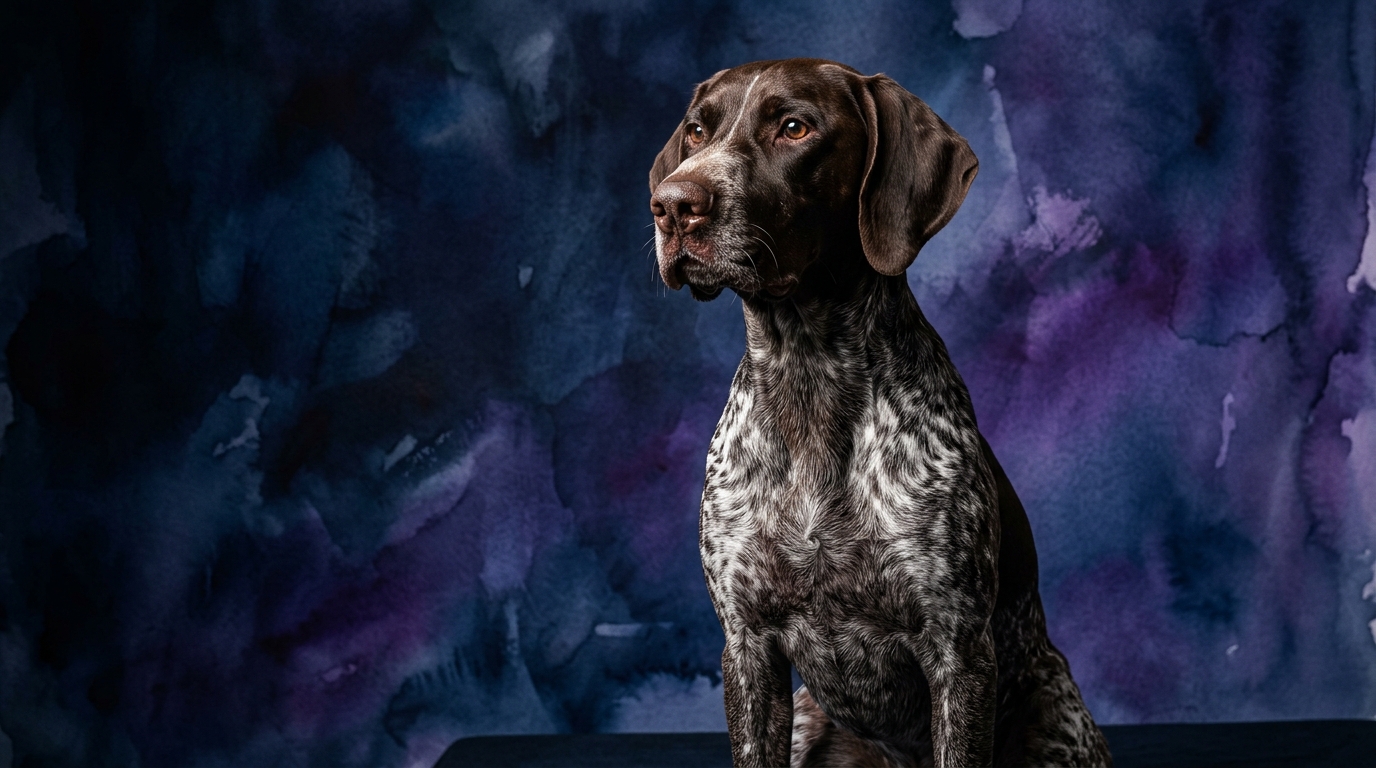
At The Cosmic Pet Pet IQ Lab, we delve into the intricate cognitive dimensions that shape our canine companions. For the German Shorthaired Pointer (GSP), we observe a breed purpose-bred for cooperative hunting, reflected in its impressive Coren rank of #17 among breeds for obedience and working intelligence. This translates directly into its cognitive scores: a stellar Problem Solving ability of 5/5, indicating an exceptional capacity to navigate complex scenarios and adapt strategies in real-time, crucial for tracking and retrieving. Their Training Speed is rated 4/5, demonstrating a quick grasp of new commands and an eagerness to learn. Social Intelligence, at 4/5, highlights their attunement to human cues and their role as a collaborative partner. An Instinctive Drive of 5/5 underscores their powerful prey drive and boundless energy, while Memory, at 4/5, ensures they retain learned behaviors and experiences.
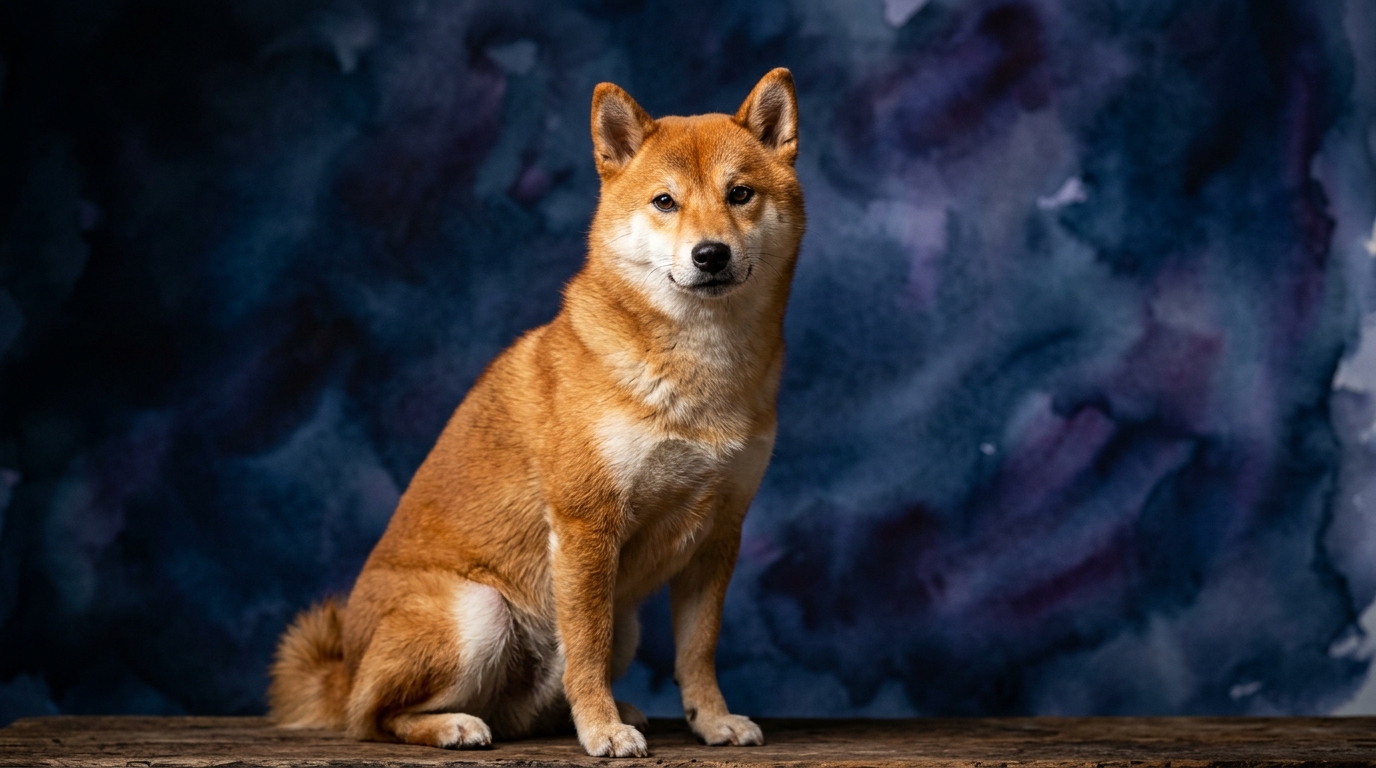
The Shiba Inu, an ancient Japanese breed, presents a contrasting cognitive blueprint, though no less fascinating. While not Coren-ranked, which often speaks more to their independent nature than a lack of cognitive capacity, their individual scores paint a vivid picture. Their Problem Solving ability is strong at 4/5, suggesting a resourceful mind capable of figuring out challenges, often for their own benefit. A Training Speed of 2/5 is a significant differentiator, indicating that while they are capable of learning, their willingness to comply can be selective, requiring patience and creative motivation. Social Intelligence, at 3/5, reflects their more reserved and sometimes aloof demeanor, often preferring a smaller, familiar circle over broad social engagement. Like the GSP, they possess an Instinctive Drive of 5/5, manifesting as a strong prey drive for small animals and a keen sense of territory. Their Memory, also 4/5, ensures they remember both positive and negative encounters, shaping future interactions and learning.
Where the German Shorthaired Pointer Excels Cognitively
The German Shorthaired Pointer's cognitive strengths are deeply rooted in its heritage as a versatile hunting dog, requiring intense cooperation with humans. Their Problem Solving score of 5/5, combined with a Social Intelligence of 4/5, means they excel at collaborative tasks. They don't just solve problems; they solve them with and for their human handler. This manifests in their ability to quickly understand and execute multi-step commands, navigate challenging terrains to flush and retrieve game, and adapt their strategy based on subtle human signals. Their Coren rank of #17 is a testament to this capacity for rapid comprehension and consistent execution of learned behaviors, making them exceptional partners in activities requiring precision and responsiveness. They thrive on having a 'job' and apply their cognitive prowess to fulfill it with enthusiasm, making complex scent work or agility courses feel intuitive.
Furthermore, their Training Speed of 4/5 means GSPs absorb new information and commands with remarkable efficiency. This isn't just about memorizing actions, but understanding the underlying intent and context. They form strong associations between commands and actions, and between their efforts and handler satisfaction, driving their desire to perform. This cognitive flexibility allows them to transition between different types of tasks, from tracking to pointing to retrieving, all within a single outing, demonstrating a sophisticated understanding of their role and environment. Their memory of 4/5 ensures these lessons are retained, building a robust foundation of knowledge and skills over time.
Where the Shiba Inu Demonstrates Unique Cognitive Strengths
While often perceived as less 'biddable,' the Shiba Inu possesses a distinct set of cognitive strengths that highlight their independent resourcefulness. Their Problem Solving score of 4/5, though slightly lower than the GSP's, often manifests in a different, more self-directed manner. Shibas are adept at figuring out situations for their own advantage, whether it's manipulating objects to access a treat, finding creative escape routes, or navigating complex environments without constant human input. This self-reliance stems from a history where they were expected to hunt small game independently in mountainous terrain, demanding quick, autonomous decision-making. Their cognitive focus is often inward, assessing situations for personal gain or safety rather than seeking human direction.
The Shiba Inu's Instinctive Drive of 5/5, combined with their Memory of 4/5, allows them to excel in pursuits that tap into their innate abilities, such as scent tracking or independent exploration, where their keen senses and recall of terrain serve them well. Their Social Intelligence of 3/5, while indicating a more reserved nature, also means they are less reliant on constant human validation. This independence can be a cognitive strength, allowing them to process information and make decisions without the pressure of needing to 'please' a handler. They learn through observation and experience, and while their Training Speed is 2/5 for formal obedience, their ability to learn and adapt to their environment on their own terms is a testament to their self-sufficient cognitive processing.
Training Dynamics: GSP's Eagerness vs. Shiba Inu's Independence
The most significant divergence in the cognitive profiles of the GSP and Shiba Inu becomes apparent in their training dynamics. The German Shorthaired Pointer, with its Training Speed of 4/5 and Social Intelligence of 4/5, is typically a joy to train. They possess an inherent desire to work cooperatively with their human partners, actively seeking guidance and thriving on positive reinforcement. Their high problem-solving ability means they quickly grasp complex commands and sequences, often anticipating what is expected of them. GSPs respond well to structured, consistent training methods, viewing it as an engaging activity that strengthens their bond with their owner. Real behavioral differences include their propensity for sustained focus on a task when engaged with a handler and a marked responsiveness to verbal cues and body language.
Conversely, the Shiba Inu's Training Speed of 2/5 and Social Intelligence of 3/5 present a different training challenge. While certainly capable of learning, their independent nature often means they evaluate commands based on their own perceived value or interest rather than an inherent desire to please. Shibas require more patience, creative motivation, and consistent reinforcement to encourage compliance. They can be prone to selective hearing, especially if a more interesting scent or sight captures their attention. Training a Shiba often involves a nuanced understanding of their personality and finding what truly motivates them, as a direct, authoritarian approach is often met with stubbornness. Their memory of 4/5 ensures they remember past training sessions, both positive and negative, influencing their engagement in future ones.
Lifestyle Match: Active Engagement vs. Independent Spirit
When considering which breed aligns with an owner's lifestyle, their cognitive profiles offer clear guidance. The German Shorthaired Pointer is an ideal companion for active owners who relish shared outdoor adventures and structured activities. Their Instinctive Drive of 5/5 means they possess immense energy and a profound need for physical and mental engagement. GSPs thrive in environments where their problem-solving skills and cooperative nature are constantly challenged, whether through hunting, agility, running, or extensive hiking. An owner who can provide consistent, stimulating outlets for their GSP's cognitive and physical prowess will find an incredibly devoted and well-adjusted partner. Without sufficient mental and physical work, their high cognitive capacity can lead to boredom and undesirable behaviors.
The Shiba Inu, while possessing an equally strong Instinctive Drive of 5/5, often expresses it through more independent pursuits. While they are active and require regular exercise, their cognitive makeup—marked by strong self-reliance and selective social engagement—means they may not demand constant human-directed activity in the same way a GSP does. They can be content with secure off-leash exploration in a fenced area, or a brisk walk where they can 'patrol' and sniff. Relaxed owners who appreciate a dog with a strong, independent personality and are prepared for a less overtly biddable companion may find a good match in the Shiba. However, 'relaxed' does not mean neglecting their need for mental stimulation, which for a Shiba often involves puzzle toys, scent games, or opportunities for independent problem-solving in a safe environment, rather than intense collaborative training sessions.
The Verdict
Choose the German Shorthaired Pointer if you seek an enthusiastic, cooperative partner for shared adventures and thrive on consistent, engaging training that taps into their problem-solving and social intelligence.
Opt for the Shiba Inu if you appreciate a resourceful, independent companion with a unique personality, and are prepared to navigate their selective biddability with patience and creative motivation.
🧠 Find Your Pet's IQ Score
Our Pet IQ Lab assessment covers 25+ tests across 5 cognitive dimensions — personalized to your breed.
Take the Full IQ Test →Frequently Asked Questions
Do German Shorthaired Pointers need a lot of mental stimulation?
Yes, their high problem-solving ability (5/5) and strong instinctive drive (5/5) mean GSPs require consistent mental challenges, such as puzzle toys, advanced obedience, or scent work, to prevent boredom and channel their cognitive energy constructively.
Are Shiba Inus difficult to train?
Shiba Inus are not inherently difficult to train in terms of cognitive ability, but their independent nature and lower training speed (2/5) often mean they require more patience, creativity, and consistent, positive reinforcement to encourage compliance, as they are less driven to overtly please humans.
Which breed is better for first-time dog owners?
A German Shorthaired Pointer might be a more suitable choice for a first-time owner seeking a biddable dog willing to learn, provided they can meet its substantial exercise and mental stimulation needs. A Shiba Inu's independent streak and selective responsiveness can be more challenging for those new to dog ownership.