
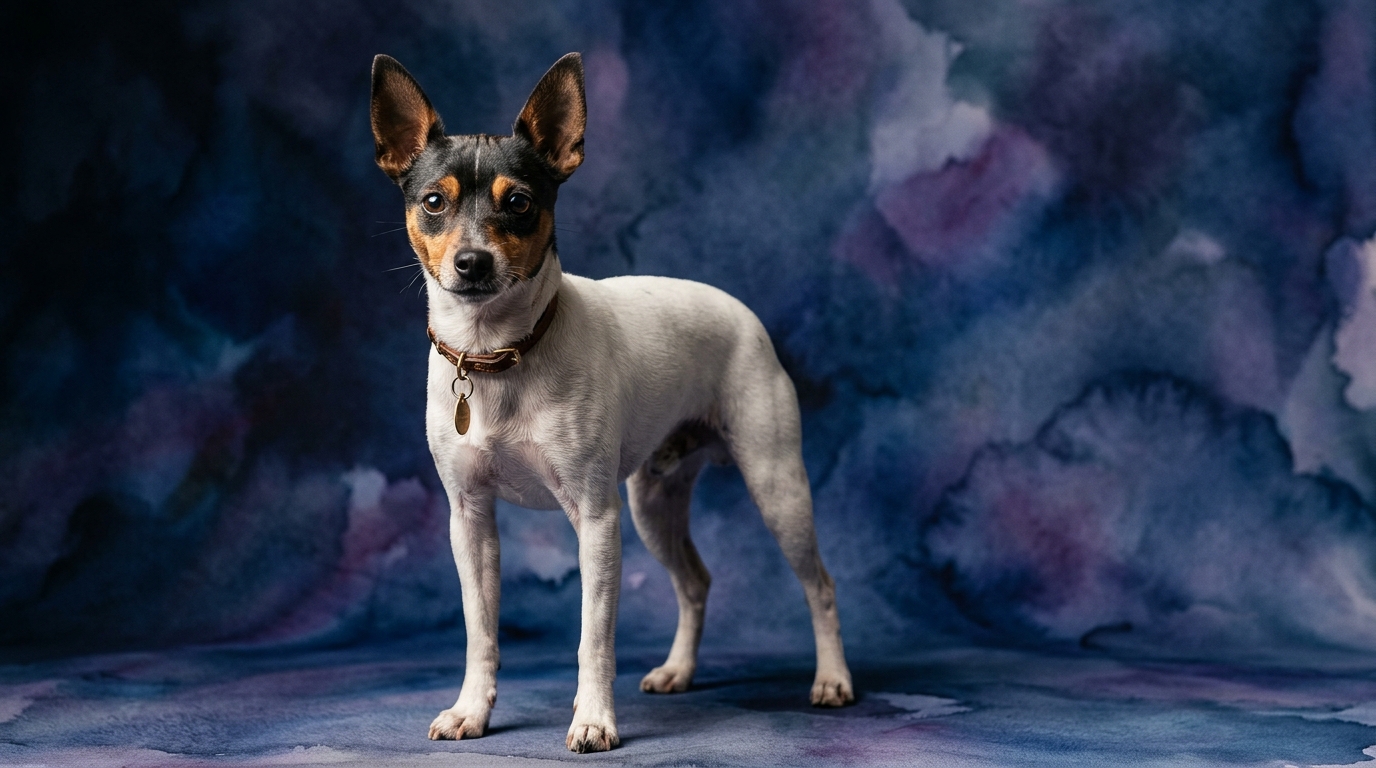
Side-by-Side IQ Profile: German Shorthaired Pointer
**Problem Solving (5/5):** German Shorthaired Pointers (GSPs) exhibit exceptional cognitive flexibility and ingenuity, particularly when faced with complex tasks related to their sporting heritage. They can quickly assess environmental cues, strategize to locate hidden objects or game, and adapt their approach if initial methods fail, demonstrating a profound capacity for independent thought in dynamic situations. This high score reflects their aptitude for figuring out intricate puzzles, whether it's navigating challenging terrains or mastering multi-step commands.
**Training Speed (4/5):** Their rapid acquisition of new commands and routines is a hallmark of the GSP. They possess a strong desire to cooperate and please, which, combined with their keen focus, allows them to grasp concepts swiftly. While not quite instantaneous, their learning curve is steep, and they retain information effectively, making them highly responsive to consistent, positive reinforcement training methods.
**Social Intelligence (4/5):** GSPs are adept at interpreting human emotions and intentions, fostering strong bonds with their families. They are generally sensitive to social cues, understanding when their presence is welcomed or when a calmer demeanor is required. This capacity for social attunement contributes to their role as well-integrated family members, capable of forming deep, reciprocal relationships.
**Instinctive Drive (5/5):** Their genetic blueprint is saturated with a powerful drive for tracking, pointing, and retrieving. This inherent motivation fuels their relentless energy and focus in the field, translating into a persistent pursuit of tasks that engage their natural instincts. This isn't just about physical activity; it's a cognitive engagement with their primal purpose, making them incredibly driven to perform 'work.'
**Memory (4/5):** GSPs demonstrate excellent long-term memory for commands, routes, and learned experiences. They can recall complex sequences of actions and retain spatial awareness over time, which is crucial for remembering hunting locations or navigating familiar environments. Their strong memory supports consistent performance in both training and real-world applications.
Side-by-Side IQ Profile: Toy Fox Terrier
**Problem Solving (3/5):** Toy Fox Terriers (TFTs) show a moderate capacity for problem-solving, often employing direct, trial-and-error approaches rather than intricate strategizing. They can figure out how to access desired items or navigate simple obstacles, but complex, multi-step challenges might require more patience and guidance. Their solutions tend to be practical and immediate, focusing on the most straightforward path.
**Training Speed (3/5):** While capable of learning, TFTs typically require more repetition and consistent reinforcement to solidify new commands compared to breeds with higher training speed scores. They can be enthusiastic learners, but their attention might wander, necessitating engaging and varied training sessions to maintain their focus and accelerate information retention.
**Social Intelligence (3/5):** TFTs are generally affectionate and form strong attachments to their primary caregivers, but their interpretation of subtle human social cues can be less nuanced. They tend to interact on their own terms, expressing their needs and desires clearly, but might not always anticipate or adjust to complex emotional states in the same way some other breeds do.
**Instinctive Drive (3/5):** Originating with a purpose to dispatch small vermin, TFTs possess a moderate prey drive, manifesting as a keen interest in chasing small, moving objects. While present, this drive is less intensely focused or broadly applied than in dedicated sporting breeds, often appearing in bursts of energetic pursuit rather than sustained, directed work.
**Memory (3/5):** TFTs possess a functional memory for routine commands and familiar people or places. They can remember where their favorite toys are or recall basic house rules. However, their memory for intricate sequences or highly detailed information might be less robust, requiring consistent reminders for less frequently practiced behaviors.
Where German Shorthaired Pointers Win Cognitively
GSPs excel in tasks requiring sustained focus, complex planning, and adaptive decision-making, particularly in dynamic, outdoor environments. Their superior problem-solving acumen allows them to navigate intricate scenarios, such as tracking elusive scents or figuring out how to retrieve objects from challenging locations, with remarkable efficiency. This breed's high instinctive drive is not merely physical; it's a cognitive engine that fuels their persistent engagement with tasks, enabling them to work through difficulties where other breeds might give up. Their strong memory for complex sequences and spatial information further reinforces their ability to execute multi-step commands and recall specific locations or strategies over extended periods.
Where Toy Fox Terriers Win Cognitively
The Toy Fox Terrier's cognitive strengths lie in their immediate responsiveness and adaptability to small-scale, domestic challenges. While their problem-solving isn't about grand strategies, they are quick to learn what works within their immediate environment, such as figuring out how to get attention or access a preferred sleeping spot. Their moderate instinctive drive, combined with their agility, makes them adept at quick, precise actions like chasing a rolling toy or reacting to a sudden sound. Their social intelligence, while not as nuanced as a GSP's, allows for direct, clear communication of their needs and desires, making them effective at getting their human companions to understand their immediate wants. They possess a practical intelligence focused on navigating their personal world efficiently and charmingly.
Which is Easier to Train and Why
The German Shorthaired Pointer generally proves easier to train due to their faster training speed (4/5 vs. 3/5) and higher social intelligence (4/5 vs. 3/5). GSPs possess a powerful intrinsic motivation to work alongside their human partners, making them highly receptive to instruction. They grasp new commands with fewer repetitions and are more attuned to their trainer's cues and desires, leading to quicker mastery of complex tasks. Their strong memory also ensures that once a behavior is learned, it is retained effectively. In contrast, while Toy Fox Terriers are trainable, their moderate training speed means they require more patience, consistency, and engaging methods to prevent their attention from wavering. Their slightly lower social intelligence might also mean they are less inclined to prioritize human directives over their own immediate interests, sometimes requiring more persuasive motivation.
Which Suits Active Owners vs. Relaxed Owners
The German Shorthaired Pointer is unequivocally suited for active owners who can provide ample physical and mental stimulation. Their 5/5 instinctive drive and high problem-solving capacity demand outlets for their energy and intellect, thriving on activities like hunting, competitive dog sports, or extensive daily adventures that engage their scenting and retrieving abilities. A GSP without sufficient engagement can develop destructive behaviors born from boredom. Conversely, the Toy Fox Terrier, with its moderate instinctive drive and problem-solving, is a better fit for owners seeking a companion with a more relaxed activity requirement. While they enjoy play and short bursts of activity, their needs are more easily met with regular walks, indoor games, and social interaction, making them suitable for apartment living or less intensely active households. They appreciate comfort and companionship without the demanding 'work' ethic of a GSP.
The Verdict
Choose a German Shorthaired Pointer if you are an active, outdoors-oriented individual or family seeking a highly trainable, intelligent partner for sporting activities, extensive hikes, or competitive dog sports. They thrive with consistent mental challenges and a clear 'job' to do.
Opt for a Toy Fox Terrier if you desire a spirited, affectionate companion for a more relaxed lifestyle, appreciating their compact size and moderate activity needs. They are an excellent choice for those who enjoy playful interaction and a loyal presence without the demanding cognitive and physical requirements of a working breed.
🧠 Find Your Pet's IQ Score
Our Pet IQ Lab assessment covers 25+ tests across 5 cognitive dimensions — personalized to your breed.
Take the Full IQ Test →Frequently Asked Questions
Do German Shorthaired Pointers need a lot of mental stimulation?
Absolutely. With a 5/5 problem-solving score and strong instinctive drive, GSPs require consistent mental challenges to prevent boredom and channel their intellect constructively. This can include training, puzzle toys, scent work, or engaging in dog sports.
Are Toy Fox Terriers difficult to house train?
Toy Fox Terriers are not inherently difficult to house train, but their 3/5 training speed means they benefit greatly from consistent routines, frequent potty breaks, and positive reinforcement. Patience and clear communication are key to their success.
How do their social needs compare?
Both breeds are social, but GSPs (4/5 social intelligence) are often more attuned to human emotions and seek deeper collaborative relationships. TFTs (3/5 social intelligence) are affectionate but might be more independent in expressing their social needs, preferring interaction on their own terms at times.