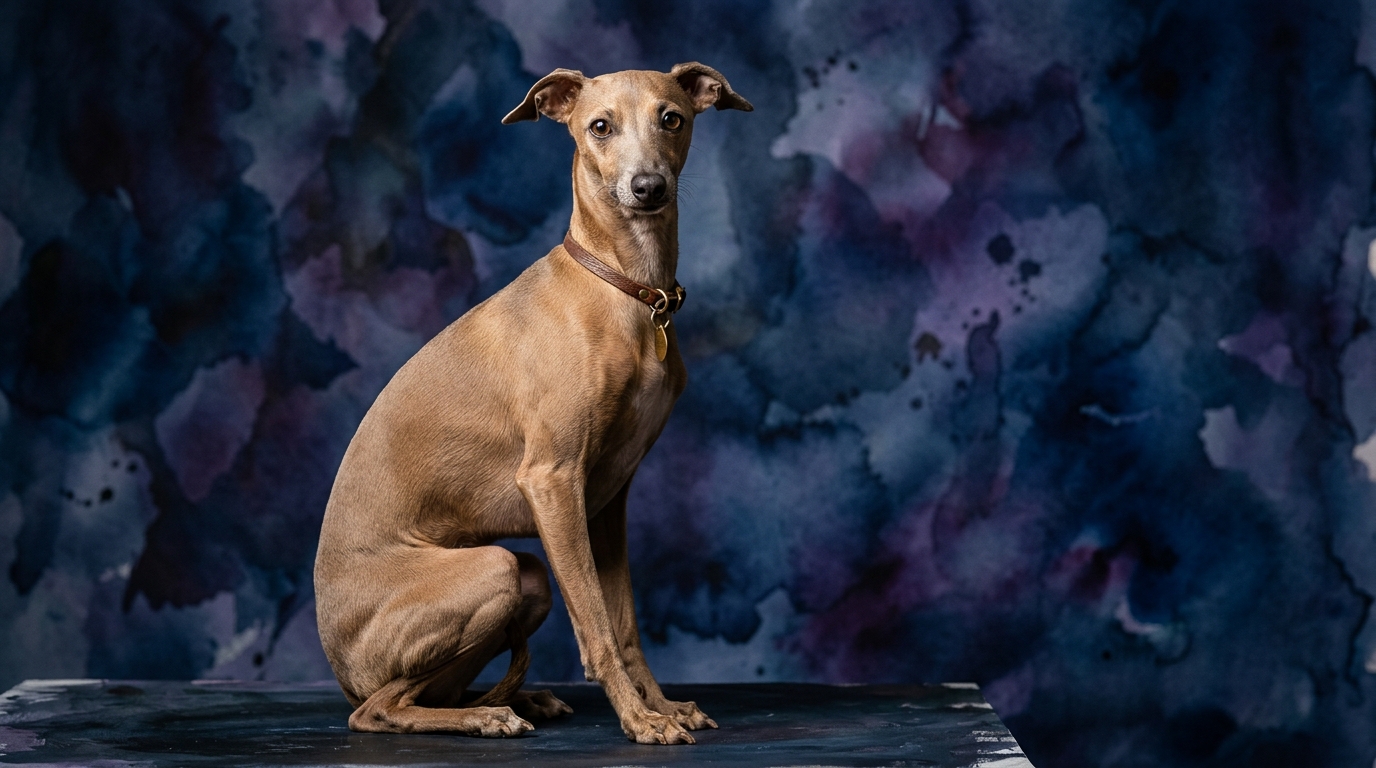
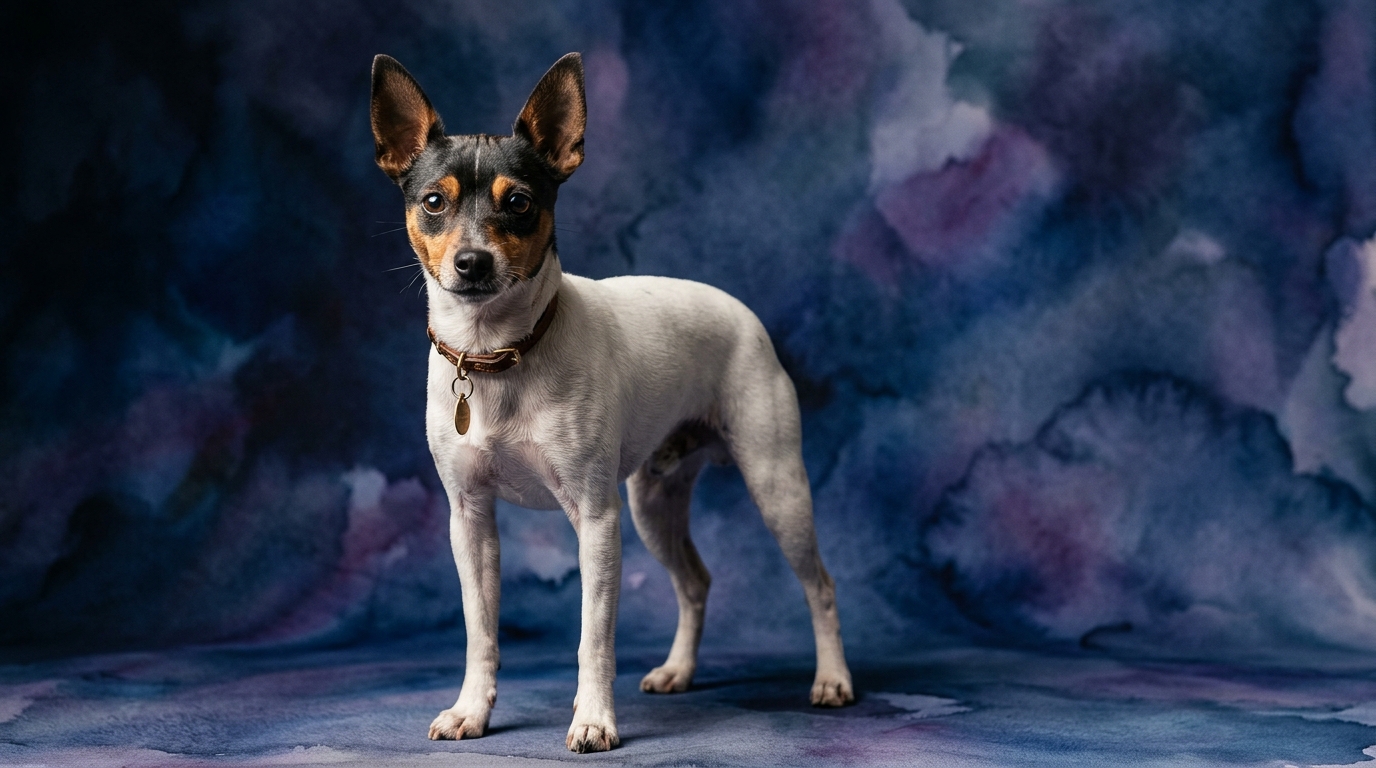
Side-by-Side IQ Profile: Nuances of Identical Scores
On paper, the Italian Greyhound (IG) and the Toy Fox Terrier (TFT) share a remarkable uniformity in their cognitive profiles, each scoring 3 out of 5 across problem-solving, training speed, social intelligence, instinctive drive, and memory. This suggests a solid, adaptable intellectual foundation, but the manner in which these scores manifest is distinctly shaped by their breed-specific heritage and temperament. Understanding these nuances is key to appreciating their individual brilliance.
For the Italian Greyhound, a score of 3/5 in **Problem Solving** often translates into a refined ability to navigate complex domestic environments, finding the warmest sunbeam or the most comfortable blanket pile with elegant precision. Their solutions tend to be subtle, focused on comfort and avoiding conflict, rather than forceful manipulation of their surroundings. Their **Training Speed** at 3/5 reflects a capacity to learn routines and commands quickly when motivated by gentle, positive reinforcement, though their sighthound independence means they might choose not to engage if the reward isn't compelling or the pressure too high. An IG's **Social Intelligence** (3/5) is typically characterized by a profound sensitivity to human emotions and household dynamics, often mirroring their owner’s mood and seeking close, comforting contact. Their **Instinctive Drive** at 3/5 primarily encompasses a strong, albeit often dormant indoors, chase instinct for small, fast-moving objects, coupled with a deep-seated drive for warmth and soft places. Finally, their **Memory** (3/5) allows them to recall routines, people, and past experiences with clarity, remembering both pleasant associations and any perceived injustices.
The Toy Fox Terrier's 3/5 in **Problem Solving**, by contrast, often manifests as a tenacious resourcefulness, figuring out how to open cabinets, retrieve hidden toys, or outsmart their human companions to achieve a desired outcome. Their solutions are often more direct and physically engaged. Their **Training Speed** (3/5) indicates a quick grasp of commands, especially when food or play-motivated, but this can be tempered by a strong, independent will and a tendency to get distracted by environmental stimuli typical of terriers. A TFT's **Social Intelligence** (3/5) is expressed through their confident and assertive interactions; they are adept at reading human intentions and often use their charm or persistence to get what they want. Their **Instinctive Drive** at 3/5 is pronounced, embodying the classic terrier traits of digging, barking at perceived threats, and a strong prey drive for small vermin, making them alert and vigilant. Their **Memory** (3/5) is robust, remembering training cues, past successes in outwitting their owners, and the locations of favorite toys or treats with impressive accuracy.
Where the Italian Greyhound Wins Cognitively
The Italian Greyhound excels in cognitive domains that require a nuanced understanding of social cues and a graceful adaptation to their environment, making their 3/5 scores shine in specific ways. Their problem-solving often leans towards optimizing comfort and emotional security; for instance, an IG might expertly navigate a room full of obstacles to settle precisely where a shaft of sunlight offers maximum warmth, demonstrating sophisticated spatial awareness driven by their comfort needs. Their social intelligence, while rated the same as the TFT, often manifests as a more profound emotional sensitivity, allowing them to subtly interpret shifts in human mood or tone and react with appropriate comforting gestures or by seeking quiet solace.
Furthermore, their memory, at 3/5, seems particularly attuned to routines and the emotional landscape of their home. An IG remembers the specific sequence of events leading up to a walk or mealtime with remarkable accuracy, anticipating these moments with palpable excitement. They also tend to recall past negative experiences, such as a harsh word or an unexpected loud noise, which shapes their cautious and gentle approach to new situations. This blend of subtle problem-solving for comfort and acute social-emotional memory gives the IG a distinctive cognitive advantage in creating a harmonious and emotionally rich bond with their human companions.
Where the Toy Fox Terrier Wins Cognitively
The Toy Fox Terrier's cognitive strengths, while sharing the same 3/5 ratings, often manifest in a more proactive and physically assertive engagement with their world. Their problem-solving capabilities are frequently demonstrated through ingenious methods of manipulating their environment. A TFT might, for example, figure out how to unlatch a crate door or strategically move objects to reach a desired toy, showcasing a persistent and hands-on approach to overcoming obstacles. This resourcefulness, driven by their innate terrier tenacity, means they are often adept at finding creative solutions to get what they want, rather than waiting for it to be provided.
The TFT's instinctive drive, also rated 3/5, fuels a heightened awareness of their surroundings and a quick reaction time to novel stimuli. This translates into a cognitive advantage in tasks requiring vigilance and rapid decision-making, such as alerting their owners to unfamiliar sounds or quickly assessing a new situation. Their memory, while rated equivalently, often serves their more assertive nature, allowing them to recall successful strategies for obtaining treats or preferred play items. They remember which actions yielded results, reinforcing their problem-solving behaviors and making them incredibly effective at achieving their goals within their environment.
Which is Easier to Train and Why
Determining which breed is "easier" to train, given their identical 3/5 training speed scores, depends heavily on an owner's approach and tolerance for specific breed traits. The Toy Fox Terrier, with its eager-to-please attitude and strong motivation for food or play, often appears to pick up commands quickly. Their terrier tenacity means they can be persistent learners, and their confident nature allows them to engage readily in structured training sessions. However, this same tenacity can translate into stubbornness if they decide a command isn't worth their effort, and their strong instinctive drives can make them easily distracted by environmental stimuli, requiring consistent focus and clear boundaries.
The Italian Greyhound, while also scoring 3/5 in training speed, often requires a more nuanced training approach. They are highly sensitive and respond best to gentle, positive reinforcement methods, shying away from harsh corrections. They can learn routines and commands with remarkable speed when the training is low-pressure and rewarding, but their independent sighthound nature means they might simply choose not to comply if uninterested or if they perceive pressure. House training can be a particular challenge due to their small bladders and preference for comfort, often necessitating diligent supervision and consistent outdoor access. Therefore, while both learn at a comparable pace, the TFT might be perceived as 'easier' for owners who prefer a more engaged, reward-driven learner, whereas the IG requires an owner prepared for a more sensitive, relationship-based training dynamic.
Which Suits Active Owners vs. Relaxed Owners
For owners seeking a companion to share in more vigorous activities, the Toy Fox Terrier often proves to be a more fitting choice. Their spirited energy, quick reflexes, and inherent drive for engagement make them excellent candidates for dog sports like agility, obedience, or even advanced trick training. They thrive on mental stimulation and enjoy having a 'job' to do, converting their 3/5 instinctive drive into enthusiastic participation in interactive games or consistent, purposeful walks. An active owner will appreciate the TFT's willingness to be challenged and their robust stamina for a small dog.
Conversely, the Italian Greyhound, while capable of bursts of speed and playful antics, is generally better suited for more relaxed owners. Their 3/5 instinctive drive leans heavily towards comfort-seeking and brief, intense play sessions followed by extensive lounging. They are content with short, brisk walks or enclosed yard play but truly excel as affectionate lap companions. An IG's delicate build and preference for warmth mean they are happiest curled up on a soft blanket next to their human, making them an ideal match for individuals who value quiet companionship and a calmer, more serene domestic atmosphere.
The Verdict: When to Choose Each
The Verdict
Choose an Italian Greyhound if you value a sensitive, graceful companion who offers profound emotional connection and thrives in a calm, comfort-oriented home, and you are prepared for their independent sighthound quirks in training.
Opt for a Toy Fox Terrier if you desire a spirited, tenacious partner who excels with consistent engagement, enjoys mental challenges, and you appreciate a confident, alert presence in your home.
🧠 Find Your Pet's IQ Score
Our Pet IQ Lab assessment covers 25+ tests across 5 cognitive dimensions — personalized to your breed.
Take the Full IQ Test →Frequently Asked Questions
Do Italian Greyhounds and Toy Fox Terriers require a lot of mental stimulation?
Both breeds benefit from mental engagement, though the type differs. Italian Greyhounds enjoy puzzle toys and gentle interaction, while Toy Fox Terriers thrive on more active challenges like training games or interactive play that tap into their terrier drive.
Are these breeds good with children, considering their social intelligence?
Both breeds can be good with respectful, older children. Italian Greyhounds are sensitive and can be overwhelmed by boisterous play, preferring calmer interactions. Toy Fox Terriers are more robust and confident, but their terrier nature might lead to playful nipping or chasing if not properly socialized and supervised.
How do their problem-solving skills differ in a household setting?
An Italian Greyhound's problem-solving often focuses on finding the most comfortable spot or subtly communicating needs, while a Toy Fox Terrier uses their problem-solving to actively manipulate their environment, like figuring out how to access treats or escape confinement, often demonstrating more physical tenacity.