Side-by-Side Cognitive Profiles: A Deeper Look
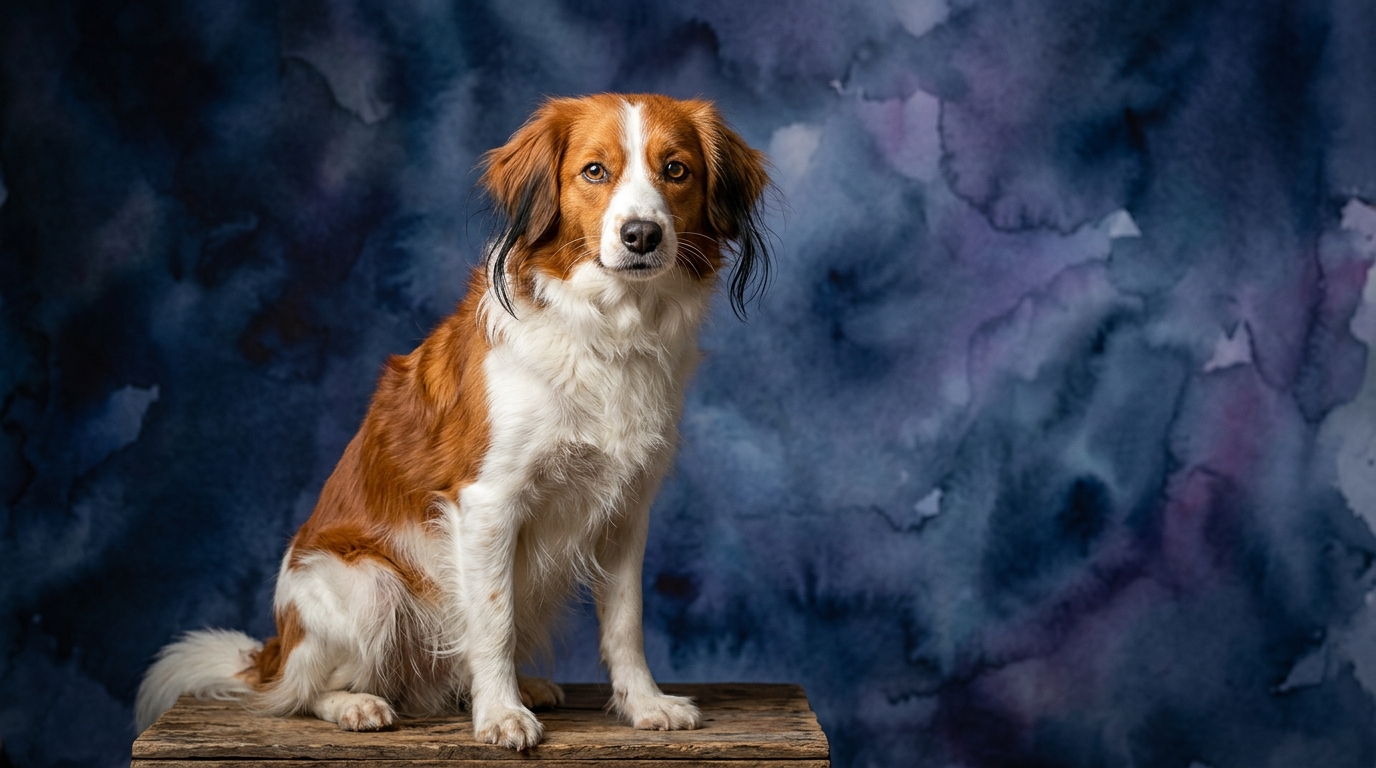
The Kooikerhondje, a Dutch sporting dog, presents a remarkably balanced cognitive profile with consistent scores across the board, reflecting its historical role as a decoy dog. Its Problem Solving at 3/5 indicates a capacity for navigating moderately complex situations, often through observation and learned patterns rather than immediate innovation. Training Speed also at 3/5 suggests it learns new commands and routines at a steady pace, requiring consistent, positive reinforcement. Social Intelligence at 3/5 means it is generally receptive to human cues and can adapt to social norms within its established family unit, though it might be reserved with strangers. Its Instinctive Drive of 3/5 points to a moderate urge for its natural working behaviors, such as retrieving or flushing, which manifests as curiosity and a need for engagement. Finally, its Memory at 3/5 indicates a reliable recall of experiences and learned information, though perhaps not with the instantaneous precision of some breeds. This breed is not ranked on Coren's intelligence scale, suggesting its specific cognitive strengths lie outside traditional obedience-focused metrics.
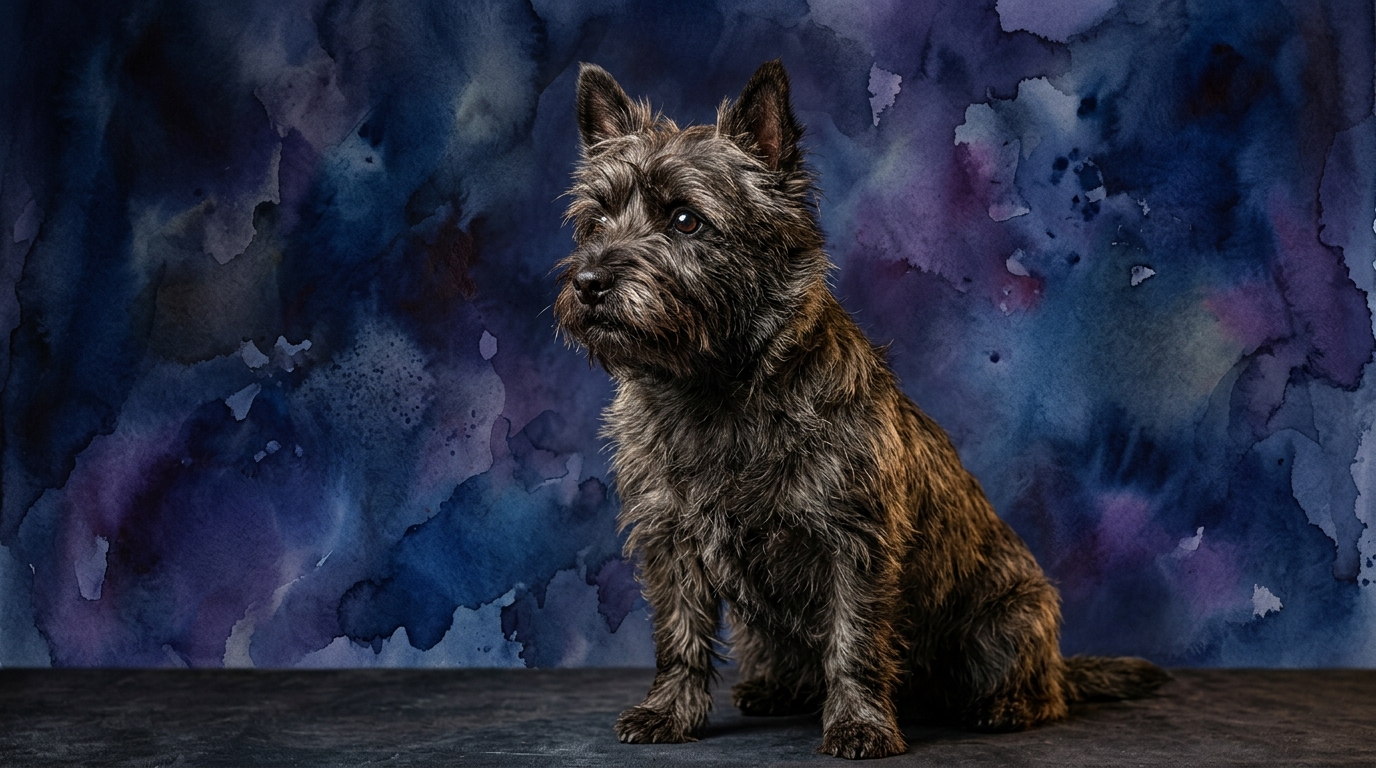
Hailing from the Scottish Highlands, the Cairn Terrier showcases a more pronounced cognitive sharpness in several areas, reflected in its Coren rank of #35. Its Problem Solving is rated 4/5, signifying a strong ability to independently figure out solutions, often employing tenacity and resourcefulness, a trait crucial for a vermin hunter. Training Speed also scores 4/5, indicating a quick grasp of new commands and a rapid acquisition of skills when motivated. Its Social Intelligence matches the Kooikerhondje at 3/5, meaning it is responsive to human interaction and capable of forming strong bonds, but also possesses a terrier's characteristic self-reliance. The Instinctive Drive is 3/5, reflecting its inherent urge to chase, dig, and explore, which requires redirection and outlets. A standout feature is its Memory at 4/5, suggesting it retains information, routines, and experiences with considerable accuracy and for extended periods, making both positive and negative associations long-lasting. This robust memory contributes significantly to its capacity for complex learning.
Where the Kooikerhondje Excels Cognitively
While the Kooikerhondje doesn't boast higher individual scores than the Cairn Terrier in this comparison, its cognitive strengths lie in its balanced and adaptable nature, which can be a significant advantage in certain living situations. Its consistent 3/5 across all five dimensions suggests a dog that is less prone to extremes in behavior driven by specific cognitive urges. For instance, its moderate problem-solving and instinctive drive mean it's less likely to invent mischievous solutions to boredom or to relentlessly pursue a perceived “prey” in inappropriate environments compared to a breed with higher scores in these areas. This breed's cognitive profile fosters a companion that is generally steady, observant, and less demanding in terms of constant mental stimulation to prevent undesirable behaviors. Its historical role as a decoy dog, patiently luring ducks, highlights a capacity for calm focus and observational intelligence that might not translate directly to high scores in typical obedience metrics but is invaluable for a companion that integrates smoothly into family life without constant independent ventures. This breed's balanced memory and training speed mean it learns and remembers what is taught without being overly sensitive to every minor environmental detail, allowing for a more relaxed learning pace.
Where the Cairn Terrier Shines Cognitively
The Cairn Terrier demonstrates clear cognitive advantages, particularly in its capacity for rapid learning and independent thought. Its 4/5 score in Problem Solving is a testament to its terrier heritage, equipping it with the ability to quickly assess situations and devise solutions, whether it's figuring out how to get to a dropped treat or navigating a complex scent trail. This inherent ingenuity means Cairns are often quick to learn new tricks and excel in dog sports that require agility and strategic thinking. Coupled with a 4/5 in Training Speed, the Cairn typically picks up new commands with impressive swiftness, making initial training sessions often feel very rewarding as they quickly grasp what is expected. Their superior Memory (4/5) ensures that once a lesson is learned, it tends to stick, whether it's a positive reinforcement command or a negative experience. This strong memory also contributes to their ability to recall complex sequences and routines, making them excellent candidates for advanced obedience or rally. The Cairn's cognitive profile points to a dog that thrives on consistent mental engagement, enjoying challenges that allow it to use its sharp wits and tenacious spirit.
Training Ease: Kooikerhondje vs. Cairn Terrier
When it comes to ease of training, the Cairn Terrier generally holds an edge, primarily due to its 4/5 Training Speed compared to the Kooikerhondje's 3/5. This higher score means Cairns typically learn new commands and behaviors more rapidly, often requiring fewer repetitions to achieve proficiency. Their strong problem-solving skills also contribute; they are adept at figuring out what you want them to do, even if the communication isn't perfectly clear. However, this quick learning can be a double-edged sword; Cairns are also quick to learn undesirable behaviors if not consistently managed, and their innate terrier independence (Instinctive Drive 3/5) means they might decide to "problem-solve" in ways that don't align with owner expectations, especially if bored or unengaged.
The Kooikerhondje, with its 3/5 Training Speed, may require more patience and consistency during training sessions. They are not slow learners, but they may take a bit longer to fully grasp and internalize new commands. However, their balanced temperament and moderate drive often make them more consistently biddable once they understand the expectation. While they might not be as quick to pick up a new trick, they are often eager to please their family and respond well to positive reinforcement and a strong, trusting relationship. Owners of Kooikerhondjes often find that while initial training takes a steady hand, the resulting behaviors are reliably executed due to their consistent memory and social intelligence. The key difference lies in the pace of acquisition versus the overall consistency of compliance once learned, with Cairns being faster to acquire and Kooikers potentially more consistently reliable once acquired, given the right motivation.
Suiting Active vs. Relaxed Owners
Understanding the cognitive profiles of the Kooikerhondje and Cairn Terrier is crucial for matching them with the right owner lifestyle. The Kooikerhondje, with its consistent 3/5 scores across all cognitive dimensions, represents a versatile companion that can adapt to a range of active lifestyles without demanding constant high-intensity engagement. Its moderate instinctive drive means it appreciates regular exercise and mental stimulation, such as retrieving games or scent work, but is less likely to become destructive or anxious if it misses an occasional intense outing. Their balanced social intelligence and problem-solving suggest they thrive on interaction with their family and enjoy moderate challenges, making them suitable for owners who enjoy daily walks, weekend hikes, and training sessions that are engaging but not overly competitive. They fit well with owners who appreciate a dog that is present and engaged but also capable of settling down calmly indoors.
The Cairn Terrier, with its higher scores in Problem Solving, Training Speed, and Memory, is better suited for more active and mentally stimulating environments. Their sharp wits and tenacious terrier spirit mean they require significant mental engagement to prevent boredom, which can lead to inventive, often mischievous, problem-solving behaviors like digging, chewing, or excessive barking. Owners who enjoy regular, varied activities such as structured training, agility, earthdog trials, or long, exploratory walks where the dog can use its nose and mind will find the Cairn a delightful partner. A Cairn thrives with an owner who can consistently provide intellectual challenges and physical outlets for its moderate instinctive drive, which can be channeled into productive activities rather than undesirable ones. They are not necessarily high-strung, but their cognitive capacity demands an outlet, making them ideal for owners who are prepared to be active participants in their dog's mental life.
The Verdict
Choose the Kooikerhondje if you desire a balanced, adaptable companion that offers steady cognitive engagement without extreme demands. This breed is ideal for owners who appreciate a dog with consistent, moderate drives and a calm, observant nature, willing to participate in family activities and moderate training.
Choose the Cairn Terrier if you are an owner seeking a quick-witted, tenacious companion that thrives on mental challenges and active participation. This breed is best for those who can provide consistent, engaging training, varied activities, and appreciate a dog with a strong will and a talent for independent problem-solving.
🧠 Find Your Pet's IQ Score
Our Pet IQ Lab assessment covers 25+ tests across 5 cognitive dimensions — personalized to your breed.
Take the Full IQ Test →Frequently Asked Questions
Are Kooikerhondjes good for first-time dog owners?
Yes, Kooikerhondjes can be suitable for first-time owners due to their balanced temperament and moderate cognitive demands. Their steady training speed and social intelligence mean they respond well to consistent, positive reinforcement, making the learning process manageable for new dog parents.
Do Cairn Terriers require a lot of mental stimulation?
Yes, Cairn Terriers require significant mental stimulation to thrive due to their high problem-solving skills and strong memory. Without engaging activities like puzzle toys, training, or scent work, they can become bored and channel their cognitive energy into unwanted behaviors.
How do their social intelligence scores impact their interaction with children?
Both breeds have a 3/5 social intelligence, meaning they are capable of forming strong bonds and interacting positively with family members, including children. However, supervision is always recommended, and both breeds benefit from early socialization to ensure polite and respectful interactions with younger family members.