Side-by-Side IQ Profile: Miniature American Shepherd vs. Cairn Terrier
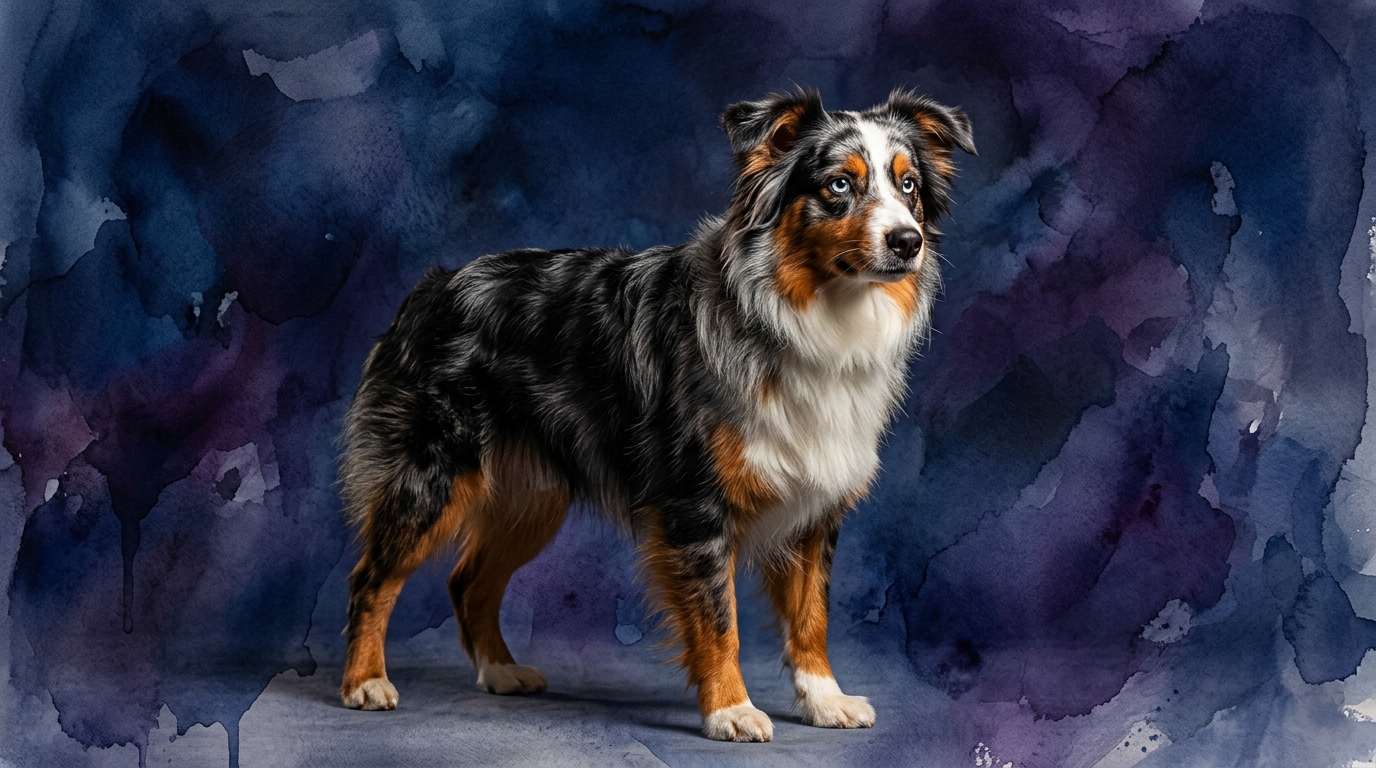
The Cosmic Pet Pet IQ Lab employs a comprehensive five-dimensional framework to assess canine cognition, providing a nuanced understanding beyond simple ranking. For the Miniature American Shepherd, we observe a balanced set of capabilities: its problem-solving capacity registers at 3 out of 5, indicating a solid ability to navigate novel situations and overcome obstacles. Training speed also scores 3 out of 5, suggesting a moderate pace for acquiring new commands and behaviors. Social intelligence, reflecting its understanding of human cues and interactions, stands at 3 out of 5. The instinctive drive, representing its innate behavioral patterns and motivations, is similarly rated at 3 out of 5, while its memory retention also settles at a consistent 3 out of 5. This profile paints a picture of a capable and well-rounded working companion, often performing reliably across various tasks.
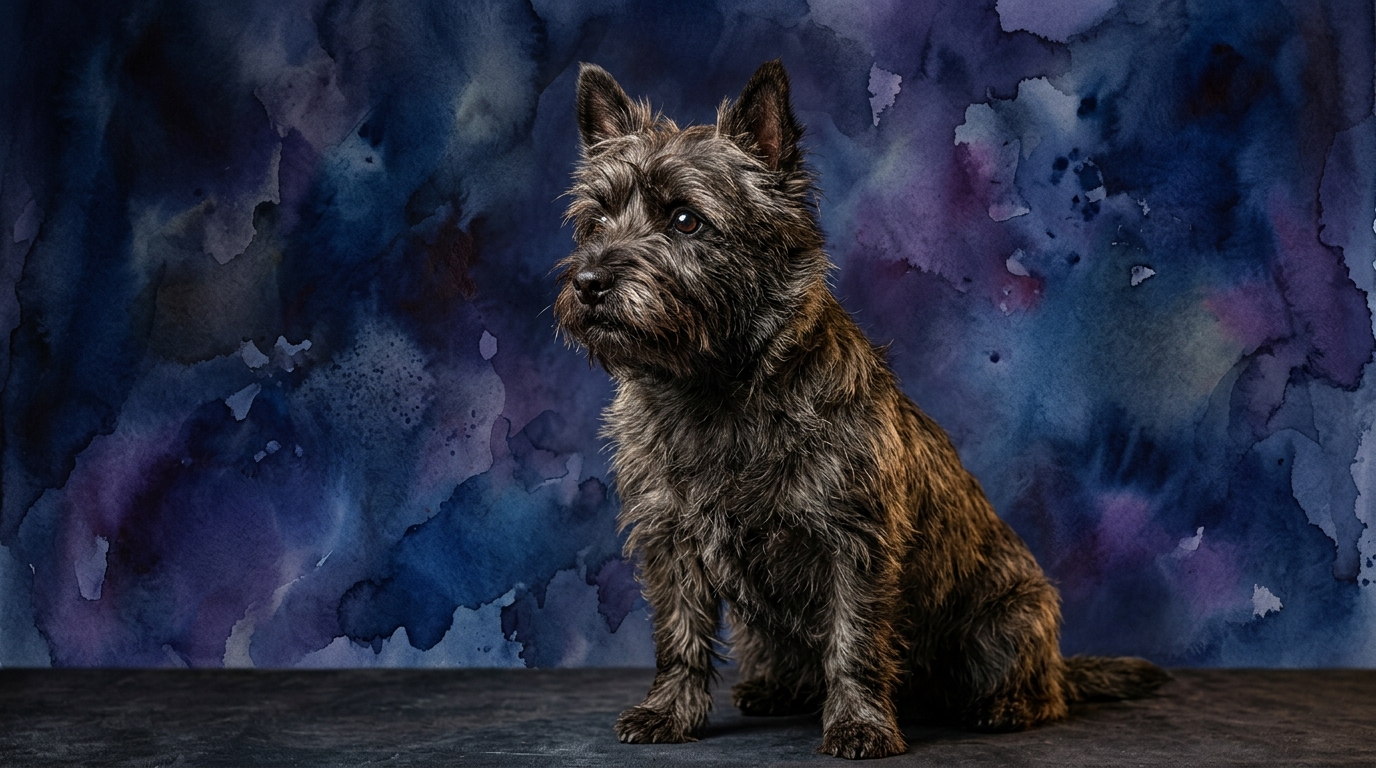
In contrast, the Cairn Terrier presents a cognitive profile with distinct peaks. Its problem-solving prowess is notable at 4 out of 5, signifying a quick and often independent approach to figuring things out. Training speed also impresses at 4 out of 5, indicating a relatively swift uptake of new lessons. The Cairn's social intelligence aligns with the Miniature American Shepherd at 3 out of 5, suggesting a comparable level of responsiveness to human interaction. Its instinctive drive matches this at 3 out of 5, reflecting a moderate, but persistent, inherent motivation often tied to its terrier heritage. Critically, its memory retention shines at 4 out of 5, implying a strong ability to recall previously learned information and experiences. This breed's Coren ranking at #35 further underscores its commendable cognitive efficiency in certain areas.
Where the Miniature American Shepherd Wins Cognitively
While the Miniature American Shepherd's individual scores are consistently moderate at 3/5, its cognitive advantage lies in its well-integrated and reliable application of these skills, particularly in structured, cooperative environments. Its balanced profile means it’s unlikely to be overly dominant in one cognitive area at the expense of another, fostering a predictable and steady learning curve. This breed excels in tasks requiring sustained focus and a methodical approach, attributes deeply ingrained from its herding lineage where consistent attention to detail is paramount. For instance, its 3/5 problem-solving, coupled with a 3/5 social intelligence, means it often looks to its handler for guidance when faced with a challenge, rather than attempting to solve it purely independently. This collaborative cognitive style makes it particularly adept at intricate obedience routines, agility courses, or any 'job' where working in sync with a human partner is key, leveraging its instinctive drive to organize and manage, albeit on a smaller scale than its larger herding relatives. Its consistent memory allows it to retain complex sequences of commands over time, contributing to its reliability in performance sports and companion roles.
Where the Cairn Terrier Wins Cognitively
The Cairn Terrier's cognitive strengths are evident in its higher ratings for problem-solving (4/5), training speed (4/5), and memory (4/5), reflecting a quick, decisive, and independently minded intellect. This breed demonstrates a remarkable capacity for figuring out intricate puzzles and navigating complex environments on its own, a trait honed by centuries of hunting vermin where independent thought and quick action were crucial for survival. Its accelerated training speed means it often grasps new commands with fewer repetitions than many other breeds, making initial teaching phases particularly rewarding. The superior memory retention ensures that once a lesson is learned, it tends to stick, contributing to a reliable command response over the long term. This combination of swift comprehension and robust recall, paired with a keen problem-solving ability, makes the Cairn Terrier exceptionally adept at tasks requiring ingenuity, such as scent work, earthdog trials, or exploring new environments where its curiosity and independent decision-making can truly shine. Its cognitive profile supports an animal that is often quick to adapt and learn from its experiences, applying those lessons effectively in subsequent situations.
Which Is Easier to Train and Why
Based on the Pet IQ Lab's metrics, the Cairn Terrier, with its training speed rated at 4/5, generally exhibits a quicker uptake of new commands and behaviors compared to the Miniature American Shepherd's 3/5. This suggests that a Cairn might achieve proficiency in a new skill in fewer training sessions. This faster learning is often observed in their ability to quickly associate a cue with an action and commit it to memory, making the initial stages of training feel more rapid and responsive. However, the Cairn's independent problem-solving and instinctive drive, while not higher in score, are often channeled into self-directed activities, meaning while they learn quickly, they might also choose to apply their intellect in ways that aren't always handler-centric. Consistency and engaging, varied training methods are vital to keep a Cairn motivated and focused on the task at hand, preventing boredom and potential 'selective hearing.'
The Miniature American Shepherd, with its 3/5 training speed, may require more repetitions to fully internalize a new command. However, its balanced social intelligence (3/5) and instinctive drive (3/5) often translate into a dog that is highly attuned to its handler's wishes and eager to please within a cooperative framework. While the initial learning might be slower, once a Miniature American Shepherd understands what is expected, its consistency and desire to work alongside its human partner can make it remarkably reliable. Their herding background fosters a natural inclination towards structure and responsiveness to direction, which can make long-term, advanced training (like complex agility sequences or service dog tasks) ultimately smoother, as they are often less prone to independent 'freelancing' than some terrier breeds. Therefore, 'easier' depends on the owner's definition: faster initial grasp versus more consistent, cooperative long-term engagement.
Which Suits Active Owners vs. Relaxed Owners
Neither the Miniature American Shepherd nor the Cairn Terrier would be ideal for a truly relaxed, sedentary owner, as both breeds possess moderate to strong instinctive drives and require regular mental and physical engagement. However, their specific needs for activity differ. The Miniature American Shepherd, stemming from a herding lineage, thrives with owners who can provide structured activities and a sense of 'purpose.' Their balanced cognitive profile and instinctive drive for organizing and managing make them excellent candidates for dog sports like agility, obedience, rally, or even farm work. An active owner for a Miniature American Shepherd is someone who enjoys consistent training sessions, provides ample opportunities for vigorous exercise, and can channel their dog's mental energy into cooperative tasks. They need to feel like they have a job to do, even if that job is fetching a toy or learning a new trick, and they excel when their cognitive abilities are engaged in a partnership.
The Cairn Terrier, with its higher problem-solving and memory, coupled with a persistent instinctive drive, suits an active owner who appreciates a tenacious and independently curious companion. Their activity needs are often met through exploration, scent work, digging, and puzzle-solving. An active owner for a Cairn might enjoy long walks in varied environments, engaging in earthdog trials, or providing challenging interactive toys that require ingenuity to solve. While they can participate in obedience or agility, their terrier nature means they might approach tasks with a 'what's in it for me?' attitude, requiring creative motivation. They are not content to simply be spectators; they want to be actively involved in investigating their surroundings and applying their sharp wits to whatever catches their interest. A relaxed owner might find themselves quickly outsmarted or outmaneuvered by a Cairn seeking its own amusement.
The Verdict
Choose the Miniature American Shepherd if you seek a highly collaborative partner for structured activities, valuing consistency, biddability, and a balanced cognitive approach to training and companionship. This breed excels when given a 'job' and thrives on working closely with its human.
Opt for the Cairn Terrier if you appreciate a quick-witted, independent thinker who learns rapidly and enjoys solving problems on their own, suitable for owners who can provide engaging, varied mental stimulation and appreciate a tenacious companion with a strong memory.
🧠 Find Your Pet's IQ Score
Our Pet IQ Lab assessment covers 25+ tests across 5 cognitive dimensions — personalized to your breed.
Take the Full IQ Test →Frequently Asked Questions
Do Miniature American Shepherds or Cairn Terriers make better family pets?
Both breeds can make wonderful family pets, but their suitability depends on the family's lifestyle. Miniature American Shepherds are often more attuned to family dynamics and eager to participate in group activities, thriving in structured environments. Cairn Terriers are affectionate but can be more independent, requiring families to understand and manage their terrier instincts for exploration and independent problem-solving.
Which breed is more prone to behavioral challenges if not adequately stimulated?
Both breeds can develop behavioral challenges without proper stimulation, though the manifestations differ. An under-stimulated Miniature American Shepherd might become restless or engage in excessive herding behaviors. An under-stimulated Cairn Terrier, with its strong problem-solving and instinctive drive, is more likely to become destructive, dig excessively, or engage in persistent barking as it invents its own entertainment.
How do their social intelligence scores of 3/5 impact their interaction with strangers?
A social intelligence score of 3/5 indicates a solid, but not necessarily effusive, ability to read and respond to human cues. Both breeds may exhibit a degree of reserve or caution with strangers initially, preferring to assess new people before fully engaging. This means they are unlikely to be overly shy or overly boisterous with new acquaintances, instead showing a measured and observant approach to social interactions.