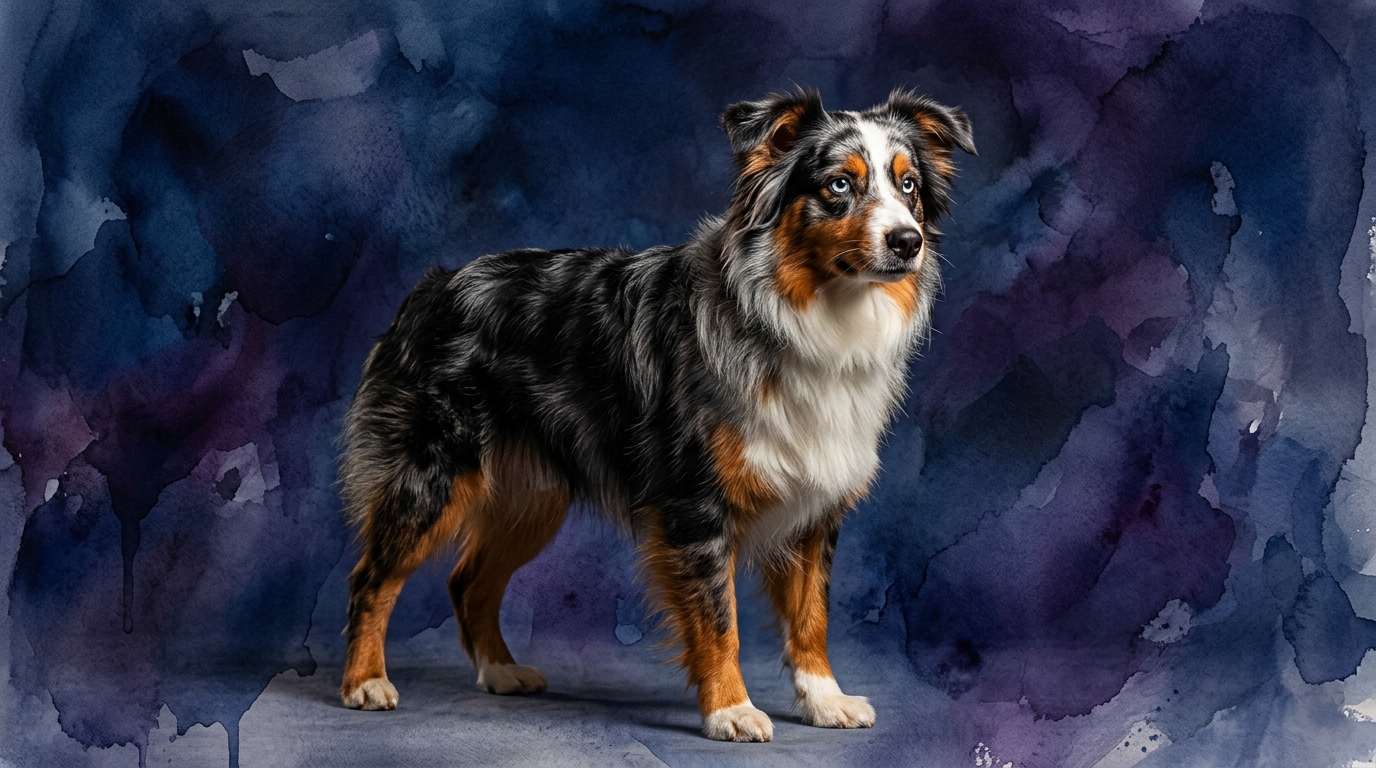
Side-by-Side IQ Profile: Miniature American Shepherd
Originating from larger Australian Shepherds, Miniature American Shepherds were bred for agility and versatility on ranches. Their cognitive strengths are often geared towards partnership and task execution.
Problem Solving (3/5): Miniature American Shepherds demonstrate an average capacity for problem-solving. They can typically figure out how to retrieve a toy from a moderately tricky spot or navigate a familiar obstacle course with efficiency. Their solutions are often direct and practical, driven by their desire to complete a task or engage with their handler rather than complex, abstract reasoning. They might struggle with multi-step puzzles requiring significant foresight without prior training.
Training Speed (3/5): Learning new commands and behaviors happens at an average pace for the MAS. They are generally eager to please and responsive to positive reinforcement, which aids their learning process. While not instant learners, they form associations steadily and are capable of mastering a wide repertoire of commands with consistent effort from their handler. Their biddability makes training a cooperative experience.
Social Intelligence (3/5): These dogs possess a solid understanding of social cues, both from humans and other canines. They can read body language, interpret tone of voice, and adapt their behavior in social settings. They typically form strong bonds with their family members and are generally perceptive to their owner's moods, often offering comfort or seeking engagement appropriately. Their social awareness helps them integrate well into family dynamics.
Instinctive Drive (3/5): The Miniature American Shepherd exhibits a moderate instinctive drive, particularly in herding behaviors. This can manifest as a tendency to 'herd' family members, children, or other pets, often with gentle nudges or circling. While present, this drive is typically manageable and can be channeled effectively into appropriate activities like dog sports or specific training, preventing it from becoming overwhelming.
Memory (3/5): Their memory is average, allowing them to retain learned commands, routines, and experiences effectively. They remember people and places, anticipating familiar sequences of events like meal times or walk schedules. While they may not recall every single interaction with absolute precision, their memory is sufficient for building a consistent and predictable life within a human household.
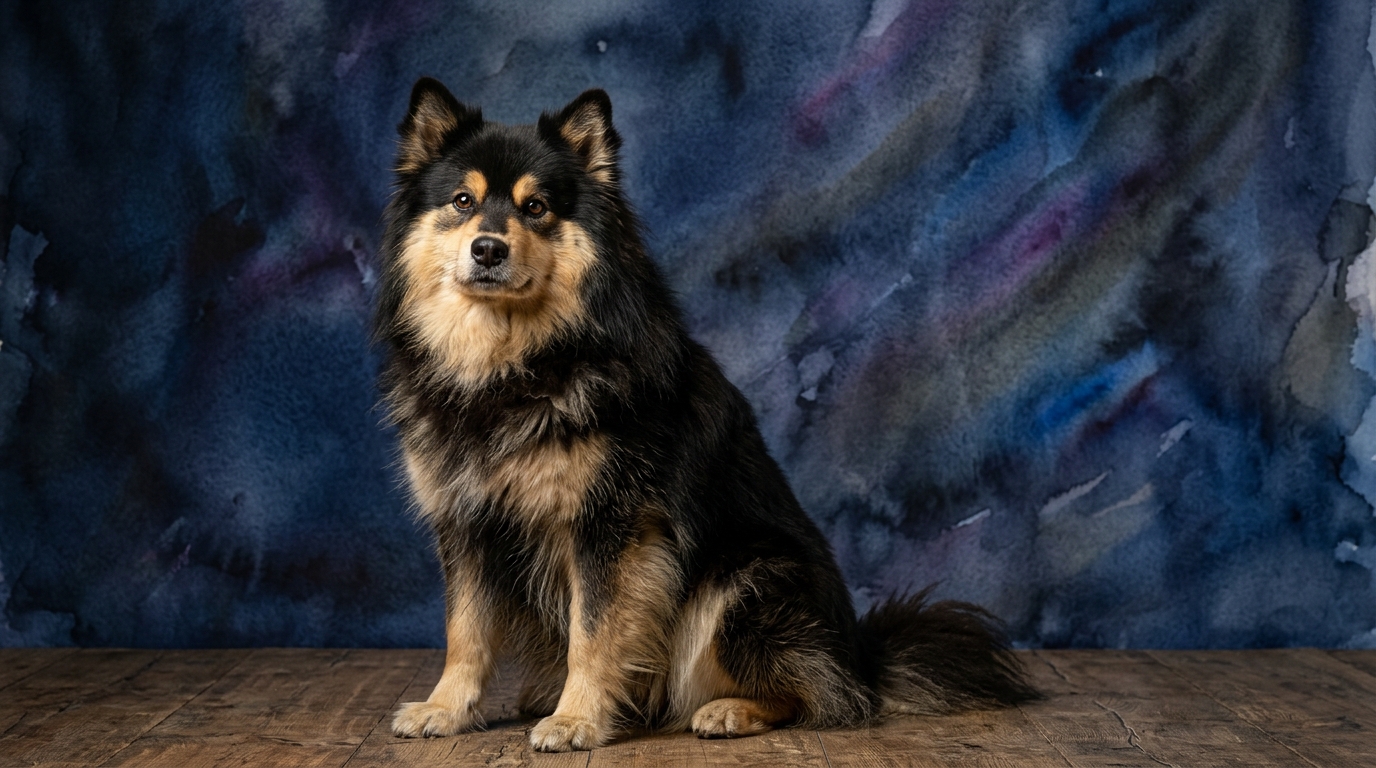
Side-by-Side IQ Profile: Finnish Lapphund
Hailing from the Arctic, the Finnish Lapphund was bred to herd reindeer in vast, challenging landscapes, requiring a different set of cognitive priorities. Their intelligence is often characterized by a blend of self-sufficiency and situational awareness.
Problem Solving (3/5): Finnish Lapphunds also show an average ability in problem-solving. They are adept at navigating their environment, finding their way around obstacles, or figuring out how to reach a desirable location, often relying on their senses and spatial reasoning. Their solutions can sometimes appear more independent, as they were historically expected to work without constant human direction, making them resourceful in practical, real-world scenarios.
Training Speed (3/5): The Lapphund learns new commands and behaviors at an average rate. While they are intelligent enough to grasp concepts, their training speed can sometimes be influenced by an independent streak. They may require more patience and consistency than some more biddable breeds, but once a behavior is learned, it tends to be well-retained. Motivation through positive reinforcement is key to harnessing their learning potential.
Social Intelligence (3/5): Finnish Lapphunds display an average level of social intelligence. They are generally good at understanding the social dynamics within their family unit and can be quite sensitive to the moods of their close humans. With strangers, they tend to be more reserved and observant, taking time to assess new individuals before fully engaging, showcasing a nuanced social caution rooted in their watchful nature.
Instinctive Drive (3/5): The Finnish Lapphund possesses a moderate instinctive drive, primarily focused on herding and guarding. Their herding instincts often involve circling, barking, and keeping their 'flock' (family) together. They also have a natural inclination to be watchful and alert to their surroundings, often using their voice to signal perceived changes or intruders, a valuable trait from their reindeer herding heritage.
Memory (3/5): Their memory capabilities are average, enabling them to recall learned commands, routines, and significant experiences. They are known for remembering people they have met, even after long periods, and can navigate familiar territories with ease. This reliable memory contributes to their ability to adapt to established household rules and expectations over time.
Where Miniature American Shepherd Wins Cognitively
The Miniature American Shepherd's cognitive strengths often shine in environments demanding close partnership and precise execution. Their inherent eagerness to engage with their handler, coupled with a keen focus on interaction, gives them an edge in activities requiring quick responses to commands and intricate pattern work. For instance, in agility or obedience trials, their desire to please and their capacity for sustained attention on a handler can translate into more fluid and responsive performance. Their problem-solving, while average, is often geared towards finding the most efficient path to a handler-approved solution, making them particularly adept at tasks where human direction is paramount.
Where Finnish Lapphund Wins Cognitively
Conversely, the Finnish Lapphund's cognitive profile often shows an advantage in scenarios requiring independent thought and environmental awareness. Their historical role herding reindeer in vast, open spaces without constant human oversight fostered a degree of self-sufficiency. This manifests in a strong ability to assess situations independently, often relying on their acute senses and natural instincts to navigate complex or unpredictable outdoor environments. Their problem-solving, while also rated as average, often leans towards practical, autonomous solutions, such as figuring out how to track a scent or locate a family member in a large area, demonstrating a resourceful and self-reliant cognitive approach.
Which is Easier to Train and Why
When considering ease of training, the Miniature American Shepherd generally presents a more straightforward experience for the average owner. Their temperament is characterized by a strong desire to please their human companions and a high degree of biddability. This translates into a dog that is often more receptive to instruction, quick to offer desired behaviors, and less prone to independent decision-making during training sessions. They thrive on positive reinforcement and consistent guidance, readily absorbing new commands and cues because their motivation is intrinsically linked to handler approval.
The Finnish Lapphund, while certainly capable of learning, may require a different training approach. Their historical role demanded a degree of independence, which can sometimes manifest as a thoughtful, rather than immediate, response to commands. They might assess a request before complying, or their attention could be momentarily diverted by environmental stimuli. Owners should anticipate needing more patience and creativity in motivation. While they are intelligent and retain information well, their training journey often benefits from engaging, varied sessions that acknowledge their self-reliant nature, ensuring they see the value in cooperating rather than just obeying.
Which Suits Active Owners vs Relaxed Owners
For active owners seeking a canine partner for demanding pursuits, the Miniature American Shepherd is often an ideal match. Their robust energy levels, combined with a sharp mind eager for engagement, mean they thrive on consistent physical exercise and mental stimulation. Owners who enjoy activities like hiking, running, dog sports such as agility or flyball, or who can provide daily structured training sessions will find the MAS to be an enthusiastic and tireless companion. Their need for a 'job' means they are best suited to households that can actively incorporate them into a busy, stimulating lifestyle.
The Finnish Lapphund, while also an active breed, often suits owners who appreciate a blend of outdoor activity and periods of calm. They possess endurance for long walks or hikes but are generally less intensely driven than the MAS for constant, high-octane work. Their watchful nature and tendency towards independent thought mean they benefit from owners who can provide consistent, engaging mental enrichment alongside moderate physical exercise. They can adapt well to families who enjoy regular outdoor adventures but also value quiet time at home, provided their needs for companionship and a sense of purpose are met. They appreciate having a 'territory' to survey and a family to watch over, making them suitable for owners who enjoy observing their dog's natural behaviors.
The Verdict
Choose a Miniature American Shepherd if you seek a highly engaged, biddable partner eager for structured activities and close collaboration in a fast-paced household.
Opt for a Finnish Lapphund if you value a watchful, resourceful companion with a blend of independence and loyalty, suited for varied outdoor activities and a home that appreciates their thoughtful presence.
🧠 Find Your Pet's IQ Score
Our Pet IQ Lab assessment covers 25+ tests across 5 cognitive dimensions — personalized to your breed.
Take the Full IQ Test →Frequently Asked Questions
Do Miniature American Shepherds bark a lot?
Miniature American Shepherds can be vocal, often using barks to alert their owners or express excitement, especially if their herding instincts are not channeled. Consistent training from a young age can help manage excessive barking.
Are Finnish Lapphunds good with children?
Finnish Lapphunds are generally known for being gentle and patient with children, often displaying a watchful and protective nature towards their family flock. Early socialization helps them interact appropriately and comfortably with kids.
Do both breeds require extensive grooming?
Both breeds have double coats and require regular grooming, though the Finnish Lapphund's thicker coat might demand more frequent brushing, especially during shedding seasons. Weekly brushing for both is generally recommended to prevent mats and maintain coat health.