
Side-by-Side IQ Profile
**Rottweiler (Coren Rank #9)**: This working breed demonstrates a robust cognitive makeup. Their **Problem Solving (5/5)** score indicates an exceptional capacity for independent thought and strategic planning, allowing them to assess complex situations and devise solutions without constant human guidance. **Training Speed (4/5)** shows they grasp commands quickly, though their strong will requires consistent, engaging methods for reliable execution. **Social Intelligence (4/5)** highlights their robust understanding of social hierarchies and human emotional cues, being attuned to family dynamics while discerning with strangers. A perfect **Instinctive Drive (5/5)** signifies a profound desire for purpose, protection, and physical engagement, reflecting their working heritage. Finally, a flawless **Memory (5/5)** means enduring retention of learned commands, experiences, and routines, contributing to their remarkable reliability.
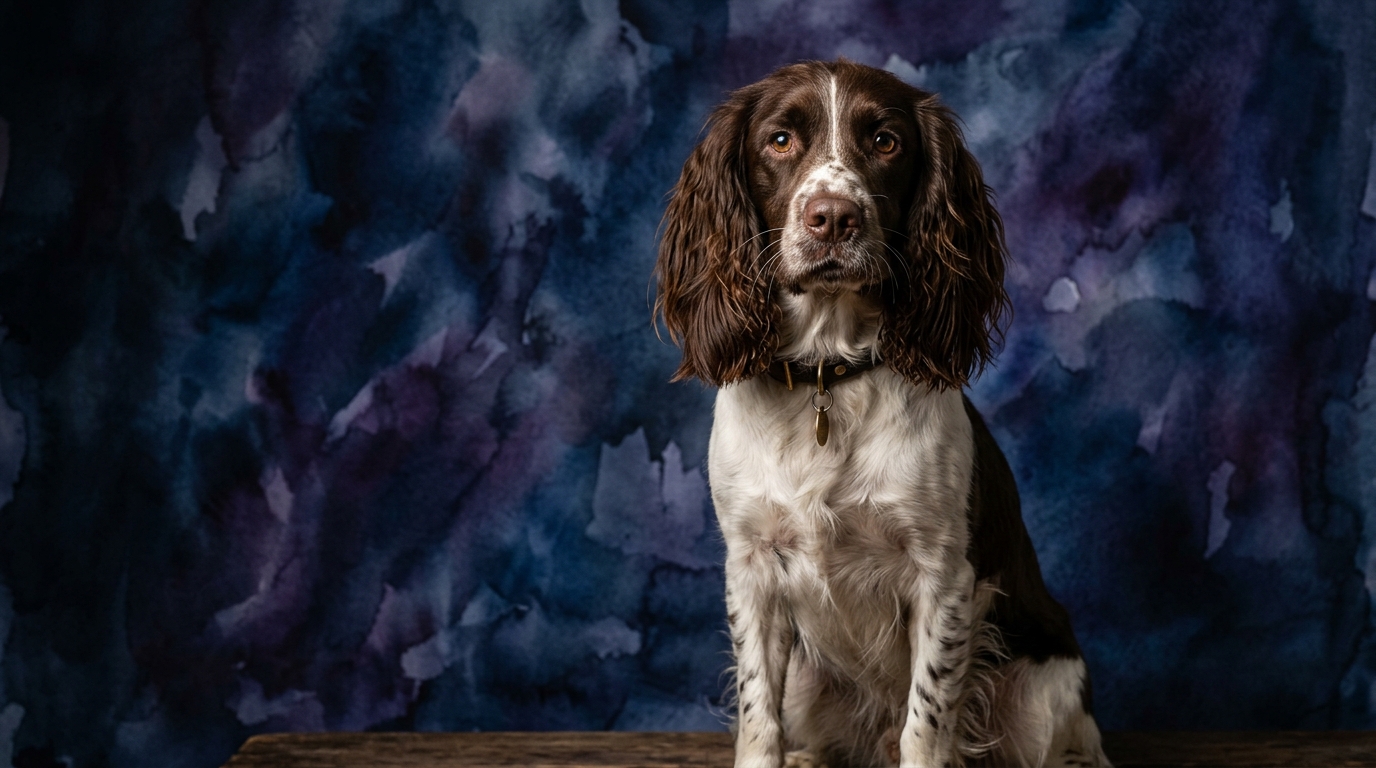
**English Springer Spaniel (Coren Rank #13)**: As a sporting dog, the English Springer Spaniel presents a distinct cognitive profile. Their **Problem Solving (4/5)** skills are strong, enabling them to navigate environments and figure out tasks, particularly those related to retrieving, adapting to new situations effectively. Their perfect **Training Speed (5/5)** is a standout trait, reflecting an eagerness to please and rapid absorption of new commands, making initial training remarkably efficient. **Social Intelligence (4/5)** reveals a warm, gregarious nature and a high skill in reading human emotions, thriving on companionship and harmonious interaction. A perfect **Instinctive Drive (5/5)** is evident in their intense motivation for scent work, retrieving, and physical activity, demanding outlets for their innate hunting behaviors. Their **Memory (4/5)** is good, allowing effective recall of training lessons and routines, though perhaps not with the near-perfect detail a Rottweiler might exhibit.
Where Rottweiler Wins Cognitively
The Rottweiler's cognitive edge is most apparent in its superior Problem Solving and Memory capabilities, both rated 5/5 compared to the English Springer Spaniel's 4/5. This translates into a dog that not only retains information with remarkable tenacity but also applies that stored knowledge to independently strategize and overcome novel challenges. For instance, a Rottweiler might more readily figure out how to unlatch a complex gate or devise a method to retrieve a toy stuck in an awkward spot, relying on sequential thinking and past experiences rather than trial-and-error. Their exceptional memory means that once a command or a boundary is established, it is deeply ingrained, requiring fewer refreshers over time. This cognitive strength underpins their historical roles in guarding and herding, where assessing threats, making independent decisions, and remembering specific duties were paramount. They demonstrate an ability to 'think through' situations, anticipating outcomes and planning their actions, which is a hallmark of sophisticated canine intelligence.
Where English Springer Spaniel Wins Cognitively
The English Springer Spaniel shines brightest in its Training Speed, achieving a perfect 5/5 score where the Rottweiler stands at 4/5. This difference is significant, reflecting the Springer's profound eagerness to please and their highly responsive nature to human instruction. From an owner's perspective, this means an English Springer Spaniel typically picks up new commands and cues with remarkable alacrity, often showing proficiency after only a few repetitions. Their enthusiasm for learning and working alongside their human partners makes them incredibly receptive to positive reinforcement, creating a highly rewarding training experience. While a Rottweiler might process and understand a command, the Springer's inherent desire to comply and their lower independent will often translate into faster, more fluid behavioral responses during initial training phases. This rapid uptake is invaluable for owners seeking a dog that can quickly integrate into various routines, learn complex sequences for dog sports, or swiftly adapt to new household rules.
Which Is Easier to Train and Why
When evaluating ease of training, the English Springer Spaniel clearly holds an advantage due to its perfect 5/5 Training Speed score, compared to the Rottweiler's 4/5. This isn't to say Rottweilers are difficult to train; rather, the Springer's inherent eagerness to please and lower independent streak make the initial learning phase significantly smoother and faster. An English Springer Spaniel typically thrives on positive reinforcement, responding quickly to praise, treats, and play, and often showing a strong desire to perform correctly to gain human approval. Their focus tends to be highly directed towards their handler, making them less prone to distractions during training sessions. In contrast, the Rottweiler, despite its high Problem Solving and Memory scores, possesses a robust instinctive drive and a strong-willed personality. While they grasp concepts quickly, their compliance is often predicated on understanding the 'why' behind a command and respecting the trainer's authority. This means Rottweiler training demands consistency, firm leadership, and engaging methods to channel their independent thinking into desired behaviors, whereas a Springer might simply comply out of sheer enthusiasm. Both breeds require early socialization and consistent training, but the Springer's natural inclination for cooperative learning often translates into a more straightforward and less challenging training journey for the average owner.
Which Suits Active Owners vs Relaxed Owners
Both the Rottweiler and the English Springer Spaniel possess a perfect 5/5 score in Instinctive Drive, signaling a profound need for purpose and physical activity, making neither breed truly suited for relaxed, sedentary owners. However, the *nature* of their activity requirements differs, which can guide owners. The English Springer Spaniel, with its sporting background, thrives on sustained aerobic exercise, scent work, and opportunities to retrieve. They require daily vigorous exercise, such as long runs, hikes, or extensive play sessions, to satisfy their high energy levels and strong hunting instincts. Their need for engagement is often physical and task-oriented, making them ideal for active owners who enjoy outdoor adventures, dog sports like agility or flyball, or field activities. A Springer that doesn't receive enough mental and physical stimulation can become bored, leading to undesirable behaviors like excessive barking or destructive chewing.
The Rottweiler, while equally high in instinctive drive, channels its energy through its working heritage, which often includes guarding, protection, and herding. Their activity needs are more about purposeful work and mental engagement alongside physical exercise. They require structured walks, training sessions that challenge their superior problem-solving abilities, and opportunities to feel they have a 'job,' even if it's just patrolling the yard or carrying a backpack on a hike. While they also need vigorous exercise, their drive is often satisfied by tasks that engage their intellect and protective instincts, making them suitable for active owners who can provide consistent training, mental enrichment, and clear leadership. Neither breed is a couch potato; both demand committed owners who are prepared to integrate their dog's innate drives into their daily lives.
The Verdict
Opt for a Rottweiler if you are an experienced dog owner seeking a profoundly loyal, intelligent, and protective companion capable of independent thought and deep memory, and you are prepared for consistent, firm training to channel their strong will and working drives. They thrive with owners who can provide structured activities, mental challenges, and strong leadership, offering unparalleled companionship and reliability.
Select an English Springer Spaniel if you desire an enthusiastic, highly trainable, and sociable partner for an active lifestyle, particularly if you enjoy outdoor adventures, dog sports, or field activities. Their eagerness to please and rapid learning curve make them an excellent choice for owners who appreciate a responsive, cooperative dog and can commit to fulfilling their intense need for physical and mental exercise.
🧠 Find Your Pet's IQ Score
Our Pet IQ Lab assessment covers 25+ tests across 5 cognitive dimensions — personalized to your breed.
Take the Full IQ Test →Frequently Asked Questions
Is a Rottweiler harder to train than an English Springer Spaniel?
While Rottweilers grasp concepts quickly due to their high problem-solving and memory, their strong independent will can make consistent compliance more challenging than with the highly eager-to-please English Springer Spaniel. The Springer's perfect training speed score means they typically pick up commands with remarkable alacrity.
Which breed requires more exercise, a Rottweiler or an English Springer Spaniel?
Both breeds have a perfect 5/5 instinctive drive and require substantial exercise, but their needs differ: the Springer thrives on sustained aerobic activity and scent work, while the Rottweiler benefits from purposeful work, mental challenges, and structured physical exercise that engages their working instincts. Neither is a low-energy breed.
Are English Springer Spaniels good guard dogs like Rottweilers?
English Springer Spaniels are generally sociable and friendly, making them poor guard dogs, though they will alert to strangers. Rottweilers, with their strong protective instincts and independent problem-solving, are naturally inclined to guard and protect their families and territory, a key aspect of their working intelligence.