
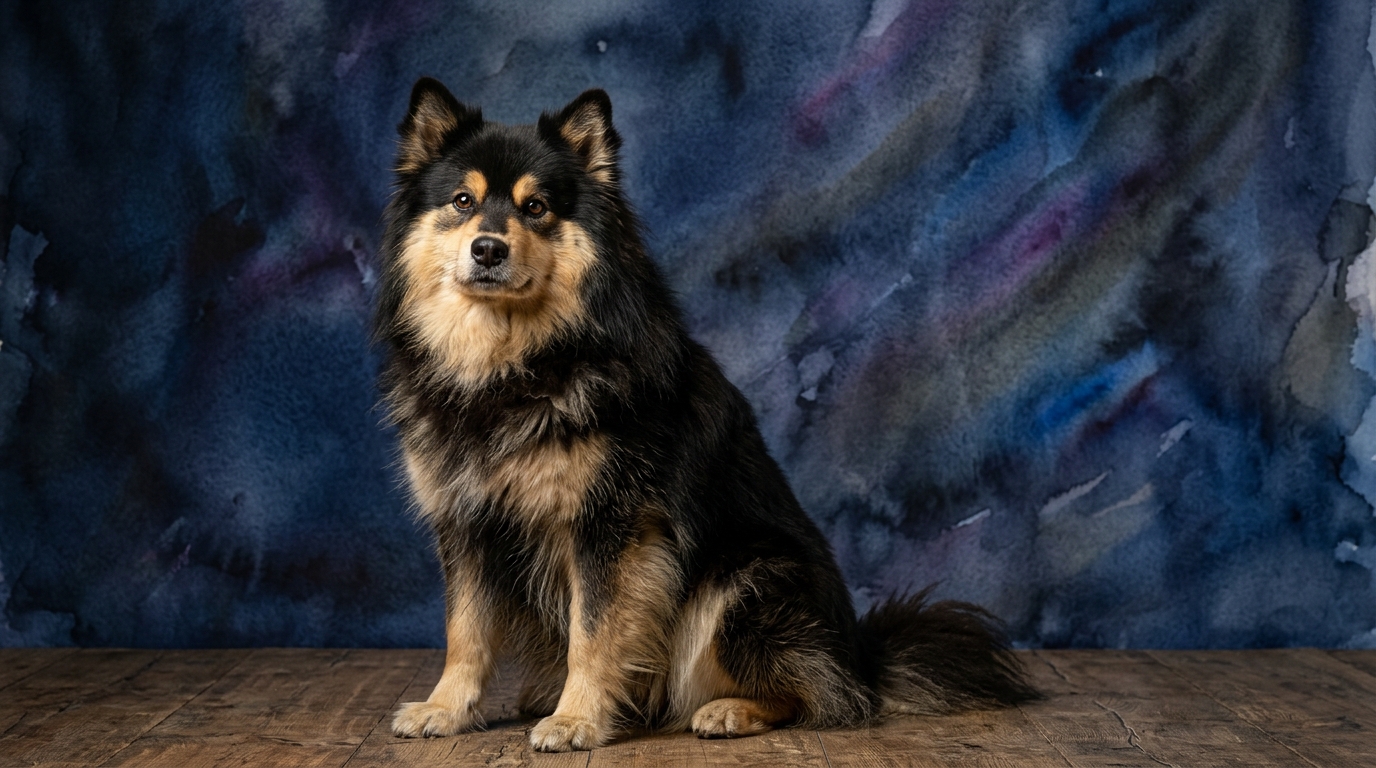
The Cosmic Pet Pet IQ Lab: Rottweiler vs. Finnish Lapphund Intelligence Profile
At The Cosmic Pet Pet IQ Lab, we delve into the nuanced cognitive landscapes of various breeds, moving beyond general perceptions to specific mental attributes. Our framework evaluates five key dimensions: problem-solving, training speed, social intelligence, instinctive drive, and memory. For the Rottweiler and Finnish Lapphund, these scores paint a fascinating picture of their inherent capabilities and predispositions.
The Rottweiler, classified as a Working breed and holding a Coren rank of #9, exhibits a profile geared towards demanding tasks and protective roles. Its problem-solving ability scores a robust 5/5, indicating a capacity for strategic thought and complex task mastery. Training speed is rated 4/5, suggesting a quick grasp of new commands, while social intelligence also stands at 4/5, reflecting an astute understanding of human cues and strong family bonds. Crucially, its instinctive drive is a powerful 5/5, highlighting an inherent motivation for purpose-driven work and protection, complemented by an exceptional memory at 5/5 for retaining information over long periods.
In contrast, the Finnish Lapphund, a Herding breed without a specific Coren rank, presents a more moderate cognitive profile suited to its traditional role. Its problem-solving ability is rated 3/5, indicating practical intelligence for everyday situations rather than complex abstract challenges. Training speed is 3/5, meaning it learns at a steady pace, requiring patience and consistent reinforcement. Social intelligence is also 3/5, fostering affectionate family relationships, though often with a reserved approach to strangers. Its instinctive drive is a moderate 3/5, reflecting a balanced herding instinct without the intense urgency of some working breeds, and memory is rated 3/5, meaning it benefits from regular practice to solidify learned behaviors.
Where the Rottweiler Excels Cognitively
The Rottweiler's cognitive scores underscore its prowess in several key areas. Its 5/5 problem-solving ability means it can independently assess and navigate novel situations with remarkable efficiency. This breed is adept at figuring out complex puzzles, adapting strategies on the fly, and excelling in tasks that demand independent thought, such as advanced obedience trials or service work where quick decisions are paramount. This mental agility translates into a dog that not only learns commands but truly understands the 'why' behind them, often anticipating next steps.
Furthermore, the Rottweiler's 5/5 instinctive drive is a powerful asset, particularly for owners seeking a dog with a strong sense of purpose. This drive manifests as an intense desire to work and protect, making them exceptional candidates for roles like guarding, search and rescue, or even competitive protection sports. This inherent motivation, combined with their 5/5 memory, allows them to master and retain vast amounts of information and complex sequences, leading to highly reliable performance over extended periods without significant refresher training. Their 4/5 training speed means they acquire new skills with impressive rapidity, making the process of teaching intricate tasks more efficient and rewarding for experienced handlers who can channel this mental energy effectively.
Where the Finnish Lapphund's Profile Offers Distinct Advantages
While the Finnish Lapphund's individual cognitive scores are generally lower than the Rottweiler's, its profile offers distinct advantages for owners seeking a different kind of canine companion. The Lapphund's moderate instinctive drive (3/5) means their herding tendencies are present but typically manifest without the intense urgency or territoriality that a higher drive score might entail. This allows them to adapt more readily to diverse home environments, including those without a constant 'job' or extensive acreage, making them less prone to high-energy behavioral issues stemming from unfulfilled intense drives.
Their social intelligence (3/5) fosters a warm, family-oriented bond without the pronounced discerning nature often seen in dogs with higher social intelligence scores combined with strong protective instincts. This translates into a dog that is generally welcoming to familiar faces and can be reserved with strangers, a temperament many owners find ideal for a harmonious household seeking affection without the constant vigilance. Moreover, the Lapphund's practical problem-solving capacity (3/5) means their mental stimulation needs are met through engaging play, basic obedience, and consistent routines, rather than requiring elaborate intellectual challenges daily. This manageable mental energy can be a significant advantage for owners who appreciate a mentally engaged dog but are not looking to constantly provide complex intellectual tasks. Lastly, their 3/5 training speed and memory, while not as rapid as a Rottweiler's, can be beneficial for novice trainers, as errors in early training might not solidify as rapidly, allowing more room for adjustment and refinement in the learning process.
Training Dynamics: Rottweiler vs. Finnish Lapphund
When it comes to trainability, the differences between these two breeds are pronounced and stem directly from their cognitive profiles. The Rottweiler, with its 4/5 training speed and 5/5 memory, is remarkably quick to grasp and retain commands. This breed thrives on structured learning and forms deep working partnerships, eager to please a confident leader. However, its 5/5 instinctive drive and 5/5 problem-solving ability mean that training must be consistent, firm, and fair. A Rottweiler requires clear boundaries and a handler who can channel its formidable mental and physical energy into productive outlets. Without proper guidance and stimulation, their powerful drives can lead to independent decision-making that might not align with human expectations, particularly regarding protection and territoriality.
The Finnish Lapphund, with its 3/5 training speed and 3/5 memory, learns at a more moderate pace. This breed responds best to positive reinforcement, patience, and engaging training sessions that tap into its herding intelligence. While not as quick to pick up new commands as a Rottweiler, the Lapphund is generally eager to cooperate, though its independent streak, characteristic of many herding breeds, means it might occasionally display selective hearing. Owners must be prepared for a more gradual training journey, focusing on building a strong relationship and making learning fun. Unlike the Rottweiler, the Lapphund is less likely to challenge leadership or develop intense guarding behaviors, making it a more forgiving breed for less experienced trainers, provided they remain consistent and positive.
Suitability for Active vs. Relaxed Owners
The distinct cognitive profiles of the Rottweiler and Finnish Lapphund make them suitable for very different owner lifestyles. The Rottweiler is an ideal match for active owners who are committed to providing significant mental stimulation and outlets for its strong instinctive drives. Its high problem-solving ability and memory mean it thrives on having a 'job,' whether it's advanced obedience, protection work, agility, or extensive daily training sessions. This breed requires consistent physical exercise, but more importantly, it needs consistent mental engagement to prevent boredom and destructive behaviors. Owners must be prepared for a dog that demands a high level of interaction and firm, experienced leadership.
Conversely, the Finnish Lapphund is better suited for owners who might describe themselves as active but are looking for a more moderately demanding companion. While they do require regular exercise—daily walks, play, and some mental engagement—their lower intensity in instinctive drives and problem-solving means they are generally content with a balanced routine. They appreciate regular family interaction, moderate outdoor adventures, and engaging, positive reinforcement training. Their social intelligence fosters a loyal, affectionate bond with their family without the same level of protective intensity, making them a wonderful choice for owners seeking a harmonious family pet that enjoys activity but doesn't constantly demand complex work or intense physical exertion.
The Verdict
Choose the Rottweiler if you seek a committed working partner, thrive on consistent training, and can provide ample mental challenges and a clear leadership structure for a dog with powerful drives.
Opt for the Finnish Lapphund if you desire an affectionate family companion, appreciate a dog with moderate energy needs, and are prepared for patient, positive reinforcement training methods.
🧠 Find Your Pet's IQ Score
Our Pet IQ Lab assessment covers 25+ tests across 5 cognitive dimensions — personalized to your breed.
Take the Full IQ Test →Frequently Asked Questions
Are Rottweilers good family dogs?
Yes, Rottweilers can be devoted family members, forming strong bonds with their human pack. Their social intelligence allows them to read family dynamics well, but their protective instincts necessitate early socialization and consistent training to ensure appropriate behavior around all members, especially children.
How much exercise does a Finnish Lapphund need?
Finnish Lapphunds require moderate daily exercise, typically an hour or two of walks, play, or mental engagement. While their instinctive drive is not as intense as some working breeds, regular activity is crucial to keep them physically fit and mentally content, preventing boredom.
Can a Finnish Lapphund live in an apartment?
A Finnish Lapphund can adapt to apartment living if their exercise and mental stimulation needs are consistently met. Their moderate size and generally calm indoor demeanor are suitable, but daily outdoor adventures are essential to prevent restlessness and provide an outlet for their herding heritage.