
Side-by-Side IQ Profile: Rottweiler vs. Italian Greyhound
The Cosmic Pet Pet IQ Lab employs a multi-faceted approach to assess canine intelligence, moving beyond simple obedience to encompass problem-solving, training speed, social intelligence, instinctive drive, and memory. For the Rottweiler, a breed with a long history in herding, guarding, and protection work, these dimensions reveal a formidable cognitive architecture. Their Problem Solving is rated 5/5, indicating a strong capacity for independent thought and navigating complex situations. Training Speed is 4/5, suggesting they grasp new commands and behaviors quite readily. Social Intelligence, at 4/5, points to their ability to understand and respond to human cues and social hierarchies effectively. Instinctive Drive, a robust 5/5, highlights their powerful innate motivations for tasks like guarding, herding, or protection, which are deeply ingrained. Finally, their Memory is also a strong 5/5, meaning they retain learned information and experiences over long periods, making learned behaviors durable.
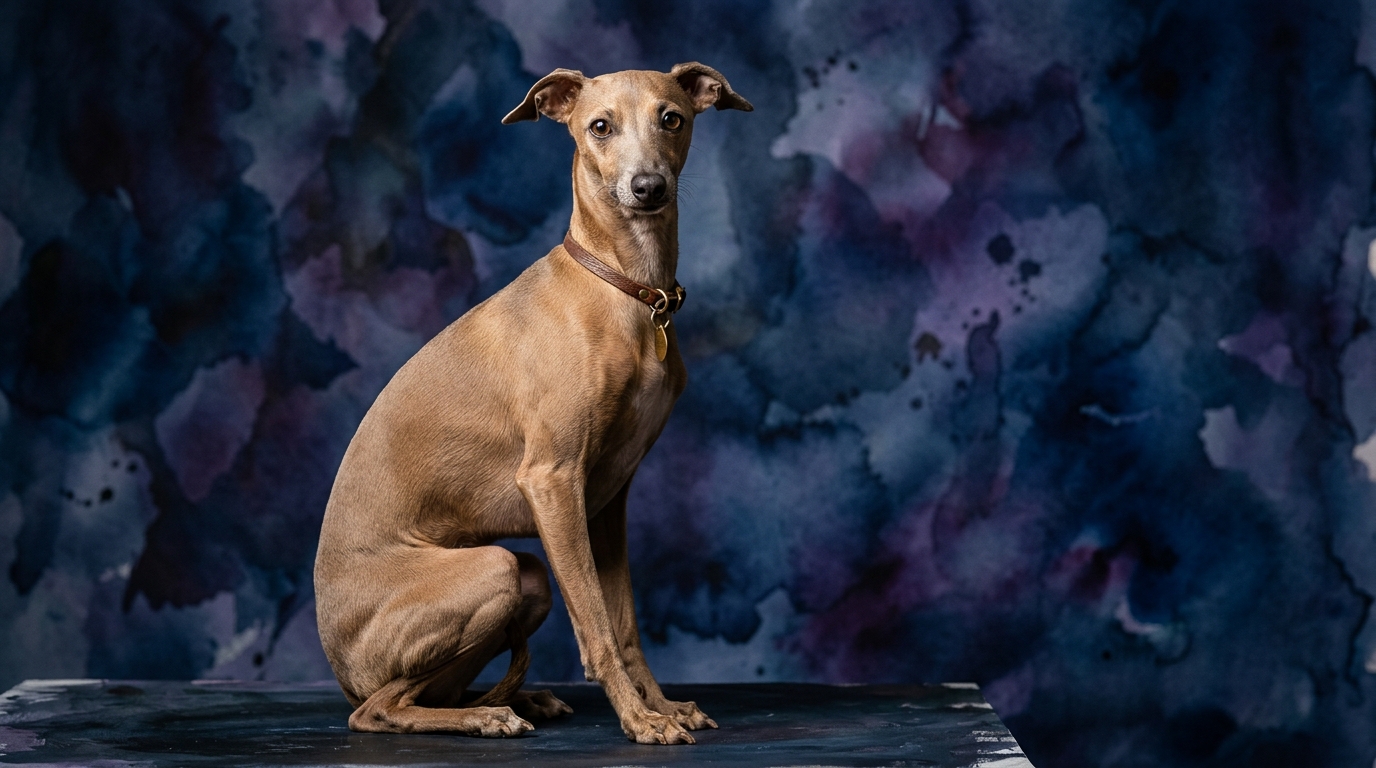
In contrast, the Italian Greyhound, bred primarily for companionship and sighthound pursuits, presents a different cognitive blueprint. Their Problem Solving is rated 3/5, indicating they are capable of navigating their environment and solving routine issues but may not actively seek out or excel at intricate cognitive puzzles. Training Speed also stands at 3/5, suggesting they can learn, but might require more repetition and patience compared to breeds eager for complex tasks. Social Intelligence is 3/5, implying they form strong bonds and understand close family dynamics, though perhaps with less emphasis on broad social engagement or complex group interactions. Their Instinctive Drive is also 3/5, reflecting a moderate level of innate behaviors, often manifesting as a desire to chase small objects or animals, but less intense than working breeds. Lastly, their Memory is 3/5, meaning they recall learned information, but perhaps not with the same depth or duration as breeds bred for extensive working tasks requiring precise recall over time.
Where the Rottweiler Excels Cognitively
The Rottweiler's cognitive strengths are deeply rooted in their working heritage, positioning them as exceptional in tasks requiring consistent application of learned skills and independent judgment. Their 5/5 Problem Solving score means they are adept at evaluating situations and devising solutions, whether it’s figuring out how to open a gate or understanding the nuances of a complex multi-step command. This capacity for analytical thought makes them highly capable in roles demanding more than rote memorization; they can adapt and innovate within their learned frameworks. Furthermore, their 5/5 Instinctive Drive fuels their dedication to tasks. This isn't just about raw energy, but about a profound internal motivation to fulfill their perceived 'job,' whether that's guarding their family or completing an obedience routine with precision. This drive, combined with a 5/5 Memory, ensures that once a task, command, or behavioral expectation is learned, it is deeply ingrained and consistently recalled, making them reliable partners in demanding scenarios. Their Social Intelligence (4/5) allows them to interpret human intentions and social cues with accuracy, enabling effective collaboration in working environments where clear communication and understanding are paramount.
Where the Italian Greyhound's Cognitive Profile Shines
While the Italian Greyhound’s cognitive scores are numerically lower than the Rottweiler’s, their unique profile offers distinct advantages for specific lifestyles and owner preferences. Their 3/5 Instinctive Drive means they typically possess a more moderate inclination towards intense, task-oriented behaviors compared to working breeds. This can translate to a 'win' for owners seeking a companion less driven by a need to perform demanding jobs or patrol territories, resulting in a more relaxed household dynamic. Their Social Intelligence at 3/5, while not geared towards complex group dynamics, is often channeled into forming exceptionally deep, singular bonds with their primary human companions. This focused social acumen makes them incredibly devoted and sensitive to their immediate family's emotional states, thriving on intimate connection rather than broad social engagement. Their Problem Solving (3/5) and Memory (3/5) are perfectly adequate for navigating a domestic environment and learning the routines of a companion animal, without the inherent need for constant, intricate mental challenges. This profile aligns well with a lifestyle centered on comfort, affection, and personal connection, where their cognitive energy is directed towards companionship rather than rigorous mental work.
Training Dynamics: Rottweiler vs. Italian Greyhound
Training a Rottweiler often involves harnessing their considerable mental horsepower and strong drives. With a Training Speed of 4/5 and Memory of 5/5, they are generally quick to pick up new commands and retain them consistently. However, their 5/5 Instinctive Drive means training must be channeled effectively to prevent these strong impulses from overriding desired behaviors. They thrive on clear, consistent leadership and purpose-driven tasks, responding well to training that challenges their problem-solving abilities and provides a 'job' to do. Early socialization and firm, positive reinforcement are crucial to guide their powerful protective instincts and ensure their social intelligence is directed appropriately. Their cognitive makeup means they are not just learning commands, but understanding the underlying rules and expectations, making them capable of advanced obedience and specialized tasks.
The Italian Greyhound, with 3/5 in both Training Speed and Memory, typically requires a more patient and nuanced approach. While capable of learning, they may not grasp new concepts as rapidly or retain them as solidly without consistent reinforcement. Their motivation often stems from comfort, affection, and food rewards, rather than an inherent drive to perform complex tasks. House-training can sometimes be a particular challenge, requiring diligent routine and positive reinforcement tailored to their smaller bladder and preference for warmth. Their moderate Instinctive Drive (3/5) means they might be distracted by interesting sights or scents, but generally lack the intense focus of a working breed. Training should be kept positive, engaging, and relatively brief, focusing on building a strong bond and making learning a pleasant experience. Understanding their sensitive nature and desire for companionship is key to successful training, as harsh methods can be counterproductive.
Ideal Owners: Active Engagement vs. Relaxed Companionship
The Rottweiler's cognitive profile makes them an ideal match for active, engaged owners who are prepared to provide significant mental and physical stimulation. Owners who enjoy structured training, canine sports like obedience or protection work, or who need a dog with a strong sense of purpose will find the Rottweiler's problem-solving skills, strong memory, and high instinctive drive incredibly rewarding. They require an owner who can consistently guide their considerable intelligence and ensure their protective instincts are well-managed and channeled. This breed thrives when given responsibilities and opportunities to use their mind, making them suitable for individuals or families committed to an active, disciplined lifestyle.
Conversely, the Italian Greyhound's cognitive attributes align beautifully with more relaxed owners seeking a devoted, low-maintenance companion. Their moderate drives and focus on intimate social bonds make them excellent for individuals or families desiring a gentle presence that thrives on close companionship and comfort. They are well-suited to apartment living or homes where intense physical exercise and mental tasks are not the primary focus. Owners who appreciate a sensitive, affectionate dog that enjoys quiet evenings and gentle play will find an Italian Greyhound's cognitive and emotional needs perfectly complementary to their lifestyle. They are a good fit for those who can offer consistent affection and a secure, warm environment without the demand for constant, rigorous mental engagement.
The Verdict
Choose a Rottweiler if you are an experienced owner seeking a highly capable, driven companion for structured training, protective roles, or demanding activities requiring significant cognitive engagement and loyalty.
Opt for an Italian Greyhound if you desire a gentle, affectionate companion whose cognitive profile is geared towards devoted companionship, thriving in a calm, comfortable home environment without intense mental demands.
🧠 Find Your Pet's IQ Score
Our Pet IQ Lab assessment covers 25+ tests across 5 cognitive dimensions — personalized to your breed.
Take the Full IQ Test →Frequently Asked Questions
Does a Rottweiler's high instinctive drive make them difficult to manage?
A Rottweiler's 5/5 instinctive drive means they possess strong innate motivations, which require proper channeling through training and purpose. With consistent, positive guidance from an engaged owner, these drives can be directed towards constructive activities like protection work or obedience, rather than becoming problematic. Early socialization and clear boundaries are essential for managing their powerful instincts effectively.
Are Italian Greyhounds difficult to train because their scores are lower?
Italian Greyhounds are not inherently difficult to train, but their 3/5 scores in training speed and memory suggest they may require more patience and positive reinforcement than breeds bred for rigorous obedience. They respond best to gentle, consistent methods focused on rewards and building a strong bond. Expect progress to be steady rather than rapid, and tailor training to their sensitive nature and desire for comfort.
How does social intelligence differ between these two breeds?
A Rottweiler's 4/5 social intelligence indicates a broad understanding of social hierarchies and cues, making them adaptable in various social contexts and effective in working partnerships. An Italian Greyhound's 3/5 social intelligence often translates to a deep, focused bond with their immediate family, valuing intimate connection over extensive social interactions. They are highly attuned to their close companions' emotions, thriving on personal devotion.