Side-by-Side IQ Profile: Rottweiler vs. Shiba Inu
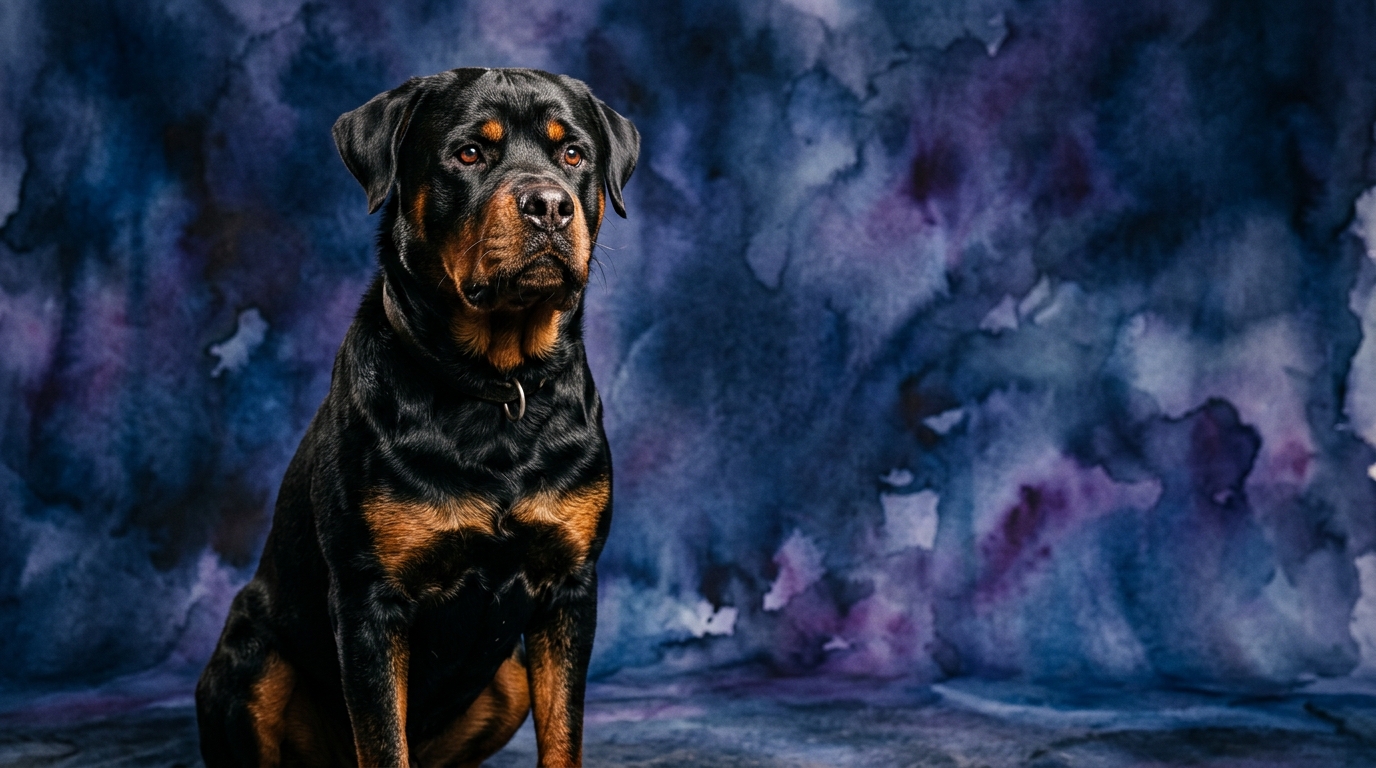
The Rottweiler, a Working breed ranked #9 by Coren, demonstrates a profound capacity for complex thought and collaborative effort. Their Problem Solving is rated 5/5, indicating an exceptional ability to analyze situations and devise multi-step solutions. Training Speed is 4/5, reflecting their quick grasp of new commands and routines, often requiring few repetitions. Social Intelligence stands at 4/5, highlighting their strong understanding of human cues and desire to bond. Instictive Drive is 5/5, showcasing powerful protective and working instincts, while Memory is 5/5, allowing for outstanding retention of learned behaviors and experiences over time.
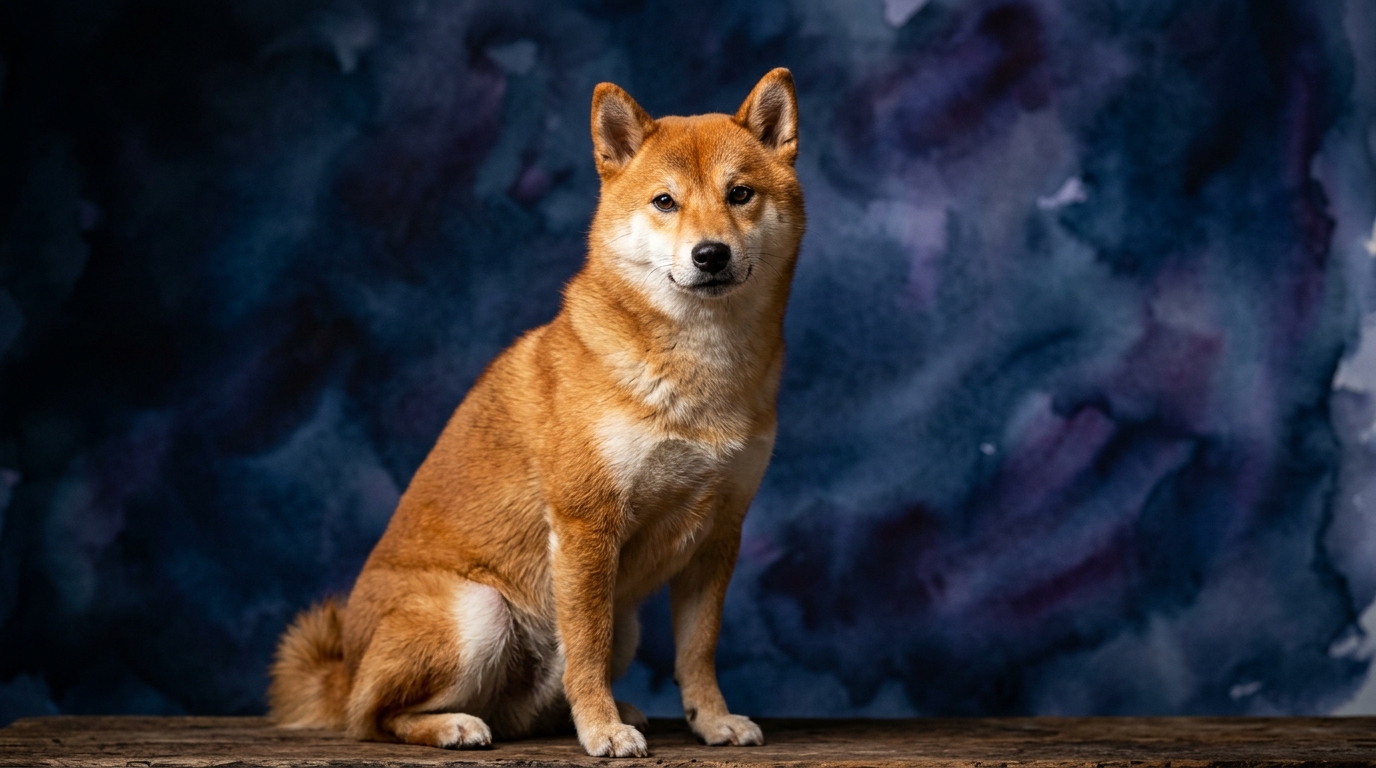
In contrast, the Shiba Inu, a Non-Sporting breed not Coren-ranked, presents a distinct cognitive makeup. Their Problem Solving is 4/5, meaning they can effectively navigate challenges, particularly those serving their own interests, often with independent flair. Training Speed is 2/5, suggesting a slower learning pace that demands significant patience and consistency. Social Intelligence is 3/5, indicating an ability to read human signals but often with a degree of aloofness rather than eager cooperation. Instictive Drive is 5/5, characterized by strong prey drive and territoriality, a legacy of their hunting origins. Memory is 4/5, allowing them to recall past events and learned behaviors, though sometimes selectively.
Where the Rottweiler Wins Cognitively
Rottweilers demonstrate a superior ability in tasks requiring collaborative problem-solving, leveraging their 5/5 problem-solving score and 4/5 social intelligence. They excel at intricate obedience routines, complex scent work, or multi-stage tasks where working in concert with a human handler is paramount. Their cognitive strength lies in processing and responding to human direction, making them highly adept at service roles or competitive sports that demand precision and partnership.
Their efficiency in learning is another significant cognitive advantage. With a training speed of 4/5 and memory of 5/5, Rottweilers absorb and retain new information with remarkable speed and consistency. This means they can build upon previous lessons effectively, mastering a wide repertoire of commands and skills that are recalled reliably over long periods, making them exceptionally versatile in various working capacities.
The Rottweiler’s handler-oriented focus, stemming from their social intelligence, translates into a keen desire to understand and fulfill expectations. This makes them highly responsive and engaged participants in training, consistently seeking to perform tasks correctly and efficiently. This intrinsic motivation for partnership allows them to excel in disciplines requiring sustained focus and a strong working bond.
Where the Shiba Inu Wins Cognitively
The Shiba Inu excels in independent resourcefulness. With a problem-solving score of 4/5, they frequently devise creative solutions to access desired items or navigate challenging environments without human intervention. This self-reliant cognitive approach is a hallmark of their hunting heritage, where operating autonomously to achieve objectives was a survival trait, making them adept at figuring things out on their own terms.
Their strong instinctive drive (5/5) and keen senses contribute to an exceptional environmental awareness and sensory acuity. As a breed developed for hunting small game in rugged terrain, Shibas are remarkably observant of their surroundings, noticing subtle changes or movements that might escape other breeds. This heightened perception allows them to process vast amounts of sensory information, contributing to their alertness and watchfulness.
While their overall memory is 4/5, Shibas often exhibit a remarkable situational memory for self-interest. They can vividly recall past experiences that served their own goals, such as where a hidden treat might be or how to circumvent a previously encountered barrier. This independent recall underscores their self-preserving nature, allowing them to learn from experience in a way that directly benefits them, even if it doesn't always align with human expectations.
Which is Easier to Train and Why
The Rottweiler is significantly easier to train due to its higher training speed (4/5) and stronger social intelligence (4/5). They possess an intrinsic desire to work in partnership with their human, quickly grasping commands and willingly performing tasks. Their deep memory (5/5) ensures lessons stick, allowing for continuous progression in training, making them responsive and eager participants in learning new skills. Their breed history as working dogs has ingrained a cooperative spirit, making them generally more receptive to instruction and consistent in their responses.
The Shiba Inu, with its training speed of 2/5 and social intelligence of 3/5, presents a greater training challenge. Their independent and often 'cat-like' personality means they are less motivated by pleasing a handler and more by self-interest. While capable of learning, they require immense patience, consistency, and highly motivating rewards, often choosing whether or not to comply based on their own assessment of the situation rather than immediate obedience. This strong independent streak means they learn at their own pace and often need to be convinced that cooperation is beneficial for them, often displaying a selective hearing when not sufficiently motivated.
Which Suits Active Owners vs. Relaxed Owners
The Rottweiler is better suited for active owners who are prepared to engage deeply in their dog's mental and physical development. Their high instinctive drive (5/5) and need for consistent cognitive stimulation mean they thrive with structured activities like advanced obedience, protection sports, tracking, or even service work. They require owners who can channel their substantial energy and sharp mind into productive outlets, preventing boredom and potential behavioral issues. An owner who enjoys consistent training and physical challenges will find a rewarding partnership with a Rottweiler, as they are bred to have a job and excel when given one.
Neither breed is truly ideal for a 'relaxed' owner in the sense of minimal engagement, but the Shiba Inu could potentially fit a slightly less structured lifestyle, provided the owner understands and respects its independent nature. While active, their exercise needs can sometimes be met with varied walks and secure off-leash areas rather than intensive, structured work. However, their strong instinctive drive (5/5) and need for mental engagement still mean they require consistent, stimulating activities to prevent boredom, and their independent streak means a 'relaxed' owner must still be firm and consistent in boundaries, just not necessarily in highly demanding obedience routines. They are not a dog to be left to their own devices without proper mental and physical outlets, as their resourcefulness can lead to mischief.
The Verdict
Opt for a Rottweiler if you seek a highly trainable, devoted working partner capable of mastering complex tasks and thriving in structured environments. Their readiness to collaborate and impressive cognitive retention make them ideal for dedicated owners committed to advanced training and consistent engagement in activities like competitive obedience or protection sports.
Select a Shiba Inu if you appreciate an independent, resourceful companion with a distinctive personality and are prepared for a training journey requiring significant patience and creativity. They suit owners who value a dog's self-reliant nature and can provide consistent mental stimulation through varied activities, even if formal obedience isn't their primary focus.
🧠 Find Your Pet's IQ Score
Our Pet IQ Lab assessment covers 25+ tests across 5 cognitive dimensions — personalized to your breed.
Take the Full IQ Test →Frequently Asked Questions
Are Shiba Inus difficult to train?
Shiba Inus can be challenging to train due to their independent nature and lower training speed score (2/5). They learn but often require more patience, consistency, and strong motivation, as they are less driven by a desire to please and more by their own perceived benefits.
Do Rottweilers need a lot of mental stimulation?
Absolutely. With a problem-solving score of 5/5 and a strong instinctive drive, Rottweilers require significant mental engagement to prevent boredom and destructive behaviors. They thrive on tasks, training, and activities that challenge their sharp minds and provide a purpose.
Which breed is better for a first-time dog owner?
Neither breed is typically recommended for first-time dog owners without prior research and commitment. However, the Rottweiler's higher trainability and desire to please might make them slightly more manageable with dedicated training, whereas the Shiba's independence can be particularly challenging for novices.