A Side-by-Side Cognitive Profile
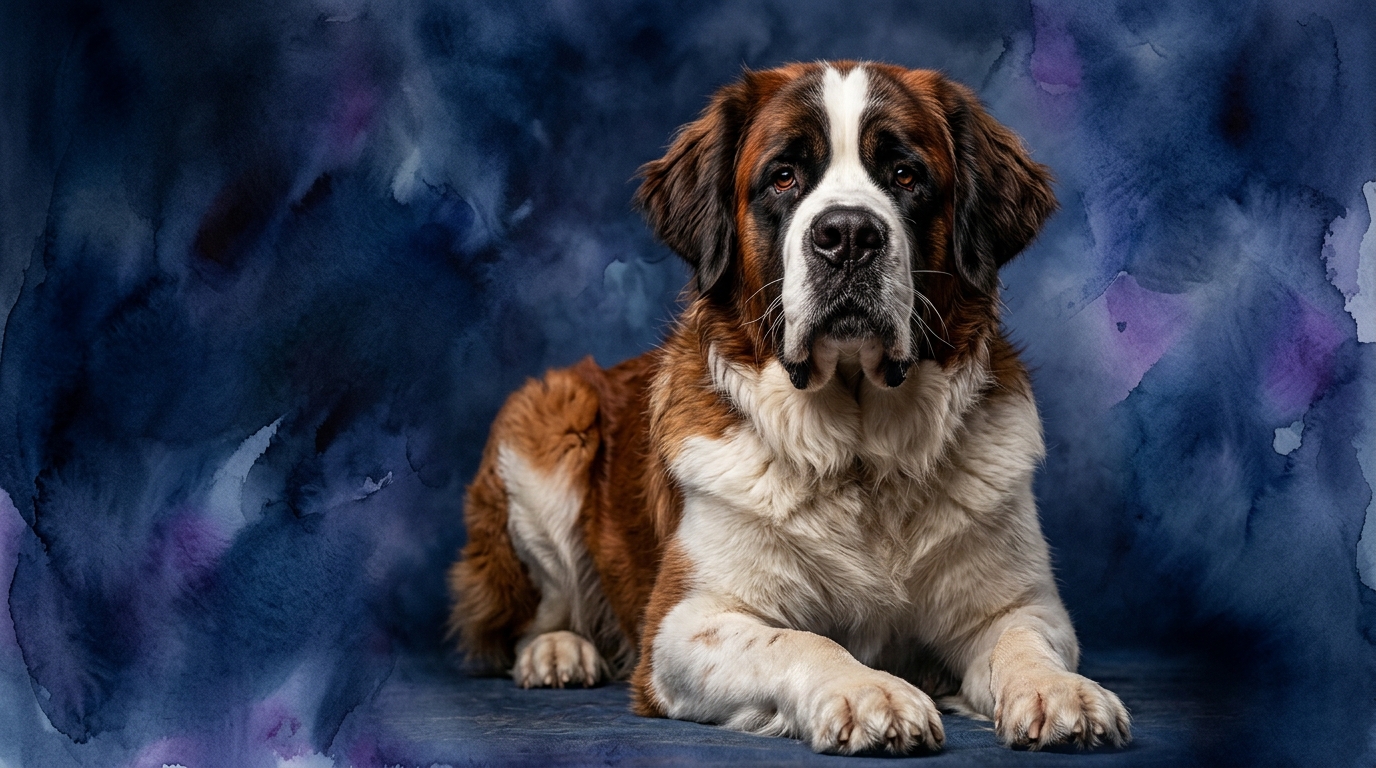
To understand the unique mental landscapes of these two Swiss breeds, The Cosmic Pet Pet IQ Lab employs five key dimensions of canine intelligence. For the Saint Bernard, a working dog with a Coren ranking of #65, their cognitive breakdown includes problem solving at 3/5, training speed at 2/5, social intelligence at 4/5, instinctive drive at 5/5, and memory at 3/5. This profile paints a picture of a thoughtful, empathetic giant.
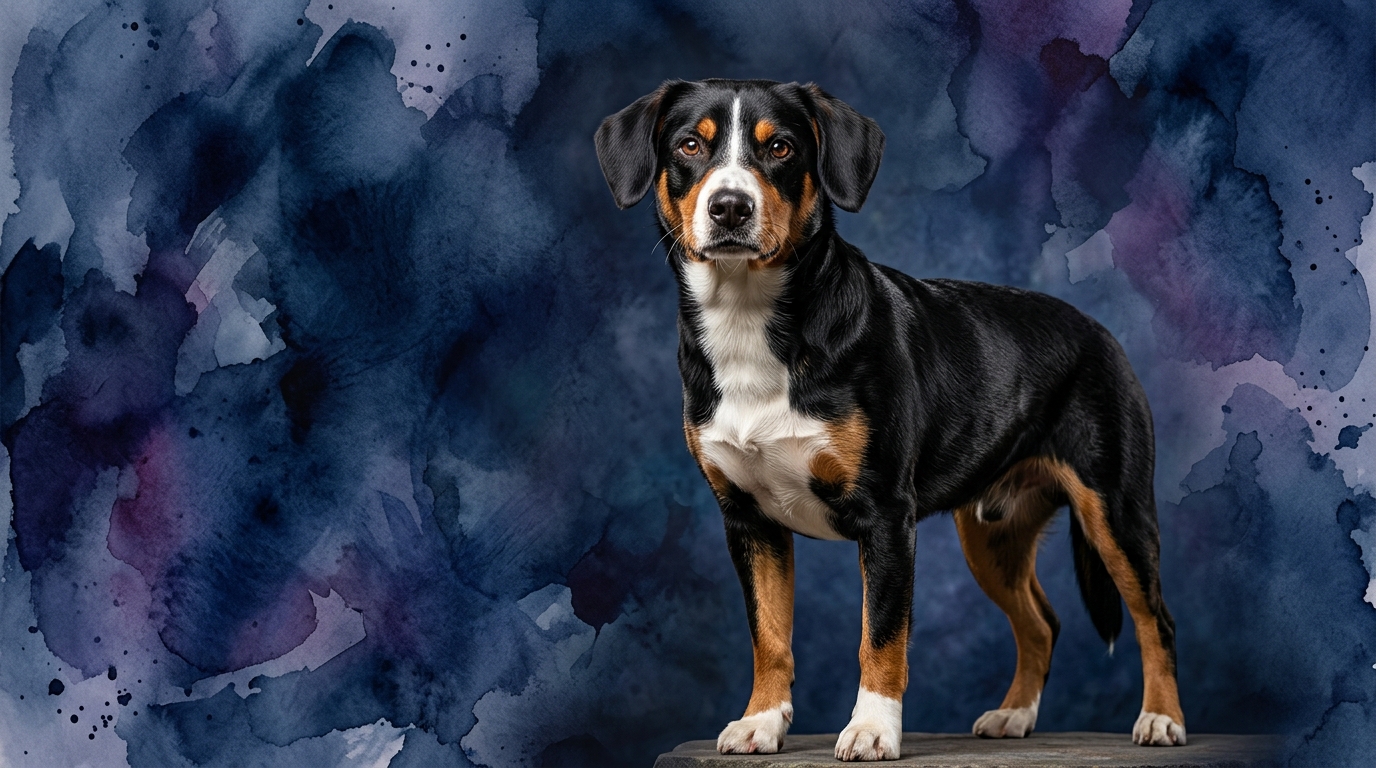
The Entlebucher Mountain Dog, a herding breed not yet included in Coren's ranking, presents a different cognitive blueprint: problem solving at 3/5, training speed at 3/5, social intelligence at 3/5, instinctive drive at 3/5, and memory at 3/5. This profile suggests a balanced, adaptable, and focused canine.
Delving deeper into the Saint Bernard's specifics, their problem-solving (3/5) manifests in navigating complex environments, particularly in rescue scenarios requiring spatial reasoning to locate trapped individuals or find paths through deep snow. Their solutions often involve persistence and immense physical strength rather than intricate manipulation. Their training speed (2/5) indicates they can be deliberate learners, often requiring patience and consistent, positive reinforcement to solidify commands; their independent nature, rooted in their working heritage, means they might not always respond with immediate enthusiasm to novel instructions. Social intelligence (4/5) is a hallmark of the Saint Bernard, showing them to be exceptionally attuned to human emotions and intentions, making them empathetic companions and reliable therapy animals. This ability to read subtle cues was crucial for their historical role in assisting distressed travelers. Their instinctive drive (5/5) is powerful, encompassing rescue work, protection, and companionship, manifesting as a strong desire to be helpful and watchful over their family unit, often acting on their own initiative when they perceive a need. Finally, their memory (3/5) exhibits a solid recall for routines, familiar people, and learned associations, remembering past training and experiences, though perhaps not with the lightning-fast precision of some herding breeds.
For the Entlebucher Mountain Dog, their problem-solving (3/5) skills are practical, particularly in tasks related to herding, such as maneuvering livestock or finding efficient routes. Their solutions are typically agile and resourceful, focused on immediate practical outcomes. With a training speed of 3/5, they are generally quick to grasp new commands and respond to cues, benefiting from their eager-to-please nature and focus; they genuinely enjoy the mental engagement of learning and performing tasks. Their social intelligence (3/5) shows they are capable of forming strong bonds with their primary family and can be observant of social dynamics within their household; while loyal, they might be more reserved or discerning with strangers compared to the openly affectionate Saint Bernard. The Entlebucher's instinctive drive (3/5) displays a pronounced herding instinct, often attempting to 'gather' family members or other pets, and they also possess a protective drive, acting as vigilant watchdogs. Their memory (3/5) demonstrates reliable recall for training, boundaries, and routines, remembering commands and past experiences, contributing to their consistency in learned behaviors.
Where the Saint Bernard's Cognition Shines
The Saint Bernard truly excels in areas demanding profound social empathy and intuitive understanding. Their superior social intelligence (4/5) allows them to perceive and respond to human emotional states with remarkable sensitivity, making them exceptionally comforting companions. This aptitude goes beyond simple recognition; it involves a deep, intuitive understanding of distress or vulnerability, a trait honed by centuries of working alongside human rescuers in challenging conditions, where reading subtle human signals could mean the difference between life and death.
Furthermore, their unparalleled instinctive drive (5/5) for assistance and protection means they often act on their own initiative, particularly in perceived emergencies. This isn't merely about following commands, but about an intrinsic motivation to safeguard their family, showcasing a proactive form of cognitive application without direct human instruction. This deep-seated drive allows them to assess situations and respond with a powerful sense of duty.
Entlebucher Mountain Dog's Cognitive Advantages
The Entlebucher Mountain Dog demonstrates a distinct edge in training responsiveness and mental agility. Their higher training speed (3/5 compared to the Saint Bernard's 2/5) indicates a quicker uptake of new commands and a more immediate responsiveness during training sessions. This breed thrives on mental engagement and finds satisfaction in mastering new skills, making them generally more agile in absorbing complex sequences of actions and excelling in structured learning environments.
While both breeds share a 3/5 in problem-solving, the Entlebucher's problem-solving is often characterized by a more focused, dynamic approach, particularly in tasks requiring quick adjustments and strategic maneuvering, such as separating livestock or navigating obstacles in an agile manner. Their solutions lean towards efficiency and swift execution within a defined task, reflecting their heritage as nimble herding dogs who need to react quickly to changing circumstances.
Training Dynamics: Which is Easier and Why?
The Entlebucher Mountain Dog generally presents as easier to train due to its higher training speed (3/5) and a more eager-to-please disposition. Entlebuchers typically exhibit a strong desire to work alongside their human, finding positive reinforcement highly motivating and enjoying the challenge of learning. Their herding background means they are accustomed to responding to cues quickly and enjoy having a 'job' to do, making them more amenable to consistent instruction and less prone to independent decision-making during training sessions; they thrive on clear direction and consistent engagement.
In contrast, the Saint Bernard, with a training speed of 2/5, often requires more patience and consistency. While perfectly capable of learning, their historical role as independent rescuers means they can possess a more self-reliant streak. This isn't stubbornness, but rather a cognitive inclination to assess situations and act based on their own judgment, which can translate into a slower, more deliberate response to commands, particularly if they don't immediately perceive the utility of an instruction. Their impressive instinctive drive for rescue can sometimes override a learned command if they believe a more pressing 'duty' calls, requiring an understanding of their intrinsic motivations during training.
Matching Breeds to Lifestyles: Active vs. Relaxed Owners
The Entlebucher Mountain Dog is a clear match for active owners. Their energetic nature, coupled with a moderate instinctive drive (3/5) and a desire for mental stimulation, means they thrive on regular, vigorous exercise, dog sports, and engaging activities that challenge their quick wit and physical agility. Owners who enjoy hiking, agility, competitive obedience, or even just long, brisk walks will find the Entlebucher a rewarding and enthusiastic partner, capable of keeping pace.
The Saint Bernard, despite its immense size, often suits more relaxed owners. While they require regular, moderate exercise to maintain health and prevent boredom, their higher social intelligence (4/5) and lower training speed (2/5) mean they are content with being loyal, gentle companions who enjoy calm presence and affectionate interactions. Their powerful instinctive drive (5/5) for companionship means they are deeply content being a watchful, comforting presence in the home, rather than constantly seeking high-intensity activities or demanding constant mental challenges.
The Verdict
Choose a Saint Bernard if you seek a deeply empathetic, gentle giant companion who offers unwavering loyalty and a powerful, intuitive sense of protection, and you are prepared for a deliberate training journey.
Opt for an Entlebucher Mountain Dog if you desire an agile, responsive partner for an active lifestyle, appreciate a quicker learner in training, and are ready to channel their focused energy and herding instincts into constructive activities.
🧠 Find Your Pet's IQ Score
Our Pet IQ Lab assessment covers 25+ tests across 5 cognitive dimensions — personalized to your breed.
Take the Full IQ Test →Frequently Asked Questions
Is the Saint Bernard difficult to train?
The Saint Bernard isn't necessarily difficult, but they are deliberate learners with a training speed of 2/5, requiring patience and consistency. Their independent nature, stemming from their rescue heritage, means they may take longer to grasp commands compared to breeds eager for constant direction. Positive reinforcement and understanding their strong instinctive drive for companionship are key to successful training.
Do Entlebucher Mountain Dogs need a lot of exercise?
Yes, Entlebucher Mountain Dogs require consistent physical and mental exercise to thrive. Their herding background and moderate instinctive drive (3/5) mean they possess good stamina and a need for a 'job,' making daily vigorous walks, playtime, or dog sports essential to prevent boredom and channel their energy constructively. Without adequate stimulation, they can become restless.
Which breed is better with children?
Both breeds can be good with children, but in different ways. The Saint Bernard, with its high social intelligence (4/5) and gentle demeanor, is often a patient and watchful guardian, known for its tolerance. The Entlebucher, while loyal, might require more supervision due to its herding instinct, which could lead to playful nipping or attempts to 'herd' children if not properly trained and socialized from a young age.