
Side-by-Side IQ Profile
The Saint Bernard, traditionally recognized within Stanley Coren's ranking at #65, presents a cognitive profile deeply rooted in its heritage of companionship and rescue. In problem-solving, they score a 3/5, demonstrating an ability to navigate complex situations, albeit often with a deliberate, thoughtful approach rather than immediate spontaneity. Their training speed is rated 2/5, indicating that while capable of learning, they benefit most from patient, consistent instruction and may not pick up new commands with rapid-fire succession. A standout attribute is their social intelligence, scoring an impressive 4/5; these dogs are remarkably attuned to human emotions and subtle cues, making them exceptional companions and empathetic observers. Their instinctive drive, at a powerful 5/5, reflects an inherent motivation for their historical roles of protecting and aiding, translating into a strong sense of purpose and loyalty. Finally, their memory stands at 3/5, allowing them to retain routines, commands, and familiar faces effectively.
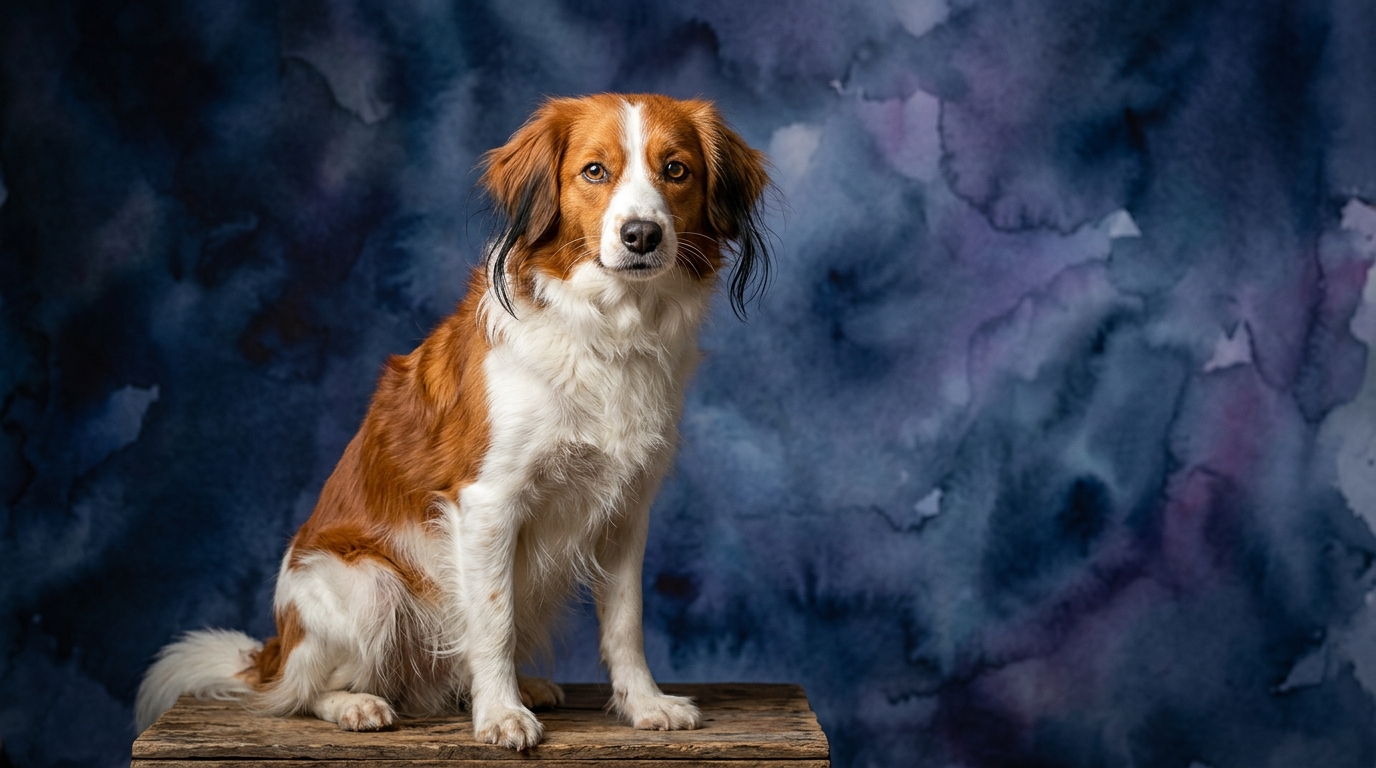
The Kooikerhondje, a spirited sporting dog not present in traditional Coren rankings, possesses a different, yet equally capable, cognitive makeup. Their problem-solving ability also scores a 3/5, manifesting as a resourceful and often clever approach to challenges, particularly those involving their environment or obtaining a desired outcome. For training speed, they score a 3/5, suggesting a more responsive learner than the Saint Bernard, generally eager to engage and quicker to grasp new concepts when properly motivated. Their social intelligence is rated 3/5; they are typically friendly and observant, but may display a more reserved initial demeanor compared to the Saint Bernard's immediate warmth, assessing situations before fully engaging. The Kooikerhondje’s instinctive drive, scoring 3/5, is strongly tied to their original function as a duck lurer, involving focused attention, agility, and a strong prey drive, though it is less broadly encompassing than the Saint Bernard’s. Their memory, like the Saint Bernard's, is a solid 3/5, enabling them to recall tasks and learned behaviors reliably.
Where Saint Bernard Wins Cognitively
The Saint Bernard truly shines in realms demanding profound empathy and unwavering purpose, areas where their cognitive scores surpass the Kooikerhondje. Their superior social intelligence, rated 4/5 compared to the Kooikerhondje's 3/5, allows them to discern intricate human emotional states with remarkable accuracy. This isn't just about being friendly; it's a sophisticated ability to recognize distress, comfort effectively, and adapt their behavior to human needs, a critical trait for their rescue origins. This deep social awareness means they often anticipate their owner’s moods or requirements, offering quiet companionship or gentle reassurance precisely when needed, a nuanced cognitive skill.
Furthermore, the Saint Bernard's instinctive drive, at a commanding 5/5 against the Kooikerhondje's 3/5, speaks to an unparalleled dedication and inherent motivation. This isn't merely a high energy level, but a profound internal compass guiding their actions, whether it's protecting their family, tending to livestock, or historically, navigating treacherous mountain passes to find lost travelers. Their drive is often intertwined with a powerful sense of responsibility and a deep-seated desire to fulfill a 'job,' making them incredibly steadfast and dependable. This manifests as a calm, confident presence and an enduring commitment to their perceived duties, a cognitive strength that underpins their legendary loyalty and resilience.
Where Kooikerhondje Wins Cognitively
The Kooikerhondje demonstrates its distinct cognitive strengths particularly in areas requiring agile learning and adaptive problem-solving, reflecting its active sporting heritage. While both breeds score 3/5 in problem-solving, the Kooikerhondje's manifestation often involves quick, clever strategies, especially when motivated by pursuit or mental puzzles. Their historical role as a duck lurer demanded not just physical agility but also mental resourcefulness to outsmart waterfowl, adapting tactics based on observation and environmental cues—a dynamic form of cognitive flexibility.
A clear cognitive advantage for the Kooikerhondje lies in its training speed, rated 3/5 compared to the Saint Bernard's 2/5. This means they generally grasp new commands and concepts more readily, often requiring fewer repetitions to solidify a behavior. Their eagerness to engage in interactive tasks and their inherent responsiveness make them quicker studies in obedience and dog sports. This faster acquisition rate makes them particularly rewarding for owners who enjoy teaching a wide repertoire of commands or participating in activities that demand rapid learning and execution, showcasing a mental nimbleness perfectly suited to their active, engaging nature.
Which Is Easier to Train and Why
Considering their respective IQ profiles, the Kooikerhondje generally presents as the easier breed to train, primarily due to its higher training speed (3/5) and a keen desire to engage with its handler. Their sporting background has cultivated a responsiveness to cues and a natural inclination to work collaboratively, especially when tasks are presented as fun and rewarding. They tend to be less prone to stubbornness, preferring to participate and learn, which translates into quicker progress in obedience and trick training. Their moderate instinctive drive (3/5) is focused and channelled effectively into specific tasks, making them highly receptive to structured training sessions aimed at channeling their energy and focus.
The Saint Bernard, while ultimately trainable, requires a more patient and nuanced approach, influenced by its 2/5 training speed and powerful 5/5 instinctive drive. Their problem-solving often involves independent thought, which, while valuable in a rescue context, can manifest as deliberation or a 'what's in it for me?' attitude in training. Their immense size also means that early and consistent training is crucial for managing their physical presence, but their learning curve is more gradual. Leveraging their high social intelligence (4/5) is key; they thrive on positive reinforcement, a strong bond with their trainer, and understanding the 'why' behind a command, often responding best when they feel a sense of purpose or connection to the task. They are not quick to learn, but once a concept is understood and accepted, their memory (3/5) ensures it's retained.
Which Suits Active Owners vs. Relaxed Owners
For owners who embrace an active lifestyle and seek a canine partner for regular engagement and mental stimulation, the Kooikerhondje is often the more fitting choice. Their sporting heritage means they possess a moderate instinctive drive (3/5) and a keen intelligence that thrives on activity. They excel in dog sports like agility, obedience, and flyball, requiring consistent outlets for their physical energy and problem-solving skills (3/5). An owner who enjoys daily walks, interactive play, and training sessions will find the Kooikerhondje a joyful and responsive companion, preventing boredom and channeling their natural predispositions effectively.
Conversely, the Saint Bernard typically aligns better with more relaxed owners who appreciate a calm, companion-focused presence, albeit one of substantial size. While they certainly need regular, moderate exercise to maintain health, their energy levels, once past puppyhood, are generally lower than many sporting breeds. Their high social intelligence (4/5) and strong instinctive drive (5/5) are deeply rooted in companionship and watchful guardianship, making them content with a comfortable home environment and ample human interaction. They thrive on being part of the family rhythm, offering a steady, comforting presence rather than demanding constant high-octane activity. A relaxed owner who values deep emotional connection and a gentle giant will find the Saint Bernard a profoundly rewarding companion, provided they can accommodate their size and provide consistent, patient guidance.
The Verdict
If you seek a deeply empathetic, steadfast companion with an unwavering sense of purpose, capable of profound social connection, and are prepared for a deliberate training pace, the Saint Bernard is an exceptional choice.
For those desiring an agile, quicker-learning partner for active pursuits and engaging training, with a clever approach to problem-solving, the Kooikerhondje will prove to be a delightful and responsive addition to the family.
🧠 Find Your Pet's IQ Score
Our Pet IQ Lab assessment covers 25+ tests across 5 cognitive dimensions — personalized to your breed.
Take the Full IQ Test →Frequently Asked Questions
Is a Saint Bernard difficult to train due to its size?
While their size demands early, consistent training for manageability, the Saint Bernard's 2/5 training speed means they learn at a slower pace, requiring patience and repetition. Their high social intelligence means they respond well to positive reinforcement and a strong bond with their trainer.
Do Kooikerhondjes need a lot of mental stimulation?
Yes, Kooikerhondjes, with their 3/5 problem-solving and training speed, thrive on mental engagement. Their sporting background means they benefit greatly from puzzle toys, training sessions, and activities that challenge their intellect and channel their instinctive drive, preventing boredom.
Which breed is better with children based on their social intelligence?
The Saint Bernard, with its 4/5 social intelligence, often displays a remarkable sensitivity and patience with children, making them gentle giants. The Kooikerhondje, at 3/5 social intelligence, is generally good but can be more reserved or easily overstimulated by very young children, benefiting from proper introductions and supervision.