
Side-by-Side IQ Profile: Gentle Giant vs. Spirited Herder
The Saint Bernard, a member of the Working Group, is Coren-ranked #65, reflecting a particular set of cognitive strengths developed for its historical role. Its Problem Solving is rated 3/5, indicating a moderate capacity for independent thought, often relying on established patterns or human guidance for complex tasks. Their problem-solving leans towards practical applications, such as navigating challenging terrain or locating individuals, rather than abstract puzzles. Training Speed is 2/5, meaning they require patience and consistent repetition during training. While capable of learning, their learning curve is generally slower than many breeds, necessitating clear, positive reinforcement methods and an understanding of their often deliberate pace. Social Intelligence stands at 4/5, exhibiting a high degree of social awareness, forming deep bonds with their human families and often demonstrating an intuitive understanding of human emotions. This trait makes them exceptional companions and often leads to a protective, yet gentle, demeanor. Their Instinctive Drive is 5/5, driven by a powerful, inherent urge to assist and protect, a legacy of their mountain rescue origins. This translates into a strong desire to be "useful" within their family unit, often expressed through watchful guardianship and a profound sense of responsibility. Memory is rated 3/5, demonstrating a reliable, moderate memory for learned commands and routines, especially those associated with positive experiences. They can recall significant events and people over time, contributing to their steadfast loyalty.
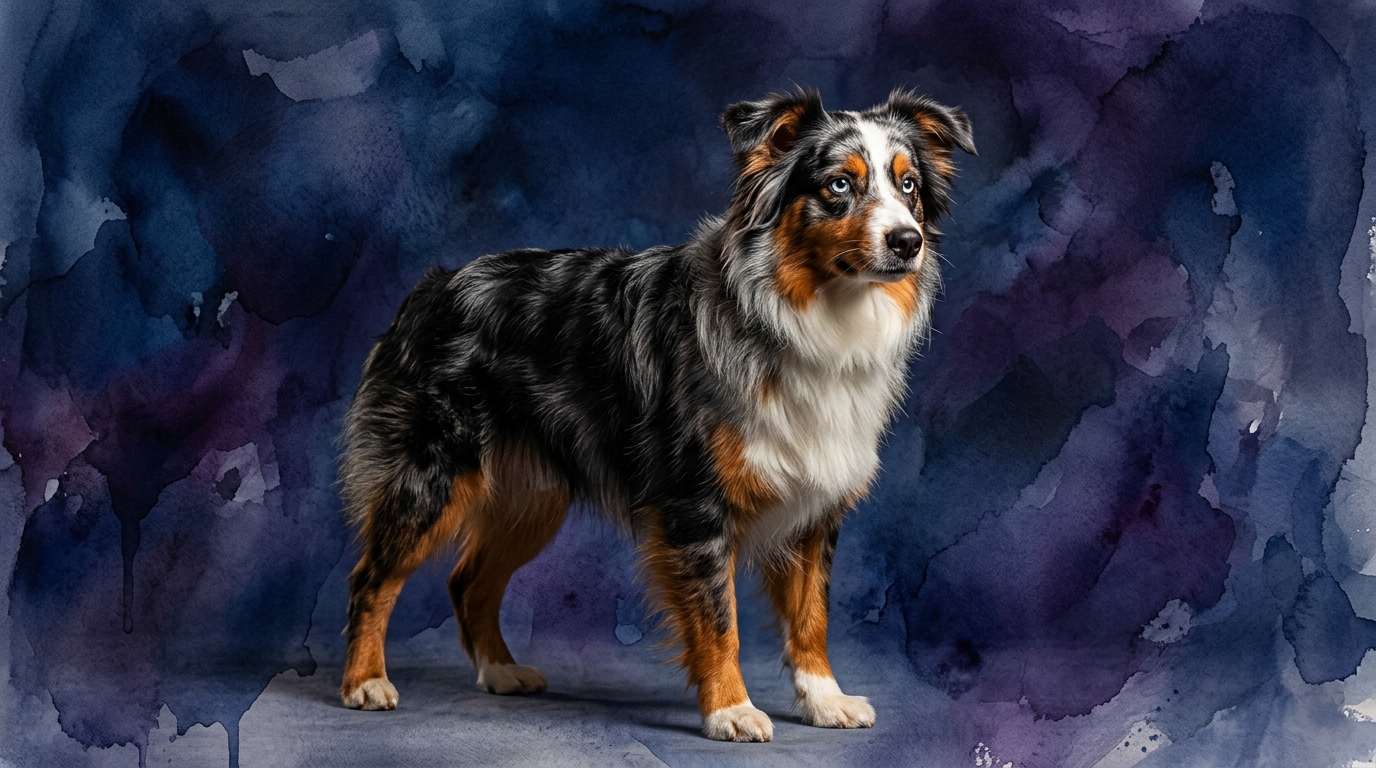
The Miniature American Shepherd, a Herding Group member, is not Coren-ranked but presents a distinct cognitive profile. Its Problem Solving is 3/5, showing a balanced capacity for problem-solving, capable of figuring out moderate challenges, particularly those related to spatial reasoning or task completion. Their intellect is practical, often applied to navigating environments or managing resources. Training Speed is 3/5, meaning they learn at a moderate pace, typically picking up new commands and routines with reasonable consistency. They respond well to varied training techniques and enjoy the mental engagement that comes with learning new skills. Social Intelligence is 3/5, possessing a moderate level of social intelligence, forming strong bonds with their primary caregivers and generally interacting well with known individuals. They are attentive to their family's moods but might be more reserved with strangers than the Saint Bernard. Instinctive Drive is 3/5, carrying a moderate herding drive, manifesting as an inclination to gather and manage, often applied to family members or even household objects. This drive, while present, is typically more contained than that of many traditional herding breeds. Memory is 3/5, exhibiting a solid, consistent memory for commands, routines, and the locations of familiar objects or people. Their recall is dependable, making them reliable partners once a task or behavior is ingrained.
Where the Saint Bernard Excels Cognitively
The Saint Bernard's cognitive strengths distinctly align with its historical role as a rescue dog. Their social intelligence, rated at 4/5, allows them to intuitively understand human emotions and intentions, a critical trait for locating and comforting lost travelers in harsh conditions. This deep empathy translates into an exceptional ability to bond with and respond to their family's emotional cues, making them incredibly perceptive companions. Furthermore, their instinctive drive at 5/5 is unparalleled; it's a profound, innate urge to aid and protect, often manifesting as a steadfast watchfulness over their human 'flock.' This isn't just a learned behavior but a deeply ingrained motivation to be helpful and responsible, driving them to take their duties seriously, whether that's guarding the home or simply being a comforting presence. While their problem-solving and training speed might be moderate, these are secondary to their immense social acuity and powerful protective instincts, which are their true cognitive hallmarks.
Where the Miniature American Shepherd Shines Cognitively
The Miniature American Shepherd's cognitive profile highlights a well-rounded and agile mind, particularly in areas demanding adaptability and quick processing. Their training speed, rated at 3/5, indicates a quicker uptake of new commands and routines compared to the Saint Bernard, making them generally more responsive to novel training exercises and varied learning environments. This moderate training speed, combined with their balanced problem-solving (3/5), allows them to approach new challenges with a thoughtful yet efficient mindset, often finding solutions through observation and application of learned behaviors. While their instinctive drive is moderate, it is a focused herding drive, giving them a purpose-driven approach to tasks and activities. This breed demonstrates a consistent and reliable memory, particularly for tasks and routines, which, when coupled with their moderate training speed, contributes to their overall reliability in performing complex sequences or learning multiple commands in succession. Their cognitive strengths lie in their balanced and adaptable intellect, allowing them to excel in dynamic situations where moderate speed and thoughtful application are key.
Which is Easier to Train and Why
When comparing training ease, the Miniature American Shepherd generally presents a more straightforward experience due to its higher training speed (3/5) compared to the Saint Bernard's (2/5). The Mini American Shepherd's moderate learning curve means it typically grasps new commands and concepts with fewer repetitions and in a shorter timeframe. This breed often enjoys the mental stimulation of training sessions and is eager to please, which further facilitates the learning process. Their moderate instinctive herding drive, while needing direction, provides a natural motivation for engagement. In contrast, the Saint Bernard's slower training speed necessitates significant patience and consistency. While they are certainly capable of learning, their deliberate nature means that new behaviors require more extensive reinforcement and a longer period to solidify. Their strong social intelligence means they respond well to positive, relationship-based training, but trainers must be prepared for a more gradual progression. For instance, teaching a complex sequence of obedience commands might feel more like a marathon with a Saint Bernard, whereas a Miniature American Shepherd might pick up the individual components more quickly, allowing for faster sequencing.
Which Suits Active Owners vs. Relaxed Owners
The choice between these two breeds largely hinges on an owner's lifestyle and their capacity for providing mental and physical engagement. The Miniature American Shepherd is an ideal match for active owners. With its balanced problem-solving and training speed, coupled with a moderate instinctive drive, this breed thrives on consistent mental and physical stimulation. They excel in activities like agility, obedience, and even herding trials, requiring daily structured exercise and opportunities to engage their minds. An owner who enjoys hiking, dog sports, or regular training sessions will find the Mini American Shepherd a willing and energetic partner, leveraging its cognitive agility and moderate energy levels. Conversely, the Saint Bernard is better suited for more relaxed owners, provided they understand the implications of owning a large, powerful dog. While they still require regular, moderate exercise to maintain health, their lower training speed and more deliberate problem-solving mean they are less demanding in terms of constant mental challenges. Their high social intelligence and profound instinctive drive make them content with being a watchful, loving presence within the family, often enjoying calm companionship and predictable routines. A relaxed owner who values a steadfast, emotionally perceptive companion and is prepared for a more patient training journey will find the Saint Bernard to be a deeply rewarding addition to their home.
The Verdict
Opt for a Saint Bernard if you seek a profoundly social, protective companion with an innate desire to be part of the family, and you are prepared for a patient, consistent training journey.
Select a Miniature American Shepherd if you are an active owner looking for an agile, adaptable partner eager for consistent mental and physical challenges and who enjoys a faster learning pace.
🧠 Find Your Pet's IQ Score
Our Pet IQ Lab assessment covers 25+ tests across 5 cognitive dimensions — personalized to your breed.
Take the Full IQ Test →Frequently Asked Questions
Does the Saint Bernard's size impact its cognitive abilities or training?
The Saint Bernard's substantial size doesn't directly diminish its cognitive capacity, but it does influence its physical capabilities and the practicalities of training. Their deliberate movements and sheer mass mean training often requires more physical effort from the handler and a longer time to establish new motor patterns, which can be perceived as a slower learning speed.
Can a Miniature American Shepherd live in an apartment, given its cognitive needs?
A Miniature American Shepherd can adapt to apartment living, but it requires a dedicated owner to meet its significant cognitive and physical needs. Daily structured exercise, regular training sessions, and interactive puzzle toys are crucial to prevent boredom and destructive behaviors, ensuring their balanced problem-solving and instinctive drive are constructively engaged.
How does the "instinctive drive" rating translate to everyday behavior for these breeds?
For the Saint Bernard, a 5/5 instinctive drive translates into a powerful, inherent urge to protect and assist, manifesting as a watchful, loyal companion deeply invested in its family's well-being. For the Miniature American Shepherd, a 3/5 instinctive drive means a moderate herding inclination, often expressed through an interest in gathering family members or objects, requiring appropriate outlets to channel this energy constructively.