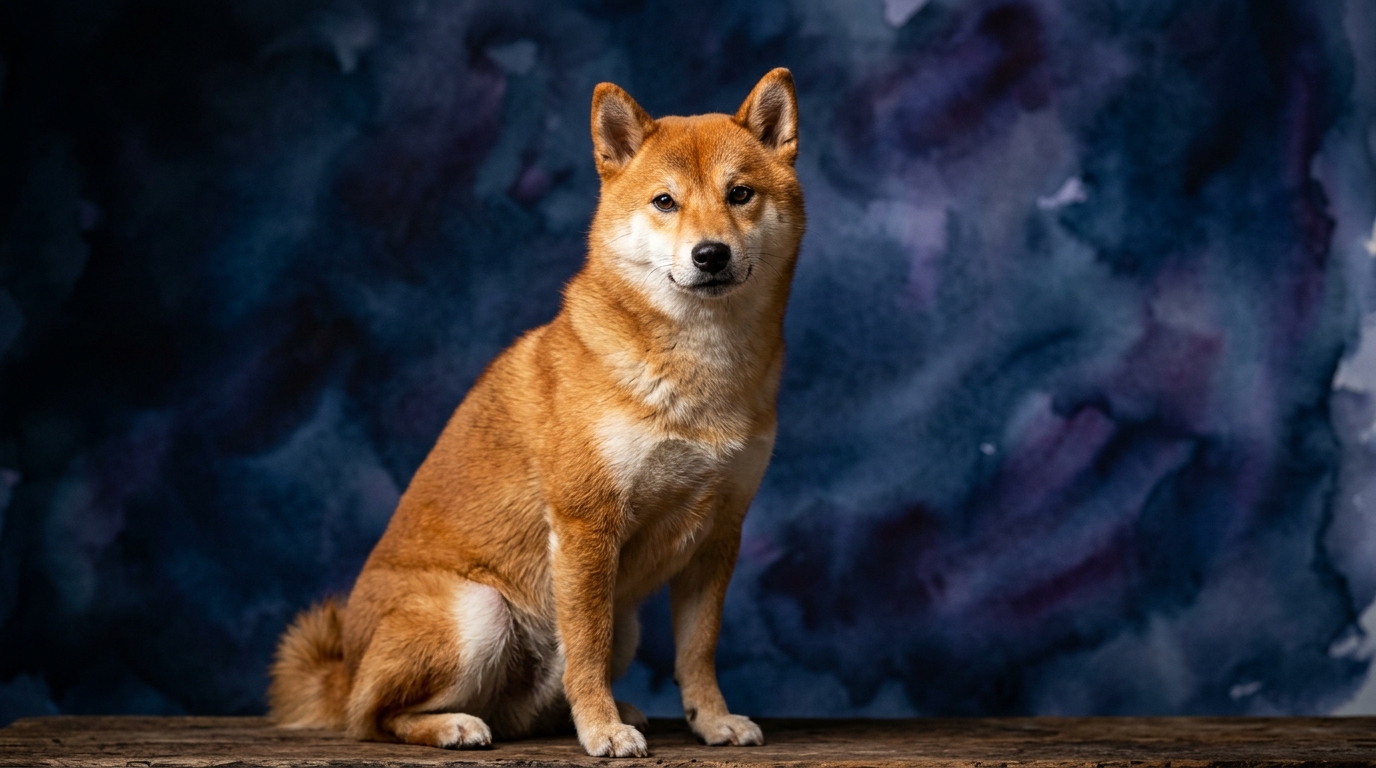
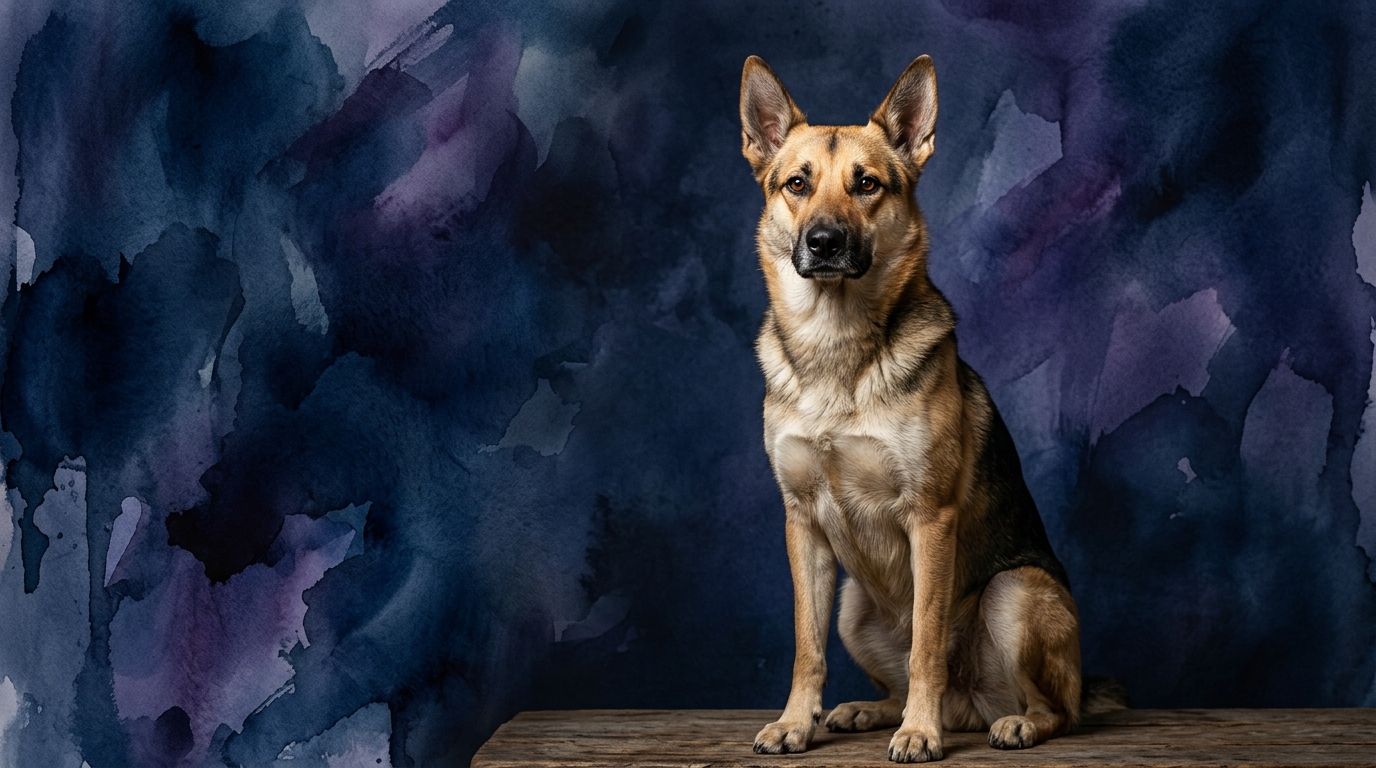
Side-by-Side Cognitive Profiles
At The Cosmic Pet Pet IQ Lab, we evaluate canine intelligence across five key dimensions, offering a nuanced understanding beyond simple obedience. The Shiba Inu, a spirited companion from Japan's mountainous regions, exhibits a Problem Solving score of 4/5, indicating a strong capacity for independent thought and figuring out complex situations. Its Training Speed is rated 2/5, suggesting a more deliberate or selective approach to learning commands. Social Intelligence stands at 3/5, reflecting a moderate ability to interpret and respond to human and canine social cues. A notable Instinctive Drive of 5/5 highlights a powerful internal motivation, often manifesting as a strong prey drive or territoriality, while Memory is strong at 4/5, meaning they retain learned information and experiences effectively.
The Canaan Dog, a resourceful desert pariah dog from the Middle East, presents a slightly different cognitive landscape. Its Problem Solving ability is rated 3/5, indicating a competent but perhaps less inventive approach compared to the Shiba. Training Speed is 3/5, suggesting they are moderately responsive to instruction and can learn at a steady pace. Like the Shiba, their Social Intelligence is 3/5, indicating a similar level of understanding and interaction within social contexts. The Canaan Dog's Instinctive Drive is 3/5, a balanced score that points to a dog with natural instincts but perhaps less intensity than the Shiba. Memory is also 4/5, showing a strong recall for experiences and learned behaviors, mirroring the Shiba's capacity in this area. Interestingly, the Canaan Dog holds a Coren rank of #43, placing it squarely in the category of 'average working/obedience intelligence,' a distinction the Shiba Inu does not carry.
Where the Shiba Inu Leads Cognitively
The Shiba Inu demonstrates a clear advantage in two crucial cognitive areas: problem-solving and instinctive drive. With a Problem Solving score of 4/5 against the Canaan Dog's 3/5, Shibas often exhibit a more cunning and inventive approach to challenges. This can manifest as quickly understanding how to open cabinets, dislodge toys from tight spaces, or even devising strategies to get what they want from their humans. Their independence often fuels this ingenuity, as they are less inclined to wait for direction and more prone to figuring things out themselves, sometimes to their owner's surprise. This superior problem-solving acumen means they require consistent mental enrichment to prevent boredom-driven mischief, often excelling with puzzle toys or complex scent work.
Furthermore, the Shiba Inu's Instinctive Drive, rated at a formidable 5/5 compared to the Canaan Dog's 3/5, is a defining characteristic. This strong internal motivation means their actions are often dictated by deeply ingrained breed behaviors rather than external commands. This intense drive can include a powerful prey instinct, a pronounced territoriality, or an unwavering self-preservation instinct. While it makes them incredibly resilient and self-sufficient, it also means their attention can be easily diverted by environmental stimuli that trigger these drives. Owners must understand that this isn't disobedience but a powerful genetic blueprint guiding their behavior, requiring extensive socialization and management to channel appropriately.
Where the Canaan Dog Excels Cognitively
The Canaan Dog's cognitive strengths lie primarily in its Training Speed and its balanced instinctive drive, which contributes to its biddability. While both breeds share a 3/5 Social Intelligence and 4/5 Memory, the Canaan Dog's Training Speed of 3/5 slightly surpasses the Shiba Inu's 2/5. This suggests that Canaan Dogs, while still independent thinkers, are generally more receptive to formal training and pick up new commands with a bit more alacrity. Their Coren ranking of #43 further underscores this, indicating a reasonable capacity for understanding and executing obedience commands consistently. This isn't to say they are always eager to please, but their learning curve for structured tasks tends to be less steep than that of the Shiba.
Their Instinctive Drive, rated 3/5, also represents a cognitive advantage in terms of adaptability and trainability for many owners. Unlike the Shiba's intense 5/5 drive, the Canaan Dog's more moderate instincts mean they are less likely to be completely consumed by external triggers like small prey or perceived threats, making them potentially more manageable in varied environments. While they retain their inherent guarding and herding instincts, they can often be redirected or trained more effectively due to this slightly lower, more balanced drive. This allows them to engage more readily with their handlers in training scenarios, making them a more predictable partner in learning new skills.
Training Dynamics: Shiba Inu vs. Canaan Dog
When it comes to ease of training, the Canaan Dog generally presents a more straightforward path than the Shiba Inu. The Shiba's Training Speed of 2/5, coupled with its robust 5/5 Instinctive Drive, paints a picture of a dog that learns quickly but often chooses when and if to comply. Their problem-solving prowess means they can figure out what you want, but their independent nature often leads them to weigh whether complying benefits them more than pursuing their own interests. This "what's in it for me?" attitude, often described as cat-like, requires immense patience, creativity, and highly motivating rewards from their handler. They are not 'unintelligent,' but rather selective learners who need compelling reasons to perform a task, and their high instinctive drive can easily override a handler's command if a more primal urge takes over.
The Canaan Dog, with a Training Speed of 3/5 and a more moderate 3/5 Instinctive Drive, tends to be more cooperative in a training setting. While they are still independent and can be stubborn, they are generally more inclined to form a working partnership with their owner. Their background as a pariah dog required them to be observant and adaptable, traits that translate into a willingness to learn and respond to cues when a clear, consistent structure is provided. They respond well to positive reinforcement and clear communication, and while they won't be as effortlessly biddable as some traditional working breeds, their greater willingness to engage makes the training process less of an uphill battle compared to the Shiba Inu. Owners will find the Canaan Dog more agreeable to consistent training routines, even if they require a firm yet fair hand.
Matching Breeds to Lifestyles: Active vs. Relaxed Owners
Neither the Shiba Inu nor the Canaan Dog is typically suited for a truly 'relaxed' owner in the sense of minimal engagement. Both breeds thrive with active, engaged owners, though the nature of that activity differs. The Shiba Inu, with its high Problem Solving (4/5) and intense Instinctive Drive (5/5), demands an owner who is prepared for consistent mental stimulation and proactive management of their strong instincts. 'Active' for a Shiba owner means providing puzzle toys, engaging in regular training sessions that challenge their intellect, and carefully managing environments to prevent their prey drive from taking over. They need a secure yard and vigilant leash handling, as their independent streak and drive can lead them to wander or chase. An owner who understands and respects their cunning, independent nature will find them rewarding, but one seeking a highly biddable, always-eager-to-please companion might find them frustrating.
The Canaan Dog, while sharing some independence, requires an owner who can provide structured activity and a sense of purpose. Their Herding group classification and moderate Instinctive Drive (3/5) suggest they need regular physical exercise and mental engagement that taps into their natural guarding and observation skills. 'Active' for a Canaan Dog owner involves long walks, hikes, or even participation in dog sports like agility or obedience, where their intelligence and moderate trainability can shine. They are adaptable but need a job or consistent routine to prevent boredom. While they can be calm indoors once their exercise needs are met, they are not couch potatoes. Owners who appreciate a watchful, loyal companion that benefits from consistent guidance and a clear role within the family will find the Canaan Dog a fulfilling partner, particularly if they can offer space and opportunities for exploration.
The Verdict
Choose the Shiba Inu if you are an experienced, patient owner who appreciates an independent, highly intelligent problem-solver and is prepared to manage a strong instinctive drive with consistent mental enrichment.
Opt for the Canaan Dog if you seek a loyal, watchful companion with a moderate training speed, a balanced instinctive drive, and are ready to provide consistent structure and physical activity for a resourceful, adaptable breed.
🧠 Find Your Pet's IQ Score
Our Pet IQ Lab assessment covers 25+ tests across 5 cognitive dimensions — personalized to your breed.
Take the Full IQ Test →Frequently Asked Questions
Are Shiba Inus difficult to train?
Shiba Inus are not unintelligent, but their training speed is rated 2/5 due to their independent nature and strong instinctive drive. They learn quickly but often choose whether to comply, requiring patience, highly motivating rewards, and a creative approach from their handler.
Do Canaan Dogs have a strong prey drive?
Canaan Dogs have an instinctive drive rated 3/5, which means they possess natural instincts including some prey drive, but it's generally more moderate and manageable compared to breeds with higher scores. Consistent training and socialization can help channel these instincts appropriately.
Which breed is better for first-time dog owners?
Neither the Shiba Inu nor the Canaan Dog is typically recommended for first-time dog owners. Both breeds possess independent temperaments and require experienced handling, consistent training, and thorough socialization to thrive. The Canaan Dog might be marginally easier due to its slightly higher training speed and more balanced instinctive drive, but both are a significant commitment.