Side-by-Side Cognitive Profiles
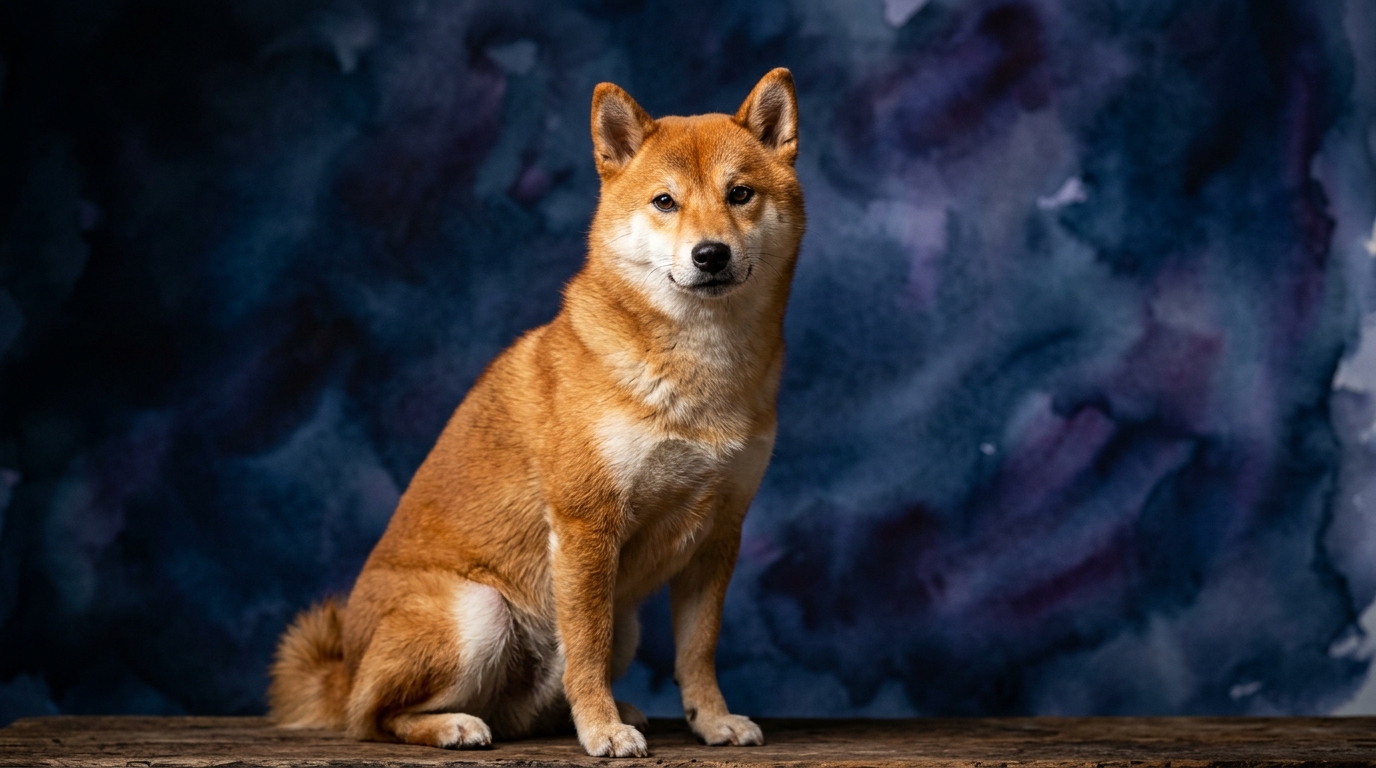
The Shiba Inu, a non-sporting breed, presents a unique cognitive blueprint characterized by significant problem-solving prowess and a formidable instinctive drive. Our Pet IQ Lab data indicates a Problem Solving score of 4/5, suggesting a resourceful and independent mind capable of figuring out complex situations. Their Instinctive Drive, rated 5/5, highlights a strong, inherent set of behaviors often tied to their ancestral hunting roles, while Memory at 4/5 indicates a robust capacity for recall. However, their Training Speed is rated 2/5, hinting at a more selective approach to learning, and Social Intelligence stands at 3/5, reflecting a balanced but often reserved social demeanor.
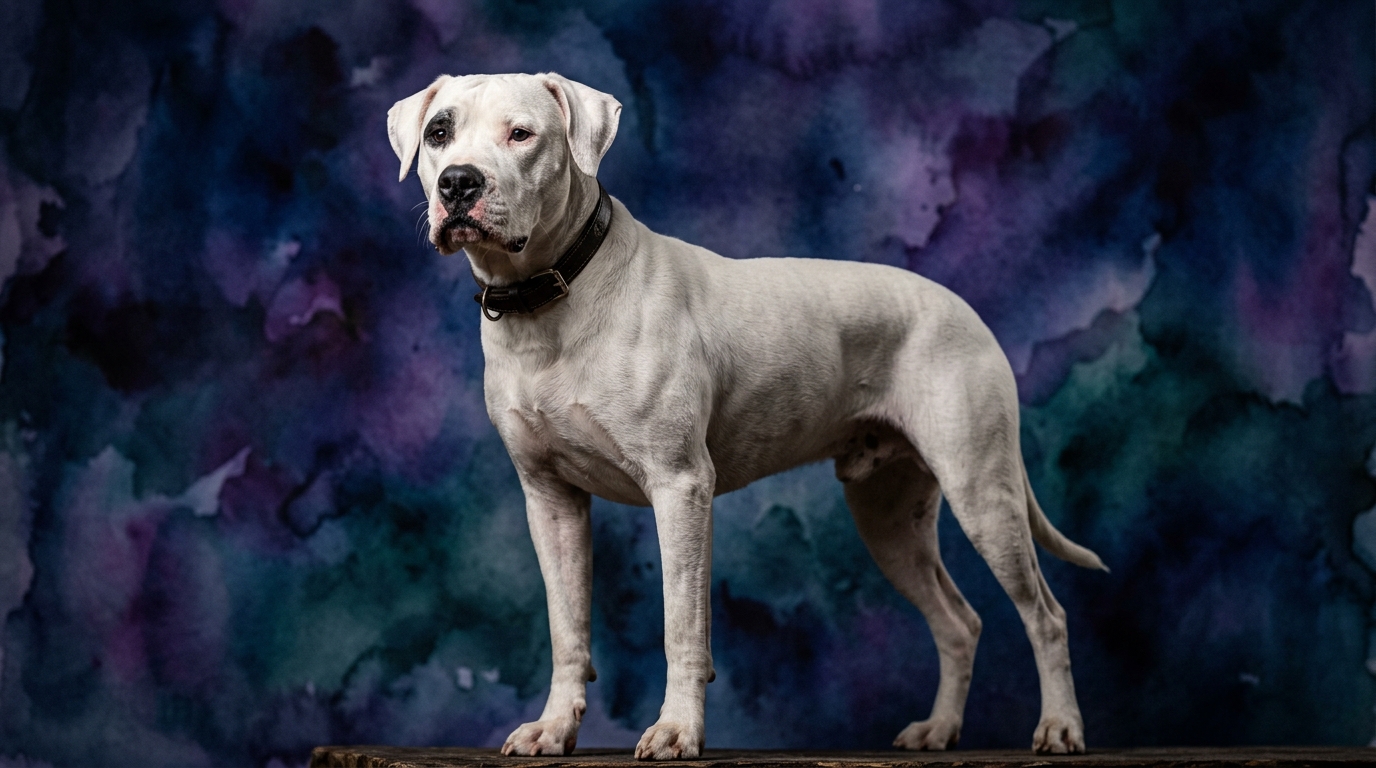
In contrast, the Dogo Argentino, a working breed, exhibits a more balanced and cooperative cognitive profile. With a Problem Solving score of 3/5, they are capable thinkers, but perhaps less inclined towards independent strategizing than the Shiba. Their Training Speed, at 3/5, suggests a more moderate responsiveness to instruction, making them generally more amenable to guided learning. Social Intelligence also scores 3/5, reflecting their capacity for strong bonds and pack dynamics, while their Instinctive Drive is 3/5, indicating a controlled, purpose-driven set of natural behaviors rather than an overwhelming, independent urge. Memory, like problem-solving, is rated 3/5, showing a solid but not exceptional ability to retain information.
These scores paint a picture of two breeds with distinct mental priorities. The Shiba's profile leans towards independent thought and strong innate behaviors, while the Dogo's suggests a mind more geared towards cooperation and responsiveness within a structured environment. Understanding these foundational differences is key to appreciating their individual cognitive strengths and how they interact with their human companions.
Where the Shiba Inu Excels Cognitively
The Shiba Inu’s cognitive strengths are particularly evident in their capacity for independent thought and application of inherent skills. Their 4/5 Problem Solving score means they frequently devise their own solutions to challenges, whether it's figuring out how to open a gate or navigating a complex scent trail. This resourcefulness, coupled with a 4/5 Memory, allows them to learn from past experiences and apply those lessons to new scenarios, making them adept at remembering successful strategies or specific locations.
Perhaps the most defining cognitive advantage for the Shiba is their 5/5 Instinctive Drive. This isn't merely about raw energy; it signifies a deep connection to their ancestral behaviors, manifesting as acute awareness of their surroundings, a strong prey drive, and a robust sense of self-preservation. This drive fuels their curiosity and independence, often leading them to explore and interact with their environment on their own terms, making them exceptionally self-sufficient thinkers.
Where the Dogo Argentino Excels Cognitively
While the Dogo Argentino's individual scores might not reach the Shiba's peaks in certain areas, their cognitive profile shines through in their cooperative intelligence and balanced drives. Their 3/5 Training Speed, higher than the Shiba's 2/5, indicates a greater willingness to engage with human instruction and a quicker grasp of commands when properly motivated. This responsiveness makes them more adaptable to structured learning environments and handler guidance.
The Dogo's 3/5 Social Intelligence, while matching the Shiba, often manifests differently, emphasizing their capacity for forming strong, protective bonds with their human family. Their 3/5 Instinctive Drive, though lower than the Shiba's, suggests a more controlled and directed application of their natural abilities, making them formidable partners in tasks requiring focus and obedience rather than purely independent action. This balanced drive means their natural instincts are more readily channeled into purposeful activities alongside their owners.
Training Dynamics: Shiba Inu vs. Dogo Argentino
When it comes to trainability, the differences between these two breeds are quite pronounced, largely due to their disparate Training Speed scores and underlying motivations. The Shiba Inu, with a 2/5 Training Speed, often requires a patient, consistent, and highly engaging approach. Their independent problem-solving nature and strong instinctive drive mean they often question the 'why' behind a command, and may prioritize their own perceived interests over immediate compliance. Training a Shiba often feels like a negotiation, demanding creative positive reinforcement to keep them invested.
The Dogo Argentino, scoring 3/5 in Training Speed, generally presents a more receptive student. They tend to form deep bonds and possess a natural inclination to work alongside their human companions, making them more eager to please. This doesn't mean they are effortless; their powerful build and protective instincts necessitate early and consistent socialization and clear, firm, but fair leadership. However, once a Dogo understands what is expected, they are typically more reliable in their responses compared to the Shiba's selective hearing.
Real behavioral differences highlight this contrast: a Shiba might feign deafness when called if something more interesting catches their attention, relying on their strong instinctive drive to explore. A Dogo, conversely, is more likely to check in with their handler, especially in novel situations, leveraging their social intelligence and cooperative nature. Therefore, while both breeds require dedicated training, the Dogo's inherent desire to cooperate makes the process generally smoother for the average owner.
Lifestyle Suitability: Active vs. Relaxed Owners
The cognitive profiles of the Shiba Inu and Dogo Argentino directly influence their suitability for different owner lifestyles. A Shiba Inu, with its 5/5 Instinctive Drive and 4/5 Problem Solving, thrives with owners who appreciate and can manage a highly independent and curious companion. While they can be calm indoors, they require significant mental stimulation and opportunities for exploration in secure environments to satisfy their drives. Owners must be prepared for their resourcefulness, which can manifest as escape artistry or outwitting household boundaries, making them suitable for active thinkers who enjoy engaging with a clever, sometimes challenging, mind.
The Dogo Argentino, conversely, with its working breed background and balanced drives, is better suited for truly active owners who can provide consistent physical exercise and structured mental engagement. Their 3/5 Instinctive Drive is channeled effectively through purposeful activities like long walks, runs, or dog sports, rather than purely independent exploration. Their social intelligence means they flourish with owners who integrate them fully into family life and provide consistent companionship. A Dogo is not a breed for a purely relaxed, sedentary owner; they need a job, even if that job is being a well-exercised, well-socialized family guardian.
The Verdict: When to Choose Each Breed
The Verdict
Choose a Shiba Inu if you appreciate an independent, resourceful companion, are prepared for consistent, creative training, and value a dog with a strong, self-directed spirit that offers unique challenges and rewards.
Opt for a Dogo Argentino if you lead an active lifestyle, seek a loyal and cooperative partner for structured activities, and are committed to providing firm guidance and extensive socialization to harness their working potential.
🧠 Find Your Pet's IQ Score
Our Pet IQ Lab assessment covers 25+ tests across 5 cognitive dimensions — personalized to your breed.
Take the Full IQ Test →Frequently Asked Questions
Is a Shiba Inu good for first-time dog owners?
Shiba Inus, with their independent nature and lower training speed, can be challenging for first-time owners. Their strong instinctive drives and tendency for selective hearing require significant patience and consistent positive reinforcement, making them a better fit for experienced dog enthusiasts.
Do Dogo Argentinos require a lot of exercise?
Yes, Dogo Argentinos are working dogs with substantial energy and require significant daily exercise to stay mentally and physically healthy. Their balanced instinctive drive means they thrive on purposeful activity and consistent engagement with their owners.
Which breed is more prone to 'selective hearing'?
The Shiba Inu is notably more prone to 'selective hearing' due to their strong independent problem-solving skills and high instinctive drive. They often prioritize their own interests over immediate compliance, especially if not adequately motivated or engaged in training.