Side-by-Side IQ Profile: Shiba Inu vs. Dogue de Bordeaux
The Cosmic Pet Pet IQ Lab offers a comprehensive look at canine cognitive abilities, breaking them down into five key dimensions. Examining the Shiba Inu and the Dogue de Bordeaux through this lens highlights their inherent mental attributes and behavioral tendencies.
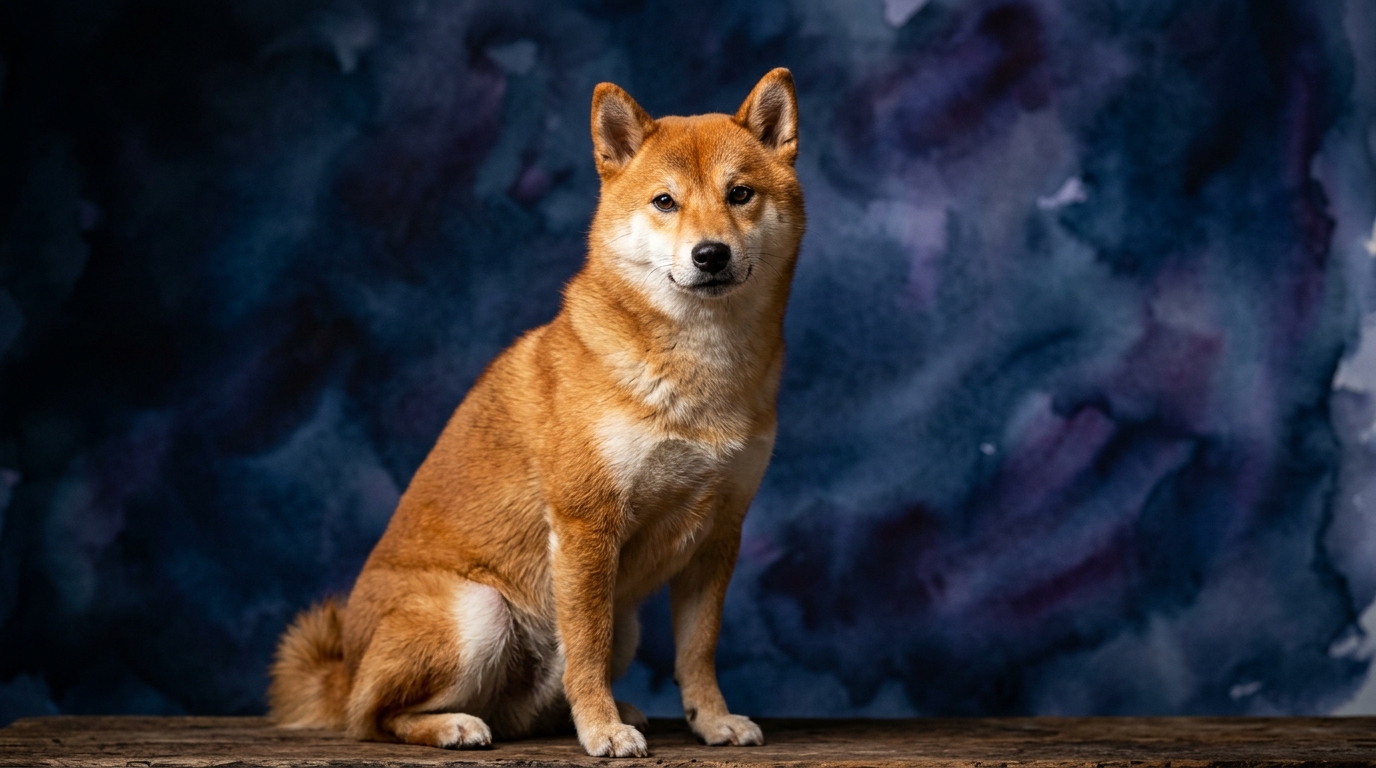
**Shiba Inu Profile:** Possessing a Problem Solving score of 4/5, the Shiba Inu demonstrates a keen ability to navigate complex situations and figure things out independently, often through clever and sometimes unconventional means. Their Training Speed is rated 2/5, indicating that learning new commands can be a deliberate process, often requiring consistent, patient repetition due to their independent streak. Social Intelligence stands at 3/5; while capable of understanding social cues, they often prefer a degree of personal space and are discerning in their interactions. Their Instinctive Drive is exceptionally high at 5/5, reflecting powerful innate behaviors, particularly prey drive and a strong desire for exploration. Finally, their Memory is solid at 4/5, allowing them to retain past experiences and learned information effectively once truly ingrained.
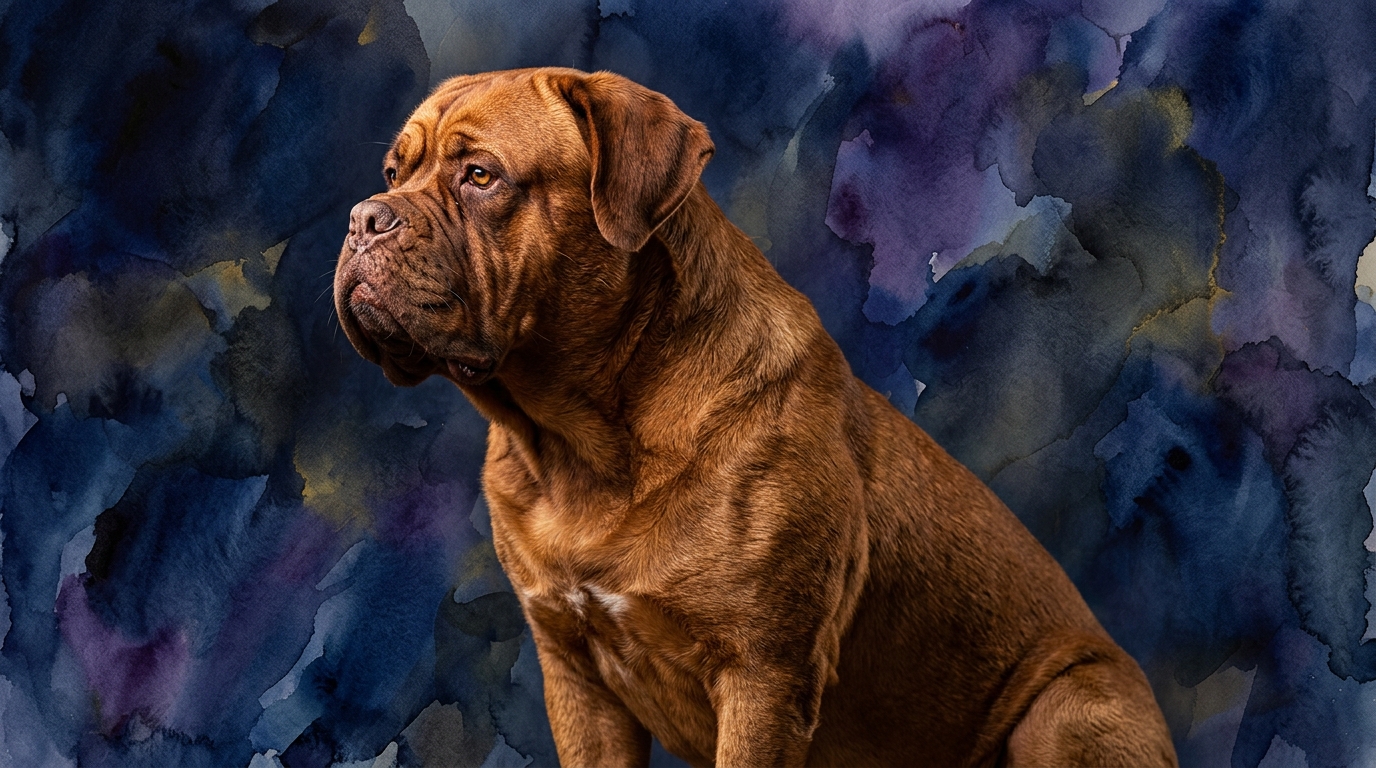
**Dogue de Bordeaux Profile:** The Dogue de Bordeaux scores 3/5 in Problem Solving, approaching challenges with a steady, methodical mindset, often relying on learned patterns rather than spontaneous innovation. Their Training Speed is 3/5, meaning they learn at a moderate pace, responding well to clear, consistent instruction and generally aiming to please. Social Intelligence is also 3/5, exhibiting a good understanding of social dynamics within their family unit and with familiar individuals, though they can be reserved with strangers. Their Instinctive Drive is rated 3/5, indicating a balanced level of innate drives, primarily protective instincts for their family, which are typically less intense and more manageable. Their Memory is also 3/5, showing a reasonable capacity for remembering training and experiences, though consistent reinforcement aids long-term recall.
Where the Shiba Inu Wins Cognitively
The Shiba Inu's cognitive profile truly shines in areas demanding independent thought and self-directed action. Their impressive 4/5 problem-solving score means they often devise clever strategies to achieve their goals, whether it's figuring out how to open a cabinet or outmaneuvering a puzzle toy. This isn't about blind obedience but about assessing a situation and formulating a solution. Coupled with a 5/5 instinctive drive, Shibas are masters of their environment, constantly scanning, exploring, and acting on their impulses, making them incredibly resourceful in varied settings. Their 4/5 memory score supports this, allowing them to retain complex spatial information and successful past strategies for future use. For instance, a Shiba who once found a weak spot in a fence will likely remember and exploit it again. This combination of sharp problem-solving, strong drive, and good memory allows them to navigate the world with an almost cat-like autonomy, making them adept at self-preservation and often surprisingly effective at manipulating their surroundings to their advantage. They excel when given opportunities to think for themselves rather than simply follow commands.
Where the Dogue de Bordeaux Wins Cognitively
While the Dogue de Bordeaux might not exhibit the same spontaneous ingenuity as the Shiba Inu, their cognitive strengths lie in their steadfastness and reliability, particularly in social and learned contexts. With a 3/5 training speed and 3/5 social intelligence, they demonstrate a willingness to learn and integrate into a family structure, valuing consistency and clear communication. Their problem-solving, also at 3/5, is more about methodical application of learned solutions rather than creative improvisation, making them dependable in routine tasks and predictable situations. Unlike the Shiba’s intense instinctive drive, the Dogue's 3/5 drive is more balanced, often channeled into protective instincts for their family rather than independent hunting or exploration. This makes them less prone to distraction by external stimuli and more focused on their human companions when engaged in training or interaction. Their memory, also 3/5, supports their ability to retain routines and social protocols, fostering a sense of predictable companionship. A Dogue de Bordeaux excels in environments where loyalty, a calm demeanor, and a predictable response to commands are valued, rather than independent decision-making.
Which is Easier to Train and Why
Training ease is a significant differentiator between these two breeds, largely due to their distinct approaches to compliance and motivation. The Dogue de Bordeaux, with a 3/5 training speed, generally presents a more straightforward training experience. They possess a natural inclination to please their human companions and respond well to positive reinforcement and consistent methods. Their moderate instinctive drive means they are less likely to be sidetracked by environmental distractions, allowing for more focused training sessions. While their sheer size can sometimes make physical handling a challenge, their mental receptiveness to learning new cues is generally good. In contrast, the Shiba Inu’s 2/5 training speed indicates a more challenging journey. Their high problem-solving (4/5) and exceptionally strong instinctive drive (5/5) mean they are constantly assessing situations and often prioritizing their own agenda over human directives. They are not unintelligent, but rather independently minded; they need to be convinced that a command is worth their effort or directly benefits them. This leads to a common Shiba trait often described as "selective hearing," where they will choose to obey only if it aligns with their immediate interest. Training a Shiba requires immense patience, creativity, and a deep understanding of their motivations, often turning into a negotiation rather than a simple instruction.
Which Suits Active Owners vs. Relaxed Owners
The choice between a Shiba Inu and a Dogue de Bordeaux also hinges significantly on an owner's lifestyle and energy levels. For active owners seeking a companion for adventures, the Shiba Inu’s high instinctive drive (5/5) and excellent problem-solving (4/5) make them a compelling choice. They thrive on physical and mental stimulation, enjoying activities like hiking, exploring new environments, and engaging in scent work or agility challenges. Their innate curiosity and boundless energy demand an owner who can consistently provide outlets for their natural drives. Without sufficient engagement, a Shiba can become bored and channel their cleverness into less desirable behaviors, such as escape artistry or destructive chewing. Conversely, for owners preferring a more relaxed pace, the Dogue de Bordeaux is often a better fit. Their moderate instinctive drive (3/5) and steady temperament mean they are generally content with regular, moderate exercise, such as daily walks and playtime in a secure yard. While they appreciate mental stimulation, their needs are less intense and more easily satisfied within a calmer home environment. Their social intelligence (3/5) ensures they enjoy companionship without constantly demanding high-octane activities, making them ideal for individuals or families who value a tranquil presence and a loyal, affectionate companion content to lounge nearby after a good stroll.
The Verdict
Choose the Shiba Inu if you are an experienced, active owner who appreciates an independent, clever companion and is prepared for dedicated, creative training to channel their strong instinctive drives.
Opt for the Dogue de Bordeaux if you prefer a loyal, steadfast companion who is more amenable to training and thrives in a calmer home, offering affectionate companionship with moderate exercise needs.
🧠 Find Your Pet's IQ Score
Our Pet IQ Lab assessment covers 25+ tests across 5 cognitive dimensions — personalized to your breed.
Take the Full IQ Test →Frequently Asked Questions
Is a Shiba Inu easy to house train?
Shiba Inus are known for their fastidious nature and generally take to house training quite well due to their desire for cleanliness. However, consistency and prompt reinforcement are still crucial for success, as their independence can sometimes lead to testing boundaries.
Do Dogue de Bordeauxs get along with other pets?
Dogue de Bordeauxs can generally coexist peacefully with other pets, especially if introduced properly and socialized from a young age. Their social intelligence allows them to adapt, but individual temperaments vary, and supervision is always recommended.
How much mental stimulation does a Shiba Inu need daily?
A Shiba Inu requires significant mental stimulation daily to prevent boredom and destructive behaviors. This can include puzzle toys, training sessions that challenge their problem-solving skills, and opportunities for exploration and scent work, ideally for at least 30-60 minutes beyond physical exercise.