Side-by-Side Cognitive Profiles: Shiba Inu vs. English Cocker Spaniel
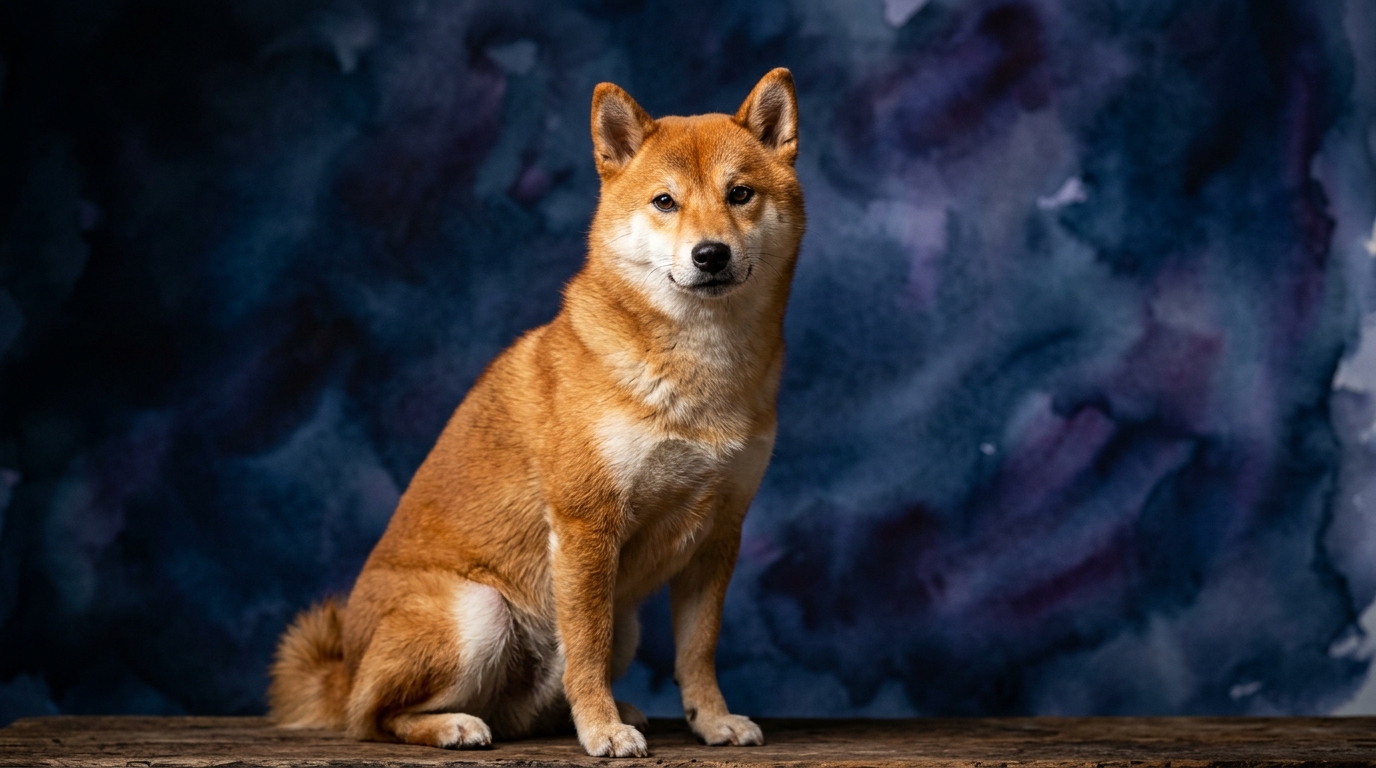
Understanding a breed's cognitive makeup goes beyond simple obedience, exploring how they perceive, process, and respond to their world. For the Shiba Inu, a Non-Sporting breed with no Coren ranking, their intelligence is characterized by strong self-reliance. Their Problem Solving is rated 4/5, indicating an adeptness at independent thought and figuring out challenges through personal exploration rather than direct instruction. Training Speed, however, stands at 2/5, reflecting a selective compliance that often requires convincing them of the benefit of a command. Social Intelligence is 3/5; they form deep bonds with their inner circle but maintain a reserved demeanor with strangers. Their Instinctive Drive is a formidable 5/5, exhibiting a powerful prey drive and territorial awareness. Memory for the Shiba Inu is 4/5, allowing them to retain routines, boundaries, and past experiences with considerable recall.
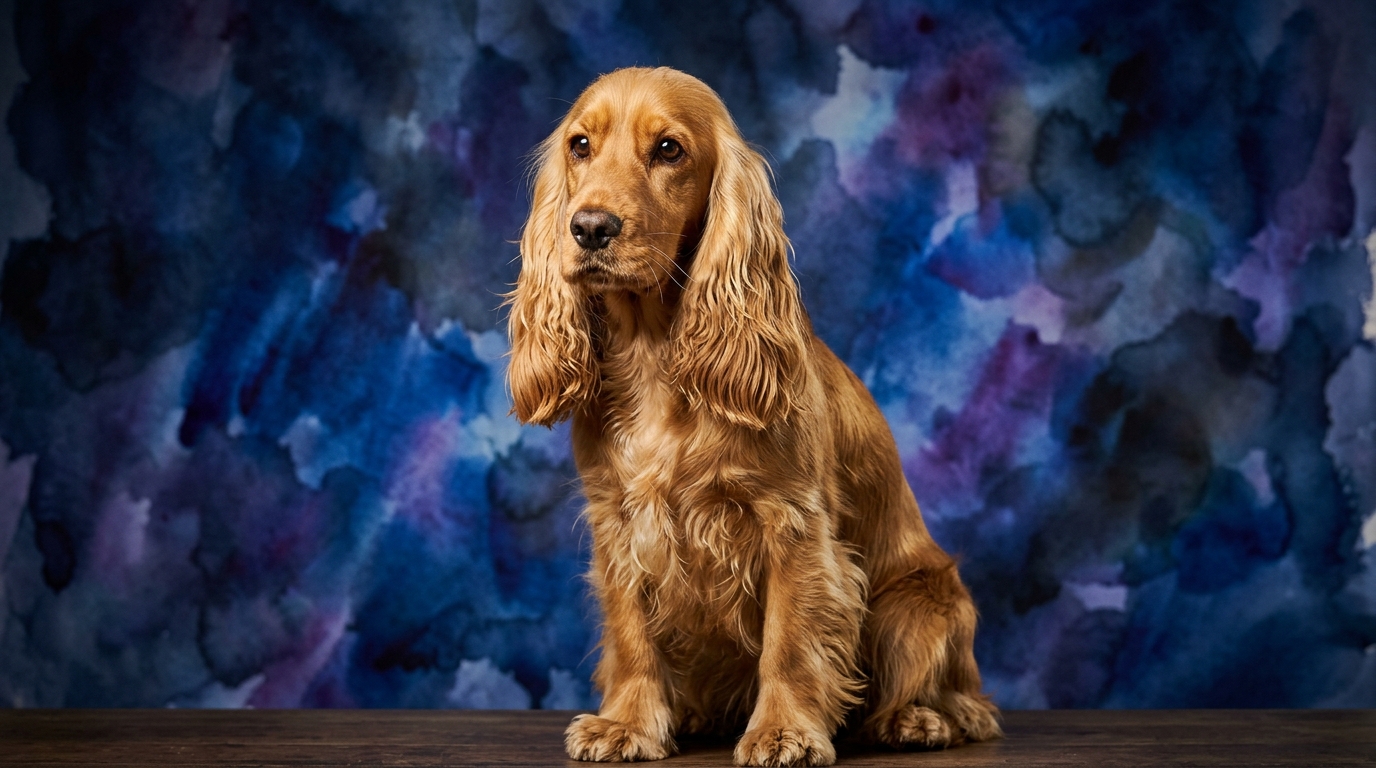
The English Cocker Spaniel, a Sporting breed ranked #18 by Coren, demonstrates a different cognitive blueprint, rooted in partnership. Their Problem Solving also scores 4/5, but often manifests in collaborative efforts, seeking handler cues to navigate challenges. Training Speed is a robust 4/5, indicating a quick grasp of new commands and an eagerness to engage in learning activities. Social Intelligence mirrors the Shiba Inu at 3/5, though their expression is typically more overtly friendly and outgoing. Their Instinctive Drive is 3/5, focused on flushing and retrieving game in cooperation with a hunter, rather than independent pursuit. Critically, the English Cocker Spaniel boasts an exceptional Memory at 5/5, excelling in retaining complex sequences, commands, and the nuanced information of their environment and social interactions.
Where the Shiba Inu Cognitively Excels
The Shiba Inu's cognitive strengths lie in their self-sufficiency and acute environmental awareness. Their 4/5 Problem Solving isn't about pleasing a handler; it's about independently assessing a situation and devising a solution. This manifests in their ability to navigate complex environments, figure out how to access desired objects, or bypass perceived obstacles without constant human guidance. Owners often report Shibas 'thinking for themselves,' which can be a double-edged sword in training but speaks volumes about their internal processing. Their 5/5 Instinctive Drive gives them an unparalleled ability to track, observe, and react to stimuli in their environment, making them incredibly vigilant and aware of their surroundings. This strong drive, coupled with a 4/5 Memory, means they quickly learn and remember territorial boundaries, potential threats, and the specific patterns of their daily lives, providing a sense of security and predictability in their world.
Where the English Cocker Spaniel Cognitively Excels
The English Cocker Spaniel shines in areas requiring partnership, retention, and directed action. Their superior 5/5 Memory is a standout cognitive advantage, allowing them to absorb and recall a vast repertoire of commands, tricks, and complex routines with remarkable fidelity. This makes them exceptional candidates for advanced obedience, agility, and other dog sports where precision and sequence retention are paramount. Their 4/5 Training Speed is directly linked to this memory and their inherent desire to work cooperatively, enabling them to pick up new tasks quickly and reliably. While their Problem Solving is also 4/5, it often involves interpreting human cues and working through challenges alongside their owner, demonstrating an aptitude for collaborative cognitive tasks. This breed excels at understanding and executing multi-step instructions, making them highly effective working partners.
Ease of Training: A Tale of Two Temperaments
When it comes to ease of training, the English Cocker Spaniel generally presents a more straightforward experience than the Shiba Inu, a difference rooted in their fundamental behavioral drives. The English Cocker Spaniel's 4/5 Training Speed and cooperative nature mean they are typically eager to please and highly motivated by positive reinforcement, whether it's praise, treats, or a game of fetch. Their historical role as gundogs required them to be attentive and responsive to human direction, fostering a deep-seated desire to work in tandem with their handler. This innate willingness to comply, coupled with their excellent memory, translates into rapid learning and reliable execution of commands.
The Shiba Inu, by contrast, with a Training Speed of 2/5, approaches training with a more independent and discerning mindset. They don't inherently possess the same 'eager to please' drive; instead, they weigh the value of compliance against their own desires. Training a Shiba requires immense patience, consistency, and a creative approach that makes learning feel like their idea or offers a compelling reward. Their strong 5/5 Instinctive Drive, particularly their prey drive, can sometimes override learned commands if not managed carefully in distracting environments. While they are capable of learning, the process is often slower and requires an owner who can consistently demonstrate the benefit of cooperation in a way that resonates with the Shiba's self-reliant nature.
Suitability for Active vs. Relaxed Owners
Choosing between these breeds also involves aligning their cognitive and physical needs with an owner's lifestyle. The English Cocker Spaniel thrives with active owners who enjoy structured engagement and collaborative activities. Their 3/5 Instinctive Drive is best channeled into purposeful work or sports, such as retrieving games, scent work, or agility, all of which leverage their memory and training speed. They need consistent mental stimulation and physical exercise that involves their human companion, making them ideal for individuals or families who want an enthusiastic partner for long walks, hikes, or training sessions. Their cognitive profile makes them happiest when they have a 'job' to do alongside their person.
The Shiba Inu, while possessing a robust 5/5 Instinctive Drive, requires a different kind of owner. Their independence means they don't necessarily crave constant, directed interaction in the same way. They need owners who appreciate a dog with strong opinions and are prepared to provide secure environments that accommodate their prey drive, such as securely fenced yards or leashed walks away from tempting wildlife. Mental stimulation for a Shiba might involve puzzle toys, trick training that respects their independent streak, or opportunities for supervised exploration. They can adapt to a more relaxed pace if their fundamental needs for security and mental engagement are met, but they are not a 'couch potato' breed; their activity is often self-directed and observant rather than overtly collaborative.
The Verdict
Choose the Shiba Inu if you appreciate a self-sufficient, discerning companion with a strong personality and are prepared for a training journey that emphasizes mutual respect and understanding over eager compliance.
Opt for the English Cocker Spaniel if you seek a highly trainable, enthusiastic partner eager to engage in collaborative activities, thrive on structured learning, and form a close, responsive working bond.
🧠 Find Your Pet's IQ Score
Our Pet IQ Lab assessment covers 25+ tests across 5 cognitive dimensions — personalized to your breed.
Take the Full IQ Test →Frequently Asked Questions
Is the Shiba Inu truly 'stubborn' or just independent?
It's more accurately described as independence; Shibas process commands and decide if compliance aligns with their own interests or perceived benefits. This requires a training approach built on motivation and trust rather than simple obedience.
How does the English Cocker Spaniel's superior memory benefit owners?
Their exceptional memory (5/5) means they retain learned commands, routines, and specific environmental cues with remarkable fidelity, making advanced training, consistent behavior, and predictable daily life much smoother once habits are established.
Can a Shiba Inu participate in dog sports and excel?
Yes, Shibas can participate in dog sports, but their success often hinges on selecting activities that appeal to their instinctive drives, like lure coursing, scent work, or rally obedience where their independence can be channeled. Making it fun and rewarding for them is key.