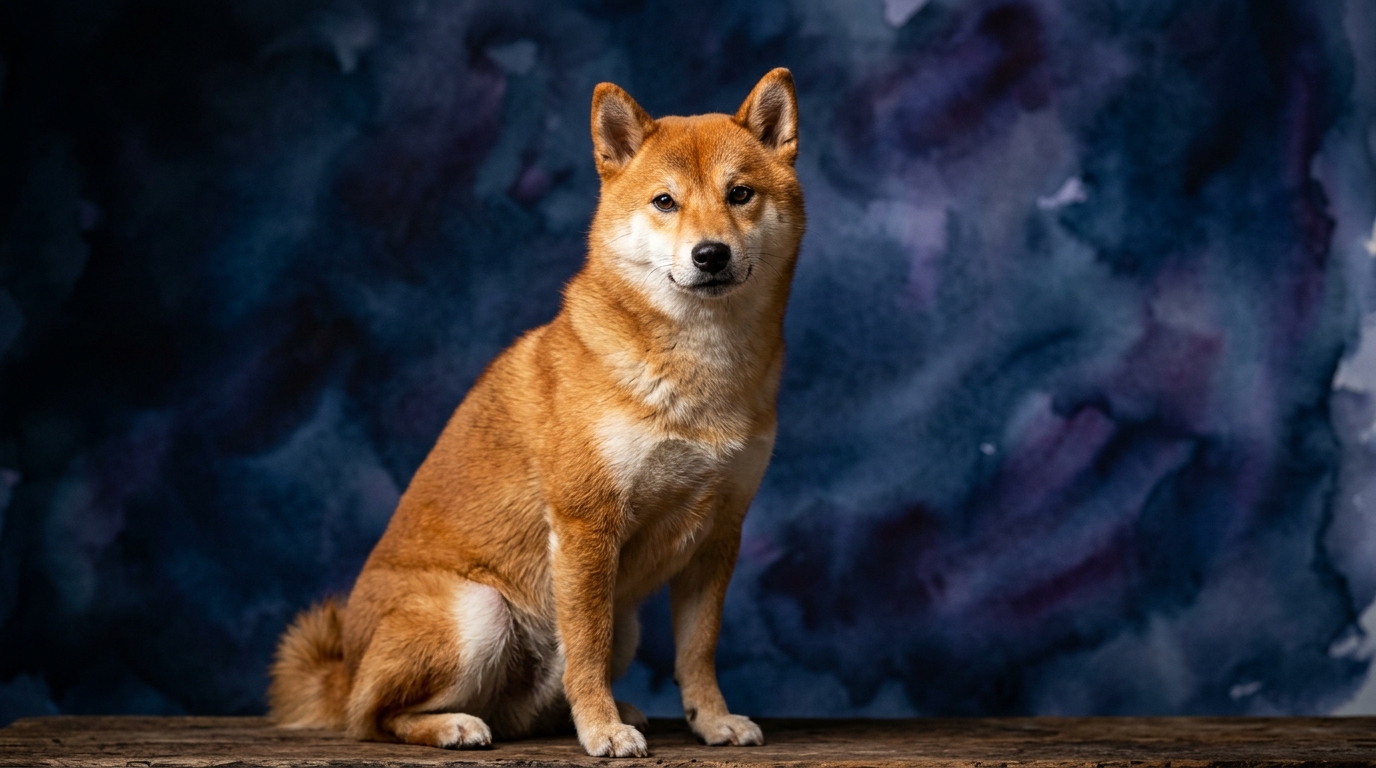

Side-by-Side Cognitive Profile: Shiba Inu vs. English Setter
The Cosmic Pet Pet IQ Lab employs a multi-dimensional framework to assess canine intelligence, moving beyond simplistic 'smart' labels to reveal a nuanced cognitive landscape for each breed. For the Shiba Inu, our profile paints a picture of an independent thinker: Problem Solving at 4/5 indicates a capacity for ingenious solutions, often without direct human prompting; Training Speed at 2/5 reflects their selective hearing and strong will; Social Intelligence at 3/5 suggests a reserved but observant nature; Instinctive Drive at a formidable 5/5 highlights their profound prey drive and territorial instincts; and Memory at 4/5 shows their ability to retain complex information about their environment and routines.
In contrast, the English Setter, a breed Coren-ranked at #37, presents a profile geared towards cooperative work: Problem Solving is also 4/5, but often applied in a task-oriented, sequential manner; Training Speed excels at 4/5, showcasing their eagerness to please and rapid command acquisition; Social Intelligence matches the Shiba at 3/5, indicating a generally friendly but sometimes boisterous demeanor; Instinctive Drive is a moderate 3/5, reflecting their hunting heritage but with a more manageable drive for human partnership; and Memory, like the Shiba, stands strong at 4/5, enabling them to recall intricate sequences and associations.
Where the Shiba Inu Cognitively Excels
The Shiba Inu truly shines in areas demanding independent thought and a strong inner compass. Their 5/5 Instinctive Drive isn't just about chasing squirrels; it translates into an exceptional awareness of their surroundings, a formidable territorial instinct, and an innate ability to make decisions without constant human oversight. This high drive often fuels their problem-solving capabilities, allowing them to devise creative, self-sufficient strategies to achieve their goals, whether it's escaping a yard or figuring out a complex puzzle toy on their own terms. This self-reliance makes them adept at navigating novel situations with confidence and a discerning approach, rather than waiting for direction.
Furthermore, their 4/5 Problem Solving score, coupled with their strong memory, means a Shiba can learn complex routines and remember experiences with remarkable clarity. They are not necessarily looking for human approval to solve a problem; instead, they are driven by their own motivations and internal logic. This can manifest as resourcefulness in finding ways to access desired items or outsmarting perceived obstacles. While this independence can pose training challenges, it underscores a profound cognitive ability to process information and act decisively based on their own assessment of a situation.
Where the English Setter Cognitively Excels
The English Setter’s cognitive strengths lie firmly in their capacity for cooperative learning and their biddable nature. Their 4/5 Training Speed is a standout feature, indicating a dog that is highly receptive to instruction and eager to form working partnerships. This rapid acquisition of commands and ability to respond reliably in varied environments is a direct result of generations bred for intricate field work, requiring them to process information quickly and act on human cues. This makes them exceptional candidates for obedience, agility, and other dog sports where precision and responsiveness are paramount.
Their Coren ranking of #37 further solidifies their position in working and obedience intelligence, a measure of how quickly a breed learns new commands and how reliably they obey them. While their Problem Solving is rated equally to the Shiba, the Setter typically applies this intelligence in a more directed, task-oriented manner, excelling at sequential learning and executing multi-step commands. Their memory, also 4/5, supports this by allowing them to retain vast repertoires of commands and associate them with specific actions and contexts, making them highly predictable and consistent partners in trained activities.
Which is Easier to Train and Why
Based on our IQ profiles, the English Setter is unequivocally easier to train than the Shiba Inu. The key difference lies in their Training Speed scores: the Setter boasts a 4/5, while the Shiba sits at a challenging 2/5. This disparity isn't about one breed being inherently 'smarter,' but rather about their predispositions towards human-directed learning. English Setters were selectively bred to work closely with hunters, requiring them to be attentive, responsive, and eager to please. Their lower Instinctive Drive (3/5) compared to the Shiba (5/5) means they are less likely to be sidetracked by environmental stimuli and more inclined to focus on their human handler.
Shiba Inus, conversely, possess a strong independent streak, often described as having a 'cat-like' personality. Their high Instinctive Drive (5/5) and lower Training Speed (2/5) mean they require significant motivation, patience, and creative training methods. They will learn, and their memory is excellent, but they often choose whether or not to comply based on their own assessment of the situation's benefit to them, rather than an inherent desire to please. This independent decision-making, while a sign of their problem-solving ability, makes consistent, reliable obedience a longer and more challenging endeavor for their owners. They often require very secure containment and off-leash work is typically discouraged due to their powerful prey drive and tendency to roam.
Matching Breeds to Lifestyles: Active vs. Relaxed Owners
For owners seeking a highly engaged, cooperative partner for active pursuits, the English Setter is an ideal match. Their high Training Speed and biddable nature make them excellent candidates for dog sports like agility, obedience, and field trials. They thrive on physical exercise and mental stimulation that involves working alongside their human, whether it's long hikes, retrieving games, or structured training sessions. An active owner who enjoys consistent interaction and can provide ample opportunities for their Setter to utilize its cognitive and physical abilities will find a devoted and enthusiastic companion. They require significant daily engagement to prevent boredom and destructive behaviors.
The Shiba Inu, while active, suits a different type of owner—one who appreciates an independent, discerning companion and is prepared for a dog with a strong will and a distinct personality. Owners who enjoy outdoor adventures but understand their dog may prefer to explore on its own terms, rather than constantly checking in, will find a good fit. They require secure environments due to their high Instinctive Drive and propensity to roam, and their exercise needs, while significant, might be met through vigorous walks and secure off-leash time in fenced areas. Relaxed owners might struggle with the Shiba's independent nature and need for consistent, engaging mental challenge, which, if neglected, can lead to clever but undesirable behaviors.
The Verdict
Choose the Shiba Inu if you appreciate a discerning, independent companion with formidable problem-solving skills and a strong, self-reliant spirit, understanding that their biddable nature is selective.
Opt for the English Setter if you desire a responsive, enthusiastic partner for training and activities, valuing a dog that quickly grasps commands and forms strong cooperative bonds, ideal for active, engaged lifestyles.
🧠 Find Your Pet's IQ Score
Our Pet IQ Lab assessment covers 25+ tests across 5 cognitive dimensions — personalized to your breed.
Take the Full IQ Test →Frequently Asked Questions
Do Shiba Inus respond well to positive reinforcement training?
Yes, Shiba Inus respond best to positive reinforcement training methods that are engaging and rewarding from their perspective. Due to their independent nature and lower training speed, force-based methods are ineffective and can damage trust, making them even less cooperative.
Are English Setters good family dogs, considering their intelligence?
English Setters are generally excellent family dogs due to their friendly disposition, moderate social intelligence, and eagerness to please. Their biddable nature and patience make them suitable companions for children, provided they receive proper socialization and exercise.
How does the 'Instinctive Drive' score impact daily life for these breeds?
For the Shiba Inu (5/5), high instinctive drive means a strong prey drive, a tendency to roam, and territorial behaviors, requiring secure containment and vigilant supervision. For the English Setter (3/5), their moderate drive is channeled towards cooperative hunting or retrieving, making them more manageable in a domestic setting but still requiring outlets for their working instincts.