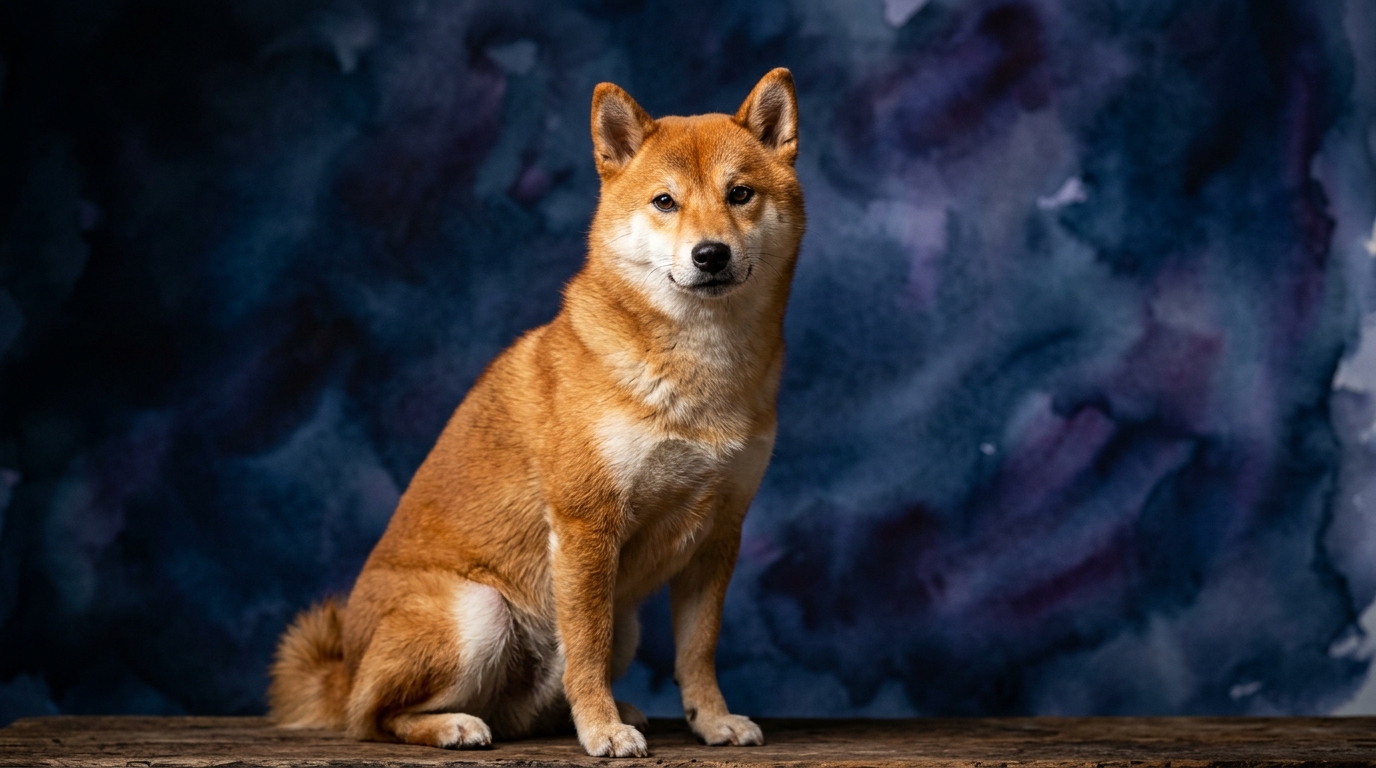
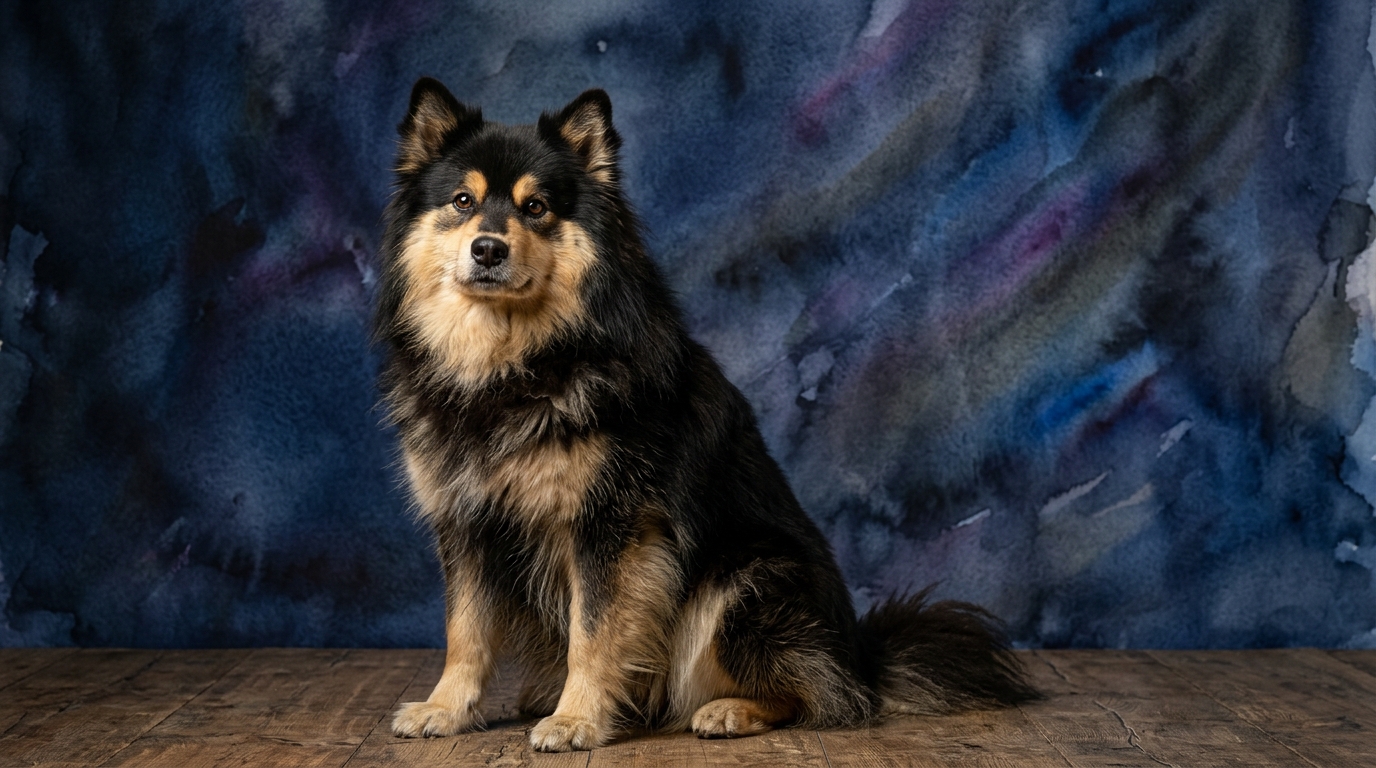
The Cosmic Pet Pet IQ Lab: Side-by-Side Intelligence Profiles
Our Cosmic Pet Pet IQ Lab analysis provides a detailed look at the cognitive strengths and tendencies of both the Shiba Inu and the Finnish Lapphund across five key dimensions. Understanding these profiles is crucial for appreciating their inherent abilities and the ways they interact with the world and their human companions.
The Shiba Inu, a breed hailing from Japan, demonstrates a remarkable blend of sharp wit and strong self-reliance. Their Problem Solving score stands at 4/5, indicating a resourceful nature and a knack for figuring out how to achieve their objectives, often through unconventional means. However, their Training Speed is rated 2/5; they learn, but often on their own terms, requiring significant patience and creative motivation. Social Intelligence for the Shiba is 3/5, meaning they are observant of their environment and human cues, but frequently choose independence over immediate compliance. Their Instinctive Drive is a powerful 5/5, reflecting a strong prey drive, territorial instincts, and an inherent self-sufficiency. Finally, their Memory is 4/5, allowing them them to retain routines, learned behaviors, and experiences with considerable accuracy, both positive and negative.
In contrast, the Finnish Lapphund, a herding dog from the Arctic regions, presents a profile built more around cooperation and adaptability. Their Problem Solving ability is rated 3/5; they are competent and can navigate challenges, often looking to their human for guidance rather than always devising independent solutions. Their Training Speed is 3/5, suggesting a willingness to learn and a steady pace in acquiring new commands, generally eager to please their handler. Social Intelligence also scores 3/5 for the Lapphund, manifesting as an attuned awareness of their family's emotions and a generally friendly disposition. Their Instinctive Drive is 3/5, reflecting a present but manageable herding instinct, less intense than the Shiba's raw prey drive. Their Memory is 3/5, allowing them to consistently recall commands, routines, and past interactions.
Where the Shiba Inu Excels Cognitively
The Shiba Inu truly shines in areas demanding independent thought and self-motivation. Their superior Problem Solving score of 4/5 means they are adept at navigating complex situations to their advantage, whether it's figuring out how to open a seemingly secure cabinet or devising strategies to get an extra treat. This isn't just about simple learning; it’s about applying ingenuity to achieve a desired outcome without direct instruction. Owners frequently recount tales of Shibas outsmarting household contraptions or finding clever escape routes.
Furthermore, the Shiba Inu's formidable Instinctive Drive, rated 5/5, fuels this problem-solving prowess. Their strong internal motivation, particularly their prey drive, means they are highly driven to pursue what captures their interest. This intense focus, while sometimes challenging for owners, indicates a powerful cognitive engine directed towards specific goals. Their 4/5 Memory score also plays a crucial role here; they remember what worked before, quickly recalling successful tactics for acquiring resources or achieving objectives, reinforcing their self-reliant approach to life.
Where the Finnish Lapphund Excels Cognitively
While the Finnish Lapphund's individual scores might not always surpass the Shiba Inu's in every category, their overall cognitive profile creates a different kind of strength, particularly in cooperative learning and engagement. The Lapphund's Training Speed of 3/5, higher than the Shiba's 2/5, signifies a more receptive and generally more eager student. They are typically more inclined to engage with their handler during training sessions, viewing it as a collaborative activity rather than a series of suggestions to consider.
This willingness to learn and work alongside humans is a significant cognitive advantage for tasks requiring consistent teamwork. Their balanced instinctive drive (3/5) means their herding tendencies are present but do not typically override their desire to interact positively with their family, making them more adaptable to various training scenarios. While their Social Intelligence is similarly rated, it manifests as a greater readiness to read and respond to human intentions with a cooperative spirit, fostering a more harmonious learning environment.
Training Dynamics: Shiba Inu vs. Finnish Lapphund
The question of which breed is 'easier' to train largely depends on an owner's definition of ease and their approach to canine education. The Finnish Lapphund, with its 3/5 Training Speed and herding background, generally proves to be a more straightforward student. They possess an inherent desire to please their human companions and often thrive on positive reinforcement, readily absorbing commands and routines. Their cooperative nature means they are often looking for direction and are more likely to offer desired behaviors when prompted, making structured training sessions productive and rewarding for both parties.
Conversely, training a Shiba Inu, with a 2/5 Training Speed and a powerful 5/5 Instinctive Drive, requires a different mindset. Shibas are not unintelligent; rather, they are highly independent thinkers who weigh the perceived value of a command against their own desires. This often translates into what many owners perceive as stubbornness. Real behavioral differences include the Lapphund's tendency to seek eye contact and engagement during training, while a Shiba might offer a 'Shiba scream' of protest or simply walk away if unconvinced. Effective Shiba training necessitates creativity, high-value rewards, unwavering consistency, and an understanding that compliance is earned, not given. They learn quickly if they believe there's a good reason to, but they decide what a 'good reason' is.
Matching Breeds to Owner Lifestyles
When considering which breed aligns with an active versus a more relaxed owner, it's essential to understand the nuances of their energy and engagement requirements. Neither breed is suited for a truly 'relaxed' owner who prefers minimal interaction or exercise, as both possess significant cognitive and physical needs. However, their specific demands differ.
The Finnish Lapphund, with its herding heritage and cooperative intelligence, generally suits active owners who enjoy consistent, varied activities and want a partner in their adventures. They thrive on structured engagement like long hikes, dog sports such as agility or obedience, and being an integrated part of family outings. Their desire to work and please makes them excellent companions for owners who can provide a 'job' or consistent mental stimulation through training and play. They are adaptable but truly flourish when given purpose and regular opportunities to expend their energy alongside their human.
The Shiba Inu also requires activity, but it's often about managing their independent and resourceful nature. While they need regular physical exercise, active ownership for a Shiba often means providing diverse mental challenges and engaging their problem-solving skills, rather than just endless repetitive tasks. Owners must be 'active' in managing their strong instinctive drives and independent decision-making. They might not be the ideal companion for long, continuous, high-intensity activities where unwavering obedience is paramount, but they excel with varied outings, puzzle toys, and owners who appreciate a clever, self-directed companion who enjoys exploring on their own terms. A relaxed owner might find the Shiba's independent problem-solving frustrating if not prepared to channel it constructively.
The Verdict
Choose a Shiba Inu if you appreciate a clever, independent companion with a strong will and are prepared to engage in creative, patient training that respects their self-directed nature.
Opt for a Finnish Lapphund if you seek a cooperative, engaged dog eager to participate in family activities and structured training, thriving on consistent interaction and a sense of purpose.
🧠 Find Your Pet's IQ Score
Our Pet IQ Lab assessment covers 25+ tests across 5 cognitive dimensions — personalized to your breed.
Take the Full IQ Test →Frequently Asked Questions
Are Shiba Inus difficult to train?
Shiba Inus are not inherently difficult due to a lack of intelligence, but their lower training speed (2/5) and high instinctive drive (5/5) mean they often prioritize their own agenda. Training requires consistency, high-value rewards, and a deep understanding of their independent nature.
Do Finnish Lapphunds require a lot of exercise?
Finnish Lapphunds, with their herding background, do require regular, moderate to high levels of exercise and mental stimulation. They thrive on activities like long walks, hikes, and dog sports that engage both their bodies and cooperative minds.
Which breed is better for families with children?
The Finnish Lapphund generally tends to be a more patient and tolerant companion for families with children due to their cooperative social intelligence and eagerness to please. Shiba Inus can be good with children, but their independent nature often means they prefer to interact on their own terms and require careful supervision.