Side-by-Side Cognitive Profile
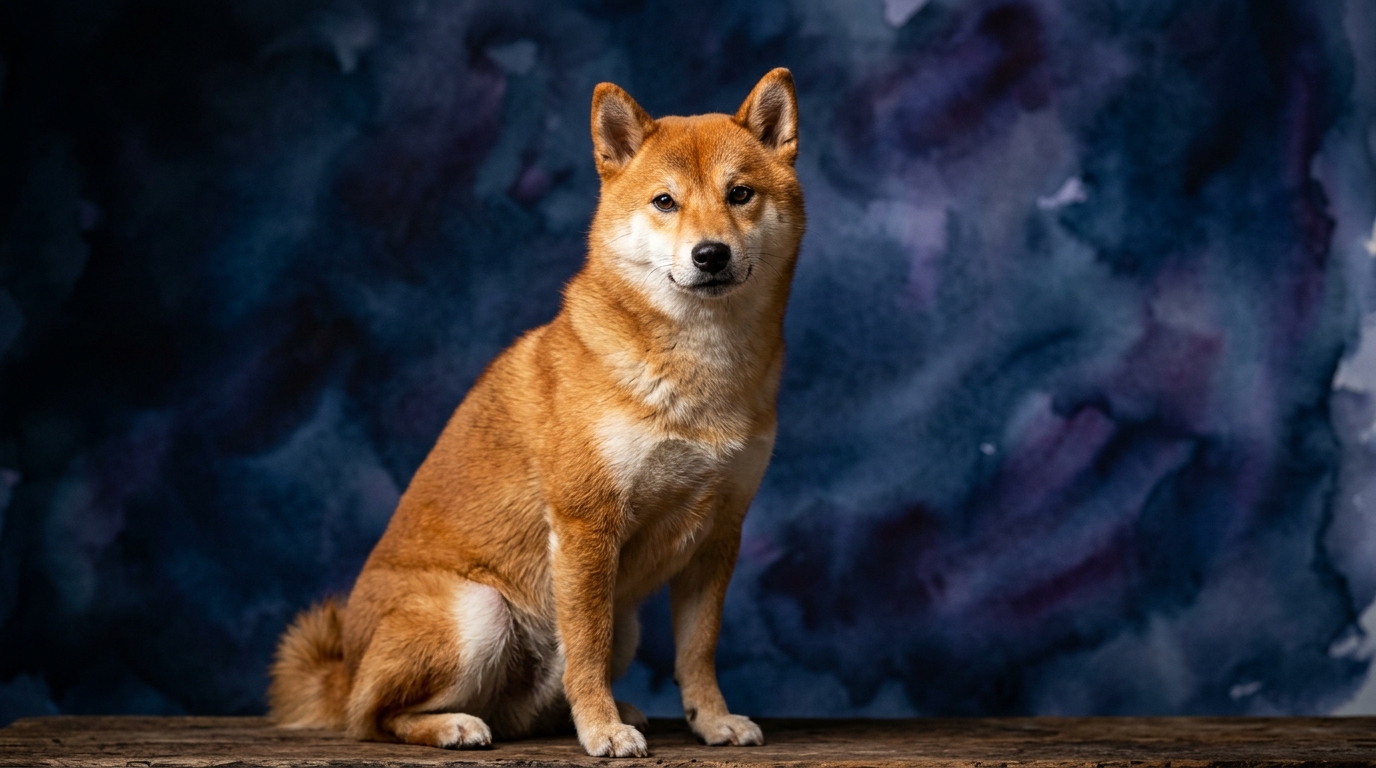
The Cosmic Pet Pet IQ Lab offers a unique lens to compare canine cognitive abilities, moving beyond simple obedience to explore the multifaceted nature of intelligence. For the spirited Shiba Inu, an unranked breed by traditional obedience metrics, we observe a robust Problem Solving score of 4/5, indicating a dog adept at navigating complex situations and often finding creative solutions to perceived obstacles. Their Training Speed, however, registers at a more moderate 2/5, reflecting a selective biddability rather than eager compliance. Social Intelligence sits at 3/5, suggesting an understanding of human cues often filtered through a lens of self-interest. A powerful Instinctive Drive of 5/5 highlights their strong prey drive and territorial awareness, while their Memory, at 4/5, means they learn quickly and retain experiences, both positive and negative, over time.
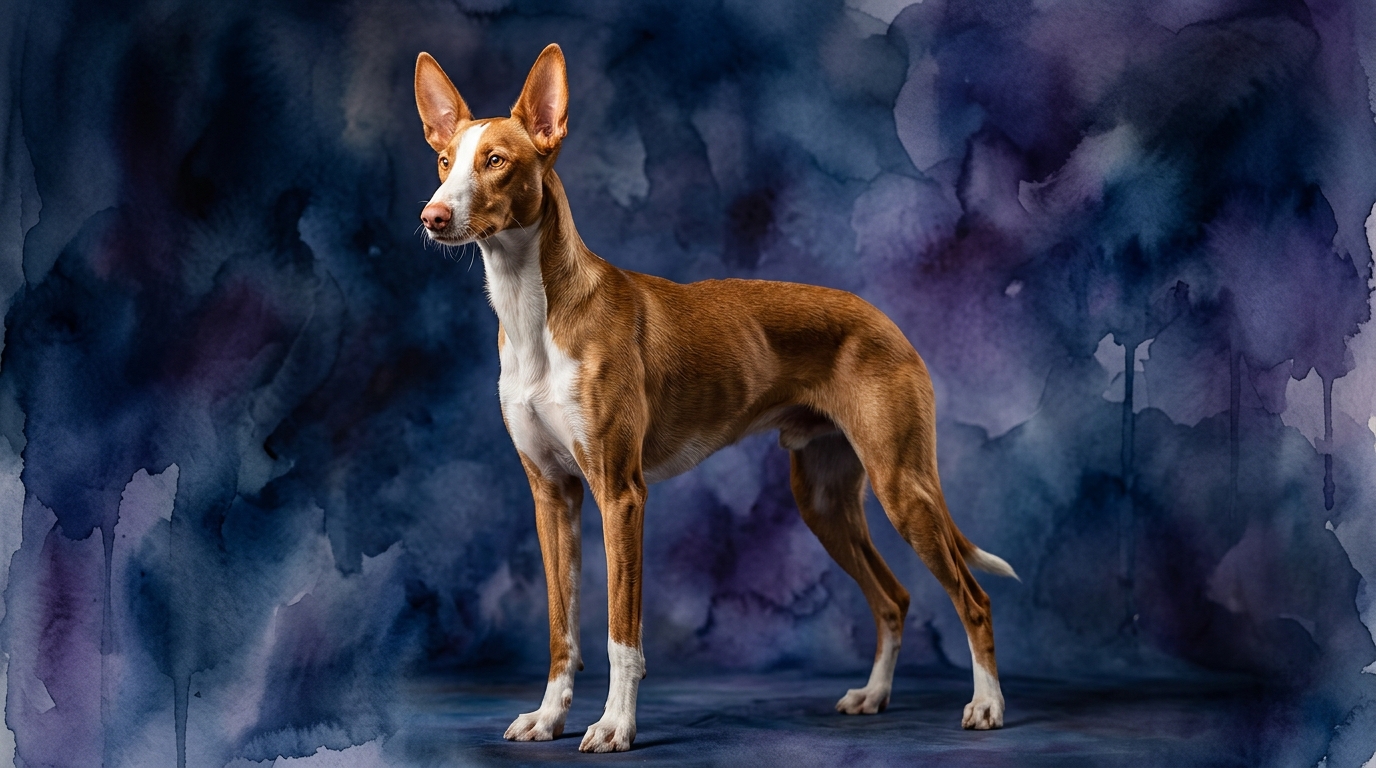
In contrast, the graceful Ibizan Hound, holding Coren rank #53, presents a balanced profile. Their Problem Solving is rated 3/5, showing competence but perhaps less inclination for deliberate manipulation than the Shiba. Training Speed is a solid 3/5, indicating a more receptive student, albeit one that can be easily distracted by their environment. Social Intelligence matches the Shiba at 3/5, often manifesting as a gentle sensitivity within their trusted circle. Their Instinctive Drive is 3/5, primarily focused on their sighthound prey drive, and Memory is also 3/5, allowing for reliable retention of commands and routines.
Where the Shiba Inu Wins Cognitively
When examining specific cognitive strengths, the Shiba Inu often demonstrates a more pronounced aptitude in certain areas. Their superior Problem Solving (4/5 versus Ibizan's 3/5) means they are remarkably adept at navigating their environment, whether it's figuring out how to open a childproof gate or devising strategies to acquire a forbidden treat. This isn't just mischief; it's a testament to their cognitive flexibility and ability to analyze situations for personal gain. Furthermore, the Shiba's Instinctive Drive (5/5 compared to Ibizan's 3/5) signifies an intense, intrinsic motivation. This powerful drive translates into an unyielding focus on tasks related to their natural predispositions, such as hunting small prey or guarding their territory, showcasing a profound connection to their ancestral behaviors. Their Memory score of 4/5 also gives them an edge; a Shiba often remembers specific past interactions, routines, and the consequences of actions with remarkable clarity, influencing their future behavior and learning patterns.
Where the Ibizan Hound Wins Cognitively
The Ibizan Hound, while possessing a different set of cognitive priorities, shines in areas where biddability and focus on collaboration are key. Their Training Speed of 3/5, surpassing the Shiba's 2/5, directly correlates with their Coren rank of #53, placing them significantly higher in working and obedience intelligence. This indicates a greater willingness to absorb and execute commands, making them generally more responsive during structured learning sessions. While both breeds share a 3/5 Social Intelligence score, the Ibizan's often manifests as a more sensitive and harmonizing presence within their family, attentive to their owner's emotional state and eager to please those they trust deeply. Additionally, their more moderate Instinctive Drive (3/5 vs. Shiba's 5/5) can be considered a cognitive advantage in a domestic setting; while still possessing a strong sighthound prey drive, it often presents as less broadly territorial or resource-guarding, making their focused drive easier to manage and channel during training.
Which Is Easier to Train and Why
Evaluating ease of training often comes down to a dog's inherent willingness to cooperate versus their independent streak. Here, the Ibizan Hound generally presents a less challenging training prospect. Their Coren ranking and Training Speed score of 3/5 reflect a breed that is typically more sensitive to handler feedback and eager to form a cooperative partnership. They respond well to positive reinforcement and clear communication, often thriving on the collaborative nature of training exercises. In contrast, the Shiba Inu, with a Training Speed of 2/5 and a notoriously independent spirit, demands a highly creative and patient approach. Their problem-solving intelligence might be employed to outsmart the trainer, and their intense instinctive drives can override commands if something more stimulating captures their attention. They are not untrainable, but their training requires significant mental engagement, motivation through high-value rewards, and an understanding that compliance is often conditional on their mood or perceived benefit, rather than an inherent desire to please.
Which Suits Active Owners vs. Relaxed Owners
When considering lifestyle compatibility, neither the Shiba Inu nor the Ibizan Hound are truly suited for entirely 'relaxed' owners in the sense of minimal daily engagement. Both require mental and physical stimulation, but their needs differ in kind. The Ibizan Hound is undeniably a breed for active owners who can provide substantial opportunities for vigorous, high-speed exercise. Their sighthound heritage demands regular, safe off-leash running sessions, ideally in a securely fenced area where they can stretch their legs and satisfy their chase instincts. While they are often calm and cuddly indoors after sufficient activity, their daily exercise requirement is non-negotiable. The Shiba Inu also needs an active owner, but their activity often manifests differently. While they enjoy walks and playtime, their intense instinctive drives mean they thrive on mental challenges, exploration, and opportunities to 'hunt' or problem-solve. A Shiba owner needs to be active in providing consistent mental enrichment and managing their strong drives, rather than just sustained physical exertion. For a truly relaxed owner, both breeds would likely develop undesirable behaviors due to unmet needs, but the Ibizan's need for specific, intense physical outlets might be harder for some to consistently provide.
The Verdict
If you seek a clever, independent, and sometimes challenging companion who thinks for themselves and appreciates a nuanced relationship, the Shiba Inu is an excellent choice. They thrive with owners who enjoy a dog with distinct personality and are prepared for creative training.
If you are drawn to an elegant, athletic sighthound that thrives on intense bursts of speed, values a cooperative training dynamic, and offers a sensitive, affectionate bond, the Ibizan Hound will be a deeply rewarding partner. They suit owners who can provide ample physical outlets and appreciate a gentle, biddable nature.
🧠 Find Your Pet's IQ Score
Our Pet IQ Lab assessment covers 25+ tests across 5 cognitive dimensions — personalized to your breed.
Take the Full IQ Test →Frequently Asked Questions
Are Shiba Inus truly untrainable?
No, but they require a different approach than many breeds. Their independence and clever problem-solving mean training needs to be highly engaging, positive, and consistent, focusing on motivation through high-value rewards rather than strict, repetitive obedience.
Do Ibizan Hounds need a lot of exercise?
Absolutely. As sighthounds, they possess immense speed and stamina, requiring daily opportunities for vigorous running in a safe, enclosed space to satisfy their natural instincts and maintain physical and mental well-being.
Which breed is better with children?
Both breeds can be good with children when properly socialized and raised in a respectful environment. However, the Ibizan Hound's generally more sensitive and less intensely driven nature might make them a slightly more predictable and gentle family companion for some, while Shiba Inus demand respect for their personal space and can be less tolerant of rough play.