Side-by-Side IQ Profile: Shiba Inu vs. Irish Red and White Setter
The Cosmic Pet Pet IQ Lab offers a unique lens through which to examine the cognitive landscapes of the Shiba Inu and the Irish Red and White Setter, revealing their distinct mental architectures across five key dimensions. While neither breed is ranked by Coren, our assessments provide a detailed understanding of their inherent capabilities.
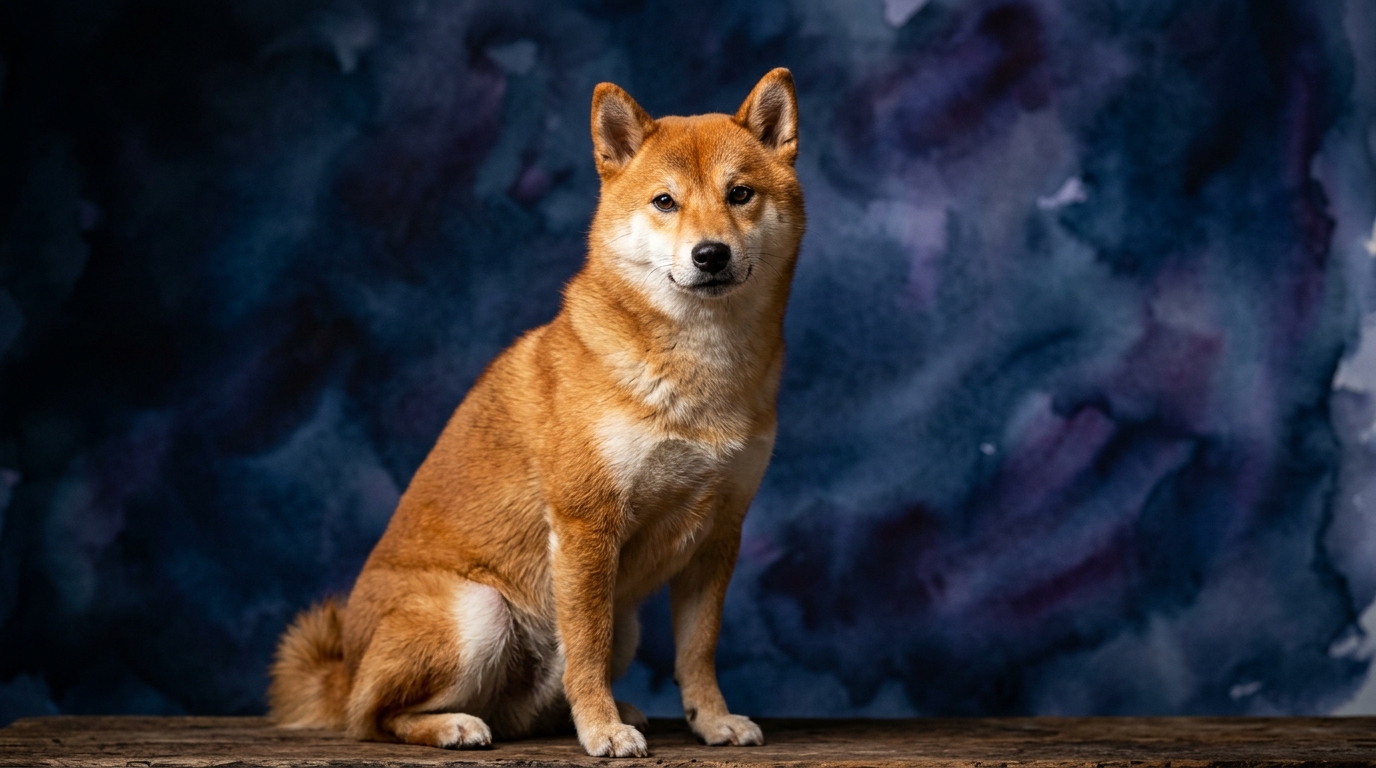
The Shiba Inu's cognitive profile emphasizes independence and ingenuity. Their Problem Solving is rated 4/5, indicating a strong capacity for independent thought and figuring out complex situations, often in ways that benefit themselves. Their ingenuity can manifest in opening cabinets or devising escape routes, suggesting a high degree of adaptability in navigating their environment. Training Speed for the Shiba Inu is 2/5; this breed typically learns new commands at a slower pace compared to many other breeds, often due to their independent nature and preference for self-direction. Consistency and motivation are crucial, as they may not perceive immediate value in human-initiated tasks. Social Intelligence is 3/5; Shiba Inus possess a moderate understanding of social cues, capable of forming strong bonds with their primary caregivers, yet their social circle tends to be selective. Their Instinctive Drive is a robust 5/5, encompassing strong prey drive, territoriality, and a keen awareness of their surroundings, fueling their independent exploration. Finally, their Memory is 4/5, allowing them to retain learned behaviors, routines, and experiences, influencing future interactions.
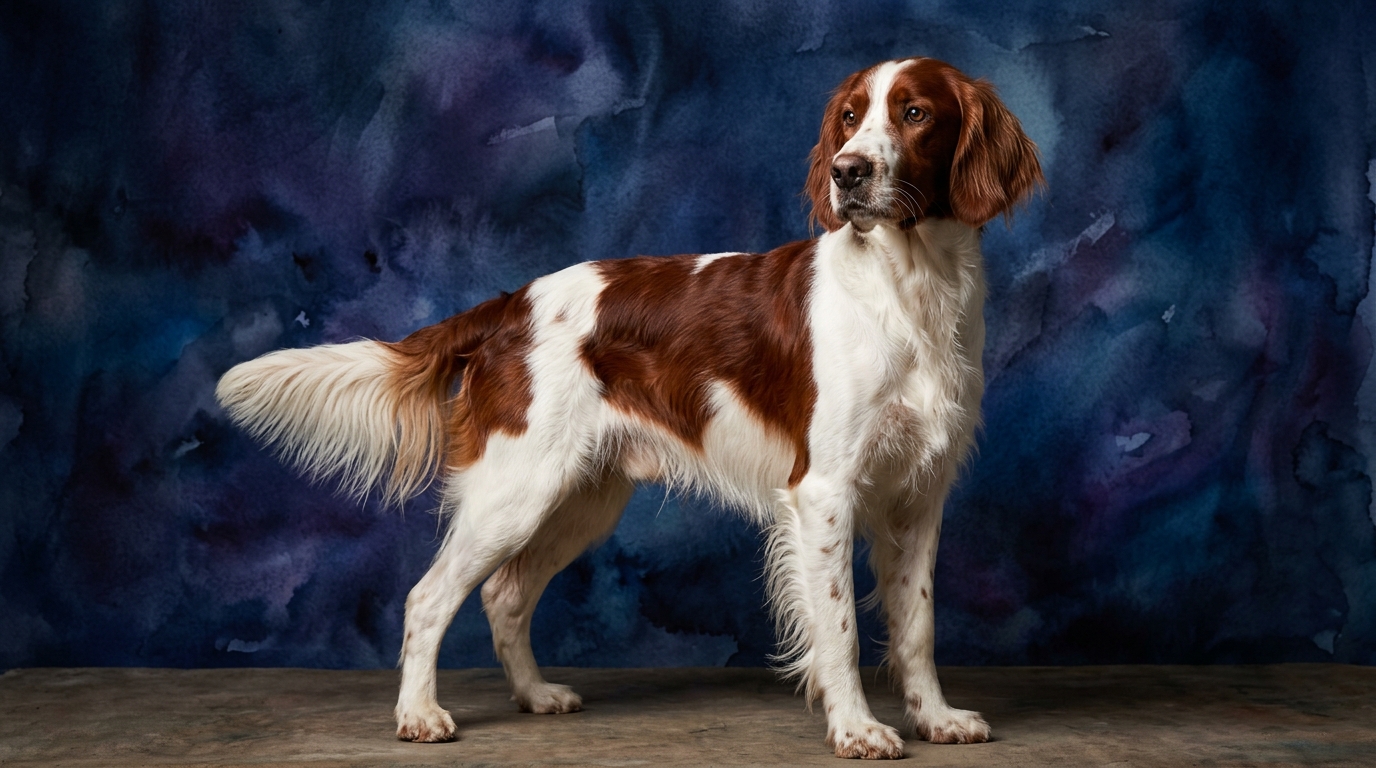
The Irish Red and White Setter presents a more balanced and cooperative cognitive blueprint. Their Problem Solving is rated 3/5, showing a moderate ability to solve problems, often relying on learned strategies and human guidance rather than independent innovation. They are capable of navigating tasks, especially those related to their working heritage, but may not exhibit the same level of crafty self-interest as a Shiba. Training Speed is 3/5, meaning this breed typically learns at an average pace, responsive to positive reinforcement and eager to please their handlers, making them generally cooperative in training. Social Intelligence is also 3/5; Irish Red and White Setters display moderate social intelligence, generally friendly and adaptable in various social settings, enjoying interaction with their human families and usually amiable with other dogs. Their Instinctive Drive is 3/5; while possessing a clear sporting heritage, their drive is moderately balanced, primarily manifesting in a desire to retrieve and work collaboratively, often channeled through training. Their Memory is 3/5, capable of recalling commands, routines, and social interactions, benefiting from consistent practice to reinforce learning effectively.
Where the Shiba Inu Wins Cognitively
The Shiba Inu's cognitive profile stands out particularly in its problem-solving and instinctive drive. Their 4/5 rating in problem-solving reflects a profound capacity for independent thought and strategic action, often surprising owners with their cleverness in navigating household challenges, such as opening latches or finding hidden treats. This ingenuity is not merely about obedience but about an intrinsic ability to assess situations and devise solutions that serve their own interests. Coupled with an exceptional 5/5 instinctive drive, the Shiba operates with a strong, self-directed purpose, whether it's tracking a scent in the yard or meticulously grooming themselves. This powerful combination results in a dog that is highly self-sufficient and capable of making decisions without constant human oversight, a trait that can be both admirable and, at times, challenging for owners. Their memory, rated at 4/5, further supports these strengths, allowing them to learn and adapt from past experiences, refining their problem-solving tactics and remembering effective strategies for achieving their goals.
Where the Irish Red and White Setter Wins Cognitively
While the Irish Red and White Setter doesn't boast the same independent problem-solving prowess as the Shiba, its cognitive strengths lie in a harmonious balance that fosters a more cooperative and generally adaptable companion. Their consistent 3/5 rating across problem-solving, training speed, social intelligence, instinctive drive, and memory indicates a reliable, moderate capability across the board. This balanced profile means they are less likely to present extreme cognitive challenges in any single area. Specifically, their moderate training speed (3/5) combined with their social intelligence (3/5) suggests a dog that is generally biddable and keen to engage with its human family, making them more receptive to instruction and partnership. Unlike the Shiba's intense self-direction, the Setter's moderate instinctive drive (3/5) is more amenable to being channeled into structured activities like retrieving or agility, which are often shared experiences with their owners. This overall cognitive equilibrium makes them a predictable and rewarding partner for owners seeking a dog that integrates smoothly into family life with a willingness to learn and participate.
Which is Easier to Train and Why
When considering ease of training, the Irish Red and White Setter generally presents a more straightforward experience than the Shiba Inu. The Setter’s training speed is rated at 3/5, indicating an average capacity for learning new commands and behaviors, complemented by a social intelligence score of 3/5, which suggests a desire to please and connect with their handler. Their moderately balanced instinctive drive (3/5) means these drives can be effectively harnessed and directed through positive reinforcement, making them eager participants in training sessions. In contrast, the Shiba Inu's training speed is a lower 2/5, largely due to their profound independence and discerning nature. Shibas often evaluate whether a command serves their own purpose before complying, a trait stemming from their high problem-solving (4/5) and instinctive drive (5/5). They are not inherently driven to please humans in the same way some breeds are, often requiring more creative motivation, patience, and consistency to achieve reliable obedience. Real behavioral differences include the Setter's natural inclination to work alongside humans in a sporting context versus the Shiba's ancestral role as an independent hunter, where self-reliance was paramount. This fundamental difference shapes their responsiveness and overall biddability in training.
Which Suits Active Owners vs. Relaxed Owners
The choice between these two breeds, based on cognitive profiles, significantly impacts their suitability for active versus relaxed owners. Active owners will find a robust companion in the Irish Red and White Setter. Their moderate instinctive drive (3/5) translates into a desire for purposeful activity, making them excellent partners for hiking, running, or dog sports like agility and field work. Their balanced problem-solving and training speed mean they thrive on mental engagement that often involves collaborative tasks and learning new skills. These dogs require consistent physical and mental stimulation to prevent boredom and channel their energy constructively. For owners seeking a more relaxed pace, the Shiba Inu might seem appealing due to their smaller size, but their cognitive makeup suggests otherwise. While they might appear calm indoors, their high instinctive drive (5/5) and problem-solving abilities (4/5) demand significant mental and physical engagement, often on their own terms. A Shiba’s need for independent exploration and mental challenge, combined with a strong prey drive, means they are not content to be mere couch potatoes. They require owners who can provide outlets for their innate curiosity and drive, even if it means managing their adventurous spirit. Therefore, neither breed truly suits a 'relaxed' owner in the sense of minimal engagement; both require active participation, though the nature of that activity differs. The Setter thrives on collaborative activity, while the Shiba needs outlets for independent, self-directed exploration.
The Verdict
Opt for a Shiba Inu if you appreciate a highly independent, self-sufficient companion who thrives on mental challenges and requires an owner prepared to navigate a strong, self-directed will.
Select an Irish Red and White Setter if you desire a cooperative, biddable partner eager to engage in collaborative activities and learn, ideal for an active lifestyle centered around shared experiences.
🧠 Find Your Pet's IQ Score
Our Pet IQ Lab assessment covers 25+ tests across 5 cognitive dimensions — personalized to your breed.
Take the Full IQ Test →Frequently Asked Questions
Do Shiba Inus need a lot of mental stimulation despite their lower training speed?
Yes, absolutely. Despite their 2/5 training speed, Shiba Inus have a 4/5 problem-solving ability and a 5/5 instinctive drive, meaning they are constantly thinking and seeking engagement. They need puzzles, scent work, and opportunities for independent exploration to satisfy their innate curiosity and prevent boredom-related behaviors.
Is the Irish Red and White Setter's moderate instinctive drive still strong enough for hunting?
Yes, the Irish Red and White Setter's 3/5 instinctive drive is perfectly suited for hunting and field work, as it represents a balanced, trainable drive for retrieving and pointing. Unlike the Shiba's more independent prey drive, the Setter's instincts are typically channeled into cooperative tasks, making them effective partners for bird hunting.
How does memory affect the training of these two breeds differently?
The Shiba Inu's 4/5 memory means they retain lessons and experiences well, but this also extends to remembering perceived injustices or ineffective training methods, which can hinder future progress. The Irish Red and White Setter's 3/5 memory is solid for retaining commands with consistent practice, and their biddable nature often means they're more forgiving of minor training inconsistencies, maintaining a positive association with learning.