Side-by-Side IQ Profile: Shiba Inu vs. Löwchen
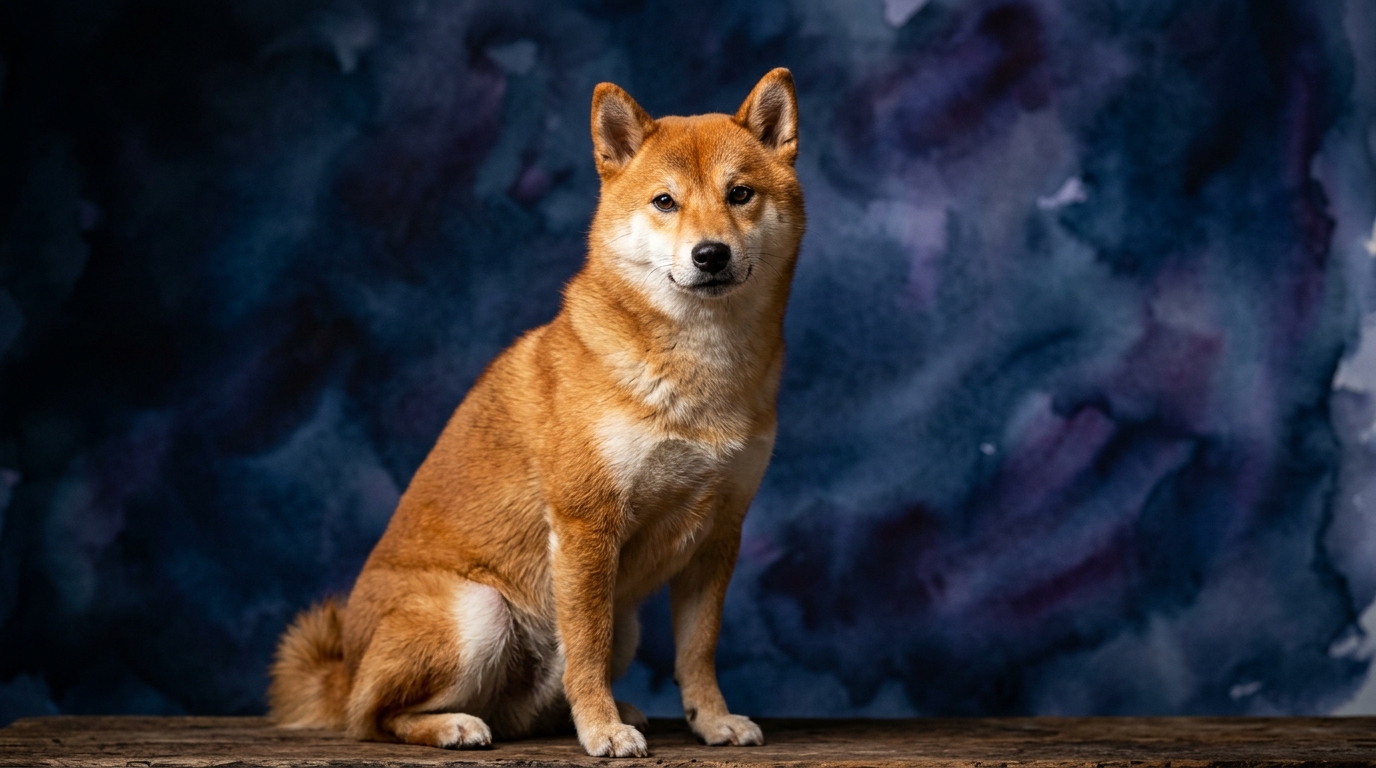
The Cosmic Pet Pet IQ Lab provides a detailed lens into the cognitive makeup of our canine companions, and for the Shiba Inu, its profile speaks of an independent spirit. Scoring a 4 out of 5 in Problem Solving, the Shiba Inu demonstrates a remarkable capacity for figuring things out on its own, often preferring to tackle challenges independently. Its Training Speed, however, sits at a moderate 2 out of 5, suggesting a learning process that requires patience and consistent motivation. Social Intelligence is rated 3 out of 5, indicating an ability to understand social cues, but perhaps with a preference for selective engagement. A standout 5 out of 5 in Instinctive Drive highlights a strong innate urge for activities like hunting or exploring, while Memory at 4 out of 5 suggests excellent retention of experiences and learned behaviors.
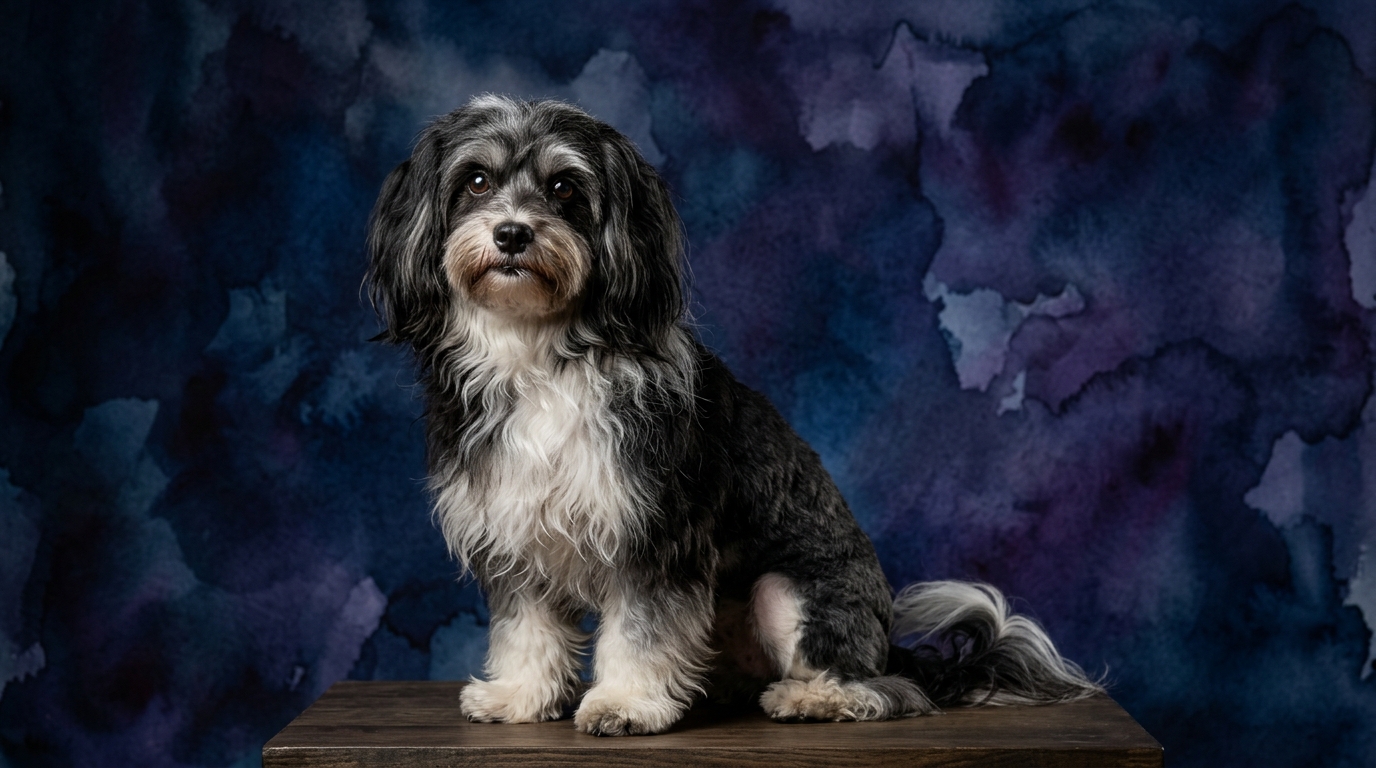
In contrast, the Löwchen, often called the 'Little Lion Dog,' presents a more balanced, cooperative cognitive profile. Its Problem Solving score of 3 out of 5 shows a capable mind, though perhaps one that leans more towards collaborative efforts than solitary genius. Where the Löwchen shines relatively is in its Training Speed, scoring 3 out of 5, indicating a more willing participant in structured learning. Social Intelligence also holds steady at 3 out of 5, mirroring the Shiba's capacity for social understanding, but often expressed with a greater desire for interaction. Its Instinctive Drive is a moderate 3 out of 5, suggesting a less intense pull towards primal behaviors, and Memory at 3 out of 5 reflects a solid, functional recall without the Shiba's exceptional capacity.
Where the Shiba Inu Wins Cognitively
The Shiba Inu's cognitive victories are most evident in its robust Problem Solving and formidable Instinctive Drive. With a 4/5 in Problem Solving, Shibas frequently exhibit cleverness in navigating their environment, whether it's figuring out how to open a gate or outsmarting a puzzle toy designed for more compliant breeds. This independent problem-solving often manifests as resourcefulness, making them adept at finding solutions to their own perceived challenges, sometimes to the exasperation of their human companions.
Furthermore, the Shiba's 5/5 Instinctive Drive fuels a profound connection to its ancestral hunting roots. This intense drive means they are highly motivated by scent, movement, and the thrill of the chase, making them superb candidates for activities like lure coursing or advanced scent work where their innate abilities can truly shine. Their 4/5 Memory also ensures that once they learn a complex sequence or remember a particular scent, that information is deeply ingrained, allowing them to excel in tasks requiring precise recall over time.
Where the Löwchen Wins Cognitively
While the Löwchen may not boast the Shiba's peaks in independent problem-solving or instinctive drive, its cognitive strengths lie in its balanced approach and cooperative spirit. Its 3/5 Training Speed, higher than the Shiba's, suggests a greater eagerness to engage in learning sessions and a quicker grasp of commands when properly motivated. This makes the Löwchen generally more receptive to consistent instruction and less prone to the 'what's in it for me?' attitude often seen in more independent breeds.
The Löwchen's consistent 3/5 in Social Intelligence, coupled with its moderate 3/5 Instinctive Drive, positions it as a more adaptable and agreeable companion in various social settings. Unlike the Shiba, whose intense drives can sometimes override social niceties, the Löwchen's balanced profile often translates into a dog that is more attuned to its owner's moods and more inclined to seek harmonious interaction rather than pursuing independent agendas. This makes them particularly well-suited for family environments or social gatherings where a more integrated presence is desired.
Which is Easier to Train and Why
When it comes to ease of training, the Löwchen generally presents a smoother path than the Shiba Inu. The Löwchen's 3/5 Training Speed indicates a dog that is typically more receptive to learning new commands and more eager to please its handler. Their moderate 3/5 Instinctive Drive means they are less likely to be distracted by environmental stimuli like squirrels or distant scents, allowing them to focus more intently during training sessions. This combination contributes to a more straightforward and often more rewarding training experience for the average owner, as the Löwchen is generally more inclined to cooperate.
The Shiba Inu, with its 2/5 Training Speed, coupled with a formidable 5/5 Instinctive Drive, presents a significant training challenge. Their strong problem-solving skills (4/5) often mean they're thinking for themselves rather than simply complying, leading to a reputation for stubbornness. A Shiba's intense drive can easily override commands if something more stimulating, like a perceived prey animal, captures their attention. Training a Shiba requires immense patience, creativity, and a deep understanding of positive reinforcement to channel their independence and strong drives effectively, making them less 'easy' but potentially very rewarding for experienced trainers. Their 3/5 Social Intelligence means they understand social cues, but their independent nature often dictates whether they choose to act on them.
Which Suits Active Owners vs. Relaxed Owners
For active owners seeking a canine partner for adventures and mental stimulation, the Shiba Inu often presents a compelling choice. Their high Instinctive Drive (5/5) means they thrive on activities that engage their primal instincts, such as long hikes, challenging scent work, or agility courses. Owners who enjoy puzzle toys, advanced obedience, or exploring varied environments will find a willing, though sometimes independently-minded, companion in the Shiba. This breed benefits greatly from consistent engagement that taps into their problem-solving abilities and strong memory, preventing boredom and potential mischief.
Conversely, the Löwchen's more balanced cognitive profile makes it an excellent fit for owners seeking a companion that integrates seamlessly into a more relaxed, yet still engaged, lifestyle. Their moderate Instinctive Drive (3/5) and higher Training Speed (3/5) mean they are content with regular walks, interactive play, and consistent, positive training sessions that reinforce their cooperative nature. While they appreciate mental stimulation, it doesn't need to be as intensely focused on primal drives as with a Shiba. Löwchens are typically happy to be involved in family activities, offering a charming and adaptable presence without demanding a highly specialized activity regimen.
The Verdict: When to Choose Each Breed
The Verdict
Choose the Shiba Inu if you are an experienced, patient owner who values independence and can provide consistent mental and physical challenges that cater to high instinctive drives and clever problem-solving.
Opt for the Löwchen if you prefer a more cooperative, adaptable companion that responds well to training and seeks a harmonious, integrated role within a family's active yet relaxed lifestyle.
🧠 Find Your Pet's IQ Score
Our Pet IQ Lab assessment covers 25+ tests across 5 cognitive dimensions — personalized to your breed.
Take the Full IQ Test →Frequently Asked Questions
Are Shiba Inus truly 'stubborn' or just independent thinkers?
Shiba Inus are often perceived as stubborn due to their strong problem-solving skills and high instinctive drive, leading them to prioritize their own agendas. This isn't defiance, but rather independent thought, requiring owners to be creative and consistent in their training approaches.
Do Löwchens require extensive grooming due to their coat?
Löwchens possess a non-shedding, single coat that requires regular brushing to prevent mats, typically several times a week, and professional grooming every 4-6 weeks to maintain their characteristic 'lion' clip or a shorter, manageable style.
Which breed is better with children?
Both breeds can be good with children with proper socialization, but the Löwchen's generally more cooperative nature and moderate drives might make it a slightly more adaptable and patient companion for families with younger children, though individual temperament always varies.