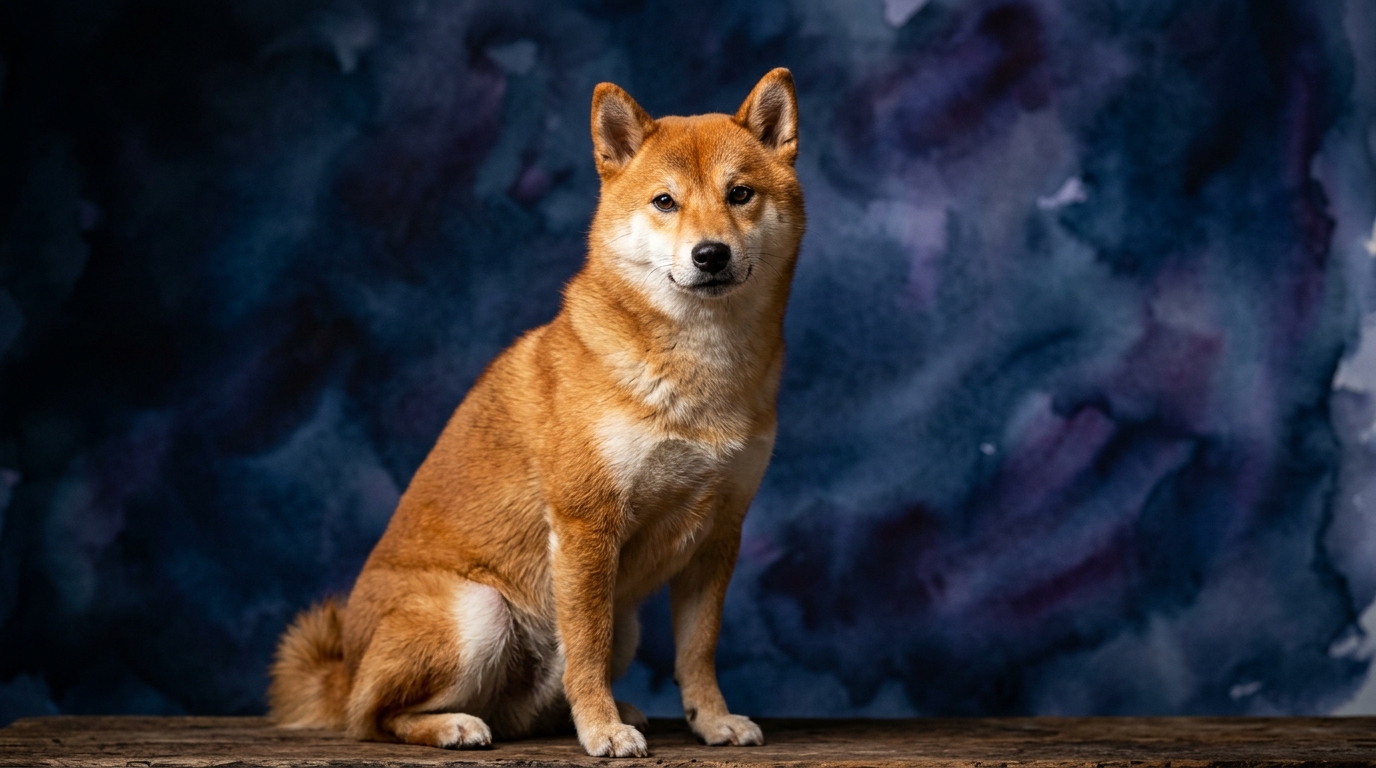
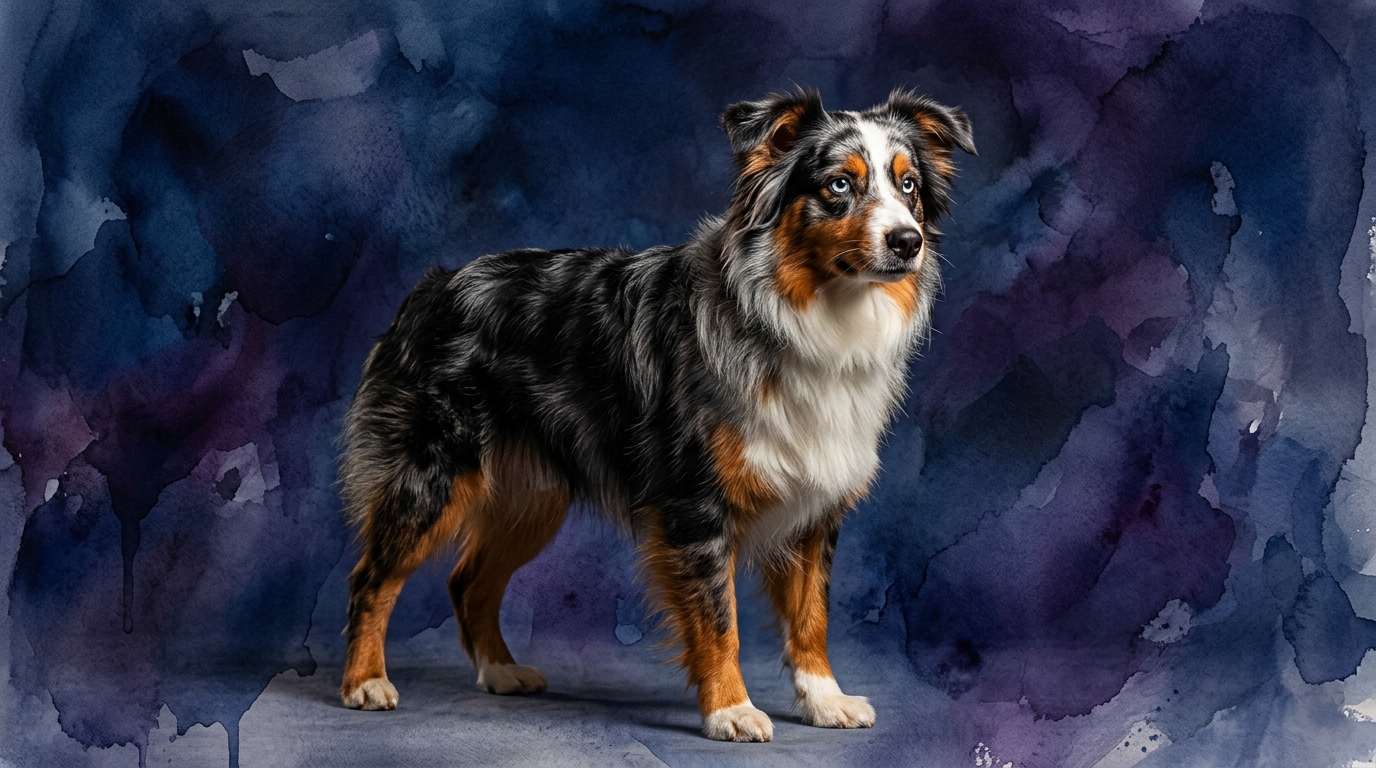
Side-by-Side Cognitive Profile: Shiba Inu vs. Miniature American Shepherd
At The Cosmic Pet's IQ Lab, we evaluate canine cognition across five key dimensions. For the Shiba Inu, a breed from the Non-Sporting Group, its scores reflect a unique blend of independence and sharp awareness. They register a problem Solving score of 4/5, indicating a strong capacity for self-directed solutions. Their training Speed is 2/5, suggesting a more deliberate and often selective approach to learning commands. Social Intelligence for the Shiba Inu sits at 3/5, signifying a discerning but capable understanding of social cues. Their Instinctive Drive is notably high at 5/5, reflecting a powerful innate prey drive and self-preservation. Finally, their Memory is strong at 4/5, allowing them to recall past experiences and learned behaviors effectively.
The Miniature American Shepherd, a member of the Herding Group, presents a balanced and cooperative cognitive profile. Their problem Solving ability is rated 3/5, showing a competence in navigating challenges, often with human guidance. Their training Speed is 3/5, indicating a generally responsive and engaged attitude toward learning new tasks. Social Intelligence for the Mini American Shepherd also stands at 3/5, suggesting a good aptitude for understanding and interacting within social structures. Their Instinctive Drive is moderate at 3/5, manifesting as a manageable herding tendency. Their Memory score is 3/5, reflecting a solid ability to retain commands and routines, supporting their role as a consistent working partner.
Where the Shiba Inu Excels Cognitively
The Shiba Inu's cognitive profile showcases a distinct advantage in independent problem-solving (4/5) and an exceptionally strong instinctive drive (5/5). Their heritage as small game hunters in mountainous terrain demanded self-reliance and acute observational skills, leading to a dog that can quickly assess environmental challenges and devise unique solutions, often without human prompting. For instance, a Shiba might meticulously work out how to open a child-proof gate or systematically test various escape routes from a yard. This isn't about obedience but about intrinsic motivation to achieve a personal objective. Their robust memory (4/5) further supports this, allowing them to recall successful past strategies and apply them to new, similar situations. This means once they've learned how to manipulate a latch, they'll remember it for next time. Their powerful instinctive drive fuels this persistent exploration and experimentation, making them tenacious in pursuing what they want.
Where the Miniature American Shepherd Shines Cognitively
The Miniature American Shepherd demonstrates its cognitive strengths in areas revolving around cooperation and consistent learning. While their problem-solving is rated 3/5, it's often directed towards tasks that involve working alongside humans or within a structured environment. Their training speed (3/5), while not exceptionally high, indicates a willingness to engage and a quicker grasp of new commands compared to the Shiba. This reflects their herding background, where responsiveness to handler cues is paramount. They thrive on clear instructions and the rewarding interaction of a training session. Furthermore, their social intelligence (3/5), while matching the Shiba, often manifests as a greater desire for active participation in family life and a more open approach to new people or situations, albeit with some individual variation. Their cooperative nature means they often seek to understand and comply, making them more predictable partners in learning complex tasks.
Trainability: Which Breed is Easier to Guide?
When considering ease of training, the Miniature American Shepherd generally presents a more straightforward experience. Their training speed (3/5) reflects a natural inclination to engage with their handler and a desire to please, traits deeply ingrained from their herding lineage. They are often eager to learn new commands and enjoy the mental stimulation of structured training sessions. This breed responds well to positive reinforcement, quickly associating actions with rewards and the satisfaction of a job well done. Their instinctive drive (3/5), while present, is typically channeled into cooperative tasks like agility or obedience, rather than independent pursuit.
In contrast, the Shiba Inu's training speed is rated 2/5, indicating a more challenging journey for many owners. Their profound independence and strong instinctive drive (5/5) mean they often question the necessity of a command. A Shiba might understand what you want but choose not to comply if they don't perceive it as beneficial or interesting to them. Training a Shiba requires immense patience, creativity, and a deep understanding of their unique motivational triggers. Consistency is key, but so is making training feel like a game or a challenge they choose to conquer, rather than an instruction they must follow. Their memory (4/5) helps them retain what they've learned, but their inherent stubbornness can make initial acquisition slow.
Matching Canine Cognition to Owner Lifestyles
For active owners seeking a partner for various endeavors, the Miniature American Shepherd often proves to be an excellent match. Their moderate instinctive drive (3/5) and cooperative nature make them suitable for dog sports like agility, flyball, or obedience, where they can channel their herding instincts and enjoy working alongside their human. They require consistent physical and mental exercise to prevent boredom and destructive behaviors, thriving on a structured routine that includes walks, runs, and engaging play sessions. Their social intelligence (3/5) means they generally enjoy being involved in family activities and can adapt to different social settings with proper socialization.
The Shiba Inu, while possessing a strong instinctive drive (5/5), often manifests this in a more independent manner, making them suitable for active owners who appreciate a dog with a robust personality but who might not always want to be a direct 'partner' in every activity. They enjoy vigorous walks, hikes, and opportunities to explore, but their strong prey drive means off-leash activities require secure environments and excellent recall training, which can be challenging due to their low training speed (2/5). For relaxed owners, neither breed is truly a 'couch potato.' However, a Shiba Inu might be perceived as fitting a relaxed lifestyle if 'relaxed' means less demand for constant interaction and more appreciation for a dog that enjoys its own company within the home. They are not typically clingy and appreciate a calm, predictable environment. A relaxed owner of a Shiba would still need to provide ample mental stimulation and physical exercise to prevent boredom, just perhaps not in a highly interactive, team-sport fashion. A Mini American Shepherd requires more dedicated engagement and structured activity to be content, making them less ideal for a truly 'relaxed' owner who prefers minimal daily interaction.
The Verdict
Choose the Shiba Inu if you appreciate an independent, clever companion who excels at self-directed problem-solving and you are prepared for a patient, creative training journey.
Opt for the Miniature American Shepherd if you desire a cooperative, eager-to-please partner for consistent training and active engagement in dog sports or family adventures.
🧠 Find Your Pet's IQ Score
Our Pet IQ Lab assessment covers 25+ tests across 5 cognitive dimensions — personalized to your breed.
Take the Full IQ Test →Frequently Asked Questions
Are Shiba Inus difficult to live with due to their independence?
Shiba Inus thrive with owners who understand and respect their independent nature. While they aren't typically 'cuddly' and may seem aloof, they form deep bonds and appreciate a predictable routine. Their strong will requires consistent boundaries and early socialization to ensure they are well-adjusted companions.
How much exercise does a Miniature American Shepherd need daily?
Miniature American Shepherds are energetic dogs that require a significant amount of daily exercise, typically 60-90 minutes, broken into multiple sessions. This should include vigorous walks, runs, playtime, and mental stimulation through training or puzzle toys to keep them physically and mentally satisfied.
Can a Shiba Inu live in an apartment?
Yes, a Shiba Inu can adapt to apartment living provided their exercise and mental stimulation needs are met daily. They are relatively clean and quiet indoors, but their strong prey drive and independent nature necessitate secure outdoor spaces and consistent training for walks.