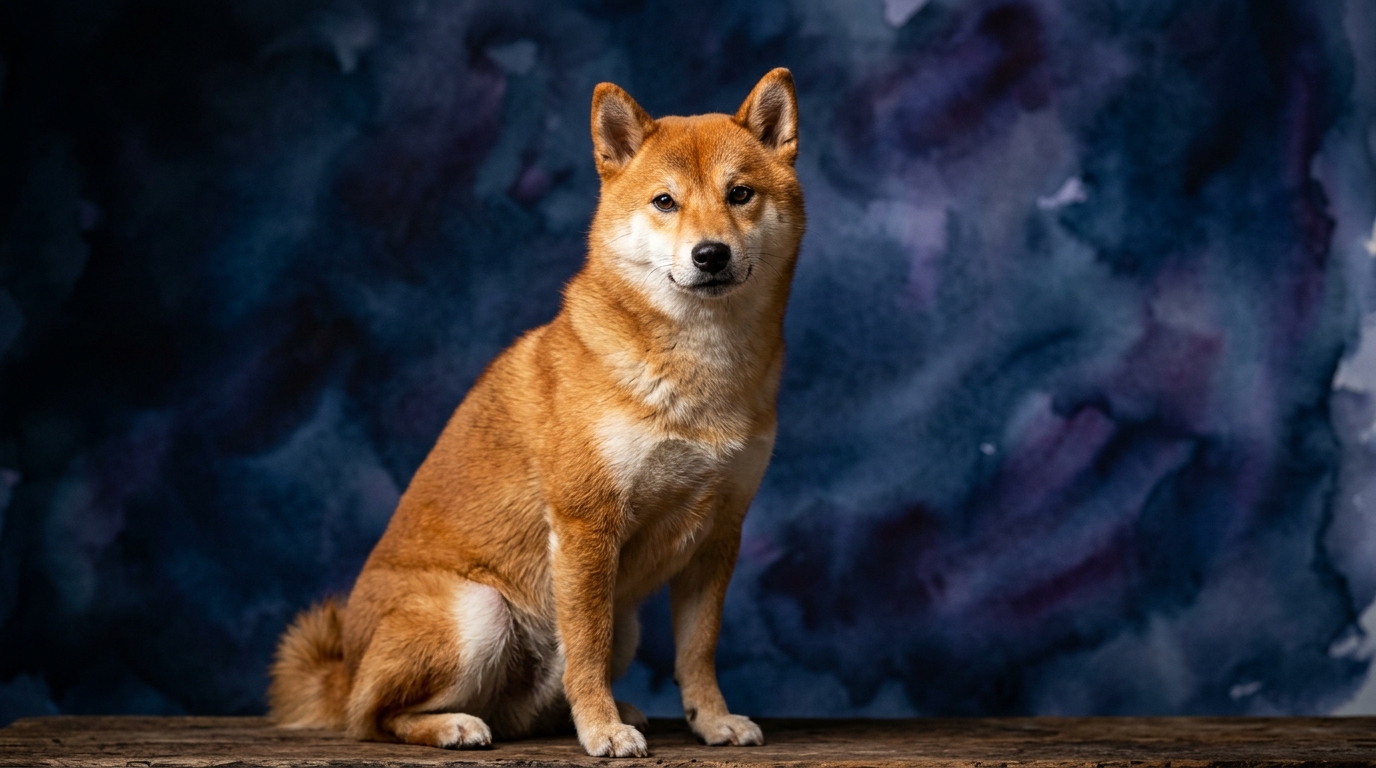
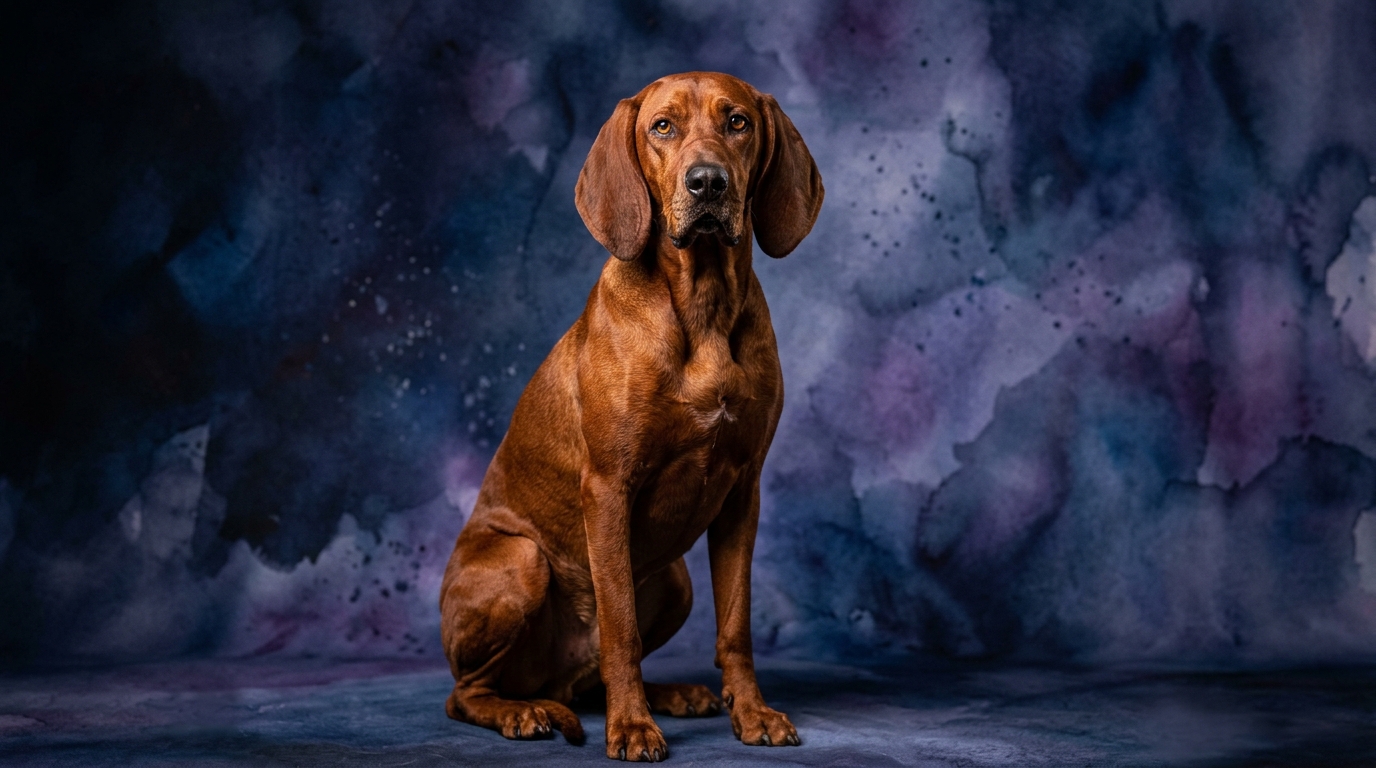
Side-by-Side IQ Profile: Shiba Inu vs. Redbone Coonhound
At The Cosmic Pet Pet IQ Lab, we evaluate canine cognition across five crucial dimensions, offering a nuanced look beyond simple labels. Understanding these specific scores helps illuminate the unique mental landscapes of each breed, guiding prospective owners toward a better match for their lifestyle and expectations.
The Shiba Inu, an ancient Japanese breed, exhibits a captivating blend of independence and sharp wit. Their Problem Solving is rated at an impressive 4/5, indicating a strong capacity for figuring out complex situations, often to their own advantage, whether it's escaping an enclosure or manipulating objects. However, their Training Speed stands at 2/5, reflecting a strong-willed nature that means they understand commands but often choose whether or not to comply, demanding patience and creative motivation. Social Intelligence for the Shiba Inu is 3/5; they typically form deep bonds with their immediate family but can be reserved or aloof with strangers, preferring selective interaction. Their Instinctive Drive is a formidable 5/5, manifesting as keen awareness, a high prey drive, and territorial vigilance. Finally, their Memory is 4/5, allowing them to retain learned information and experiences, contributing to consistent behaviors and a long recall of both positive and negative encounters.
In contrast, the Redbone Coonhound, a quintessential American hunting dog, presents a different cognitive blueprint, largely shaped by its working heritage. Their Problem Solving is 3/5, showing competence, particularly when tasks involve scent tracking or navigating complex environments related to their natural drives, though they may not prioritize abstract puzzles. Training Speed for the Redbone Coonhound is 3/5, signifying a moderately cooperative nature; they are generally eager to please their handlers, making them responsive to consistent positive reinforcement, though scent distractions can be a factor. Their Social Intelligence is 3/5, characterized by an affectionate and generally friendly disposition, thriving on companionship and being part of family activities. The instinctive Drive of a Redbone Coonhound is 3/5, dominated by a powerful scent-tracking drive that can override other stimuli, though their territorial instincts are less pronounced than a Shiba's. Their Memory is also 3/5, allowing them to recall routines, commands, and scent trails, aiding in their tracking abilities and loyalty.
Where the Shiba Inu Wins Cognitively
The Shiba Inu's cognitive strengths truly shine in areas demanding independent thought and proactive problem-solving. With a Problem Solving score of 4/5, they consistently demonstrate an ability to strategize and adapt, whether it's figuring out how to open a child-proof gate or devising a method to reach a forbidden treat. This isn't merely about rote learning but applying understanding to novel situations, often surprising their human companions with their ingenuity. Their high Instinctive Drive (5/5) translates into a profound awareness of their surroundings and a strong self-preservation instinct, making them highly alert and responsive to environmental changes, far beyond what a Redbone Coonhound might display. This intense drive, coupled with their 4/5 Memory, means they quickly learn and remember which strategies yield success, whether it's a clever escape route or a particular behavior that gets them attention. This combination of independent problem-solving, acute situational awareness, and strong recall makes the Shiba a formidable and often challenging intellectual companion, requiring owners to stay one step ahead.
Where the Redbone Coonhound Wins Cognitively
While the Shiba Inu excels in independent problem-solving, the Redbone Coonhound's cognitive strengths lie in their cooperative spirit and amenability to structured learning. Their Training Speed of 3/5, compared to the Shiba's 2/5, indicates a significantly greater willingness to engage in training and comply with commands, driven by a desire to please their handlers. This makes them more straightforward to guide through obedience or task-oriented training. Although both breeds score 3/5 in Social Intelligence, the Redbone's manifestation is distinct; they typically exhibit a more open, amiable, and less reserved disposition. They are generally more outwardly affectionate and eager to participate in family life, seeking out human interaction and cooperation in shared activities. This difference means a Redbone is often more approachable and less likely to display the aloofness that can characterize a Shiba, making them generally easier to integrate into diverse social settings and family dynamics, particularly for owners seeking a more overtly biddable and friendly companion.
Training Dynamics: Shiba Inu vs. Redbone Coonhound
When it comes to ease of training, the Redbone Coonhound generally presents a more straightforward path for most owners. Their 3/5 Training Speed reflects a cooperative nature and a genuine desire to work alongside their human companions. Redbones respond well to positive reinforcement, consistency, and a clear training structure. Their primary challenge often stems from their powerful scent drive, which can lead to distraction outdoors, but their fundamental eagerness to please typically outweighs any inherent stubbornness. They are often content to perform tasks for praise and treats, making them responsive students in various disciplines, from basic obedience to advanced scent work.
The Shiba Inu, by contrast, offers a more challenging training experience, reflected in their 2/5 Training Speed. This isn't due to a lack of understanding; rather, it's a product of their profound independence and strong-willed temperament. A Shiba will quickly grasp what is being asked but will often weigh whether compliance benefits them. This means traditional command-and-obey methods can be met with disinterest or outright refusal. Training a Shiba requires immense patience, creativity, and highly motivating rewards, such as high-value treats or engaging play. Owners must understand that they are often negotiating with a Shiba, building a relationship based on mutual respect and making training a rewarding game, rather than simply issuing commands. Their superior problem-solving (4/5) can even be a double-edged sword, as they might figure out ways to circumvent training or manipulate situations to their advantage if not consistently and cleverly managed.
Lifestyle Match: Active vs. Relaxed Owners
Neither the Shiba Inu nor the Redbone Coonhound are suited for a purely sedentary lifestyle, but their exercise and engagement needs diverge significantly, catering to different types of active owners. The Shiba Inu, with its high Problem Solving (4/5) and Instinctive Drive (5/5), thrives with owners who can provide substantial mental stimulation alongside physical activity. They benefit from structured games, puzzle toys, trick training, and secure, varied outdoor adventures that challenge their intellect and keen senses. Owners who enjoy engaging in a 'battle of wits' with their dog and appreciate a clever, independent companion will find the Shiba rewarding. They require consistent engagement to prevent boredom, which, for a Shiba, can quickly translate into creative mischief or escape attempts.
The Redbone Coonhound, on the other hand, is an ideal match for active owners who enjoy long, vigorous outdoor pursuits, particularly those involving hiking, running, or scent work. Their endurance and powerful tracking instincts make them superb partners for exploring trails and engaging in activities that allow them to utilize their nose. While they possess an Instinctive Drive of 3/5, it's primarily focused on scent, providing a clear avenue for channeling their energy. After sufficient physical exertion and mental engagement through scent-based activities, Redbones are generally more inclined to settle down into a relaxed state indoors, often enjoying long naps on the couch. For owners seeking a loyal, affectionate companion that can keep pace on extensive outdoor adventures and then unwind comfortably at home, the Redbone Coonhound is an excellent choice, though they still require consistent opportunities to satisfy their working dog heritage.
The Verdict: When to Choose Each Breed
The Verdict
Choose the Shiba Inu if you are an experienced dog owner seeking a clever, independent, and often challenging companion who will engage your wits, and you are prepared to invest significant time in mental stimulation and consistent, creative training methods.
Opt for the Redbone Coonhound if you desire a loyal, affectionate companion eager for extensive outdoor adventures, particularly those involving scent work, and you appreciate a generally more cooperative and biddable dog for training and family integration.
🧠 Find Your Pet's IQ Score
Our Pet IQ Lab assessment covers 25+ tests across 5 cognitive dimensions — personalized to your breed.
Take the Full IQ Test →Frequently Asked Questions
Are Shiba Inus stubborn?
Shiba Inus are often perceived as stubborn due to their high independence and selective compliance, but this is more accurately described as a strong will and a tendency to evaluate if a command benefits them, rather than a lack of understanding. They require creative motivation.
Do Redbone Coonhounds need a lot of exercise?
Yes, Redbone Coonhounds require substantial daily exercise to satisfy their strong working and scenting drives, ideally including long walks, runs, or opportunities for engaging in scent-based activities, to keep them content and prevent boredom and destructive behaviors.
Which breed is better for first-time dog owners?
The Redbone Coonhound is generally more suitable for first-time dog owners due to their more cooperative nature and eagerness to please, making training somewhat less challenging than the independent and strong-willed Shiba Inu, which often requires a more nuanced approach.