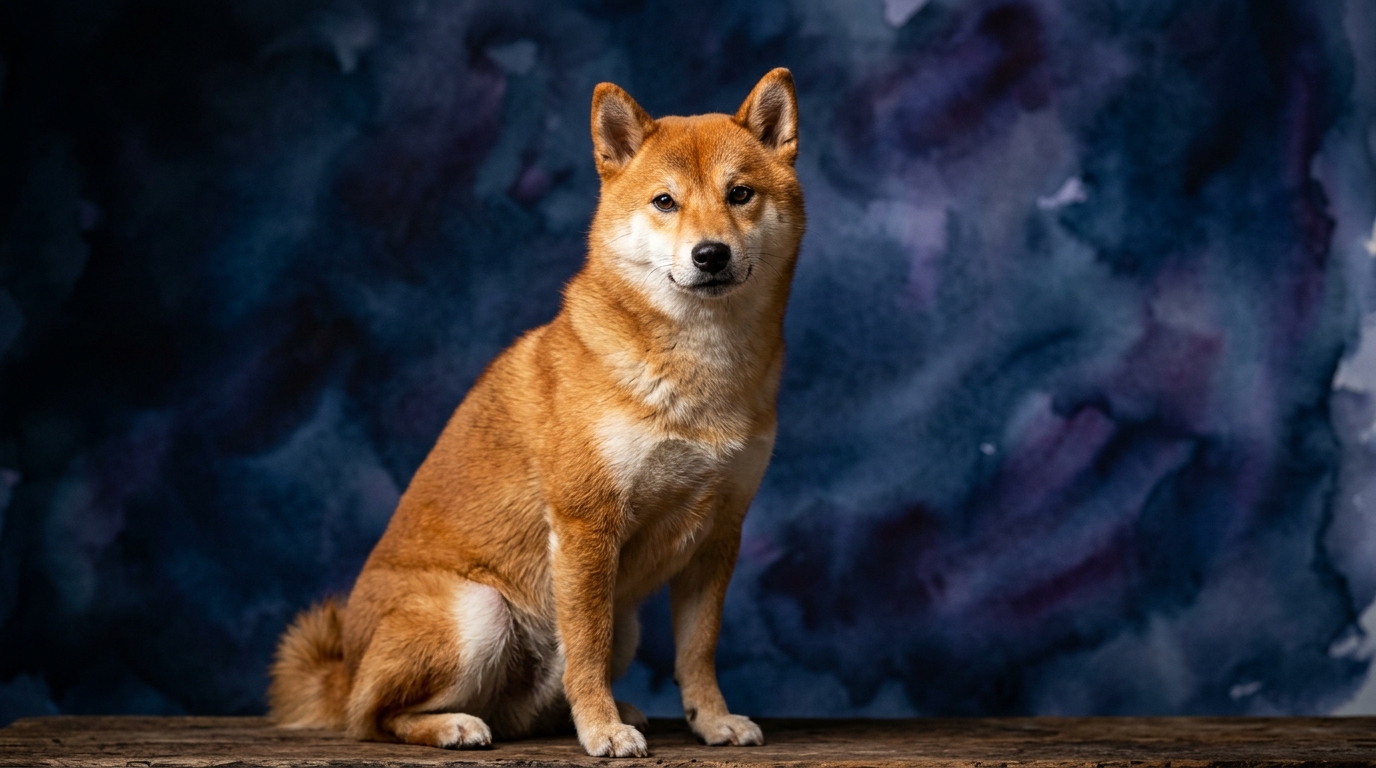
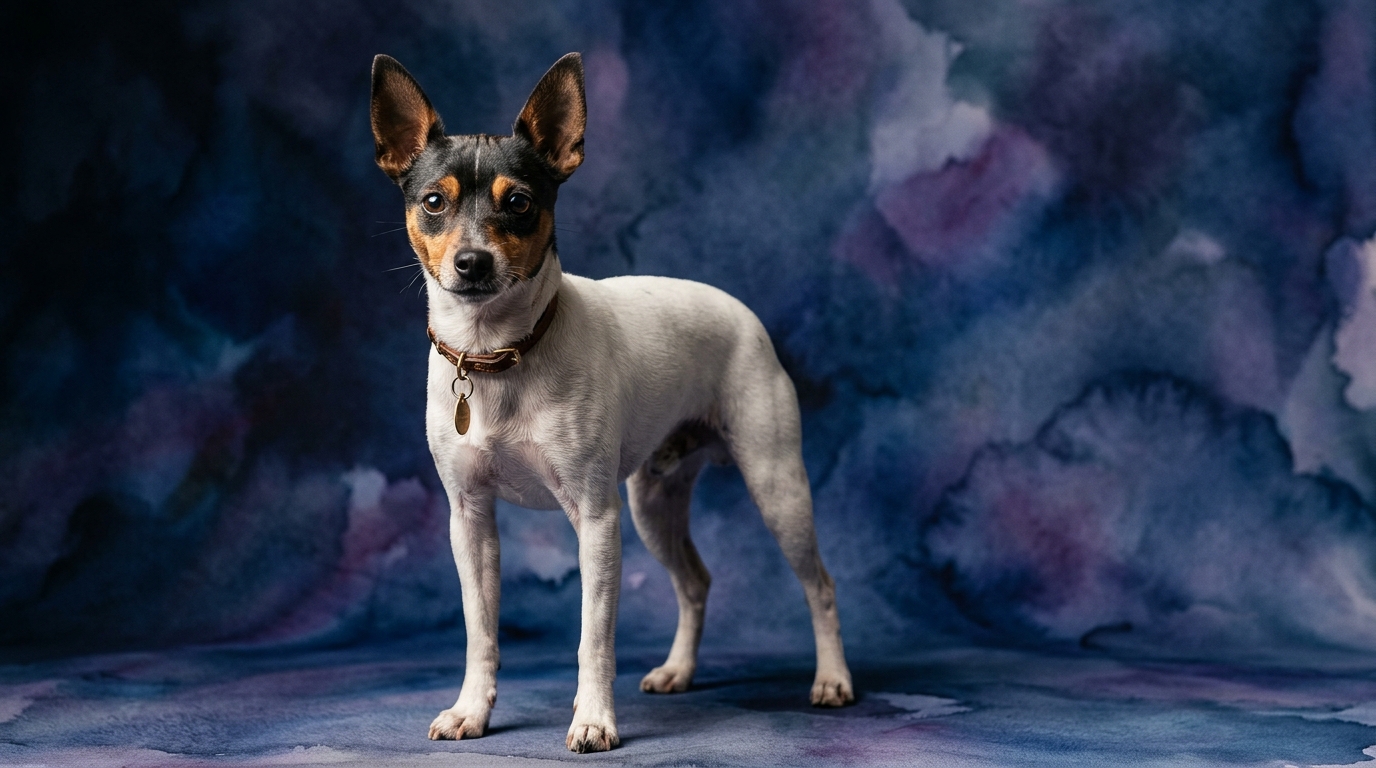
Side-by-Side Cognitive Profiles
**Shiba Inu:** This breed exhibits a robust Problem Solving score of 4/5, indicative of their capacity to independently assess situations and devise solutions, often to their own advantage, like figuring out how to unlatch a gate or retrieve a hidden treat. Their Training Speed is 2/5, reflecting a strong-willed, independent nature that requires patience, high-value motivation, and innovative methods to engage their cooperation rather than simple obedience. Social Intelligence stands at 3/5, suggesting a discerning approach to interactions, often preferring their inner circle and sometimes appearing aloof to strangers. An Instinctive Drive of 5/5 highlights their profound connection to ancestral hunting behaviors, manifesting as keen observation, pursuit of small animals, and a strong desire to patrol their territory. Finally, their Memory is 4/5, allowing them to recall complex sequences, past experiences, and the consequences of their actions with notable accuracy, which can sometimes work against an owner if a negative association is formed.
**Toy Fox Terrier:** The Toy Fox Terrier scores 3/5 in Problem Solving, demonstrating competence in navigating everyday challenges and learning routines, but often preferring collaboration with their owner over complete, self-directed independence. Their Training Speed is 3/5, indicating an average willingness to learn new commands and tricks, often coupled with an eager-to-please attitude, though typical terrier tenacity can emerge if they are bored or under-stimulated. Social Intelligence is 3/5, meaning they are generally receptive to social cues and enjoy interactive play and companionship, though they can be reserved or vocal with strangers until they feel comfortable. An Instinctive Drive of 3/5 suggests they retain some terrier hunting instincts, such as chasing squirrels or digging, yet these drives are generally less intense or pervasive than the Shiba's, making them more adaptable to a variety of domestic environments. Their Memory is 3/5, allowing them to retain training, routines, and familiar faces reasonably well over time.
Where the Shiba Inu Shines Cognitively
The Shiba Inu's cognitive strengths distinctly lie in its exceptional Problem Solving and powerful Instinctive Drive. With a 4/5 in problem-solving, they are masters of independent thought, often finding creative, sometimes mischievous, ways to overcome obstacles, whether it’s figuring out how to open a child-proof cabinet or outsmarting a complex puzzle toy without much human intervention. This isn't about rote learning but about genuine ingenuity and strategic thinking when motivated. Their 5/5 Instinctive Drive means they possess an innate understanding of their environment and a profound connection to their senses, making them adept at tasks requiring scent work, keen observation, or navigating complex terrain, though this drive often translates into a strong desire to explore, hunt small creatures, and patrol their territory on their own terms. Coupled with a 4/5 Memory, once a Shiba learns a skill or remembers a consequence, whether positive or negative, it’s deeply ingrained, allowing them to build a sophisticated and self-serving understanding of their world through experience.
Where the Toy Fox Terrier Excels Cognitively
The Toy Fox Terrier's cognitive advantages are most evident in its balanced approach to learning and interaction, particularly when compared to the Shiba's independent streak. While their Problem Solving is 3/5, they are often more amenable to guidance and direction from their human companions, making them effective learners when actively engaged by an owner. Their Training Speed of 3/5, though not exceptionally high, signifies a generally more cooperative and eager-to-please attitude towards instruction than the Shiba's, making them quicker to pick up new commands and tricks when properly motivated with praise and treats. Their 3/5 Social Intelligence means they are typically more engaged in interactive play and communication with their human companions, often seeking to understand and respond to human cues, fostering a stronger and more responsive partnership in training scenarios. This combination allows for a more fluid and less challenging training experience for many owners, as their instincts are generally less overwhelming and more easily channeled into desired behaviors through positive reinforcement.
Trainability: Shiba Inu vs. Toy Fox Terrier
When it comes to trainability, the Toy Fox Terrier generally presents an easier and more rewarding path for most owners compared to the Shiba Inu. The Shiba's Training Speed of 2/5, combined with its 4/5 Problem Solving and 5/5 Instinctive Drive, means they are often more interested in pursuing their own agenda, exploring their surroundings, or figuring out how to “beat” the system rather than complying with commands. Their independence can be perceived as stubbornness, requiring highly motivating rewards, consistent and clear communication, and often a sense of play or a challenge to truly engage their attention. In contrast, the Toy Fox Terrier's 3/5 Training Speed and 3/5 Social Intelligence suggest a dog more inclined to form a working partnership with their owner. While they still possess the characteristic terrier spunk and can have their moments of willful determination, they are typically more responsive to cues and more eager to participate in structured learning, often thriving on positive reinforcement and genuinely enjoying the interactive nature of training sessions. They are generally more inclined to look to their owner for direction, making them more suitable for traditional obedience.
Ideal Owners: Active vs. Relaxed Lifestyles
For owners seeking a dog that thrives on independence, possesses a profound sense of self, and requires consistent mental engagement, the Shiba Inu is a compelling choice. Their strong instinctive drive and high problem-solving capacity mean they benefit greatly from active lifestyles that include extensive hiking, engaging scent work, or complex puzzle toys that continually challenge their clever minds. They are not content to be purely decorative lapdogs; they need purpose, stimulation, and an owner who understands their need for autonomy, making them suitable for active individuals or families who appreciate their self-directed nature and are prepared to manage a dog with a strong prey drive and independent streak. The Toy Fox Terrier, while undeniably spirited, offers more versatility for both active and moderately relaxed owners. Their moderate instinctive drive means they enjoy regular walks and playtime but don't necessarily demand the same intensity of outdoor activity as a Shiba. They are often happy to engage in indoor games, learn new tricks, and then settle down for cuddles on the couch after some exercise, making them adaptable companions for those who appreciate a lively but less intensely driven pet.
The Verdict: Choosing Your Canine Companion
The Verdict
For those who value an independent, clever, and instinct-driven companion and are prepared to engage with a dog that thinks for itself and requires consistent, creative management, the Shiba Inu is an excellent match, offering a rewarding partnership built on mutual respect for their distinct personality.
If you seek a spirited, responsive, and engaging companion that is generally more amenable to training, enjoys interactive participation in family life, and offers a balance of energy and cuddliness, the Toy Fox Terrier will likely be a more harmonious fit for your household.
🧠 Find Your Pet's IQ Score
Our Pet IQ Lab assessment covers 25+ tests across 5 cognitive dimensions — personalized to your breed.
Take the Full IQ Test →Frequently Asked Questions
Are Shiba Inus good for first-time dog owners?
Shiba Inus, with their independent nature, lower training speed, and strong instinctive drives, can be quite challenging for first-time dog owners who might prefer a more biddable and easily managed companion. Their problem-solving skills and self-reliance require consistent, creative training methods and a deep understanding of their unique personality to build a strong bond and manage their behaviors effectively.
Do Toy Fox Terriers bark frequently?
Toy Fox Terriers can be quite vocal, a common trait among terriers, especially when alerting to perceived threats, strangers approaching, or during exciting play sessions. While early training and consistent positive reinforcement can help manage excessive barking, owners should be prepared for a dog that will use its voice to communicate and express itself regularly.
Which breed is generally better with children?
Both breeds can coexist peacefully with children when properly socialized from a young age and raised in a household that teaches respectful interactions. However, the Toy Fox Terrier's generally higher social intelligence and eagerness to engage in play might make them a slightly more adaptable and interactive family companion, whereas the Shiba Inu's discerning nature means they may tolerate children rather than actively seeking interaction, requiring careful supervision to ensure positive experiences for all.