Side-by-Side Cognitive Profiles
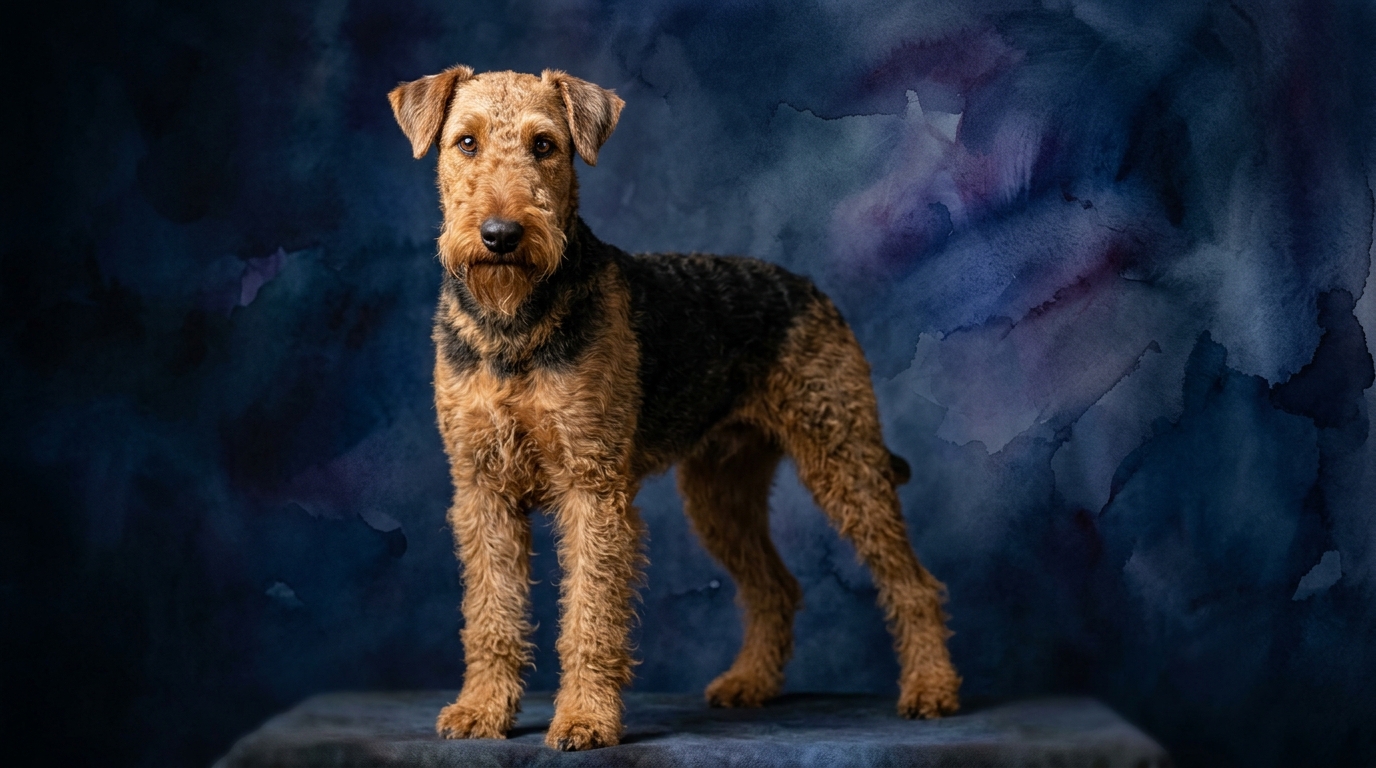
The Airedale Terrier, often called the 'King of Terriers,' exhibits a strong cognitive profile, ranking #29 in a well-known canine intelligence assessment. Their Problem Solving is rated 4/5, indicating a capacity for independent thought and strategic thinking when faced with obstacles. Training Speed also scores 4/5, suggesting a quick grasp of new commands, though their independent streak means consistent engagement is key. Social Intelligence sits at 3/5; they form deep bonds with their family but can be discerning with strangers. Their Instinctive Drive is 3/5, reflecting a heritage of hunting and a readiness to pursue, while Memory, at 4/5, allows them to retain complex sequences and learned behaviors over time.
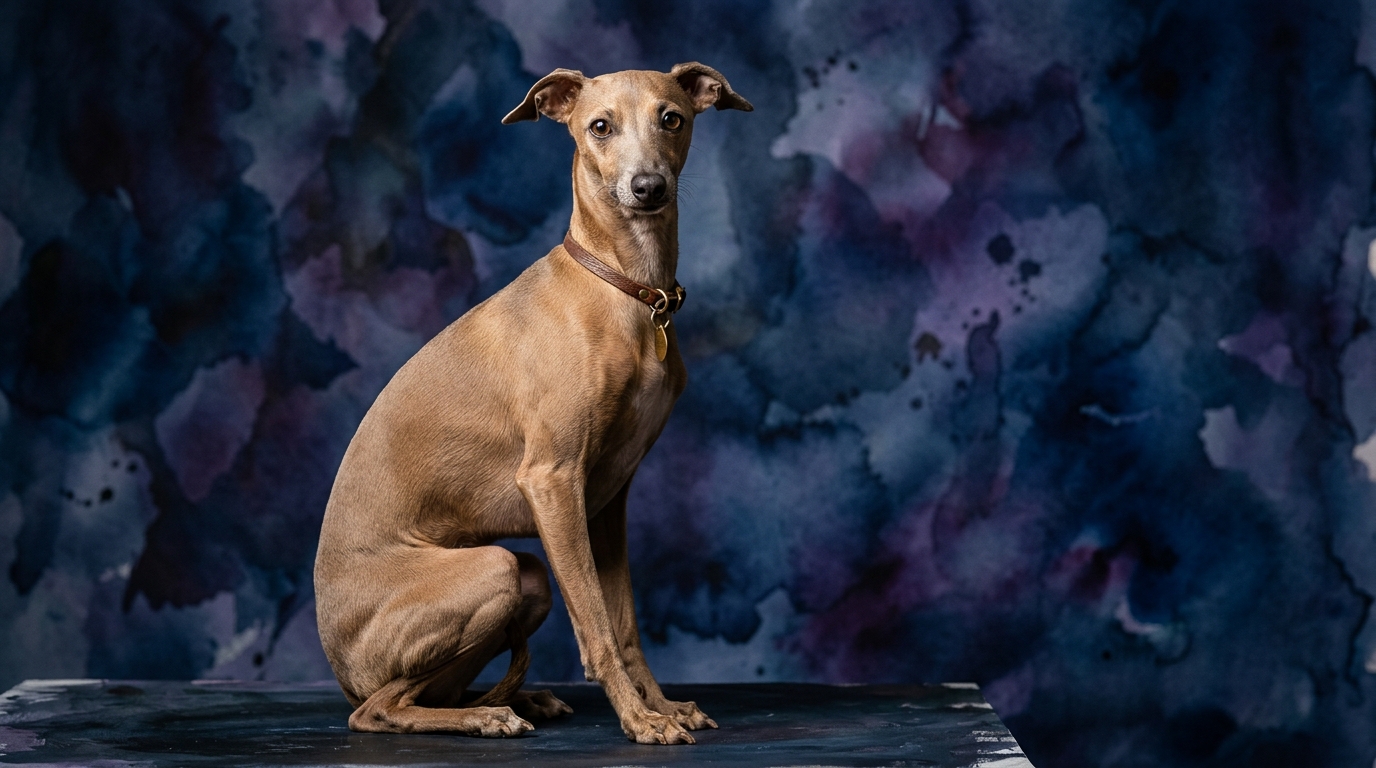
In contrast, the Italian Greyhound, a refined member of the Toy group, presents a different set of cognitive strengths. They are not included in the standard Coren ranking, perhaps due to their specialized role as companions rather than working dogs. Their Problem Solving is rated 3/5; they can navigate challenges but may lack the persistent, methodical approach of a terrier. Training Speed is 3/5, meaning they respond well to gentle, positive reinforcement methods but can be sensitive to harshness. Social Intelligence is 3/5; they are typically affectionate and devoted to their immediate family but can be reserved or shy around new people. Instinctive Drive, also 3/5, primarily manifests as a sighthound's urge to chase moving objects, while Memory at 3/5 indicates a solid ability to recall routines and basic commands, though perhaps less capacity for intricate, multi-step tasks.
Where the Airedale Terrier Excels Cognitively
The Airedale Terrier's cognitive prowess shines in scenarios demanding sustained mental engagement and independent reasoning. Their 4/5 Problem Solving score translates into a dog that can often figure out how to open gates, retrieve hidden toys, or navigate complex agility courses with minimal human intervention once the rules are understood. This breed's robust intellectual curiosity compels them to investigate and manipulate their environment, making them adept at puzzle toys and tasks requiring sequential thought.
Furthermore, their 4/5 Memory and Training Speed allows them to master and retain a wide repertoire of commands and tricks. An Airedale can learn intricate scent discrimination tasks, advanced obedience routines, or even multi-stage obstacle courses, remembering the sequence and required actions over long periods. This combination of learning agility and memory retention makes them particularly suited for owners who enjoy dedicating time to advanced training and mental enrichment activities, valuing a canine partner capable of complex intellectual partnership.
Where the Italian Greyhound Presents Unique Cognitive Strengths
While not scoring as high in traditional 'working' intelligence metrics, the Italian Greyhound possesses distinct cognitive advantages rooted in their sighthound heritage and companion role. Their quick reflexes and keen visual perception, characteristic of a sighthound, enable rapid assessment and reaction to their environment. This translates into a different kind of problem-solving, particularly in situations requiring swift, instinctive responses rather than methodical deliberation, such as quickly navigating a crowded room or gracefully avoiding obstacles during a playful chase.
Their 3/5 Social Intelligence, combined with their inherent sensitivity, often means Italian Greyhounds are incredibly attuned to their owners' moods and subtle cues. This capacity for nuanced emotional perception, though not captured by a generic score, allows for a deep, empathetic bond. They can 'read' their human companions with remarkable accuracy, adjusting their behavior to provide comfort or seek reassurance, demonstrating a sophisticated form of social cognition centered on interpersonal harmony within their trusted circle.
Trainability: A Tale of Two Temperaments
Training an Airedale Terrier typically involves harnessing their eagerness to learn (4/5 Training Speed) while managing their independent, sometimes stubborn, terrier spirit. They grasp commands quickly and enjoy the challenge of learning new things, but their strong will means owners must be consistent, firm, and creative to keep them engaged. Airedales thrive on variety and positive reinforcement, but their inherent drive to explore and act independently can make off-leash reliability a longer-term project without dedicated effort. Their prey drive, a facet of their 3/5 Instinctive Drive, means recall must be meticulously proofed in distracting environments.
The Italian Greyhound, with a 3/5 Training Speed, responds best to gentle, positive reinforcement and patience. Their sensitive nature means they can become withdrawn or resistant if training methods are harsh or inconsistent. While they may not learn complex sequences as rapidly as an Airedale, they are eager to please their beloved family members and excel with clear, calm instruction. Their sighthound instinct (3/5 Instinctive Drive) to chase anything that moves requires careful leash training and secure environments, as their speed can carry them far in an instant if a squirrel or rabbit catches their eye.
Matching Canine Intellect to Owner Lifestyles
For active owners seeking a mentally stimulating partnership, the Airedale Terrier offers an engaging challenge. Their robust problem-solving abilities and strong memory make them ideal for dog sports like agility, obedience, or tracking, which require both physical exertion and significant mental effort. They thrive with owners who can provide consistent training, varied daily activities, and plenty of opportunities to use their inquisitive minds, whether through structured play or exploring new environments. An Airedale needs an owner who appreciates and can channel their independent thinking and boundless energy into constructive outlets.
Conversely, the Italian Greyhound is often a better fit for more relaxed owners who appreciate a devoted, affectionate companion that adapts well to a quieter, indoor-centric lifestyle. While they enjoy bursts of play, their physical needs are generally less demanding than an Airedale's, making them suitable for apartment living or homes with less extensive outdoor space. Owners who value a deep emotional connection and a dog that is highly attuned to their presence will find the Italian Greyhound's unique social intelligence and gentle nature incredibly rewarding, offering companionship that is both serene and deeply personal.
The Verdict
Choose the Airedale Terrier if you desire a mentally robust, independent-thinking companion eager for diverse challenges and advanced training, thriving with active and experienced owners.
Opt for the Italian Greyhound if you seek a gentle, sensitive, and deeply affectionate companion that excels in a calm home environment and values a close emotional bond with their family.
🧠 Find Your Pet's IQ Score
Our Pet IQ Lab assessment covers 25+ tests across 5 cognitive dimensions — personalized to your breed.
Take the Full IQ Test →Frequently Asked Questions
Do Airedale Terriers make good family dogs?
Yes, Airedale Terriers can be excellent family dogs, forming strong bonds with their human family members. Their 3/5 social intelligence means they are discerning but loyal, and they enjoy being involved in family activities, especially if those activities involve mental or physical challenges.
Are Italian Greyhounds difficult to house train?
Italian Greyhounds can sometimes be a bit more challenging to house train due to their small bladders and sensitivity to cold, which might make them reluctant to go outside in inclement weather. Consistent, positive reinforcement and frequent potty breaks are crucial for success with this breed.
Which breed requires more exercise?
The Airedale Terrier generally requires significantly more exercise than the Italian Greyhound. Airedales need daily vigorous activity and mental stimulation to prevent boredom, whereas Italian Greyhounds are content with shorter bursts of play and walks, often enjoying indoor games.