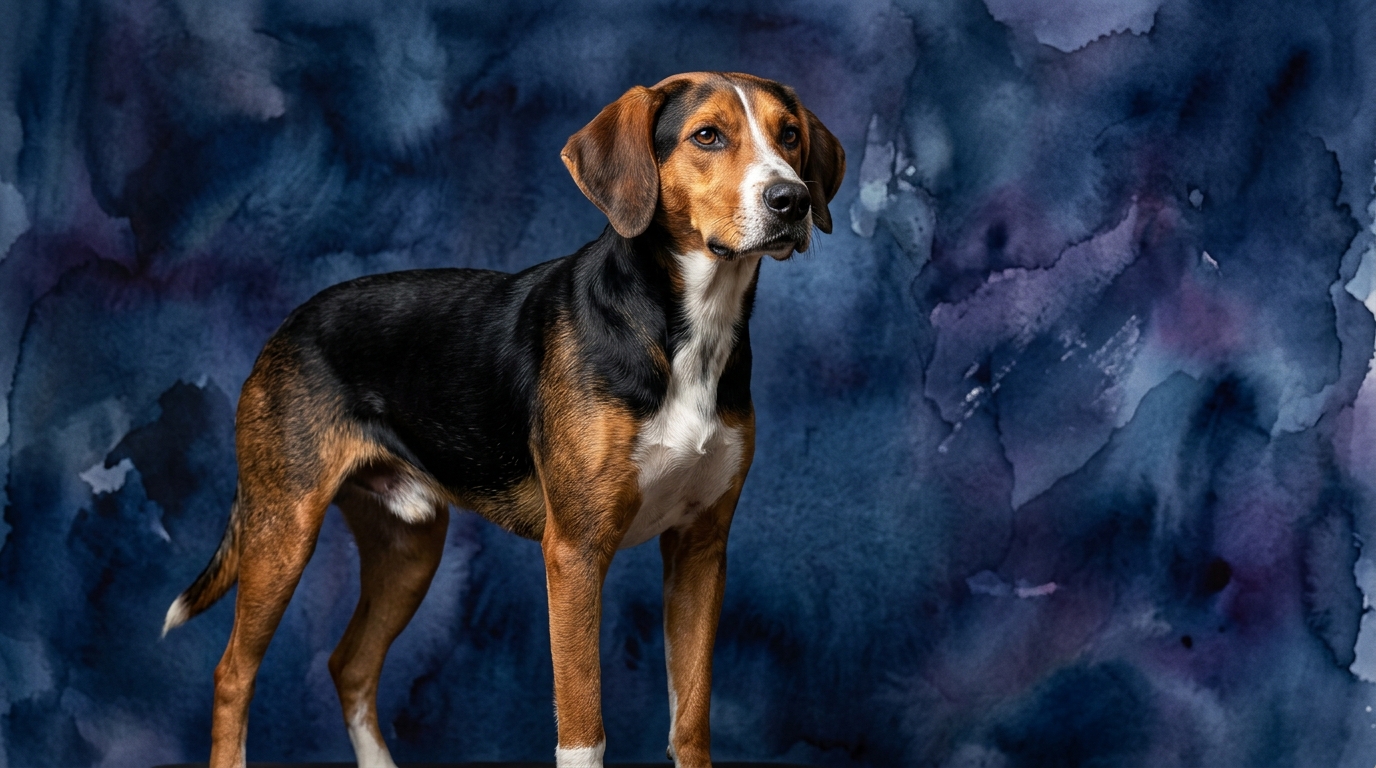
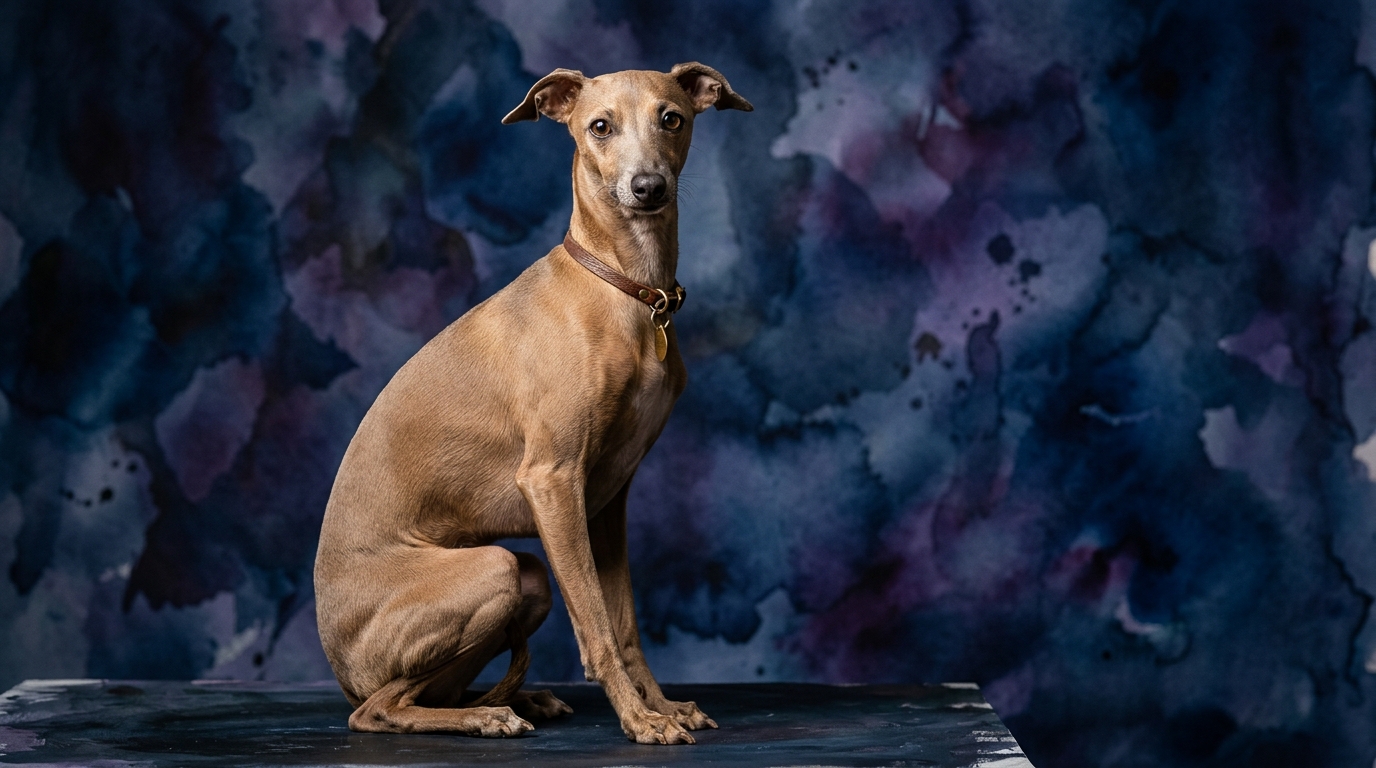
Side-by-Side IQ Profile
For the American Foxhound, a 3/5 in problem-solving translates into a capacity for independent thought, particularly when navigating complex scent trails or figuring out how to overcome obstacles in pursuit of a quarry. Their intelligence in this domain is often focused on sustained, goal-oriented tasks that leverage their powerful nose and endurance, requiring them to make decisions in dynamic outdoor environments. The Italian Greyhound's 3/5 in problem-solving manifests differently, often involving clever strategies for navigating their indoor world, such as finding the warmest sunbeam, manipulating blankets for the perfect nest, or subtly coaxing affection and treats from their human companions. Their problem-solving might be quicker and more focused on immediate comfort or social interaction within a domestic setting.
A 3/5 training speed for the American Foxhound means they are capable learners, but their progress is often shaped by their inherent independence and strong scent drive. They require consistent, engaging methods that can compete with the allure of outdoor smells, often responding best to positive reinforcement and training sessions that feel like a game or a purpose-driven task. For the Italian Greyhound, a 3/5 in training speed indicates they can pick up commands, but their sensitive nature and shorter attention span for repetitive drills can influence their pace. They thrive on gentle, reward-based training and clear, concise communication, often learning quickly when motivated by comfort, praise, or small, high-value treats, but can become easily discouraged by harshness.
The American Foxhound's 3/5 social intelligence is often geared towards understanding pack dynamics and working cooperatively with human handlers in a functional context, even if from a distance. They can read cues from their fellow dogs and human companions during hunts or group activities, demonstrating an awareness of their role within a larger social structure. The Italian Greyhound's 3/5 social intelligence is typically expressed in their acute sensitivity to human emotions and household routines. They are adept at reading their owner's mood, often seeking comfort or offering gentle companionship, and understanding the unspoken rules of their domestic environment to maximize their comfort and connection.
An instinctive drive of 3/5 for the American Foxhound is prominently displayed in their robust prey drive, centered around scent. Their instinct compels them to follow compelling odors, often leading them to focus intently on a trail to the exclusion of other stimuli, a trait honed over generations for hunting. This drive is powerful and requires appropriate outlets. The Italian Greyhound's 3/5 instinctive drive is characterized by their sighthound heritage, leading to quick bursts of speed to chase visually detected movement, often seen as "zoomies" in secure spaces. Beyond this chase instinct, they also possess a strong drive for comfort, warmth, and close physical contact, frequently seeking out soft blankets and their human's lap.
The American Foxhound's 3/5 memory allows them to retain complex scent patterns and recall vast territories, remembering specific trails, landmarks, and the location of past finds over time. This memory is crucial for their work, enabling them to build a mental map of their environment and past experiences. For the Italian Greyhound, a 3/5 memory means they recall routines, the location of favorite toys or resting spots, and past interactions with people or other animals. They remember which behaviors earned them a reward or a cuddle, and which led to a less desirable outcome, shaping their future actions within the home.
Where American Foxhound Wins Cognitively
While both breeds share identical scores, the American Foxhound's cognitive strengths shine in areas demanding sustained focus and independent problem-solving related to their primary purpose. Their 3/5 problem-solving ability, coupled with a 3/5 instinctive drive, means they excel at tasks requiring prolonged engagement with scent work, deciphering complex environmental cues to track a trail, or navigating challenging terrain. This isn't about quick tricks, but about an enduring mental fortitude, where their memory of past scent patterns and learned routes becomes a powerful tool. Their social intelligence, though rated 3/5, is particularly effective in cooperative hunting scenarios, where they must understand subtle cues from handlers and other dogs to achieve a collective goal, even when operating with a degree of autonomy. This makes them adept at working alongside humans in purposeful outdoor activities, demonstrating a specific kind of functional intelligence that is less about obedience for its own sake and more about achieving a shared objective.
Where Italian Greyhound Wins Cognitively
Conversely, the Italian Greyhound's cognitive advantages become apparent in their nuanced adaptation to a domestic and social life. Their 3/5 problem-solving is exceptionally applied to navigating the intricacies of a human household, whether it’s finding the most comfortable spot, subtly communicating their needs for attention or warmth, or cleverly circumventing rules for a desired outcome. This is a form of quick, situational intelligence, often involving keen observation of human behavior. Their 3/5 social intelligence is particularly refined in intimate settings, allowing them to read subtle emotional shifts in their human companions with remarkable accuracy, fostering deep bonds and anticipating needs for comfort or play. Their memory, also a 3/5, is excellent for retaining household routines and the specific preferences of their family members, making them highly attuned and responsive companions within their immediate social circle. This breed excels at a more personal, adaptive form of intelligence, thriving on close interaction and understanding the subtle dynamics of their home.
Which is Easier to Train and Why
Given both breeds score 3/5 in training speed, neither can be universally declared "easier" to train; instead, their training journeys differ significantly due to their inherent temperaments and drives. The American Foxhound's training often presents a challenge due to their strong, independent scent drive. While they are capable of learning, their attention can be easily diverted by compelling odors, making recall a particular hurdle. Training them effectively requires immense patience, creativity, and a willingness to leverage their natural instincts through scent games or engaging, purpose-driven exercises, rather than expecting rote obedience. Their 3/5 training speed is often tested by their instinct to follow a trail rather than a command, demanding an owner who understands hound psychology. The Italian Greyhound, also at 3/5 for training speed, presents different considerations. Their sensitivity means they respond poorly to harsh corrections, becoming easily discouraged or shut down. Their shorter attention span for repetitive drills necessitates brief, fun, and highly rewarding sessions. House-training can be a notable challenge for them, not due to a lack of intelligence, but often due to their small bladders, aversion to cold or wet weather, and a preference for indoor comfort. Therefore, an owner's success with an Italian Greyhound hinges on gentle, consistent positive reinforcement and understanding their delicate nature and desire for warmth, rather than sheer cognitive capacity alone. Ultimately, 'easier' is subjective, depending on the owner's experience and approach to managing each breed's unique motivations and sensitivities.
Which Suits Active Owners vs. Relaxed Owners
The choice between an American Foxhound and an Italian Greyhound heavily depends on an owner’s lifestyle, reflecting how each breed channels its 3/5 instinctive drive and physical needs. For active owners who thrive on outdoor adventure, long hikes, and engaging in robust physical activities, the American Foxhound is an ideal match. Their boundless energy and powerful prey drive (3/5) demand extensive exercise, including daily long walks, runs, or opportunities for scent work in a securely fenced area. They are happiest when they have a job to do or a trail to follow, making them excellent companions for those who spend significant time outdoors and can provide structured outlets for their considerable stamina and exploratory nature. Conversely, for relaxed owners seeking a devoted indoor companion, the Italian Greyhound offers a perfect fit. While they enjoy short bursts of intense running or 'zoomies' in a safe space, their primary need is for comfort and close human companionship. Their 3/5 instinctive drive, when not expressed as a quick chase, often translates into a desire for warmth, soft beds, and abundant cuddle time. They are content with moderate daily walks and thrive in environments where they can be part of the family's indoor life, making them suitable for apartment living or homes with less emphasis on strenuous outdoor activity, provided they receive mental engagement and affection.
The Verdict
Choose the American Foxhound if you are an active individual or family who enjoys extensive outdoor activities, values a dog with independent problem-solving skills for scent work, and can provide ample opportunities for physical and mental stimulation.
Opt for the Italian Greyhound if you seek a sensitive, devoted indoor companion who thrives on close human interaction, appreciates comfort, and can offer a gentle, consistent approach to training and socialization.
🧠 Find Your Pet's IQ Score
Our Pet IQ Lab assessment covers 25+ tests across 5 cognitive dimensions — personalized to your breed.
Take the Full IQ Test →Frequently Asked Questions
Do identical IQ scores mean American Foxhounds and Italian Greyhounds behave identically?
No, identical IQ scores indicate a similar cognitive capacity but how that intelligence manifests varies greatly. Their distinct breed histories, physical attributes, and inherent drives mean they apply their problem-solving, social understanding, and memory in very different behavioral patterns.
Is an American Foxhound suitable for apartment living?
An American Foxhound can be challenging in an apartment. Their high energy levels and strong instinctive drive (3/5) necessitate extensive daily exercise and mental engagement, ideally in a large, securely fenced yard or through frequent, long outdoor excursions.
Are Italian Greyhounds difficult to house-train?
House-training an Italian Greyhound can be challenging for some owners. This is often due to their small bladders, sensitivity to cold or wet weather, and a preference for indoor comfort, rather than a lack of cognitive ability. Consistent, positive reinforcement and frequent potty breaks are crucial for success.