A Side-by-Side Cognitive Profile
At first glance, the cognitive profiles of the American Shorthair and the Bombay cat appear strikingly similar, with both breeds registering a consistent 3 out of 5 across all five evaluated dimensions: Problem Solving, Training Speed, Social Intelligence, Instinctive Drive, and Memory. This uniform score indicates that both breeds possess a robust and competent level of cognitive function, allowing them to navigate their environments, learn from experiences, and interact effectively with their human companions. A 3/5 rating suggests a balanced intellect, capable of handling typical domestic challenges without exceptional difficulty or requiring specialized cognitive stimulation to thrive.
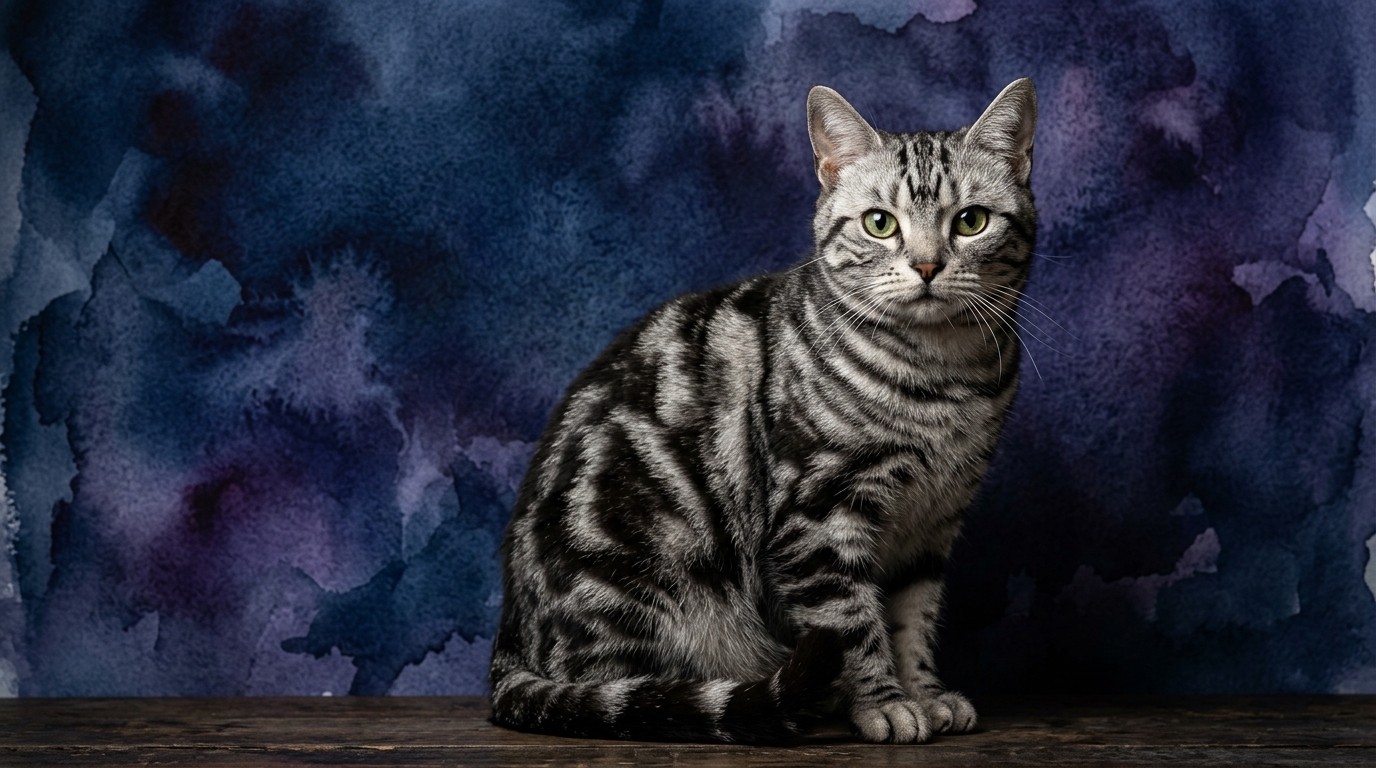
For the American Shorthair, this 3/5 profile speaks to a well-rounded and adaptable mind. Their problem-solving typically involves practical applications, like figuring out how to access a favorite high perch or manipulate a puzzle toy to retrieve a treat, demonstrating a steady application of logic to their immediate surroundings. Their training speed reflects a willingness to learn routines and respond to consistent cues, making them reliable participants in household rhythms. Social intelligence enables them to integrate smoothly into family dynamics, reading human moods and adapting their interactions accordingly. Their instinctive drive is present but balanced, suitable for domestic life, while their memory reliably holds onto important routines, preferred people, and spatial layouts.
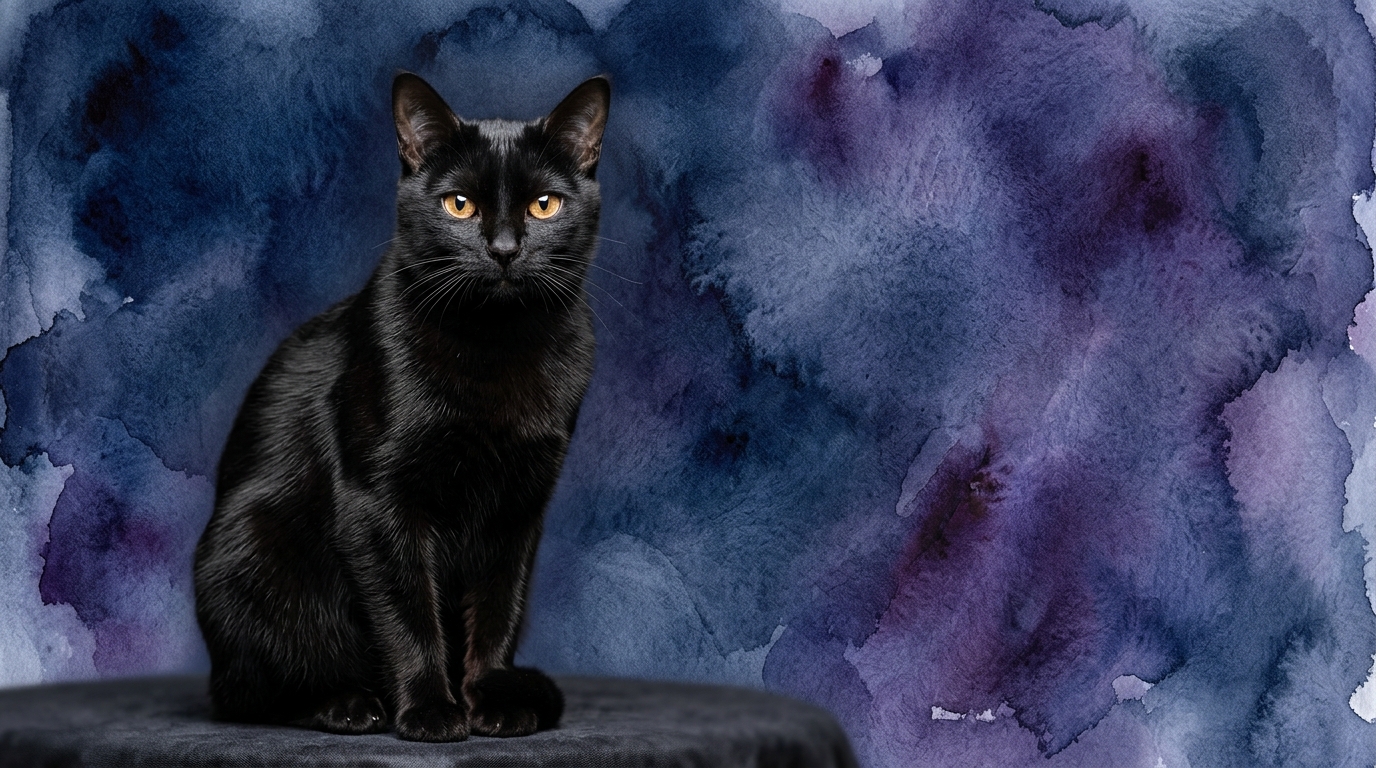
The Bombay cat, with its identical 3/5 scores, expresses these cognitive traits with a distinct flair, often influenced by its characteristically people-oriented nature. Their problem-solving might frequently be directed towards engaging their human companions, such as devising strategies to solicit attention or initiate play, showcasing a highly social application of their cognitive skills. The training speed of a Bombay often benefits from their eagerness to please and participate in human activities, making learning a shared endeavor. Their social intelligence is evident in their strong attachments and communicative behaviors, often seeking deep interaction. Instinctive drive is frequently channeled into interactive games, like retrieving, while their memory is particularly sharp for beloved individuals and established play patterns.
Understanding these subtle differences in manifestation, even when the underlying cognitive capacity is rated equally, is key to appreciating the unique mental landscapes of these two fascinating breeds. The quantitative scores provide a baseline, but the qualitative expression of that intelligence paints a far richer picture for prospective owners.
Cognitive Strengths: The American Shorthair's Approach
While both breeds exhibit solid cognitive abilities, the American Shorthair often demonstrates a particular strength in independent and practical problem-solving within its environment. Their 3/5 in problem-solving manifests as a pragmatic ability to assess situations and find logical solutions for their own comfort and satisfaction. This might involve carefully observing how a door latch works, then methodically experimenting to open it, or figuring out the most efficient route to a sunny window. They tend to rely on their own observational skills and internal reasoning to navigate physical challenges, often without needing direct human intervention or encouragement.
Furthermore, their balanced social intelligence and memory contribute to a self-sufficient cognitive style. An American Shorthair remembers household rules and boundaries consistently, and their social acuity allows them to coexist harmoniously, understanding when to seek interaction and when to enjoy quiet solitude. This blend of practical intellect and adaptive social understanding allows them to thrive in varied household settings, making them adept at managing their own well-being and entertainment with a steady, thoughtful demeanor.
Cognitive Strengths: The Bombay's Approach
The Bombay cat, while equally capable with a 3/5 in all cognitive dimensions, often channels its intellect through a distinctly human-centric lens. Their problem-solving, though rated identically, frequently involves strategies to engage or manipulate their human companions for attention, play, or comfort. This could manifest as cleverly nudging a favorite toy towards you, using specific vocalizations to request interaction, or finding creative ways to join you in whatever activity you're undertaking. Their cognitive drive is often expressed through an intense focus on their people, making them exceptionally attuned to human behavior and desires.
Their social intelligence, also a 3/5, shines in their capacity for deep bonding and communicative interaction. Bombay cats often seem to anticipate their owners' moods and respond with empathetic presence, leveraging their memory to recall past positive interactions and reinforce those bonds. This highly interactive cognitive style means they excel in environments where their intelligence can be applied to collaborative activities and constant engagement with their human family, demonstrating a profound understanding of social cues and relationships.
Ease of Training: A Question of Motivation
Both the American Shorthair and the Bombay cat share a 3/5 rating for Training Speed, indicating that neither breed is inherently difficult to train, nor are they exceptionally rapid learners compared to other breeds. However, the *approach* to training and the *types* of training they excel at can differ due to their underlying behavioral tendencies. American Shorthairs are generally trainable through consistent positive reinforcement, particularly when rewards are tangible, like treats or access to desired resources. They learn routines and commands steadily, responding well to a calm, predictable training environment. Their independence means they might not be driven by a strong desire to 'please' but rather by the perceived benefit or established habit.
Bombay cats, conversely, often appear to be more enthusiastic participants in training sessions, even with the same 3/5 training speed. This is largely due to their high social intelligence and strong bond with their owners. Their desire for interaction and attention can serve as a powerful motivator, making them keen to engage in activities that involve their human companions. They may respond exceptionally well to training that is framed as a shared game or interaction, and their memory for specific play patterns can make them adept at learning tricks, retrieving, or even walking on a leash, provided the training is positive, engaging, and reinforces their social connection.
Matching Cognitive Style to Lifestyle: Active vs. Relaxed Owners
When considering which breed aligns with an active versus a more relaxed owner, the subtle differences in how their 3/5 cognitive profiles manifest become significant. For active owners who enjoy engaging with their pets in interactive ways, the Bombay cat often proves to be an ideal companion. Their social intelligence and problem-solving skills are frequently directed towards human interaction, making them eager participants in play sessions, trick training, and even adventures like leash walking. Their desire for deep connection means they thrive on consistent engagement and will actively seek out opportunities to participate in their owner's life, channeling their instinctive drive into collaborative activities.
Conversely, owners seeking a companion that offers steady affection without constant demands for interaction may find the American Shorthair a more fitting choice. Their balanced instinctive drive and adaptable social intelligence allow them to be content companions who appreciate interaction but are equally comfortable entertaining themselves or simply relaxing nearby. Their pragmatic problem-solving and reliable memory ensure they can navigate their home environment with ease and predictability, making them excellent companions for those who appreciate a self-sufficient feline presence that integrates smoothly into a calmer, more independent household rhythm.
The Verdict
Choose an American Shorthair if you seek a self-sufficient, adaptable companion who integrates smoothly into diverse home environments, offering steady affection without constant demands for engagement.
Opt for a Bombay if you desire a highly interactive, 'dog-like' feline partner eager to participate in play, learn tricks, and form a deep, communicative bond with their human, thriving on shared activities.
🧠 Find Your Pet's IQ Score
Our Pet IQ Lab assessment covers 25+ tests across 5 cognitive dimensions — personalized to your breed.
Take the Full IQ Test →Frequently Asked Questions
Are American Shorthairs good with children?
American Shorthairs typically possess a calm and tolerant demeanor, making them generally good companions for families with children. Their balanced social intelligence allows them to adapt well to the energy of a busy household, often enjoying supervised play and quiet companionship, provided children respect their space.
Do Bombay cats vocalize much?
Bombay cats are known for having a distinctive, often quiet, purr and a variety of chirps and trills rather than loud meows. Their social intelligence often leads them to communicate their needs and desires through these subtle vocalizations and body language, making them generally not overly noisy but very expressive in their own way.
How do their instinctive drives differ in a home environment?
While both score 3/5, the American Shorthair's instinctive drive often manifests as a balanced interest in exploring and hunting, suitable for independent play with toys or occasional outdoor adventures. The Bombay, with its strong bond to humans, might channel more of its instinctive drive into interactive play with toys or even retrieving, making it a keen participant in human-led games and often preferring to 'hunt' alongside their person.