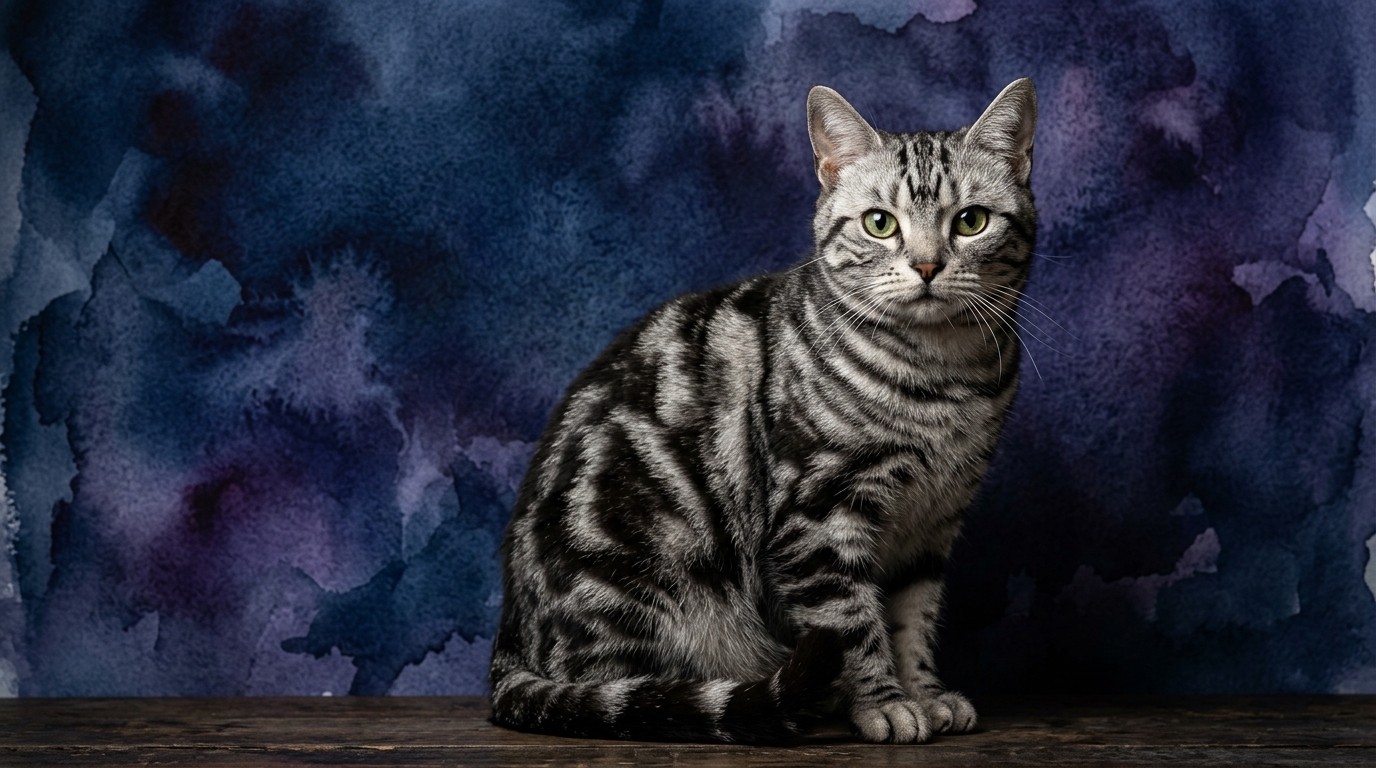
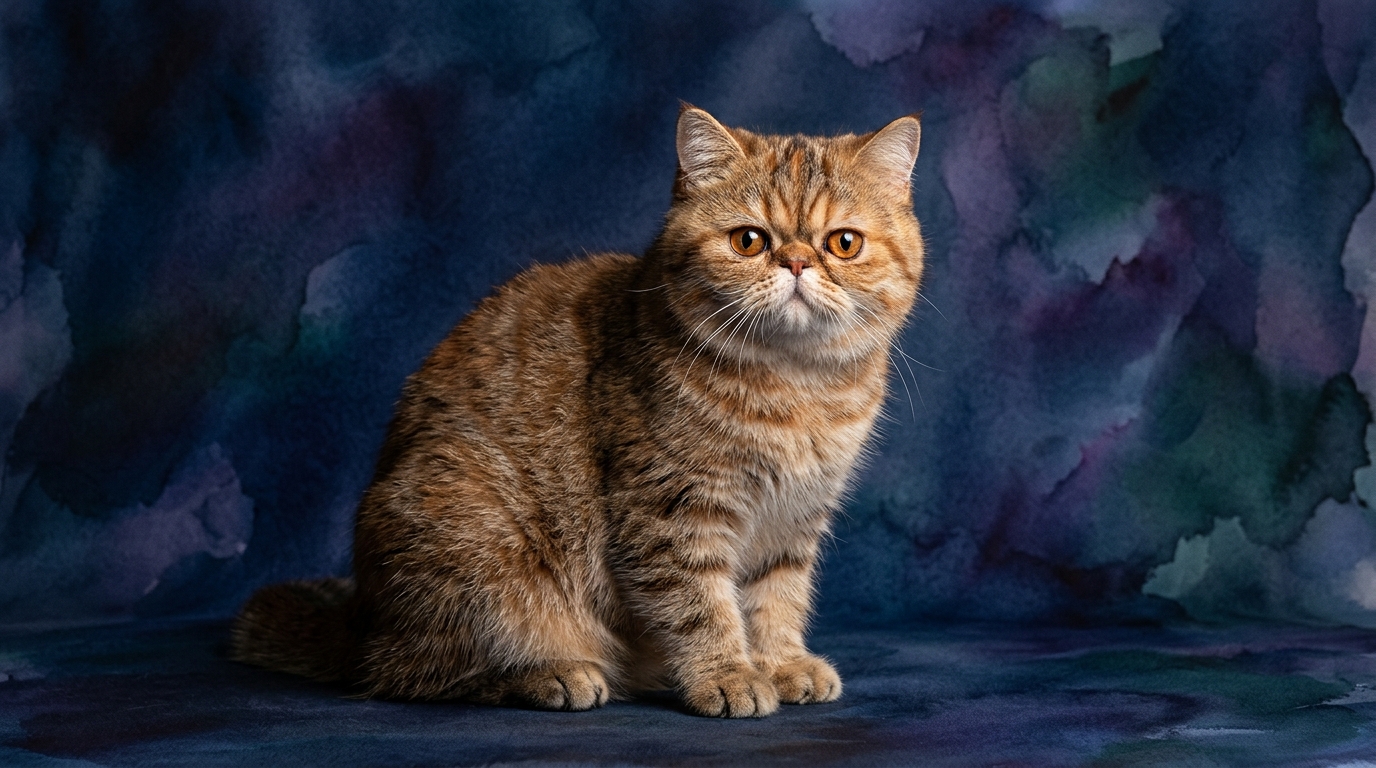
Side-by-Side IQ Profile: American Shorthair vs. Exotic Shorthair
The Cosmic Pet Pet IQ Lab employs a comprehensive framework to assess feline intelligence, evaluating five critical dimensions. For both the American Shorthair and the Exotic Shorthair, our assessments yield a consistent score of 3 out of 5 across the board, indicating a solid, adaptable level of cognitive function. This consistent scoring suggests a baseline competence rather than a deficiency or exceptionality in any single area, providing a foundation for understanding their practical intelligence.
Problem Solving (3/5): Both breeds demonstrate a moderate capacity for navigating challenges. An American Shorthair might exhibit this by devising strategies to access a favorite high perch or figuring out how to open a treat-dispensing toy. The Exotic Shorthair, while equally capable, might apply its problem-solving skills to finding the most comfortable napping spot or gently manipulating a human for attention. Their approaches differ in motivation, with the American Shorthair often driven by curiosity and physical engagement, and the Exotic Shorthair by comfort and social reward.
Training Speed (3/5): A score of 3/5 indicates that both breeds are receptive to learning and can pick up new commands or routines with consistent, positive reinforcement. The American Shorthair’s moderate energy and interest in interaction make them responsive to clicker training for simple tricks or coming when called. The Exotic Shorthair, known for its placid and agreeable nature, can also be trained effectively, particularly when training reinforces their desire for companionship and routine.
Social Intelligence (3/5): This score reflects a good understanding of social cues and bonding capabilities. American Shorthairs are generally friendly and adaptable, forming strong bonds with humans and other pets, reading moods and adjusting interactions. Exotic Shorthairs excel in forming deep, affectionate bonds, often displaying heightened sensitivity to their owner's emotional state and seeking comfort or offering quiet companionship.
Instinctive Drive (3/5): Both breeds possess a moderate level of natural feline instincts. The American Shorthair retains a significant hunting drive, manifesting in playful pouncing, chasing toys, and keen environmental exploration. This drive is well-balanced, allowing them to be content indoor pets. The Exotic Shorthair, while sharing these instincts, tends to express them with less intensity; their drive is satisfied with less vigorous play, and exploration is more focused on indoor comfort, reflecting a more relaxed approach.
Memory (3/5): A 3/5 in memory suggests that both breeds have a solid ability to recall important routines, locations, and experiences. An American Shorthair will remember favorite toy locations, meal schedules, and sounds preceding activities. Similarly, an Exotic Shorthair will quickly learn and anticipate daily routines, remember which family member is most likely to offer a lap, and recall preferred napping spots, demonstrating reliable recall for relevant events.
Where the American Shorthair Wins Cognitively
Despite identical numerical scores, the American Shorthair often edges out its Exotic counterpart in the application of its cognitive skills, particularly in dynamic environments. Their innate curiosity and more robust physical build contribute to a greater willingness to engage with complex puzzle toys or explore new territories, demanding more active problem-solving. An American Shorthair might demonstrate superior spatial reasoning by consistently finding novel ways to access high shelves or navigate intricate obstacle courses designed for enrichment. Their problem-solving isn't just about achieving comfort; it's often about satisfying an active investigative urge, making them more persistent in tasks requiring manipulation and exploration.
Where the Exotic Shorthair Wins Cognitively
The Exotic Shorthair's cognitive strengths often manifest in areas requiring subtlety, emotional attunement, and a deep understanding of routine. While their problem-solving might be less about physical exploration, they excel in "people-problem solving," demonstrating a nuanced social intelligence. An Exotic Shorthair might quickly learn to differentiate between a gentle request and a firm "no," or understand the specific body language that signals an impending cuddle session. Their memory for routines is exceptional, often anticipating meal times or the return of their favorite human with uncanny accuracy, displaying a strong grasp of temporal sequences and associated rewards.
Which is Easier to Train and Why
Both breeds score a 3/5 in Training Speed, indicating a moderate capacity for learning, but their training approaches differ due to their inherent temperaments. The American Shorthair, with its curious and moderately active nature, often responds well to training that incorporates play and mental stimulation. They are typically eager to engage in interactive sessions, making them relatively easy to teach tricks or leash training if fun and rewarding. Their independence means consistency is key, but their general willingness to participate makes training a cooperative effort. The Exotic Shorthair, conversely, is often considered easier to train for household manners and routines due to its calm, agreeable, and people-oriented disposition. They thrive on routine and positive reinforcement, quickly learning behaviors leading to affection or treats. Their less intense instinctive drive and lower energy levels mean they are less likely to be distracted, allowing better focus during short, gentle sessions. They are highly motivated by human companionship and approval, making them very compliant.
Which Suits Active Owners vs. Relaxed Owners
The choice between these two breeds often hinges on an owner's lifestyle and their preference for feline interaction.
American Shorthair for Active Owners: The American Shorthair is an excellent fit for owners who appreciate a cat with balanced energy and a penchant for engagement. Their moderate instinctive drive and curiosity mean they thrive on interactive play sessions, puzzle toys, and exploration opportunities, even indoors. Owners who enjoy teaching tricks, providing varied environmental enrichment, or even leash training will find the American Shorthair a willing and capable companion. They are adaptable and enjoy participating in family life, suitable for active households.
Exotic Shorthair for Relaxed Owners: The Exotic Shorthair is ideally suited for owners seeking a calm, affectionate, and low-maintenance companion. Their placid temperament and lower energy levels mean they are perfectly content with long naps, gentle play, and extensive cuddle sessions. They are not demanding of constant stimulation but deeply appreciate consistent affection and a predictable routine. Owners who prefer quiet evenings, a lap cat, or simply a gentle presence will find the Exotic Shorthair a perfect match. Their easygoing nature makes them wonderful companions for a serene feline presence.
The Verdict
Opt for an American Shorthair if you desire a moderately active, curious cat who enjoys interactive play and exploring its environment, thriving on mental and physical engagement.
Select an Exotic Shorthair if you prefer a calm, affectionate, and easygoing companion that excels in quiet companionship and predictable routines, deeply valuing gentle interaction.
🧠 Find Your Pet's IQ Score
Our Pet IQ Lab assessment covers 25+ tests across 5 cognitive dimensions — personalized to your breed.
Take the Full IQ Test →Frequently Asked Questions
Do American Shorthairs need more mental stimulation than Exotic Shorthairs?
Yes, generally. While both are moderately intelligent, the American Shorthair's higher curiosity and instinctive drive mean they benefit more from varied puzzle toys, active play sessions, and opportunities to explore, compared to the more placid Exotic Shorthair.
Are Exotic Shorthairs less playful than American Shorthairs?
Exotic Shorthairs are typically less intensely playful than American Shorthairs, preferring shorter, gentler play sessions, often centered around toys that don't require extensive chasing or pouncing. American Shorthairs generally enjoy more vigorous and prolonged interactive play.
How do their social interaction styles differ based on their intelligence profiles?
American Shorthairs exhibit social intelligence through adaptable, friendly interactions, often initiating play or seeking attention dynamically. Exotic Shorthairs, while equally socially intelligent, tend to display it through deep, quiet affection, attuned sensitivity to human moods, and a preference for lap-sitting or gentle companionship.