Side-by-Side IQ Profile
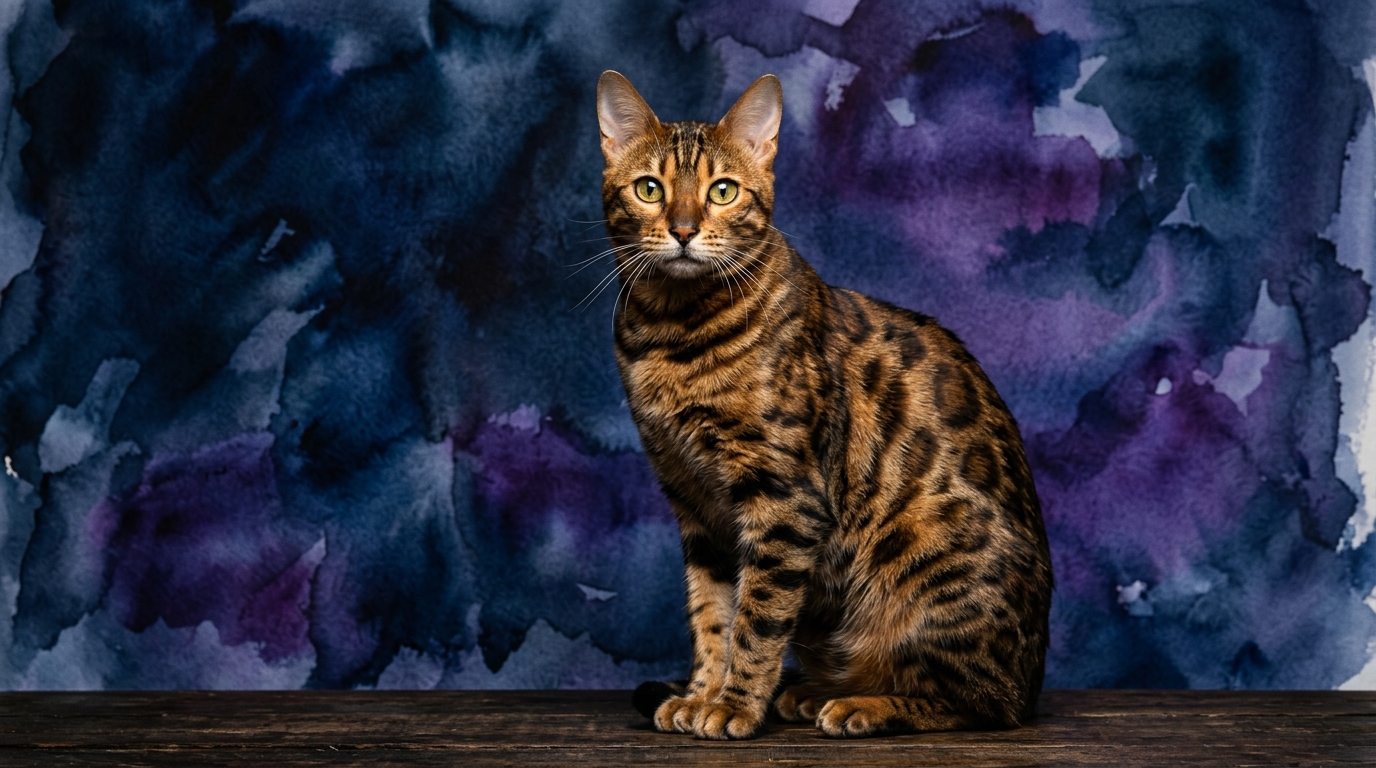
The Cosmic Pet Pet IQ Lab provides a detailed lens through which to examine the cognitive landscapes of these two distinct feline breeds. The Bengal, a breed often described as having a vibrant and engaged mind, scores exceptionally across several key metrics. Its problem-solving ability stands at a formidable 5/5, indicating a cat that actively seeks solutions to environmental puzzles and readily figures out how things work. Training speed for Bengals is rated at 4/5, suggesting a quick grasp of new commands and routines. Social intelligence also sits at 4/5, reflecting their capacity for complex interactions and forming strong bonds with their human companions. Their instinctive drive, a powerful 5/5, highlights a robust predatory instinct and a deep engagement with their surroundings, often expressed through hunting simulations or exploratory behaviors. Finally, memory at 5/5 means Bengals possess an exceptional recall for learned behaviors, routes, and individuals.
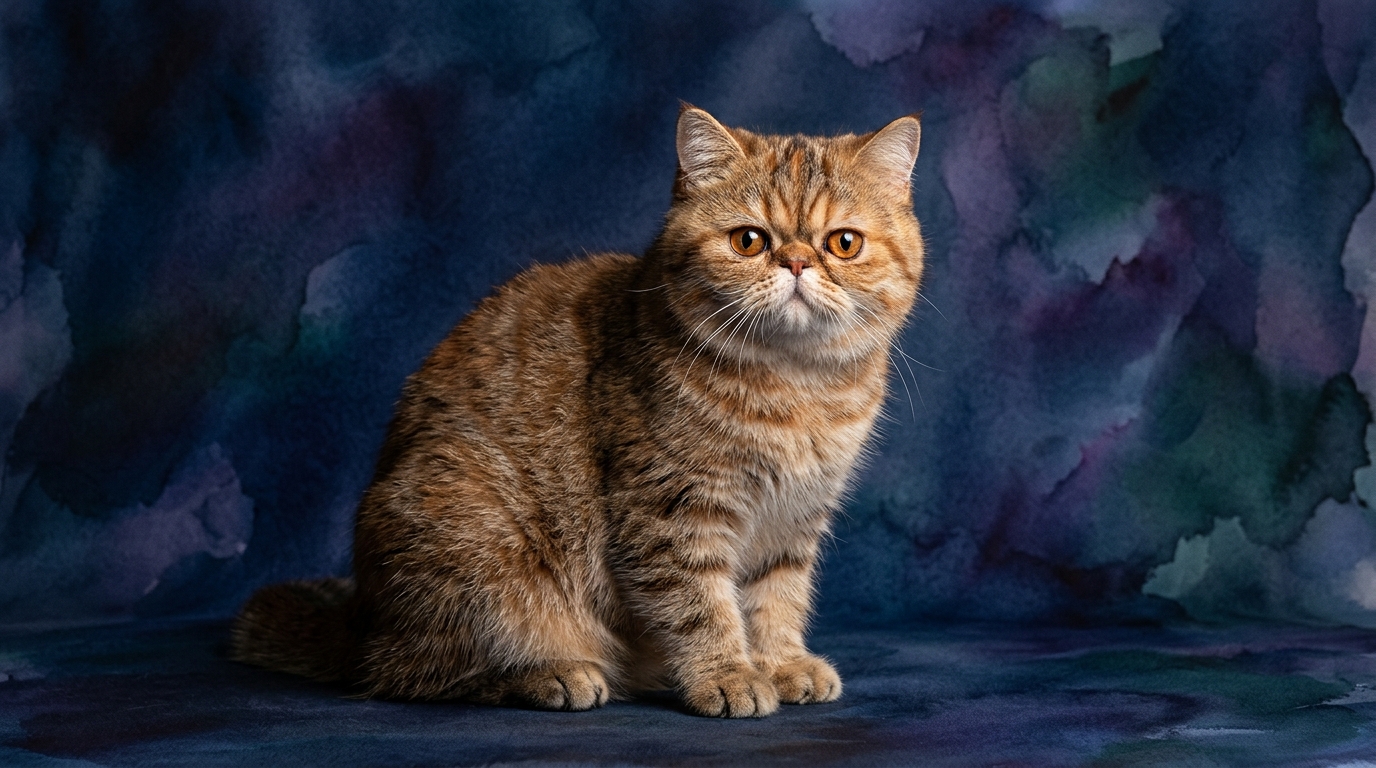
In contrast, the Exotic Shorthair presents a cognitive profile geared towards a more relaxed and observational lifestyle. Their problem-solving ability is measured at 3/5, indicating they can navigate their environment and solve common issues but may not actively seek out complex mental challenges. Training speed is a steady 3/5, meaning they can learn, but typically require more patience and repetition than their more driven counterparts. Social intelligence also scores 3/5, suggesting they appreciate companionship and affection but are generally less demanding of constant interaction. Their instinctive drive is a moderate 3/5, implying a reduced urgency for active hunting or intense exploration, making them well-suited for indoor living. Memory, at 3/5, allows them to remember routines and people reliably, but perhaps without the intricate detail or long-term recall seen in breeds with higher scores.
Where Bengal Wins Cognitively
The Bengal cat demonstrates a clear cognitive advantage in areas demanding active mental engagement and physical dexterity. Their 5/5 problem-solving score means a Bengal is likely to systematically investigate and overcome obstacles, whether it's figuring out how to open a cabinet door, operate a water faucet, or retrieve a toy from a complex hiding spot. This drive to understand and manipulate their environment is a hallmark of their mental makeup. Paired with a 5/5 memory, Bengals can recall intricate sequences of actions or solutions to puzzles, learning from past experiences and applying that knowledge effectively. Owners often observe them remembering specific reward locations or the precise steps to access a forbidden area over extended periods. Their 5/5 instinctive drive further channels this mental energy; rather than just being curious, they possess an inherent, strong motivation to explore, stalk, and interact with their surroundings, which, when properly stimulated, translates into focused, goal-oriented cognitive activity. This combination means they excel at tasks requiring sustained mental effort and physical coordination, making them adept at learning complex tricks like fetching specific items or navigating agility courses.
Where Exotic Shorthair Wins Cognitively
While the Exotic Shorthair's cognitive scores are generally more moderate, their profile offers distinct advantages for owners seeking a different type of feline companionship. Their 3/5 instinctive drive, for instance, means they are typically less compelled to engage in intense predatory behaviors that can sometimes lead to household mischief, such as scaling curtains or relentlessly hunting small objects. This reduced drive translates into a calmer presence, where their mental energy is less focused on high-octane exploration and more on observing and enjoying their immediate, comfortable surroundings. Their 3/5 social intelligence, while not as outwardly demonstrative as a Bengal's, means they are content with a more understated form of companionship, providing affection without constant demands for interaction. This allows them to thrive in quieter environments, where their cognitive processing is less about active problem-solving and more about maintaining a predictable, harmonious existence. Their moderate problem-solving and memory scores (both 3/5) mean they are perfectly capable of navigating their home, learning routines, and recognizing family members, but without the restless curiosity that might lead to them dismantling household items or seeking out constant mental stimulation. This cognitive makeup allows them to be exceptionally low-stress companions, perfectly suited for a peaceful home life.
Which Is Easier to Train and Why
When it comes to trainability, the Bengal clearly holds an edge, primarily due to its higher training speed (4/5) and exceptional problem-solving (5/5) and memory (5/5) capabilities. Bengals typically pick up new commands, tricks, and routines with remarkable swiftness, often requiring fewer repetitions to solidify a new behavior. Their innate curiosity and strong instinctive drive (5/5) can be effectively channeled into training sessions, making them highly motivated learners. For example, a Bengal might quickly learn to walk on a leash, play fetch with specific toys, or even perform complex sequences of actions, driven by their desire for engagement and mental challenge. Their ability to remember these lessons over time ensures that once a behavior is learned, it tends to stick.
The Exotic Shorthair, with its 3/5 training speed, 3/5 problem-solving, and 3/5 memory, is certainly trainable, but the process typically requires more patience and a different approach. They are less likely to be intrinsically motivated by complex tasks or the sheer novelty of learning. Instead, training an Exotic Shorthair often relies on consistent positive reinforcement, short sessions, and clear, simple commands. They may learn to use a litter box perfectly, come when called for treats, or tolerate harness training, but they are less inclined to embrace advanced trick training or agility work. Their cognitive profile suggests they prefer comfort and routine over intense mental exertion, meaning owners need to be realistic about training expectations and celebrate smaller, consistent successes. A Bengal might learn to open a specific cupboard after a few demonstrations; an Exotic Shorthair is more likely to wait patiently for you to do it.
Which Suits Active Owners vs. Relaxed Owners
The cognitive profiles of these two breeds distinctly align with different owner lifestyles. Active owners, who enjoy engaging in interactive play, mental challenges, and potentially outdoor adventures with their pets, will find a stimulating match in the Bengal. The Bengal’s high instinctive drive (5/5) means they require significant outlets for their energy and curiosity, thriving on puzzle toys, regular play sessions, and opportunities to explore safely. Their 5/5 problem-solving and 4/5 social intelligence mean they actively seek interaction and mental stimulation, making them ideal companions for those who want a feline partner in their daily activities, whether it's supervised outdoor walks or learning new tricks. Their minds are constantly seeking engagement, and an owner who can provide this will foster a content and well-adjusted Bengal.
Conversely, relaxed owners, who prefer a more tranquil home environment and a companion content with quiet affection and predictable routines, will find the Exotic Shorthair a perfect fit. With moderate scores across all cognitive dimensions (3/5 for problem-solving, training speed, social intelligence, instinctive drive, and memory), the Exotic Shorthair is not driven by an intense need for constant mental or physical stimulation. They are happy to observe the household from a comfortable perch, enjoy gentle petting sessions, and appreciate a calm, stable routine. Their cognitive makeup means they are less prone to destructive behaviors born from boredom and are generally content with a less demanding level of interaction. For owners who value serenity and a low-maintenance emotional connection, the Exotic Shorthair offers a calming presence that complements a relaxed pace of life.
The Verdict
Opt for a Bengal if you seek a feline companion that thrives on mental challenges, enjoys interactive play sessions, and will actively participate in your daily routines, requiring consistent engagement.
Select an Exotic Shorthair if your lifestyle aligns with a more placid pet, one content with serene companionship, comfortable routines, and a less demanding approach to daily mental stimulation.
🧠 Find Your Pet's IQ Score
Our Pet IQ Lab assessment covers 25+ tests across 5 cognitive dimensions — personalized to your breed.
Take the Full IQ Test →Frequently Asked Questions
Are Bengals good family pets?
Their social intelligence and active nature make them suitable for families who can provide consistent interaction and engagement, though their high energy requires supervision with very young children.
Do Exotic Shorthairs need a lot of grooming?
While their short, dense coat is less demanding than a Persian's, regular brushing is still necessary to manage shedding and prevent matting, ensuring their comfort and coat health.
Can Exotic Shorthairs learn tricks?
Yes, with patience and positive reinforcement, Exotic Shorthairs can learn basic commands and simple tricks, though their training speed is more moderate compared to more driven breeds.