Side-by-Side IQ Profile: Unpacking Identical Scores
At first glance, The Cosmic Pet Pet IQ Lab data presents both the American Shorthair and the Pixiebob with identical scores across all five cognitive dimensions: Problem Solving (3/5), Training Speed (3/5), Social Intelligence (3/5), Instinctive Drive (3/5), and Memory (3/5). While these scores suggest a similar overall capacity, the *manner* in which each breed expresses these traits is where the true comparison lies. It’s less about who is 'smarter' and more about how their inherent temperaments shape their cognitive engagement.
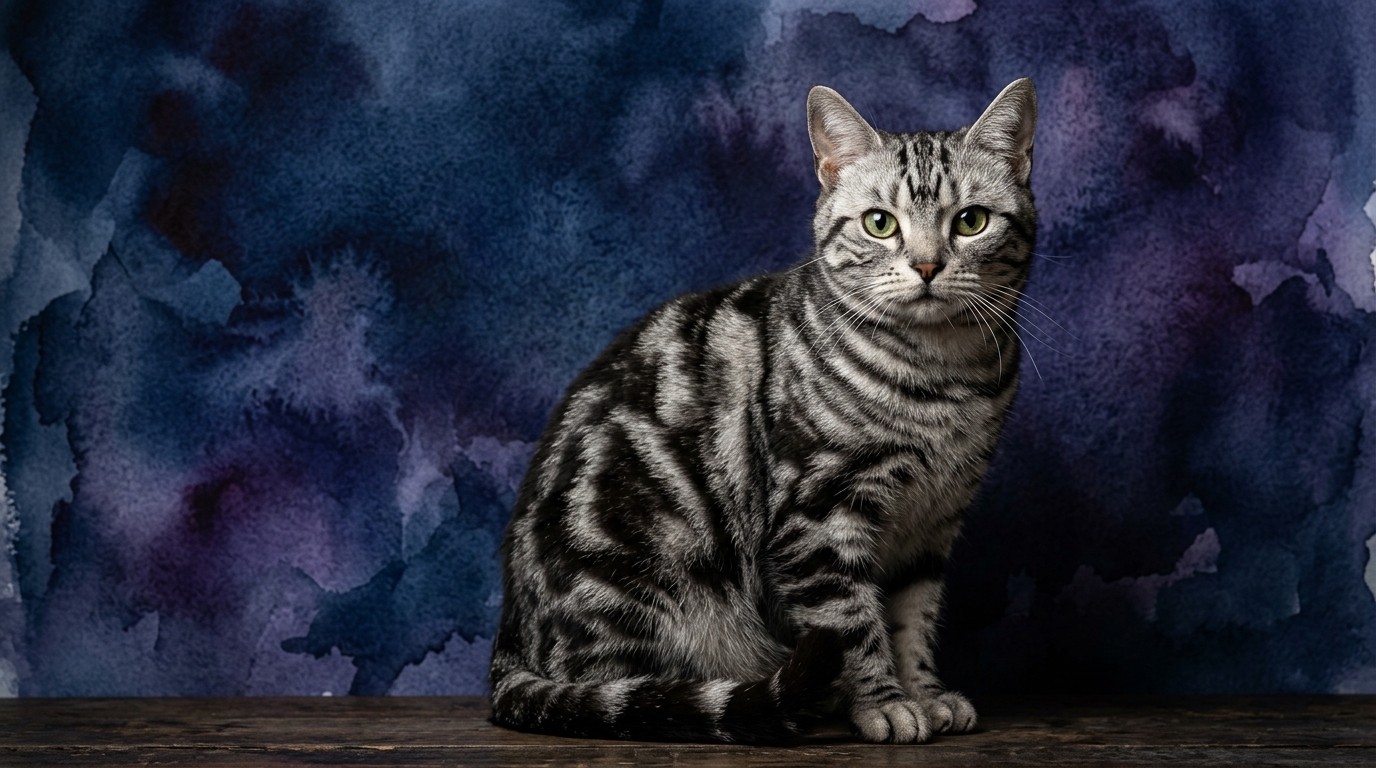
For the American Shorthair, a Problem Solving score of 3/5 often manifests as a thoughtful, observational approach. They might quietly study a situation, like a partially closed door or a treat dispenser, before attempting a solution, often relying on learned patterns or subtle manipulations. Their Training Speed at 3/5 indicates they learn routines and basic commands effectively, especially when clear expectations are set, becoming reliable companions without necessarily seeking complex tricks. Their Social Intelligence, also 3/5, allows them to understand household dynamics and human moods, offering comfort or companionship on their own terms, often with a subtle presence. An Instinctive Drive of 3/5 means they possess typical feline hunting instincts, engaging in play that mimics prey capture but are generally not overwhelmingly intense. Finally, their Memory at 3/5 ensures they recall favorite sleeping spots, meal times, and the people they trust, contributing to their adaptable nature.
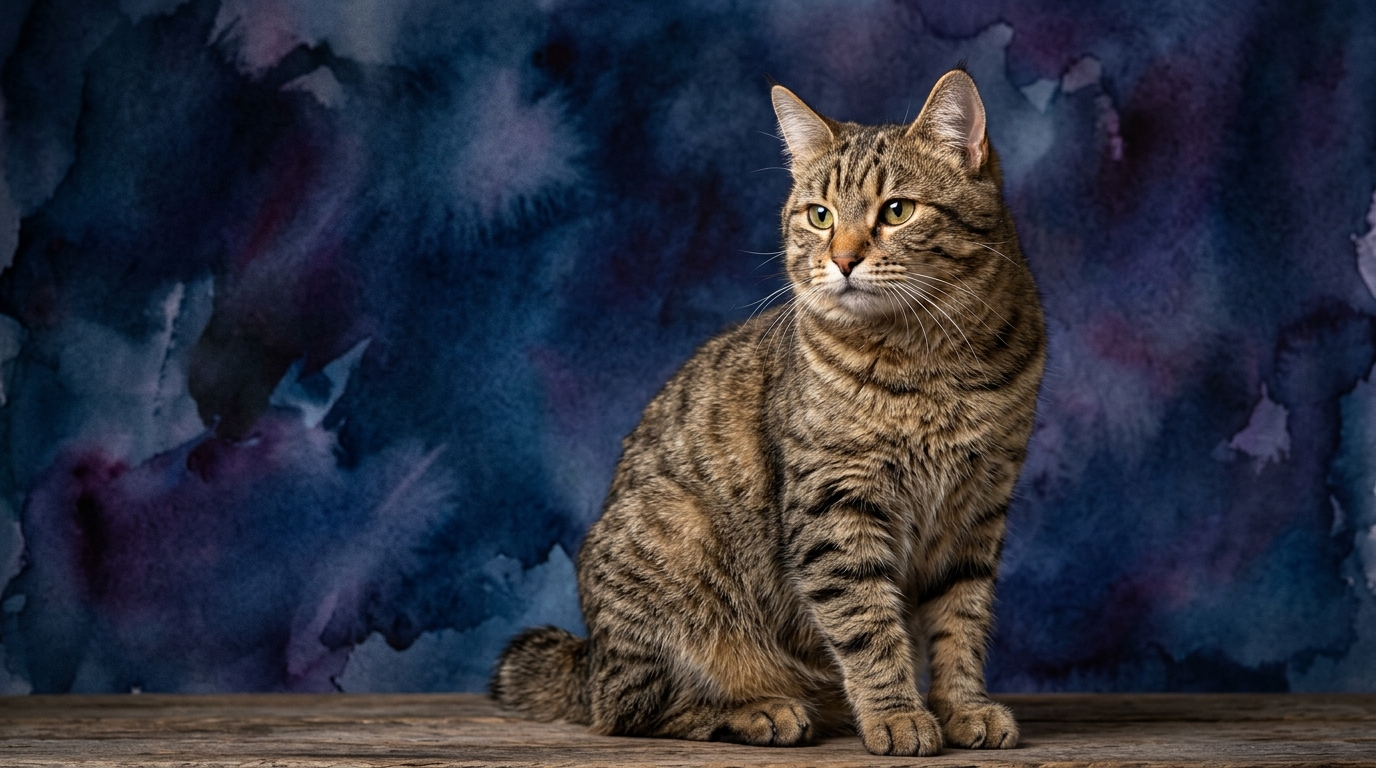
The Pixiebob, sharing the same 3/5 scores, demonstrates these dimensions with a distinct vigor often described as 'dog-like.' Their Problem Solving at 3/5 is typically more hands-on and persistent. A Pixiebob might actively experiment with different methods to open a cabinet or retrieve a toy, showing a curious, trial-and-error approach. Their Training Speed, also 3/5, shines in their eagerness to engage, often picking up commands, leash training, or even simple tricks with enthusiasm, driven by their desire for interaction. Social Intelligence at 3/5 means they form strong bonds with their families, often 'talking' with chirps and trills, actively participating in household life, and showing clear affection. Their Instinctive Drive of 3/5 is frequently expressed through intense interactive play, a strong prey drive, and a penchant for 'fetching' toys, showcasing their active nature. With a Memory score of 3/5, Pixiebobs are adept at remembering complex play sequences, the locations of preferred toys, and the people who provide engaging interactions, reinforcing their interactive tendencies.
Where the American Shorthair Wins Cognitively
Despite identical scores, the American Shorthair often demonstrates a cognitive advantage in subtle adaptability and independent problem-solving within a stable environment. Their 3/5 in Problem Solving is frequently expressed through an ability to observe and internalize solutions without direct, overt experimentation. For example, an American Shorthair might figure out how to access a high shelf by watching a human move a chair, then later replicate the setup, or simply find a less obvious route over time. This observational learning, combined with their generally calm demeanor, allows them to navigate changes in routine or household layouts with less apparent stress, making them masters of quiet adjustment. Their Social Intelligence often manifests as a deep, intuitive understanding of their family's rhythms and emotional states, providing a comforting, unobtrusive presence rather than demanding attention. This subtle cognitive strength makes them exceptionally good at fitting seamlessly into diverse households, often anticipating needs or moods with understated grace.
Where the Pixiebob Wins Cognitively
The Pixiebob, with its equally strong 3/5 cognitive profile, truly shines in interactive engagement and active, persistent problem-solving. Their Problem Solving score is often evident in their relentless curiosity and willingness to physically manipulate their environment. A Pixiebob might repeatedly try different pawing or pushing techniques to open a door or access a puzzle toy, demonstrating a hands-on, determined approach that can be exceptionally effective. This active engagement extends to their Social Intelligence, where their desire for interaction drives them to 'talk' to their owners, initiate play, and actively participate in family activities. They excel at understanding and responding to direct cues, making them particularly receptive to training that involves collaboration. Their Instinctive Drive, while matching the American Shorthair numerically, often translates into a more vigorous and sustained interest in interactive hunting games, making them exceptional partners for owners who enjoy dynamic play sessions. This combination of active curiosity and social drive gives the Pixiebob a distinct edge in scenarios requiring direct interaction and a more 'dog-like' willingness to engage with complex tasks presented by their humans.
Training Ease: Behavioral Differences in Action
When it comes to training ease, real behavioral differences illuminate how their identical 3/5 Training Speed scores play out. The Pixiebob generally presents as an easier cat to train, particularly for specific commands, tricks, and leash training, due to their inherent desire for interaction and their curious, active nature. They often enjoy the process of learning new things as a form of bonding and mental stimulation. Their willingness to engage directly with their owners, combined with their natural curiosity, makes them highly receptive to positive reinforcement and structured training sessions. They thrive on challenges and the attention that training provides, often showing a keen interest in figuring out what is expected of them and performing tasks for rewards.
The American Shorthair, while certainly trainable with a 3/5 score, tends to learn best through consistency and routine rather than through an explicit desire for complex tricks or direct instruction. They are adept at picking up household rules and routines, understanding 'no' or 'come' when it serves a purpose, but they may not exhibit the same enthusiasm for performing elaborate tricks. Their independence means they might learn at their own pace and on their own terms, making them reliable companions who understand boundaries but perhaps less inclined to be 'performers.' Training an American Shorthair often involves more patience and leveraging their natural observational skills and desire for a harmonious home environment, focusing on habit formation rather than active command-response drills.
Matching Feline Companions to Owner Lifestyles
Choosing between an American Shorthair and a Pixiebob, given their similar IQ scores, ultimately hinges on an owner's lifestyle and what they seek in a feline companion. For owners who lead a more relaxed lifestyle, valuing a calm, adaptable, and self-sufficient cat, the American Shorthair is often an ideal fit. These cats are content to observe the household, engage in independent play, and offer affection on their own terms. Their subtle intelligence means they adapt well to various living situations, providing a comforting, steady presence without demanding constant attention or elaborate entertainment. They are excellent for those who appreciate a cat that contributes to the peaceful rhythm of the home.
Conversely, active owners who desire a highly interactive, curious, and trainable feline partner will likely find the Pixiebob more suited to their energy levels. Pixiebobs thrive on engagement, enjoying interactive play sessions, puzzle toys, and even excursions on a leash. Their 'dog-like' eagerness to participate makes them wonderful companions for individuals or families who enjoy training, providing mental challenges, and forming a very strong, communicative bond. They are best for owners who are prepared to invest time in active play and enrichment, ensuring their curious minds and bodies are adequately stimulated.
The Verdict
Choose an American Shorthair if you seek a calm, adaptable companion who learns through observation and provides a subtle, comforting presence in a relaxed home environment.
Opt for a Pixiebob if you desire an interactive, curious cat eager for engagement, training, and active play, thriving in a home that offers consistent mental and physical stimulation.
🧠 Find Your Pet's IQ Score
Our Pet IQ Lab assessment covers 25+ tests across 5 cognitive dimensions — personalized to your breed.
Take the Full IQ Test →Frequently Asked Questions
Do Pixiebobs really act like dogs?
While no cat is truly a dog, Pixiebobs often display 'dog-like' traits such as a willingness to walk on a leash, play fetch, and engage in direct, vocal communication with their owners. This behavior stems from their strong social intelligence and desire for interactive engagement.
Are American Shorthairs good with children and other pets?
Yes, American Shorthairs are generally known for their adaptable and tolerant nature, making them suitable companions for households with children and other well-behaved pets. Their calm demeanor and social intelligence allow them to integrate smoothly into diverse family dynamics, observing and adjusting to the household's rhythm.
How can I provide mental stimulation for a Pixiebob, given their high curiosity?
To satisfy a Pixiebob's curiosity and problem-solving drive, offer a variety of interactive toys, puzzle feeders, and regular training sessions for tricks or leash walks. Their enjoyment of physical and mental challenges means they benefit greatly from consistent, engaging play and learning opportunities.