Side-by-Side Cognitive Profiles
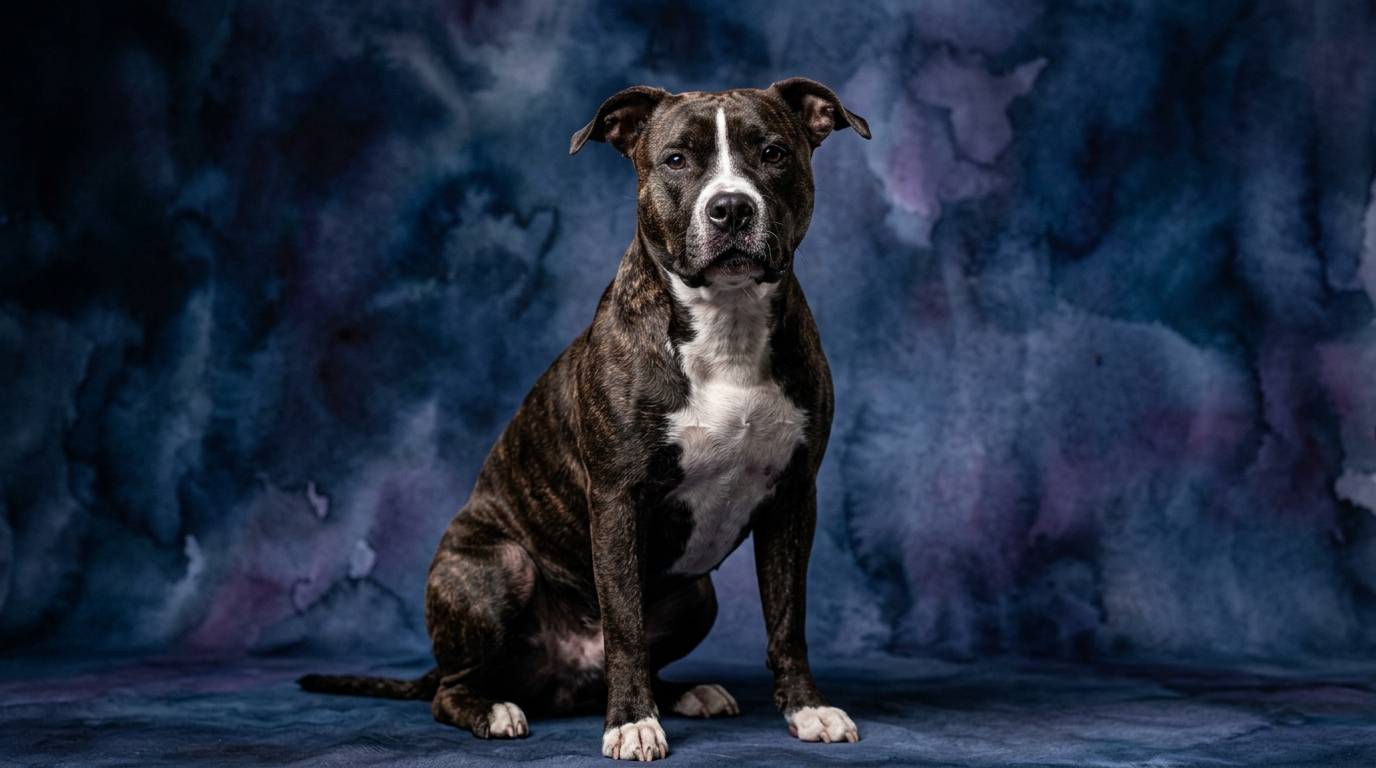
To truly understand the cognitive makeup of these two distinct breeds, we examine their individual strengths across five crucial dimensions: Problem Solving, Training Speed, Social Intelligence, Instinctive Drive, and Memory. The American Staffordshire Terrier, a powerful and agile member of the Terrier group, carries a Coren rank of #48, reflecting its capacity for working roles and its inherent grit. Its cognitive profile includes a Problem Solving score of 3/5, indicating a moderate ability to navigate and resolve novel challenges independently. The breed's Training Speed is also 3/5, suggesting it learns new commands and routines at a steady pace, requiring consistent methods. Social Intelligence stands at 3/5, meaning it can interpret and respond to social cues adequately, forming strong bonds within its family unit. Its Instinctive Drive, rated 3/5, points to a moderate inherent inclination for specific breed-typical behaviors, such as chasing or guarding, which can be channeled with appropriate guidance. Notably, the AmStaff excels in Memory with a score of 4/5, indicating a superior ability to retain information and learned behaviors over time.
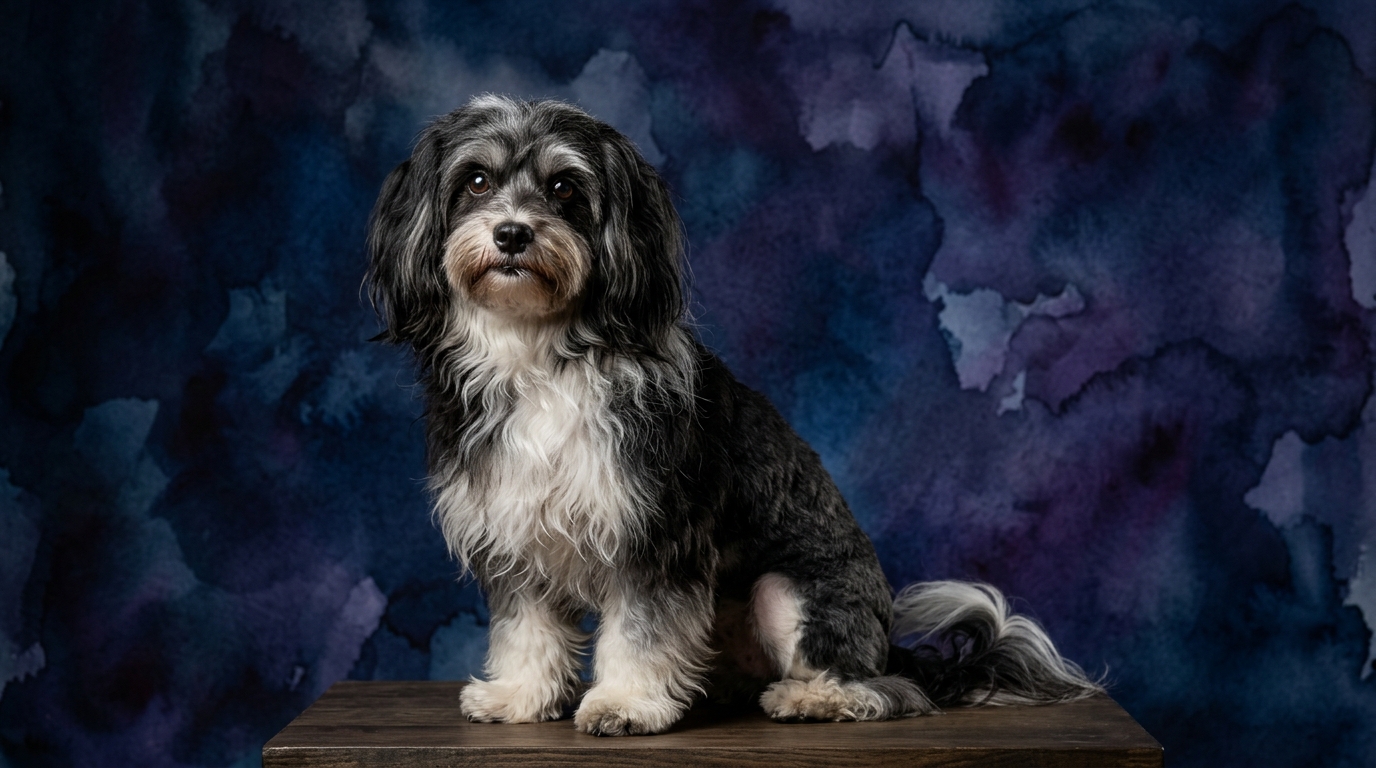
In contrast, the Löwchen, or 'Little Lion Dog,' belongs to the Non-Sporting group and is not Coren-ranked, reflecting its primary role as a companion animal rather than a working breed. Despite this difference in classification, its cognitive scores align remarkably closely with the AmStaff in several areas. The Löwchen also demonstrates a Problem Solving capacity of 3/5, suggesting a moderate ability to figure out its environment and overcome minor obstacles. Its Training Speed matches at 3/5, indicating it too learns at a steady pace, often thriving on positive reinforcement and engaging interactions. Social Intelligence is rated 3/5, highlighting its aptitude for close companionship and responsiveness to human interaction, a hallmark of its companion breed heritage. Instinctive Drive is also 3/5, manifesting as a general desire for engagement and play rather than specialized working tasks. The primary differentiation lies in its Memory, which scores 3/5, meaning it retains information effectively but may benefit from more frequent refreshers compared to the AmStaff.
Where the American Staffordshire Terrier Wins Cognitively
The American Staffordshire Terrier distinguishes itself most notably in its superior Memory, scoring 4/5 compared to the Löwchen's 3/5. This enhanced recall means an AmStaff is likely to retain complex training sequences and remember specific cues or routines over longer periods, making advanced obedience or intricate task training more efficient once the concept is grasped. Owners might find that once a command is truly embedded, it stays with the AmStaff, requiring fewer refreshers to maintain proficiency. This cognitive strength is particularly beneficial for those interested in competitive dog sports, such as agility or obedience trials, where precise execution of learned behaviors under varied conditions is paramount. The AmStaff's ability to store and retrieve information efficiently contributes to a more stable and predictable behavioral repertoire over time.
Furthermore, while both breeds share a 3/5 score in Instinctive Drive, the AmStaff's terrier heritage often translates this drive into a robust determination and tenacity when faced with a task or challenge. Their problem-solving, though rated 3/5, is frequently backed by a persistent nature. This means an AmStaff is less likely to give up on a puzzle or a training exercise until they've either succeeded or been redirected, making them resilient learners in structured environments. This blend of strong memory and enduring drive, rooted in its working background, gives the AmStaff a cognitive edge when it comes to sustained effort and the long-term application of learned skills.
Where the Löwchen Wins Cognitively
Despite identical scores in Problem Solving, Training Speed, Social Intelligence, and Instinctive Drive, the Löwchen's unique historical role as a companion dog shapes how these cognitive abilities are expressed, giving it a distinct advantage in specific contexts. While both breeds score 3/5 in social intelligence, the Löwchen's primary function has always been to interact closely with humans, suggesting its social acumen might be more finely tuned for nuanced emotional reciprocity and subtle communication within a family setting. Their smaller stature and close bond with their family could mean they are particularly adept at reading minute human cues and responding with a sensitive, empathetic presence, making them exceptionally responsive and engaging partners in daily life.
The Löwchen's 3/5 Instinctive Drive, unlike the AmStaff's terrier-driven tenacity, often manifests as a strong desire for companionship and playful interaction. This means their motivation for engagement is frequently tied to human attention and approval, making them highly receptive to training that involves positive reinforcement and shared activities. Their problem-solving skills (3/5) might be less about independently tackling physical obstacles and more about figuring out how to gain their human's attention or elicit a desired interaction. This focus on social engagement and adaptability to a domestic setting makes the Löwchen a master of harmonious cohabitation, excelling in cognitive applications that prioritize emotional connection and responsive partnership over independent task performance.
Which Is Easier to Train and Why?
Both the American Staffordshire Terrier and the Löwchen share a Training Speed score of 3/5, suggesting that neither breed presents an overwhelming challenge in learning new commands. However, the nuances in their other cognitive dimensions and breed characteristics lead to subtle differences in their training experience. The American Staffordshire Terrier's superior memory (4/5) gives it a distinct advantage in retaining learned behaviors and commands over time. Once an AmStaff grasps a concept, it is likely to remember it with fewer refreshers, allowing for a more stable and progressive training journey. Their 3/5 instinctive drive, often expressed as a determined focus, means they can be channeled into specific tasks with dedication, though this also requires consistent, positive reinforcement to direct their natural tenacity effectively. An AmStaff may require a firm but fair hand to ensure their drive is used constructively, particularly given their physical capabilities.
The Löwchen, with its 3/5 memory, will also respond well to training but might benefit from more frequent, shorter refreshers to solidify new information. Its companion-oriented nature means it often thrives on positive interaction and praise, making training a joyful bonding experience rather than a strict regimen. Their 3/5 social intelligence, geared towards human connection, means they are highly motivated by pleasing their owners and receiving affection, which can be a powerful training tool. While they may not retain complex sequences as quickly as an AmStaff, their eagerness to engage and their less physically demanding instinctive drives can make them very pleasant to teach, particularly for owners who prioritize positive, relationship-based methods. Both breeds require consistency, but the AmStaff's excellent recall might make advanced training phases more fluid, while the Löwchen's social motivation might make basic obedience more inherently rewarding for both parties.
Suitability for Active vs. Relaxed Owners
For active owners seeking a dog that can keep pace with a structured, engaging lifestyle, the American Staffordshire Terrier presents a compelling choice. Its 4/5 memory and 3/5 instinctive drive, combined with its robust physical nature, make it well-suited for activities that require both physical exertion and cognitive engagement. Owners who enjoy advanced obedience, agility, or even working roles where consistency and recall are vital will find the AmStaff a dedicated partner. Their tenacity means they often enjoy having a 'job' and thrive on regular, stimulating activities that challenge both their bodies and minds. They require owners who are prepared to invest time in consistent training and provide ample opportunities for exercise and mental enrichment to prevent boredom and channel their inherent drive productively.
Conversely, the Löwchen is an excellent fit for more relaxed owners who desire a devoted and interactive companion without the need for intense physical demands or highly specialized training. While still active and playful, its cognitive profile, particularly its strong social intelligence (3/5) and slightly lower memory (3/5), aligns perfectly with a lifestyle centered on companionship and shared, gentle activities. Löwchens thrive on being close to their families, enjoying short walks, indoor games, and social outings where they can interact with people. Their motivation often stems from their desire to be involved and to please their owners, making them adaptable to various home environments as long as they receive consistent attention and affection. They are excellent for owners who appreciate a responsive, affectionate dog that integrates seamlessly into daily family life, valuing interaction and emotional connection above rigorous performance.
The Verdict
Choose the American Staffordshire Terrier if you value a physically capable, tenacious companion with exceptional memory for advanced training and a desire for structured activity. This breed thrives with owners who can provide consistent guidance and opportunities for mental and physical engagement.
Opt for the Löwchen if you seek a highly social, adaptable companion dog that excels in emotional connection and thrives on being an integral part of family life. Its moderate activity needs and eagerness to please make it an ideal choice for owners desiring a devoted, interactive, and less physically demanding partner.
🧠 Find Your Pet's IQ Score
Our Pet IQ Lab assessment covers 25+ tests across 5 cognitive dimensions — personalized to your breed.
Take the Full IQ Test →Frequently Asked Questions
Do American Staffordshire Terriers learn faster than Löwchens?
Both breeds score 3/5 in training speed, indicating they learn at a similar, steady pace. However, the AmStaff's 4/5 memory suggests it retains learned information more effectively over time, potentially making advanced training more efficient once concepts are grasped.
Which breed is better at understanding human emotions?
Both breeds score 3/5 in social intelligence. While the AmStaff forms strong bonds, the Löwchen's history as a dedicated companion dog suggests its social acumen might be more finely tuned for nuanced human interaction and emotional reciprocity, making it highly empathetic in a domestic setting.
Are Löwchens good at problem-solving?
Löwchens have a 3/5 rating in problem-solving, indicating a moderate ability to figure out novel situations. They can navigate minor challenges and often use their observation skills to understand their environment, especially in relation to their human companions.